
Who Owns Beatles Catalog
Who Owns Beatles Catalog - A poorly designed chart, on the other hand, can increase cognitive load, forcing the viewer to expend significant mental energy just to decode the visual representation, leaving little capacity left to actually understand the information. In conclusion, mastering the art of drawing requires patience, practice, and a willingness to explore and learn. The Gestalt principles of psychology, which describe how our brains instinctively group visual elements, are also fundamental to chart design. If the engine does not crank at all, try turning on the headlights. By mapping out these dependencies, you can create a logical and efficient workflow. The weight and material of a high-end watch communicate precision, durability, and value. The future will require designers who can collaborate with these intelligent systems, using them as powerful tools while still maintaining their own critical judgment and ethical compass. This is not mere decoration; it is information architecture made visible. A tiny, insignificant change can be made to look like a massive, dramatic leap. These templates include design elements, color schemes, and slide layouts tailored for various presentation types. For comparing change over time, a simple line chart is often the right tool, but for a specific kind of change story, there are more powerful ideas. This was more than just an inventory; it was an attempt to create a map of all human knowledge, a structured interface to a world of ideas. The paramount concern when servicing the Titan T-800 is the safety of the technician and any personnel in the vicinity. Check your tire pressures regularly, at least once a month, when the tires are cold. 27 Beyond chores, a printable chart can serve as a central hub for family organization, such as a weekly meal plan chart that simplifies grocery shopping or a family schedule chart that coordinates appointments and activities. Whether practiced for personal enjoyment, artistic exploration, or therapeutic healing, free drawing offers a pathway to self-discovery, expression, and fulfillment. The host can personalize the text with names, dates, and locations. We have seen how it leverages our brain's preference for visual information, how the physical act of writing on a chart forges a stronger connection to our goals, and how the simple act of tracking progress on a chart can create a motivating feedback loop. 30This type of chart directly supports mental health by promoting self-awareness. The blank page wasn't a land of opportunity; it was a glaring, white, accusatory void, a mirror reflecting my own imaginative bankruptcy. I wanted to make things for the future, not study things from the past. My initial reaction was dread. This inclusion of the user's voice transformed the online catalog from a monologue into a conversation. To me, it represented the very antithesis of creativity. While the convenience is undeniable—the algorithm can often lead to wonderful discoveries of things we wouldn't have found otherwise—it comes at a cost. His philosophy is a form of design minimalism, a relentless pursuit of stripping away everything that is not essential until only the clear, beautiful truth of the data remains. The layout is a marvel of information design, a testament to the power of a rigid grid and a ruthlessly consistent typographic hierarchy to bring order to an incredible amount of complexity. Up until that point, my design process, if I could even call it that, was a chaotic and intuitive dance with the blank page. Suddenly, graphic designers could sell their work directly to users. It requires foresight, empathy for future users of the template, and a profound understanding of systems thinking. For smaller electronics, it may be on the bottom of the device. A professional, however, learns to decouple their sense of self-worth from their work. Whether charting the subtle dance of light and shadow on a canvas, the core principles that guide a human life, the cultural aspirations of a global corporation, or the strategic fit between a product and its market, the fundamental purpose remains the same: to create a map of what matters. From the humble table that forces intellectual honesty to the dynamic bar and line graphs that tell stories of relative performance, these charts provide a language for evaluation. These were, in essence, physical templates. A comprehensive student planner chart can integrate not only study times but also assignment due dates, exam schedules, and extracurricular activities, acting as a central command center for a student's entire academic life. But our understanding of that number can be forever changed. Reading his book, "The Visual Display of Quantitative Information," was like a religious experience for a budding designer. This forced me to think about practical applications I'd never considered, like a tiny favicon in a browser tab or embroidered on a polo shirt. Similarly, learning about Dr. As we delve into the artistry of drawing, we embark on a journey of discovery and creativity, where each stroke of the pencil reveals a glimpse of the artist's soul. It solved all the foundational, repetitive decisions so that designers could focus their energy on the bigger, more complex problems. It was a constant dialogue. Suddenly, graphic designers could sell their work directly to users. These templates include page layouts, navigation structures, and design elements that can be customized to fit the user's brand and content. You ask a question, you make a chart, the chart reveals a pattern, which leads to a new question, and so on. A simple search on a platform like Pinterest or a targeted blog search unleashes a visual cascade of options. This flexibility is a major selling point for printable planners. I began seeking out and studying the great brand manuals of the past, seeing them not as boring corporate documents but as historical artifacts and masterclasses in systematic thinking. I began seeking out and studying the great brand manuals of the past, seeing them not as boring corporate documents but as historical artifacts and masterclasses in systematic thinking. Art, in its purest form, is about self-expression. The second requirement is a device with an internet connection, such as a computer, tablet, or smartphone. It also forced me to think about accessibility, to check the contrast ratios between my text colors and background colors to ensure the content was legible for people with visual impairments. The powerful model of the online catalog—a vast, searchable database fronted by a personalized, algorithmic interface—has proven to be so effective that it has expanded far beyond the world of retail. It is a device for focusing attention, for framing a narrative, and for turning raw information into actionable knowledge. It is a discipline that operates at every scale of human experience, from the intimate ergonomics of a toothbrush handle to the complex systems of a global logistics network. But my pride wasn't just in the final artifact; it was in the profound shift in my understanding. This system, this unwritten but universally understood template, was what allowed them to produce hundreds of pages of dense, complex information with such remarkable consistency, year after year. This was the birth of information architecture as a core component of commerce, the moment that the grid of products on a screen became one of the most valuable and contested pieces of real estate in the world. It returns zero results for a reasonable query, it surfaces completely irrelevant products, it feels like arguing with a stubborn and unintelligent machine. I had to solve the entire problem with the most basic of elements. The poster was dark and grungy, using a distressed, condensed font. This is explanatory analysis, and it requires a different mindset and a different set of skills. The initial spark, that exciting little "what if," is just a seed. It means using color strategically, not decoratively. Digital tools and software allow designers to create complex patterns and visualize their projects before picking up a hook. 58 By visualizing the entire project on a single printable chart, you can easily see the relationships between tasks, allocate your time and resources effectively, and proactively address potential bottlenecks, significantly reducing the stress and uncertainty associated with complex projects. It gave me ideas about incorporating texture, asymmetry, and a sense of humanity into my work. The choices designers make have profound social, cultural, and environmental consequences. This simple grid of equivalencies is a testament to a history of disparate development and a modern necessity for seamless integration. This means user research, interviews, surveys, and creating tools like user personas and journey maps. To do this, first unplug the planter from its power source. A notification from a social media app or an incoming email can instantly pull your focus away from the task at hand, making it difficult to achieve a state of deep work. Before you begin, ask yourself what specific story you want to tell or what single point of contrast you want to highlight. The manual wasn't telling me what to say, but it was giving me a clear and beautiful way to say it. I can feed an AI a concept, and it will generate a dozen weird, unexpected visual interpretations in seconds. They are discovered by watching people, by listening to them, and by empathizing with their experience. Before creating a chart, one must identify the key story or point of contrast that the chart is intended to convey. This was more than just a stylistic shift; it was a philosophical one. The brief is the starting point of a dialogue.
A Brief History of the Ownership of the Beatles Catalog Billboard

Who Owns The Beatles’ Music? (The Entire Timeline)

Who Owns the Beatles Catalog, and Why It Matters InsideHook

Yahoo!オークション ビートルズ・カタログ BEATLES CATALOG

Ultimate Beatles Collection Your Complete Guide to the World's

Who Owns Rights To Beatles Music Current Ownership Explained In 2025

Yahoo!オークション ビートルズ・カタログ BEATLES CATALOG

Lot (BEATLES) BEATLES MAGAZINES AND COLLECTORS BOOKS

Learn Who Owns The Beatles Music? Strings Kings

Who Owns Rights To Beatles Music Current Ownership Explained In 2025

Dezo Hoffman & Robert Freeman Beatles Catalog 1986 Silver K Fine Art

Who owns the Beatles Catalog?

Who owns the Beatles Catalog?

Who Owns the Rights to the Beatles Song Catalog Now?

Who Owns The Beatles Catalogue? United Kingdom Explorers YouTube

The Story Behind Michael Jackson Buying The Beatles' Catalog and

Who Owns the Beatles Catalog, and Why It Matters InsideHook

Who Owns The Beatles' Catalog?

Who Owns the Rights to the Beatles Song Catalog Now?
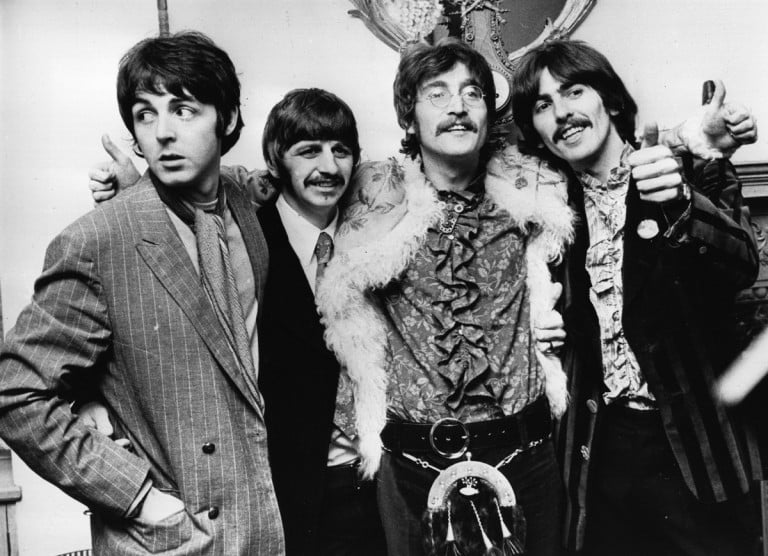
How Paul McCartney and John Lennon Lost Ownership Of The Beatles

Michael Jackson And The Beatles Music Catalog FINELY TUNED MUSIC

Who Owns Rights To Beatles Music Current Ownership Explained In 2025

Who Owns the Beatles Music? Musical Mum

How Michael Jackson Bought the Publishing Rights to the Beatles’ Song

Who Owns Rights To Beatles Music Current Ownership Explained In 2025

Learn Who Owns The Beatles Music? Strings Kings

How Michael Jackson Outbid Paul McCartney for the Beatles Catalog

The Story Behind Michael Jackson Buying The Beatles' Catalog and

The Story Behind Michael Jackson Buying The Beatles' Catalog and

Who Owns Rights To Beatles Songs Today A Friendly Guide To Current

The Story Behind Michael Jackson Buying The Beatles’ Catalog YouTube

Who Owns the Beatles Catalog, and Why It Matters InsideHook
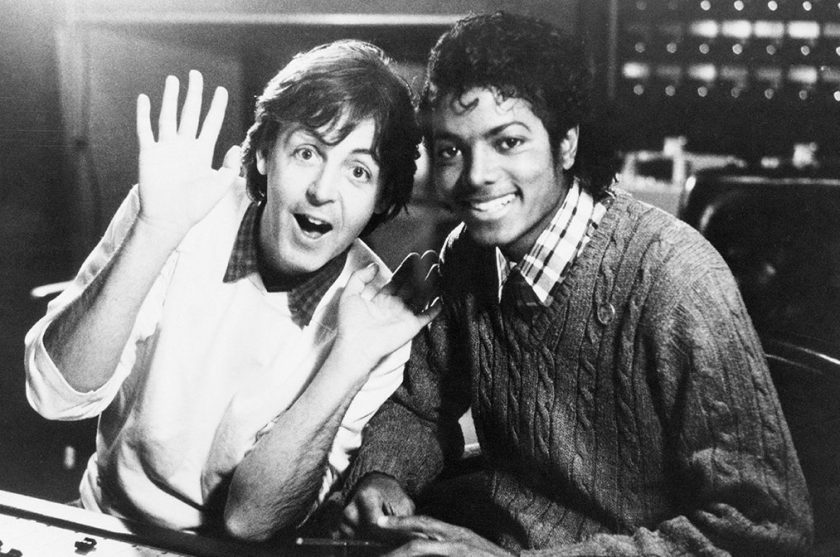
Who Owns the Beatles Catalog, and Why It Matters InsideHook

Who Owns Rights To Beatles Music Current Ownership Explained In 2025

Who Owns the Rights to the Beatles Song Catalog Now?
Related Post: