
Sears Catalog Compilations Divided By Decade
Sears Catalog Compilations Divided By Decade - Ask questions, share your successes, and when you learn something new, contribute it back to the community. This comprehensive exploration will delve into the professional application of the printable chart, examining the psychological principles that underpin its effectiveness, its diverse implementations in corporate and personal spheres, and the design tenets required to create a truly impactful chart that drives performance and understanding. Many products today are designed with a limited lifespan, built to fail after a certain period of time to encourage the consumer to purchase the latest model. It advocates for privacy, transparency, and user agency, particularly in the digital realm where data has become a valuable and vulnerable commodity. Instagram, with its shopping tags and influencer-driven culture, has transformed the social feed into an endless, shoppable catalog of lifestyles. 14 Furthermore, a printable progress chart capitalizes on the "Endowed Progress Effect," a psychological phenomenon where individuals are more motivated to complete a goal if they perceive that some progress has already been made. A professional is often tasked with creating a visual identity system that can be applied consistently across hundreds of different touchpoints, from a website to a business card to a social media campaign to the packaging of a product. Drawing, an age-old form of artistic expression, holds within its grasp the power to transcend boundaries and unlock the infinite potential of human creativity. It's not just about waiting for the muse to strike. It exists as a simple yet profound gesture, a digital file offered at no monetary cost, designed with the sole purpose of being brought to life on a physical sheet of paper. What if a chart wasn't visual at all, but auditory? The field of data sonification explores how to turn data into sound, using pitch, volume, and rhythm to represent trends and patterns. His argument is that every single drop of ink on a page should have a reason for being there, and that reason should be to communicate data. The main costs are platform fees and marketing expenses. There was the bar chart, the line chart, and the pie chart. From the dog-eared pages of a childhood toy book to the ghostly simulations of augmented reality, the journey through these various catalog samples reveals a profound and continuous story. This multimedia approach was a concerted effort to bridge the sensory gap, to use pixels and light to simulate the experience of physical interaction as closely as possible. 66While the fundamental structure of a chart—tracking progress against a standard—is universal, its specific application across these different domains reveals a remarkable adaptability to context-specific psychological needs. What style of photography should be used? Should it be bright, optimistic, and feature smiling people? Or should it be moody, atmospheric, and focus on abstract details? Should illustrations be geometric and flat, or hand-drawn and organic? These guidelines ensure that a brand's visual storytelling remains consistent, preventing a jarring mix of styles that can confuse the audience. A more expensive piece of furniture was a more durable one. Let us now turn our attention to a different kind of sample, a much older and more austere artifact. The first dataset shows a simple, linear relationship. The potential for the 3D printable is truly limitless. This is why taking notes by hand on a chart is so much more effective for learning and commitment than typing them verbatim into a digital device. Of course, there was the primary, full-color version. Perhaps most powerfully, some tools allow users to sort the table based on a specific column, instantly reordering the options from best to worst on that single metric. It forces one to confront contradictions in their own behavior and to make conscious choices about what truly matters. The printable is a tool of empowerment, democratizing access to information, design, and even manufacturing. It also forced me to think about accessibility, to check the contrast ratios between my text colors and background colors to ensure the content was legible for people with visual impairments. The object itself is unremarkable, almost disposable. The product image is a tiny, blurry JPEG. The myth of the lone genius is perhaps the most damaging in the entire creative world, and it was another one I had to unlearn. They make it easier to have ideas about how an entire system should behave, rather than just how one screen should look. The decision to create a printable copy is a declaration that this information matters enough to be given a physical home in our world. Keeping the weather-stripping around the doors and windows clean will help them seal properly and last longer. The website we see, the grid of products, is not the catalog itself; it is merely one possible view of the information stored within that database, a temporary manifestation generated in response to a user's request. The catalog is no longer a shared space with a common architecture. The very thing that makes it so powerful—its ability to enforce consistency and provide a proven structure—is also its greatest potential weakness. Softer pencils (B range) create darker marks, ideal for shading, while harder pencils (H range) are better for fine lines and details. It is the unassuming lexicon that allows a baker in North America to understand a European recipe, a scientist in Japan to replicate an experiment from a British journal, and a manufacturer in Germany to build parts for a machine designed in the United States. Safety is the utmost priority when undertaking any electronic repair. But when I started applying my own system to mockups of a website and a brochure, the magic became apparent. The template represented everything I thought I was trying to escape: conformity, repetition, and a soulless, cookie-cutter approach to design. In our modern world, the printable chart has found a new and vital role as a haven for focused thought, a tangible anchor in a sea of digital distraction. From the deep-seated psychological principles that make it work to its vast array of applications in every domain of life, the printable chart has proven to be a remarkably resilient and powerful tool. Once a story or an insight has been discovered through this exploratory process, the designer's role shifts from analyst to storyteller. A packing list ensures you do not forget essential items. The electronic parking brake is activated by a switch on the center console. Focusing on positive aspects of life, even during difficult times, can shift one’s perspective and foster a greater sense of contentment. The initial spark, that exciting little "what if," is just a seed. 4 This significant increase in success is not magic; it is the result of specific cognitive processes that are activated when we physically write. These aren't meant to be beautiful drawings. The next step is simple: pick one area of your life that could use more clarity, create your own printable chart, and discover its power for yourself. The template contained a complete set of pre-designed and named typographic styles. He likes gardening, history, and jazz. The heart of the Aura Smart Planter’s intelligent system lies in its connectivity and the intuitive companion application, which is available for both iOS and Android devices. We can see that one bar is longer than another almost instantaneously, without conscious thought. " I hadn't seen it at all, but once she pointed it out, it was all I could see. A fair and useful chart is built upon criteria that are relevant to the intended audience and the decision to be made. It is a thin, saddle-stitched booklet, its paper aged to a soft, buttery yellow, the corners dog-eared and softened from countless explorations by small, determined hands. They were directly responsible for reforms that saved countless lives. And in this endless, shimmering, and ever-changing hall of digital mirrors, the fundamental challenge remains the same as it has always been: to navigate the overwhelming sea of what is available, and to choose, with intention and wisdom, what is truly valuable. He created the bar chart not to show change over time, but to compare discrete quantities between different nations, freeing data from the temporal sequence it was often locked into. Everything is a remix, a reinterpretation of what has come before. This enduring psychological appeal is why the printable continues to thrive alongside its digital counterparts. An elegant software interface does more than just allow a user to complete a task; its layout, typography, and responsiveness guide the user intuitively, reduce cognitive load, and can even create a sense of pleasure and mastery. The chart is no longer just a static image of a conclusion; it has become a dynamic workshop for building one. This involves more than just choosing the right chart type; it requires a deliberate set of choices to guide the viewer’s attention and interpretation. In an academic setting, critiques can be nerve-wracking, but in a professional environment, feedback is constant, and it comes from all directions—from creative directors, project managers, developers, and clients. I have come to see that the creation of a chart is a profound act of synthesis, requiring the rigor of a scientist, the storytelling skill of a writer, and the aesthetic sensibility of an artist. The more recent ancestor of the paper catalog, the library card catalog, was a revolutionary technology in its own right. It was a slow, frustrating, and often untrustworthy affair, a pale shadow of the rich, sensory experience of its paper-and-ink parent. The system could be gamed. By mimicking the efficient and adaptive patterns found in nature, designers can create more sustainable and resilient systems. Is this system helping me discover things I will love, or is it trapping me in a filter bubble, endlessly reinforcing my existing tastes? This sample is a window into the complex and often invisible workings of the modern, personalized, and data-driven world. You begin to see the same layouts, the same font pairings, the same photo styles cropping up everywhere. A true cost catalog would need to list a "cognitive cost" for each item, perhaps a measure of the time and mental effort required to make an informed decision. Never apply excessive force when disconnecting connectors or separating parts; the components are delicate and can be easily fractured. Neurological studies show that handwriting activates a much broader network of brain regions, simultaneously involving motor control, sensory perception, and higher-order cognitive functions. The Industrial Revolution shattered this paradigm. There is an ethical dimension to our work that we have a responsibility to consider.
1966 Sears Summer Catalog 1966 Sears Summer Catalog Flickr
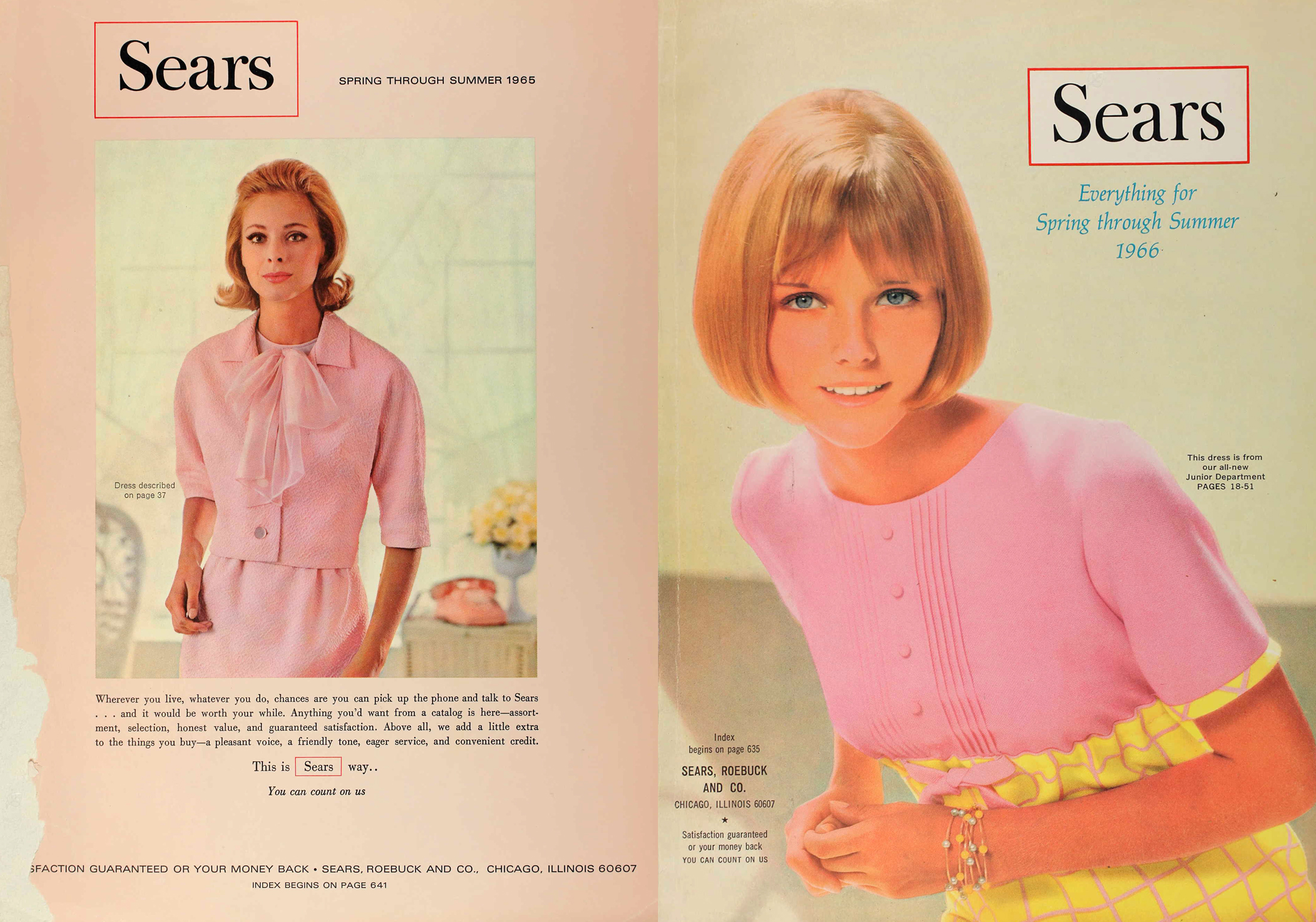
19611993 Sears Catalog Covers

1980 SEARS CATALOGUE

SEARS SPRING SUMMER CATALOG 1972 YouTube
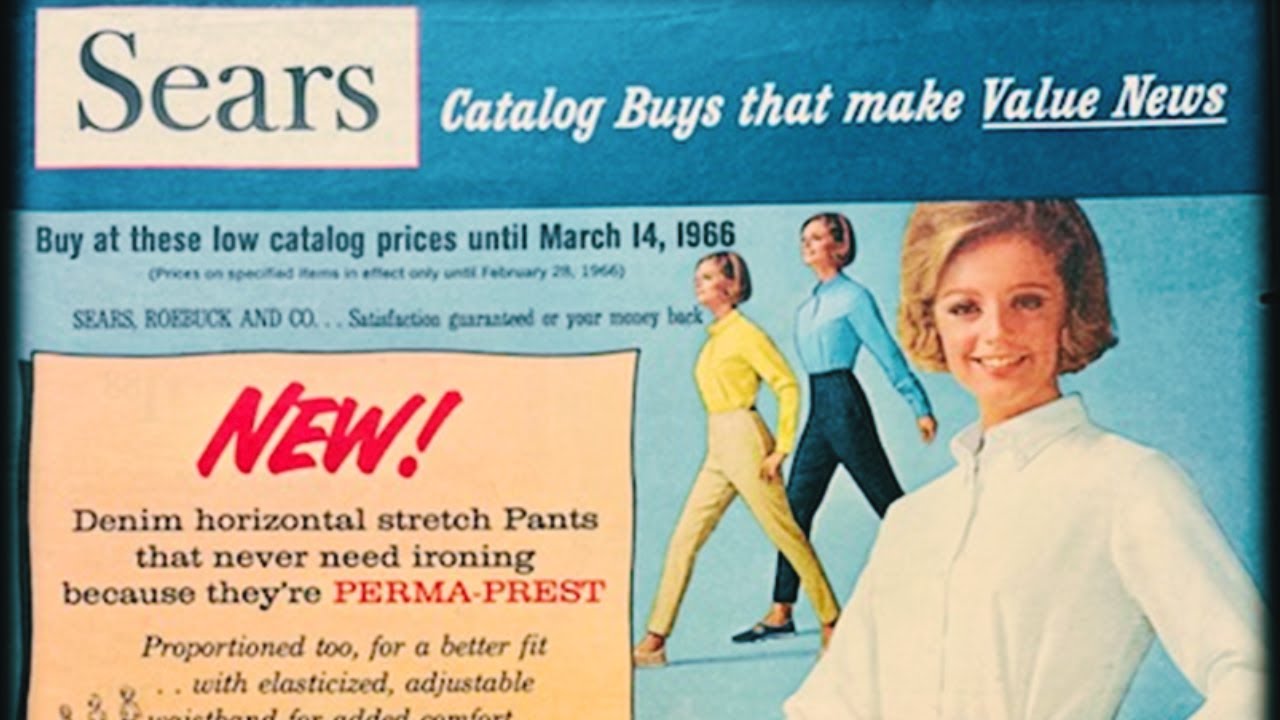
Sears Catalog 1960s Let's Shop! YouTube

Vintage Sears Catalog Pages 1976 Sears Catalog Nostalgia Vintage

Vtg Sears Canada Catalog Catalogue Fall Values 1996 1990s Clothes Mens

1992 SEARS CATALOGUE
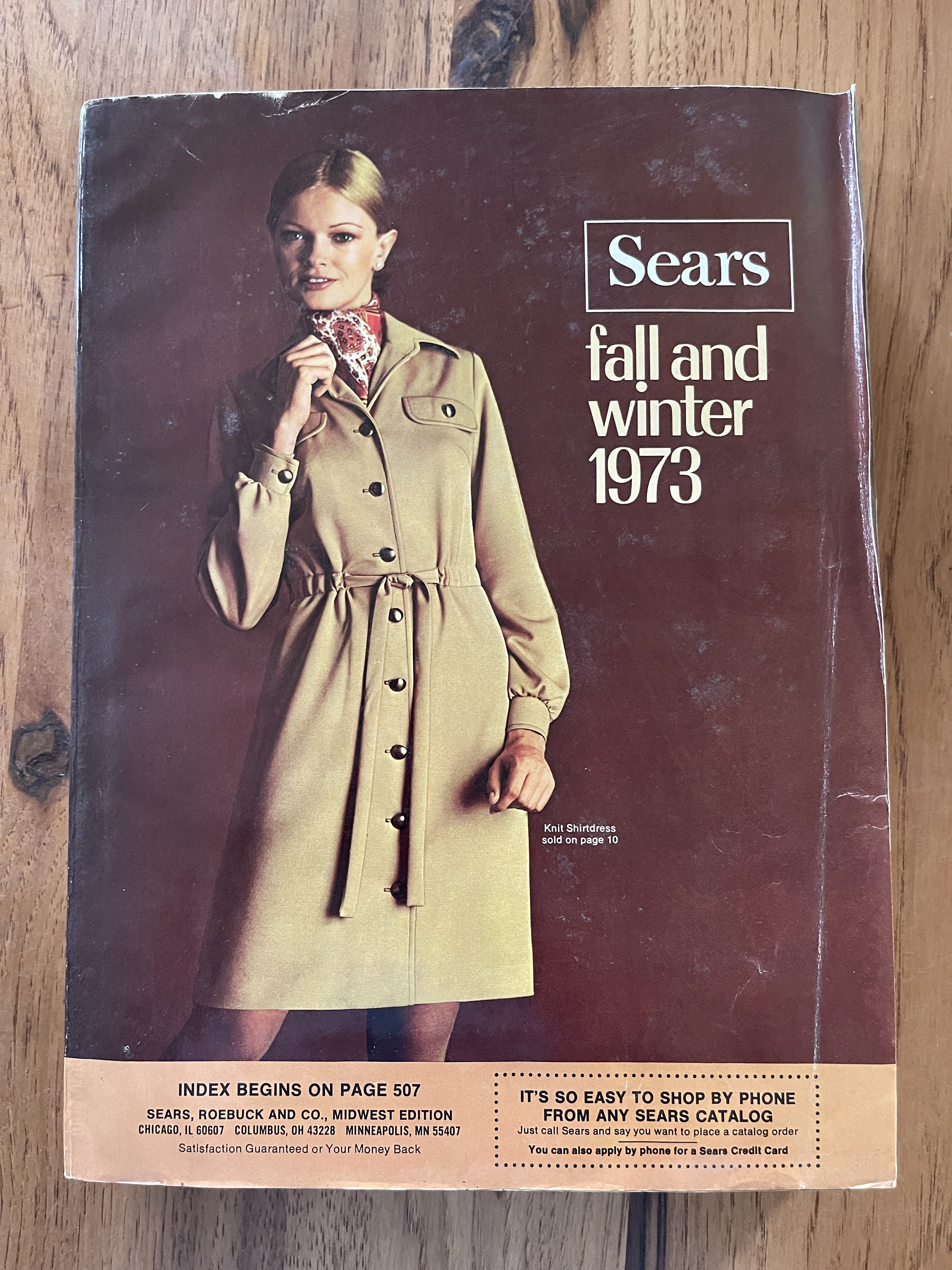
1973 Vintage Sears Fall Winter Catalog and Booster Seat Etsy

1975 SEARS CATALOGUE

1984 Sears Fall Winter Catalog, Page 181 Christmas Catalogs & Holiday

VINTAGE SEARS CATALOG 1974 SPRING THROUGH SUMMER 1427pp INTACT Sears

1992 Sears Catalog Spring Summer Catalog COMPLETE reference Guide 1595
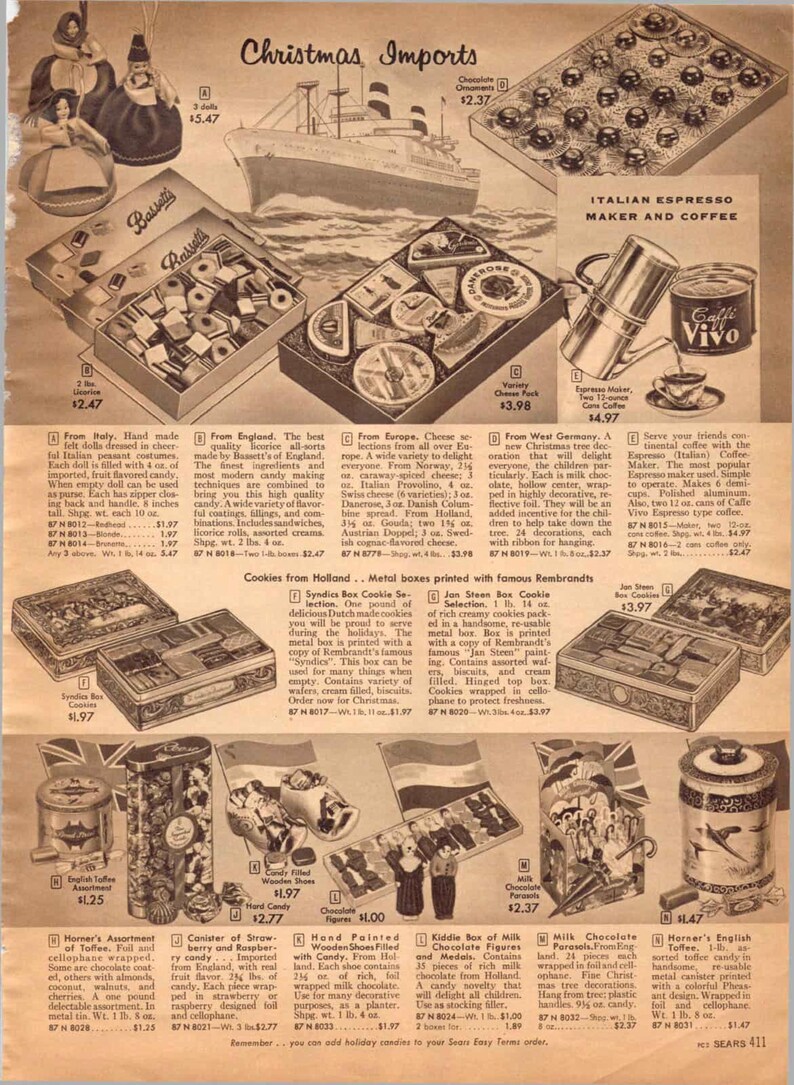
1957 Sears Christmas Wishbook Catalog. Pdf File 12 Pages Etsy
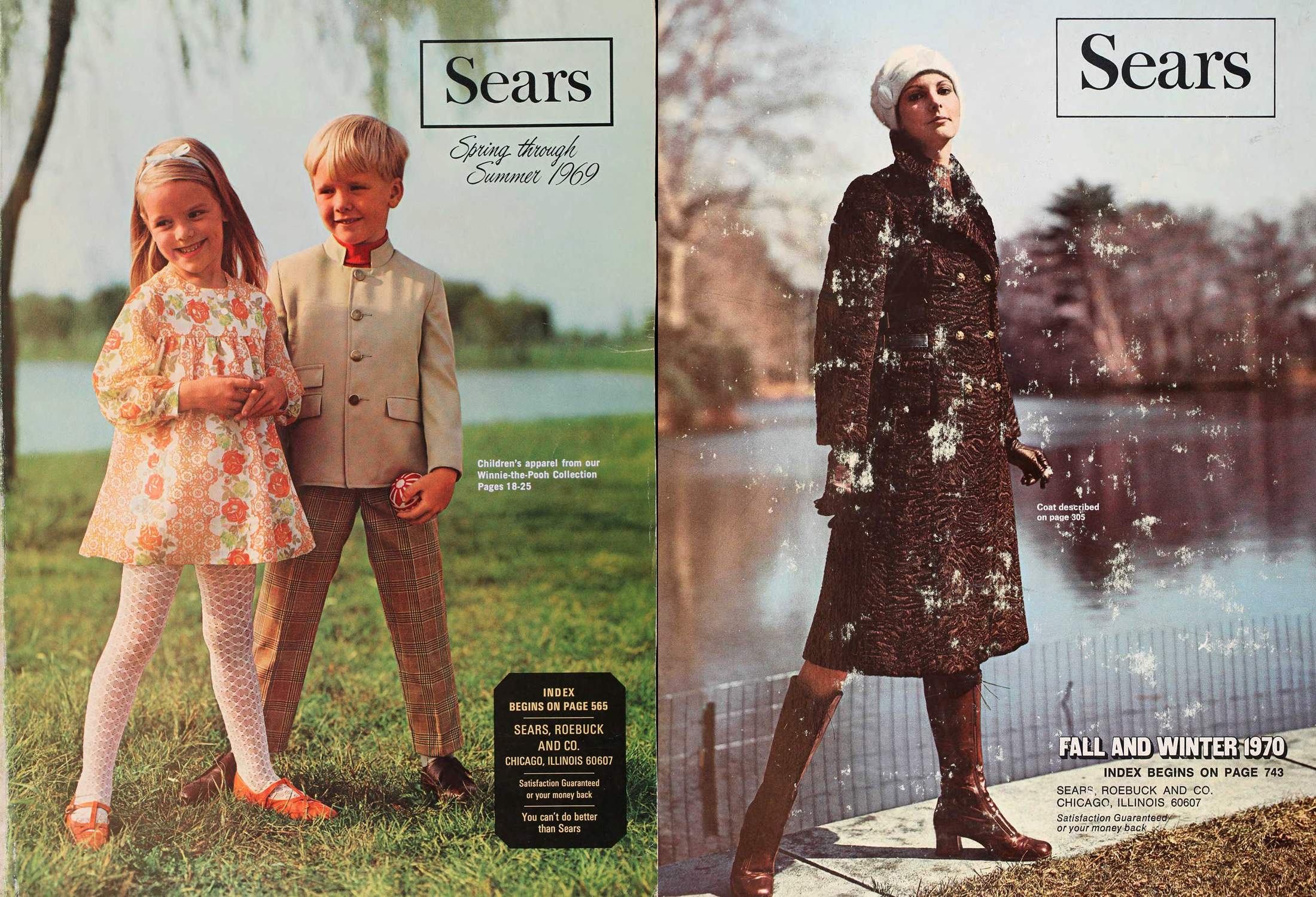
19611993 Sears Catalog Covers
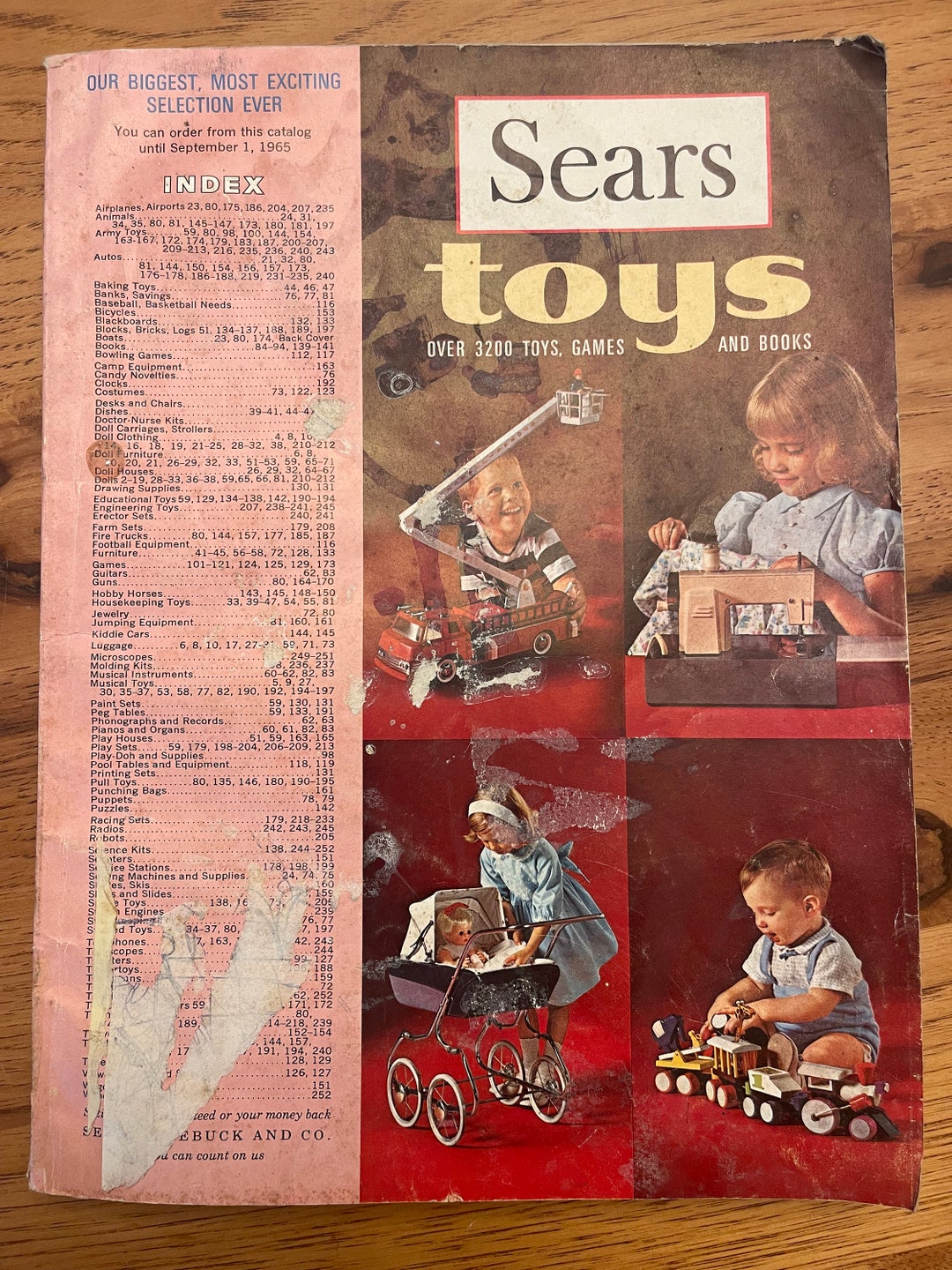
Vintage Sears Toys Catalog for 1965 Etsy
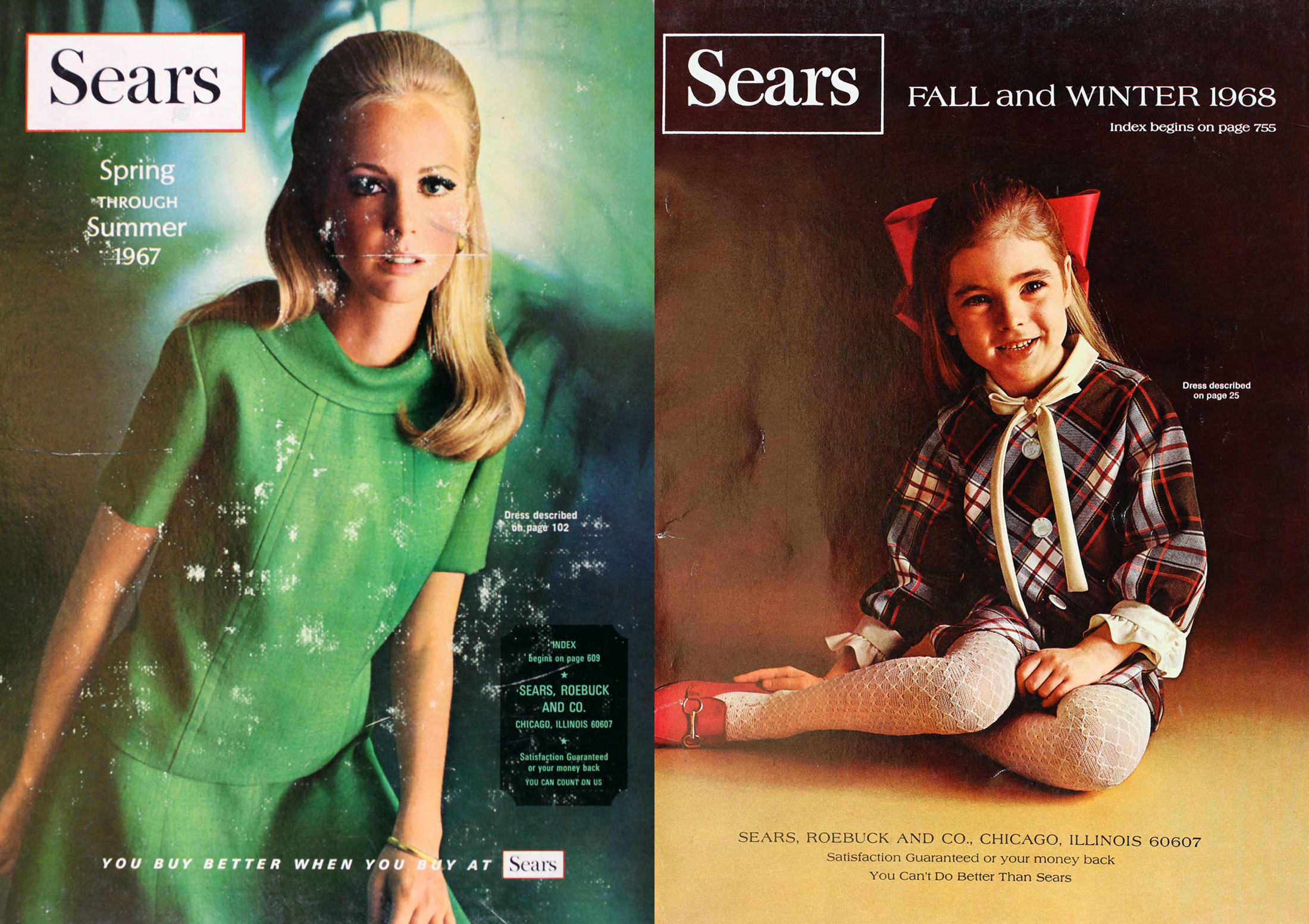
19611993 Sears Catalog Covers
When the Sears Catalog Sold Everything from Houses to Hubcaps HISTORY

1970 SEARS CATALOGUE

1920s Sears Catalogue Etsy
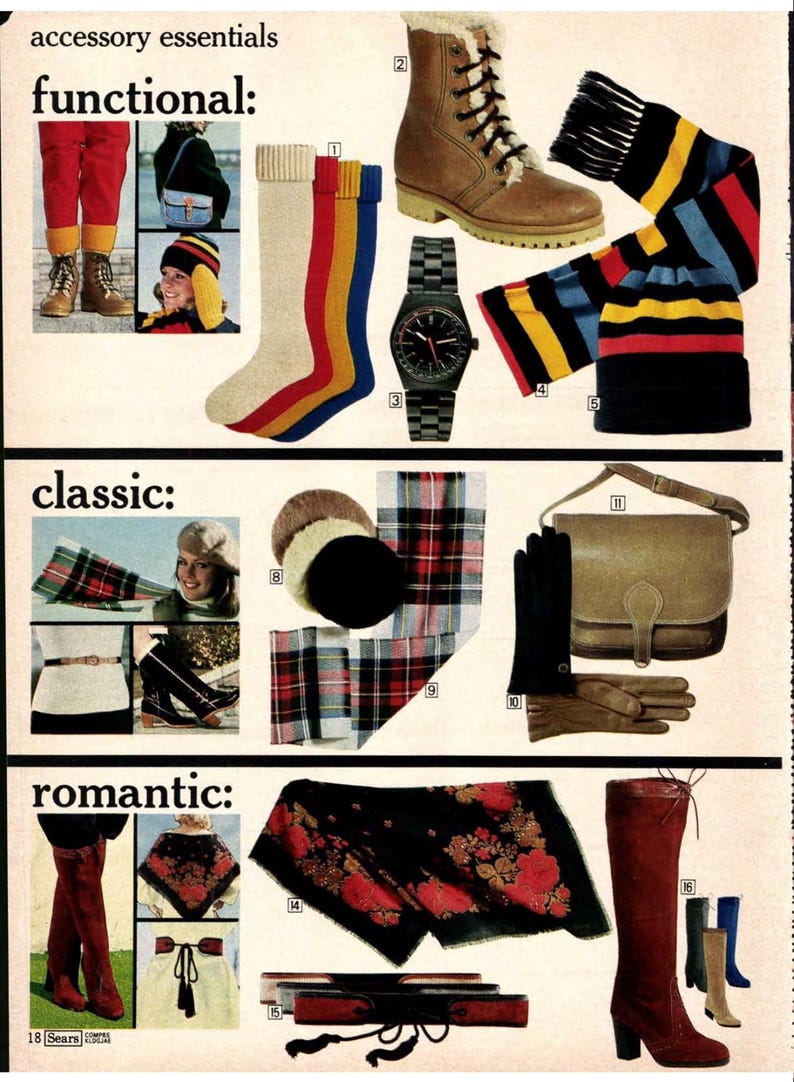
1977 Sears Fall Winter Catalog Womens Fashion Pdf File 32 Pages Etsy

2006 Sears Catalogue suite de petits catalogues (19) Fashion by
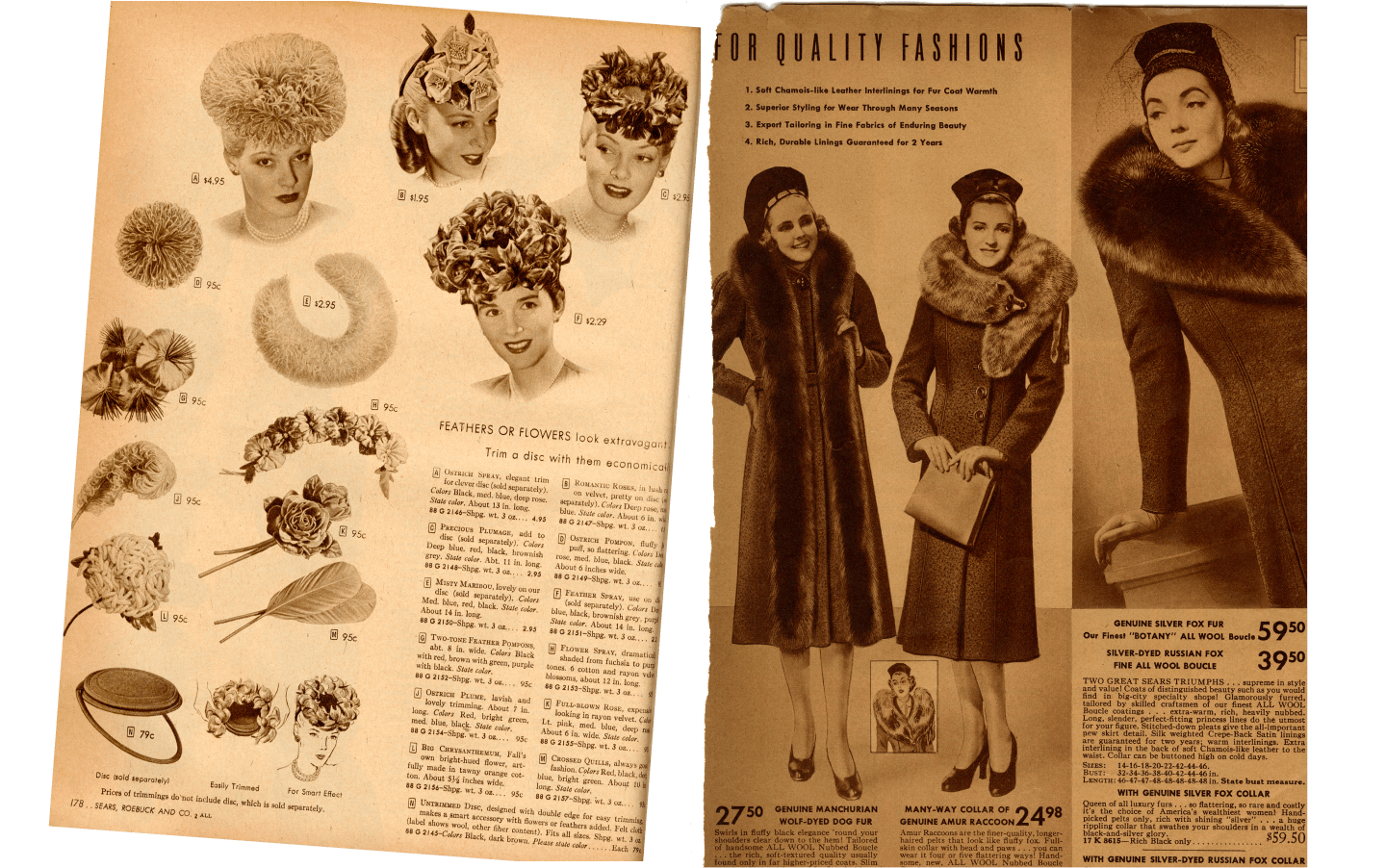
The Sears Catalog, a Master Class in Merchandising HUE
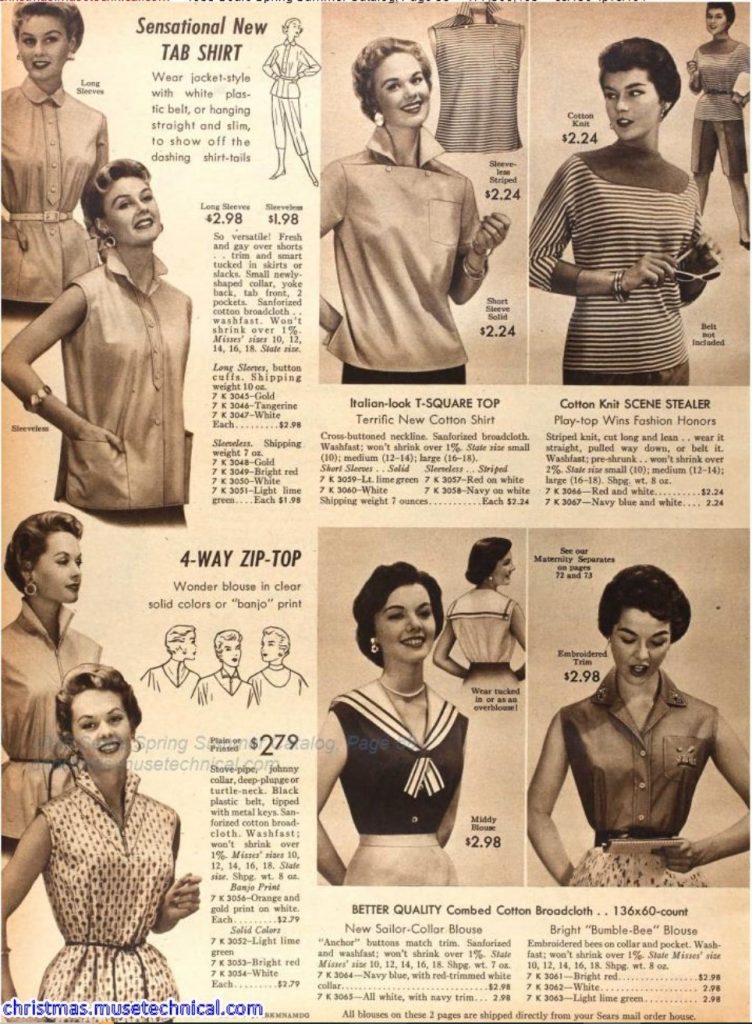
Vintage Sears Catalog Pages 1976 Sears Catalog Nostalgia Vintage
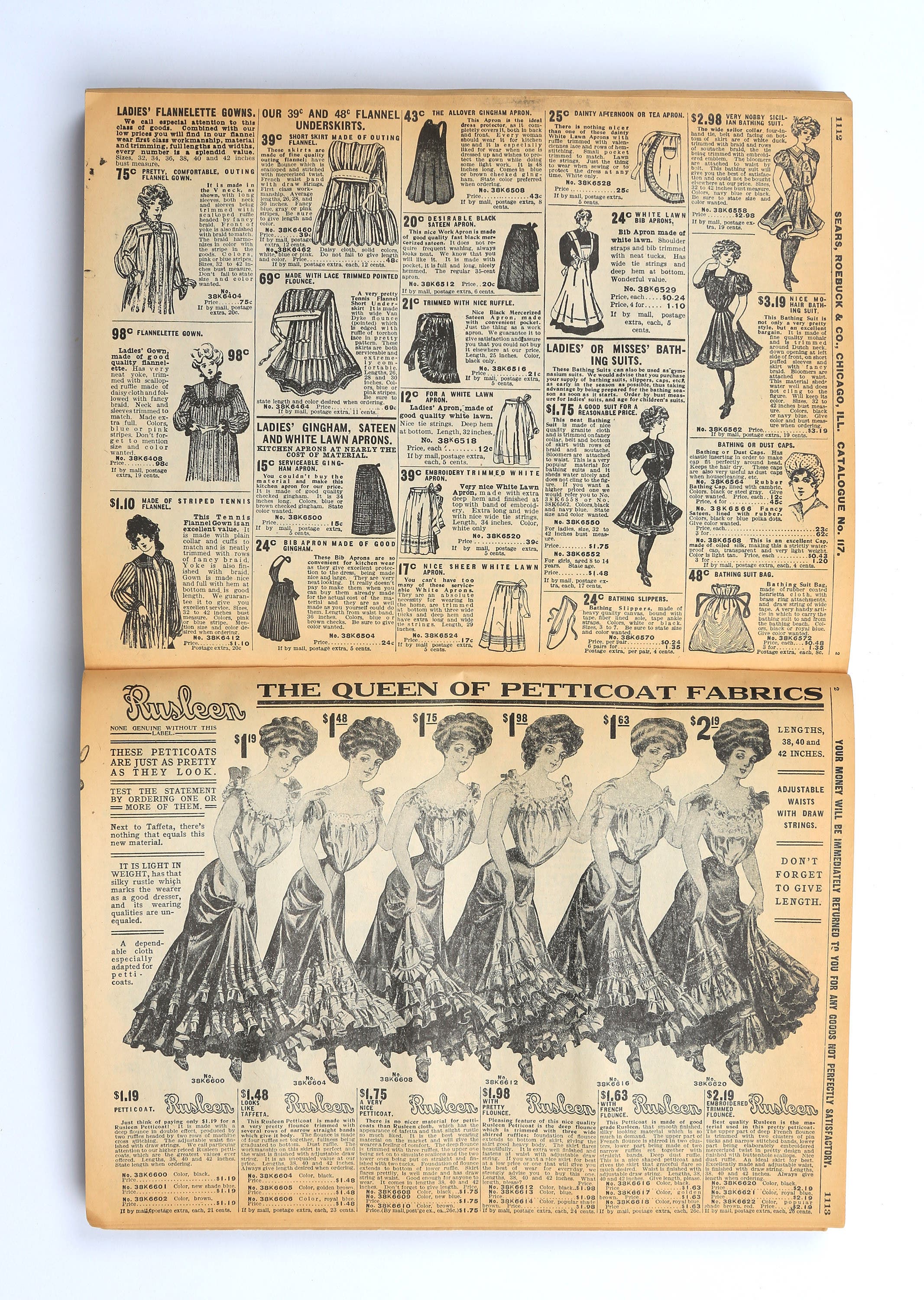
When the Sears Catalog Sold Everything from Houses to Hubcaps HISTORY
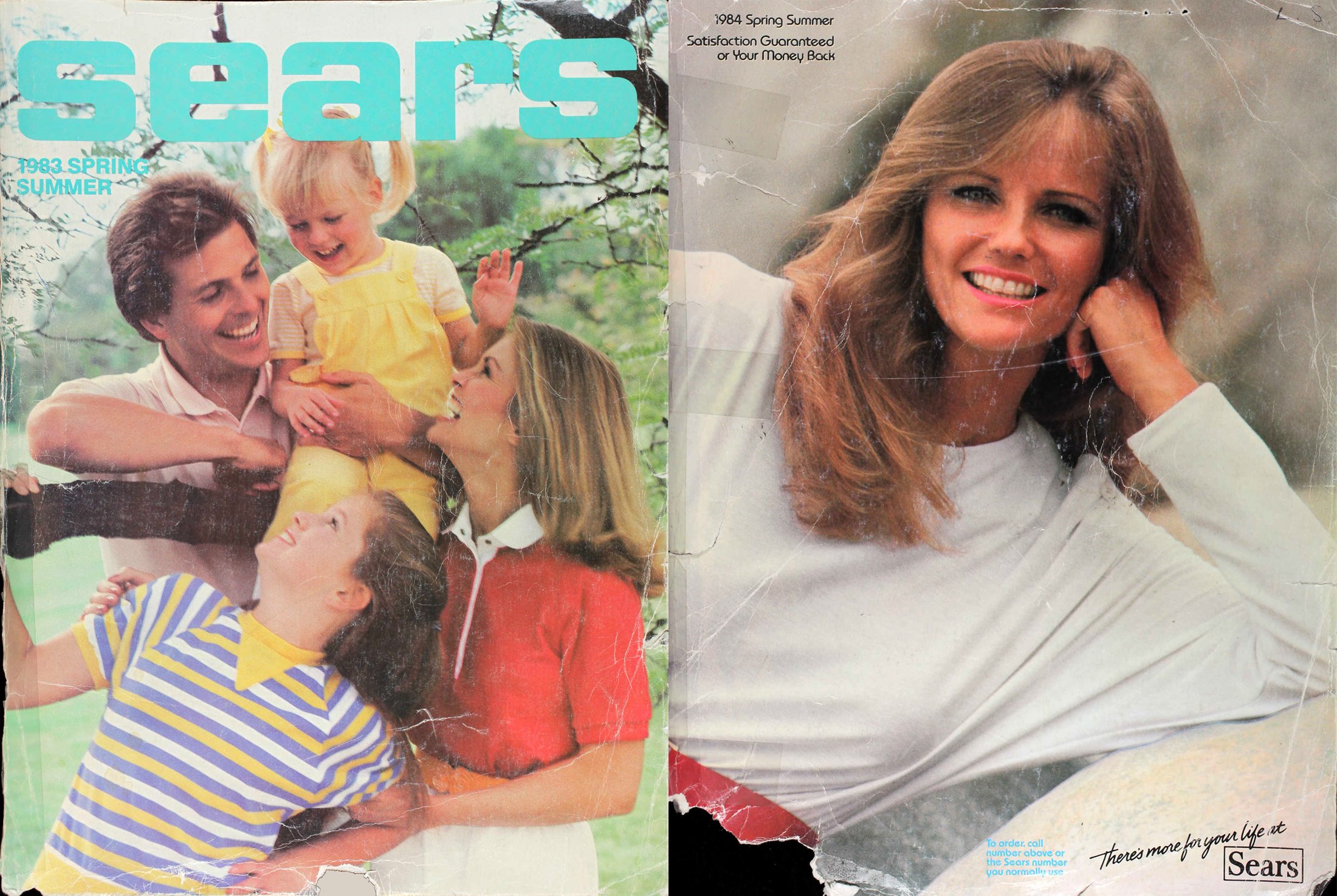
19611993 Sears Catalog Covers
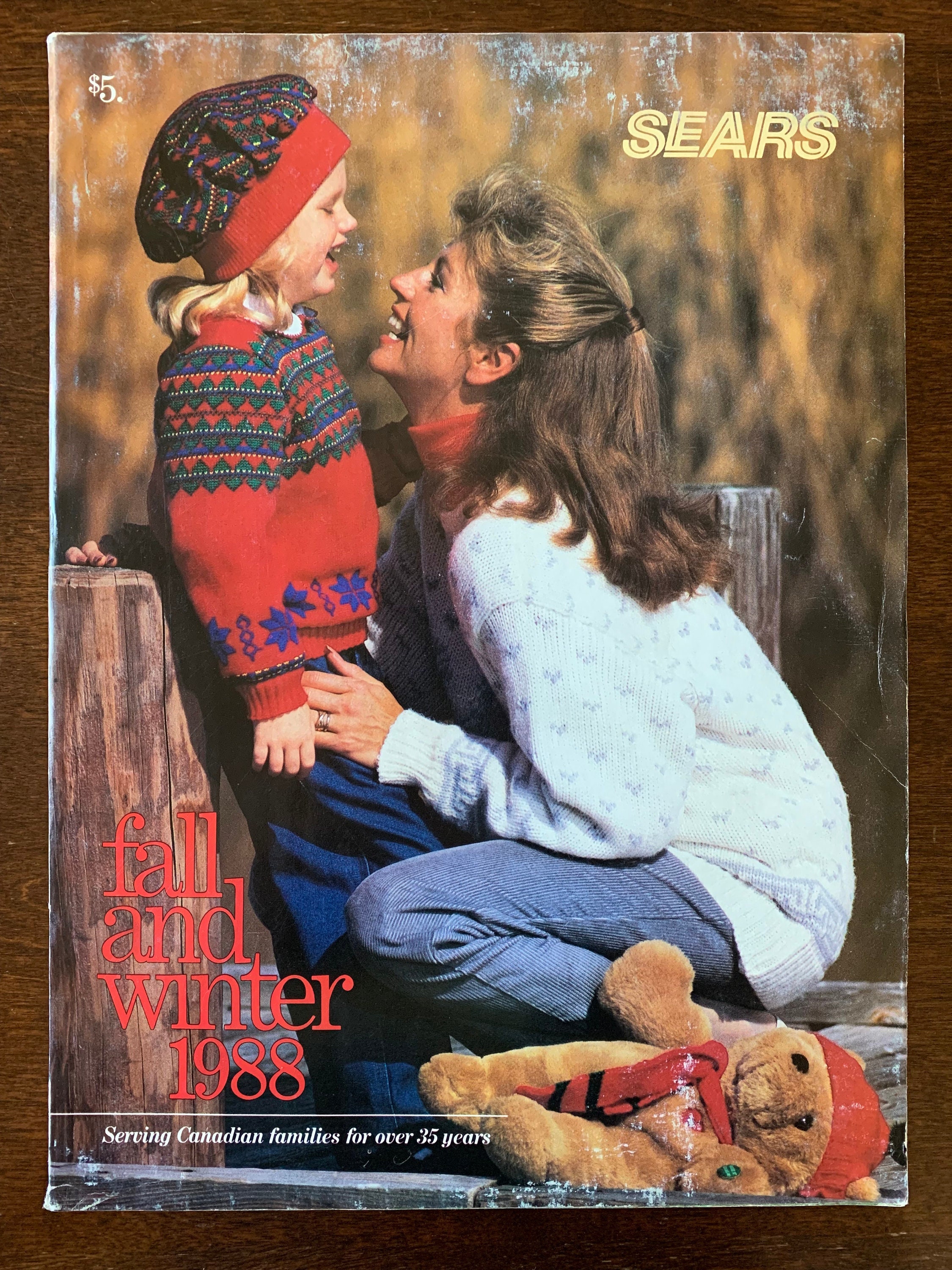
1988 Sears Fall & Winter Catalogue Canada Etsy

1977 SEARS CATALOGUE
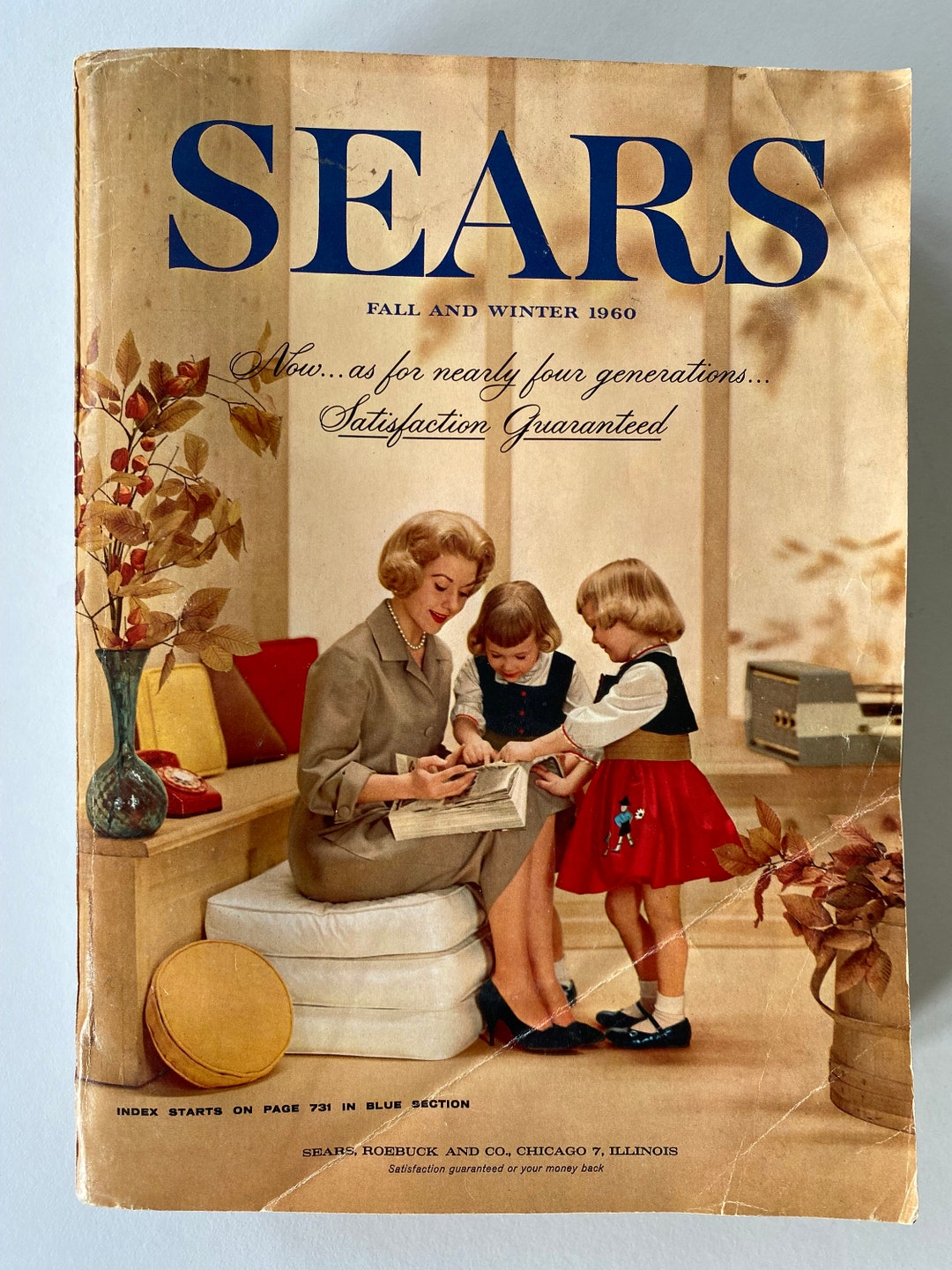
Original Sears, Roebuck and Co Catalog 221 Fall/winter 1960 Etsy
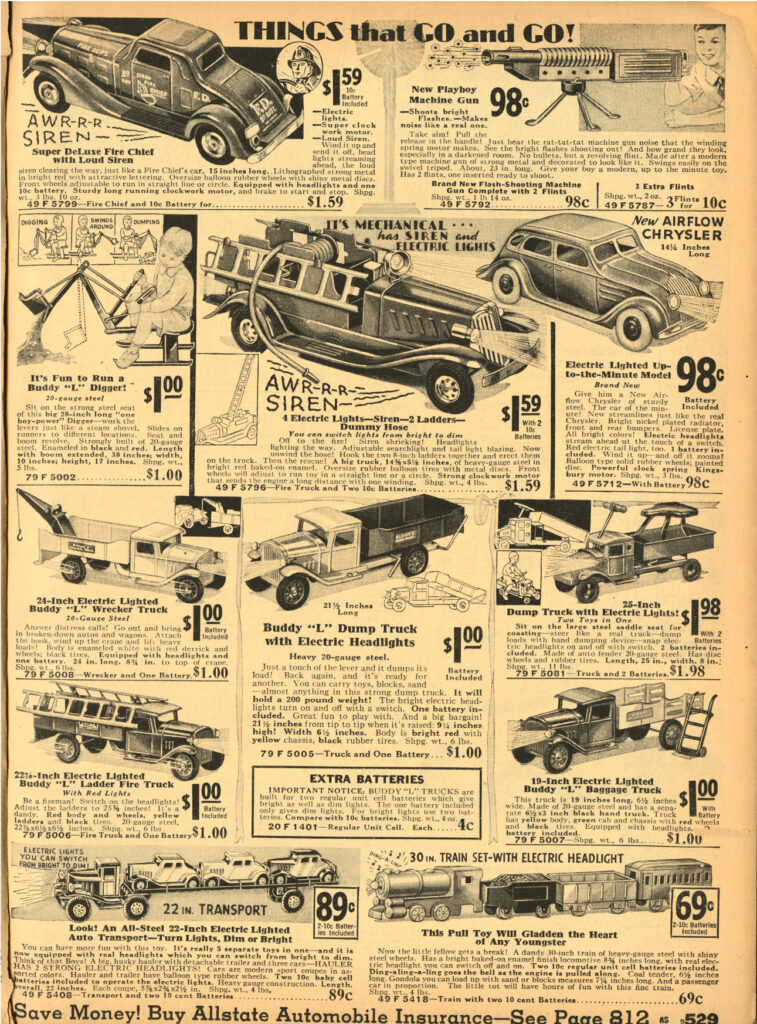
The Sears Catalog, a Master Class in Merchandising HUE

1978 SEARS CATALOGUE

Lot of 13 Sears Catalogs from 19421990 Nearly 15,000 Pages/50 lbs of

1968 Vintage Sears Spring Summer Catalog and Booster Seat! Etsy
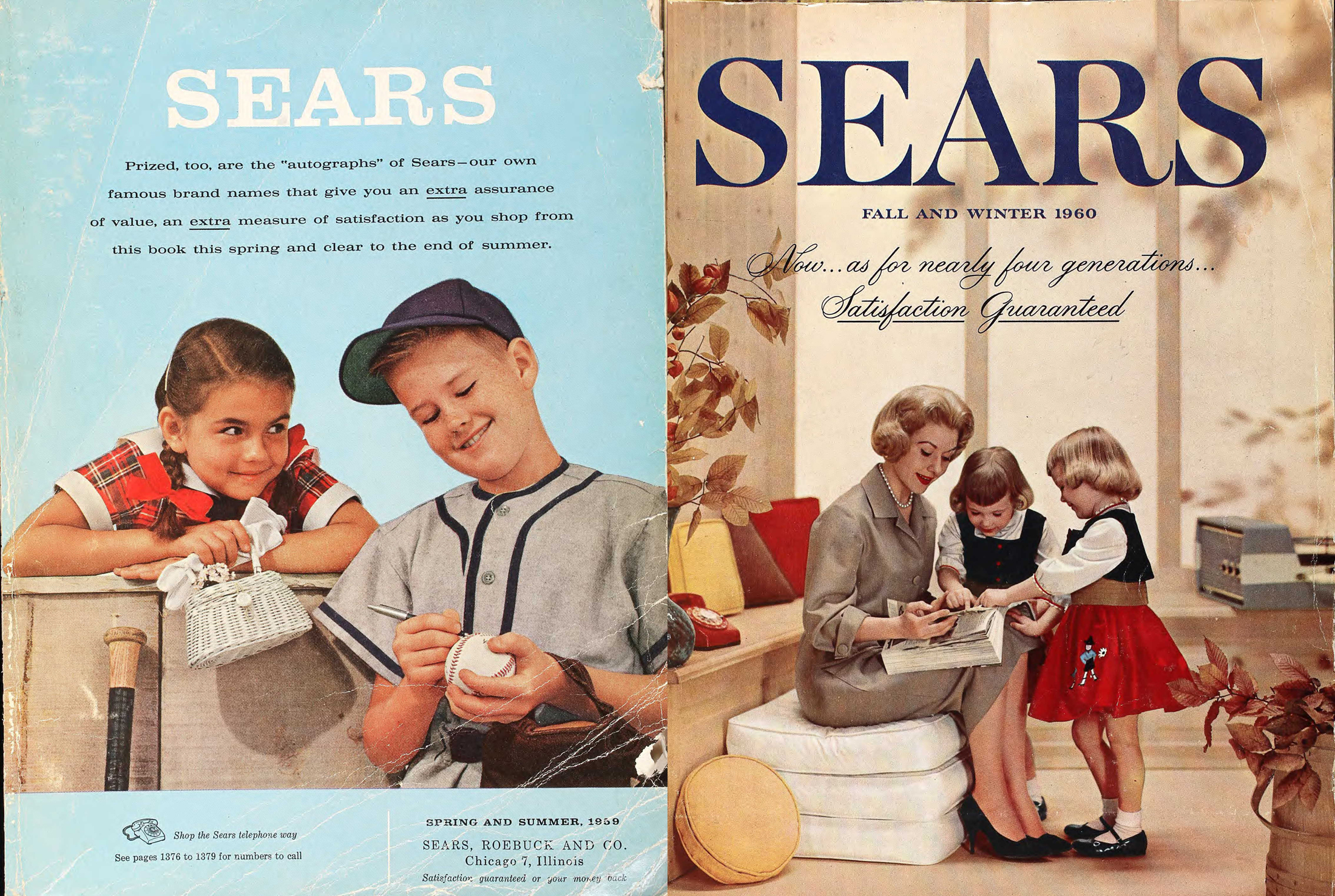
19311960 Sears Catalog Covers
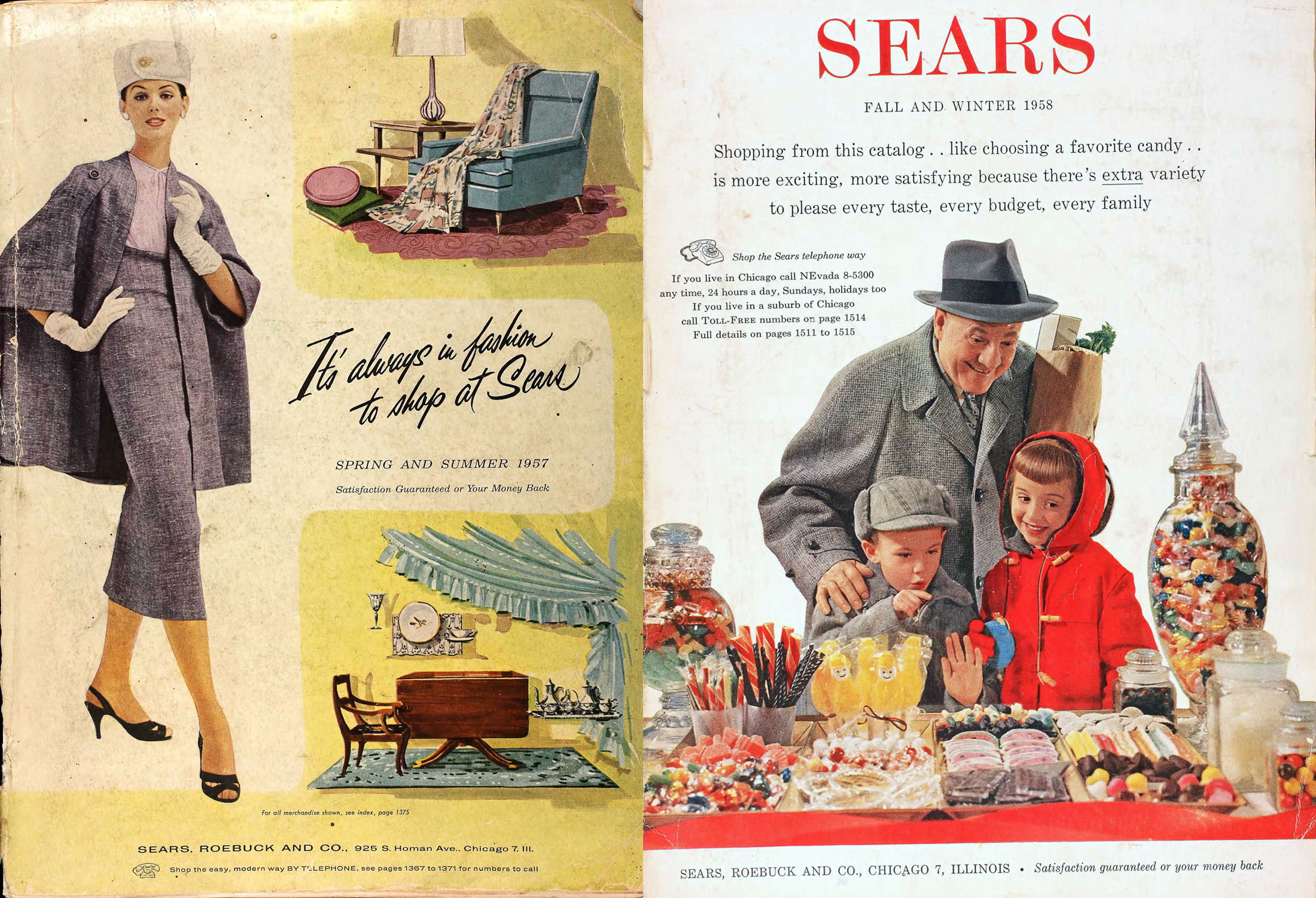
19311960 Sears Catalog Covers
Related Post:
