
National Wildlife Federation Catalog
National Wildlife Federation Catalog - 55 Furthermore, an effective chart design strategically uses pre-attentive attributes—visual properties like color, size, and position that our brains process automatically—to create a clear visual hierarchy. How does the brand write? Is the copy witty and irreverent? Or is it formal, authoritative, and serious? Is it warm and friendly, or cool and aspirational? We had to write sample copy for different contexts—a website homepage, an error message, a social media post—to demonstrate this voice in action. Regularly inspect the tire treads for uneven wear patterns and check the sidewalls for any cuts or damage. A click leads to a blog post or a dedicated landing page where the creator often shares the story behind their creation or offers tips on how to best use it. In these instances, the aesthetic qualities—the form—are not decorative additions. The page might be dominated by a single, huge, atmospheric, editorial-style photograph. The choice of materials in a consumer product can contribute to deforestation, pollution, and climate change. What style of photography should be used? Should it be bright, optimistic, and feature smiling people? Or should it be moody, atmospheric, and focus on abstract details? Should illustrations be geometric and flat, or hand-drawn and organic? These guidelines ensure that a brand's visual storytelling remains consistent, preventing a jarring mix of styles that can confuse the audience. This chart moves beyond simple product features and forces a company to think in terms of the tangible worth it delivers. It doesn’t necessarily have to solve a problem for anyone else. It’s the discipline of seeing the world with a designer’s eye, of deconstructing the everyday things that most people take for granted. This makes every template a tool of empowerment, bestowing a level of polish and professionalism that might otherwise be difficult to achieve. Amidst a sophisticated suite of digital productivity tools, a fundamentally analog instrument has not only persisted but has demonstrated renewed relevance: the printable chart. It was a slow, frustrating, and often untrustworthy affair, a pale shadow of the rich, sensory experience of its paper-and-ink parent. A sketched idea, no matter how rough, becomes an object that I can react to. It’s to see your work through a dozen different pairs of eyes. A personal development chart makes these goals concrete and measurable. The first transformation occurs when the user clicks "Print," converting this ethereal data into a physical object. In the face of this overwhelming algorithmic tide, a fascinating counter-movement has emerged: a renaissance of human curation. This architectural thinking also has to be grounded in the practical realities of the business, which brings me to all the "boring" stuff that my romanticized vision of being a designer completely ignored. It is an artifact that sits at the nexus of commerce, culture, and cognition. The core concept remains the same: a digital file delivered instantly. They were an argument rendered in color and shape, and they succeeded. At its essence, free drawing is about tapping into the subconscious mind and allowing the imagination to run wild. They are built from the fragments of the world we collect, from the constraints of the problems we are given, from the conversations we have with others, from the lessons of those who came before us, and from a deep empathy for the people we are trying to serve. These early patterns were not mere decorations; they often carried symbolic meanings and were integral to ritualistic practices. This article delves into the multifaceted benefits of journaling, exploring its historical significance, psychological impacts, and practical applications in today's fast-paced world. 40 By externalizing their schedule onto a physical chart, students can adopt a more consistent and productive routine, moving away from the stressful and ineffective habit of last-minute cramming. However, when we see a picture or a chart, our brain encodes it twice—once as an image in the visual system and again as a descriptive label in the verbal system. Our problem wasn't a lack of creativity; it was a lack of coherence. I can design a cleaner navigation menu not because it "looks better," but because I know that reducing the number of choices will make it easier for the user to accomplish their goal. The process of user research—conducting interviews, observing people in their natural context, having them "think aloud" as they use a product—is not just a validation step at the end of the process. One of the strengths of black and white drawing is its ability to evoke a sense of timelessness and nostalgia. What I've come to realize is that behind every great design manual or robust design system lies an immense amount of unseen labor. My personal feelings about the color blue are completely irrelevant if the client’s brand is built on warm, earthy tones, or if user research shows that the target audience responds better to green. Users wanted more. This system, this unwritten but universally understood template, was what allowed them to produce hundreds of pages of dense, complex information with such remarkable consistency, year after year. The website we see, the grid of products, is not the catalog itself; it is merely one possible view of the information stored within that database, a temporary manifestation generated in response to a user's request. This will soften the adhesive, making it easier to separate. It is a physical constraint that guarantees uniformity. In the vast and ever-expanding universe of digital resources, there exists a uniquely potent and practical tool: the printable template. Her work led to major reforms in military and public health, demonstrating that a well-designed chart could be a more powerful weapon for change than a sword. Data, after all, is not just a collection of abstract numbers. It’s a clue that points you toward a better solution. " This bridges the gap between objective data and your subjective experience, helping you identify patterns related to sleep, nutrition, or stress that affect your performance. The power of this printable format is its ability to distill best practices into an accessible and reusable tool, making professional-grade organization available to everyone. This is a revolutionary concept. 19 A printable reward chart capitalizes on this by making the path to the reward visible and tangible, building anticipation with each completed step. The division of the catalog into sections—"Action Figures," "Dolls," "Building Blocks," "Video Games"—is not a trivial act of organization; it is the creation of a taxonomy of play, a structured universe designed to be easily understood by its intended audience. Through trial and error, experimentation, and reflection, artists learn to trust their instincts, develop their own unique voice, and find meaning in their work. I journeyed through its history, its anatomy, and its evolution, and I have arrived at a place of deep respect and fascination. Learning about the history of design initially felt like a boring academic requirement. Long before the advent of statistical graphics, ancient civilizations were creating charts to map the stars, the land, and the seas. Does the experience feel seamless or fragmented? Empowering or condescending? Trustworthy or suspicious? These are not trivial concerns; they are the very fabric of our relationship with the built world. These exercises help in developing hand-eye coordination and control over your drawing tool. Whether it's a political cartoon, a comic strip, or a portrait, drawing has the power to provoke thought, evoke emotion, and spark conversation. As individuals gain confidence using a chart for simple organizational tasks, they often discover that the same principles can be applied to more complex and introspective goals, making the printable chart a scalable tool for self-mastery. This is the logic of the manual taken to its ultimate conclusion. This artistic exploration challenges the boundaries of what a chart can be, reminding us that the visual representation of data can engage not only our intellect, but also our emotions and our sense of wonder. A chart is a powerful rhetorical tool. It watches, it learns, and it remembers. If you do not react, the system may automatically apply the brakes to help mitigate the impact or, in some cases, avoid the collision entirely. 13 Finally, the act of physically marking progress—checking a box, adding a sticker, coloring in a square—adds a third layer, creating a more potent and tangible dopamine feedback loop. Furthermore, this hyper-personalization has led to a loss of shared cultural experience. Inevitably, we drop pieces of information, our biases take over, and we default to simpler, less rational heuristics. This process helps to exhaust the obvious, cliché ideas quickly so you can get to the more interesting, second and third-level connections. If a warning light, such as the Malfunction Indicator Lamp (Check Engine Light) or the Brake System Warning Light, illuminates and stays on, it indicates a problem that may require professional attention. However, you can easily customize the light schedule through the app to accommodate the specific needs of more exotic or light-sensitive plants. Constraints provide the friction that an idea needs to catch fire. " "Do not rotate. S. This timeless practice, which dates back thousands of years, continues to captivate and inspire people around the world. It is a screenshot of my personal Amazon homepage, taken at a specific moment in time. For example, on a home renovation project chart, the "drywall installation" task is dependent on the "electrical wiring" task being finished first. A poorly designed chart, on the other hand, can increase cognitive load, forcing the viewer to expend significant mental energy just to decode the visual representation, leaving little capacity left to actually understand the information. A database, on the other hand, is a living, dynamic, and endlessly queryable system. The most innovative and successful products are almost always the ones that solve a real, observed human problem in a new and elegant way. By providing a comprehensive, at-a-glance overview of the entire project lifecycle, the Gantt chart serves as a central communication and control instrument, enabling effective resource allocation, risk management, and stakeholder alignment. By plotting the locations of cholera deaths on a map, he was able to see a clear cluster around a single water pump on Broad Street, proving that the disease was being spread through contaminated water, not through the air as was commonly believed. Its primary function is to provide a clear, structured plan that helps you use your time at the gym more efficiently and effectively.
The National Wildlife Federation

The National Wildlife Federation
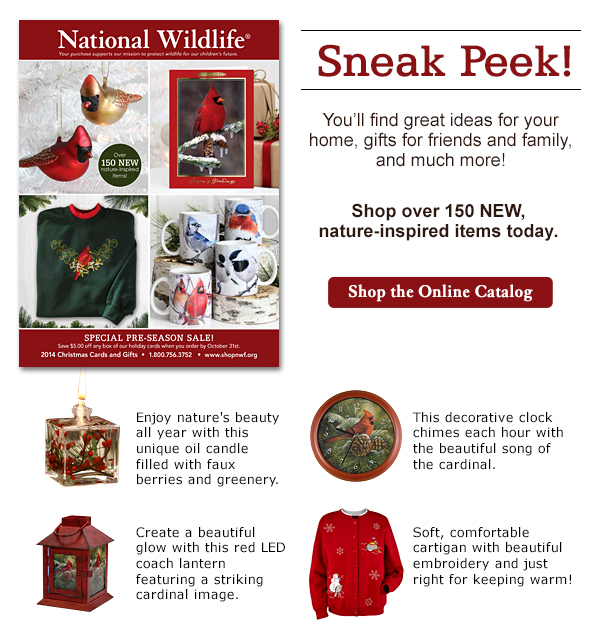

The National Wildlife Federation

The National Wildlife Federation


National Wildlife Federation

National Wildlife® Magazine National Wildlife Federation

ShopNWF Wildlife Inspired Gifts Home Decor Holiday Cards
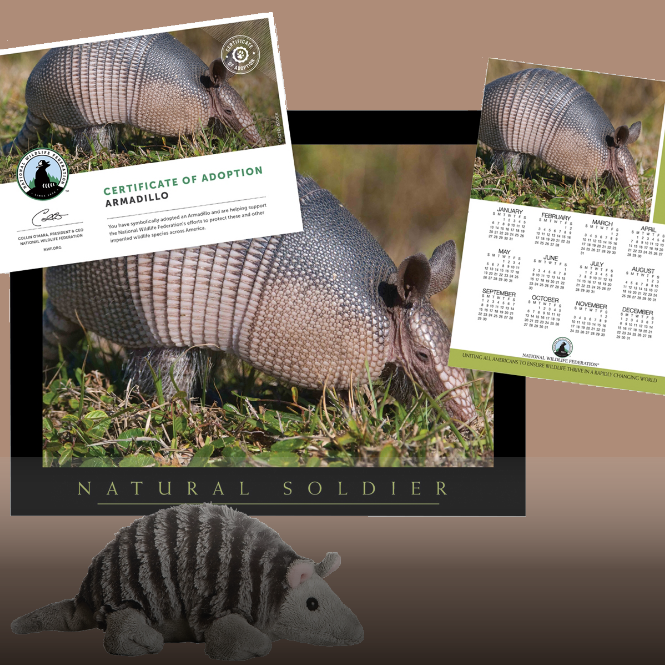
The National Wildlife Federation

Introducing the Garden for Wildlife Gift Guide Catalog The National
Introducing the Garden for Wildlife Gift Guide Catalog The National
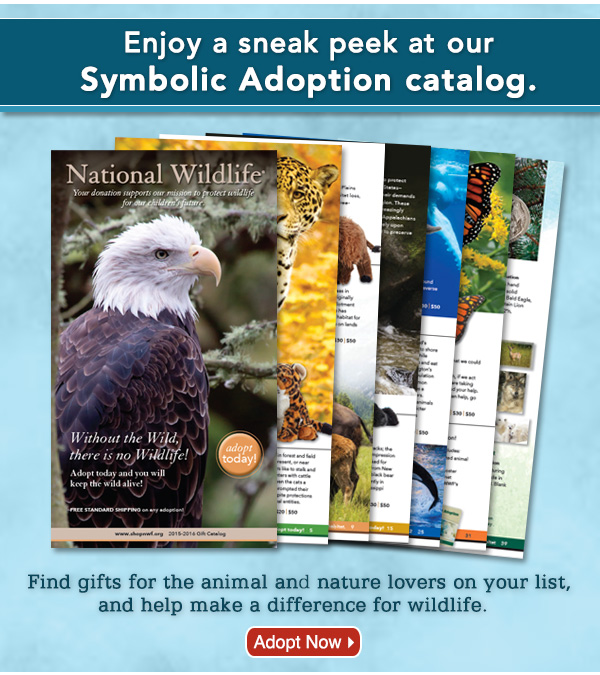
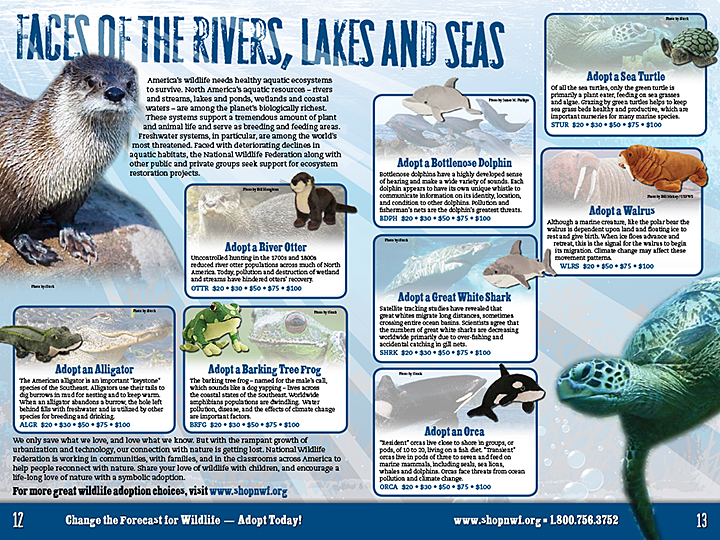
National Wildlife Federation Adoption Catalog 50/50 Design
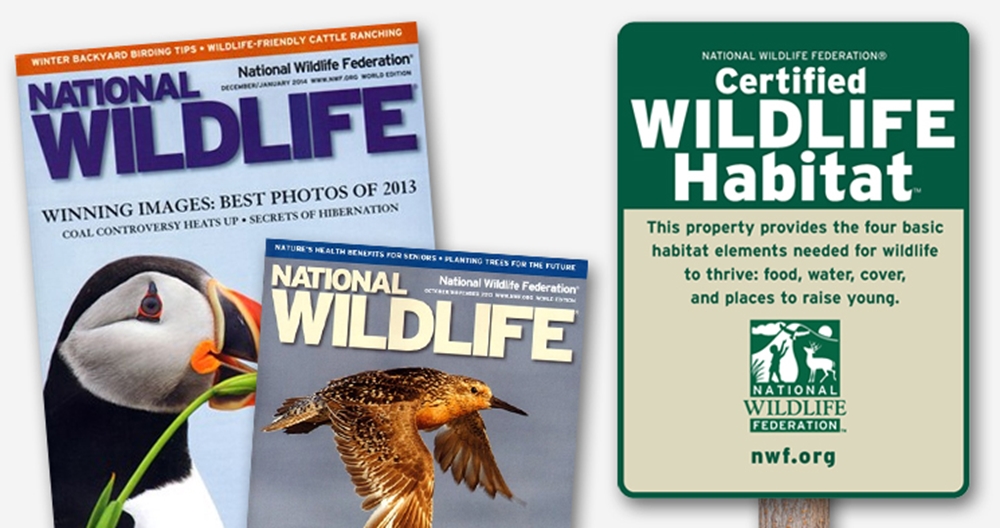
Overview of National Wildlife Federation List Properties

Field Guide to the Insects and Spiders of North America (National
National Wildlife Federation
National Wildlife Federation

Introducing the Garden for Wildlife Gift Guide Catalog The National

Calaméo NWF Backyard Habitat Certification Brochure
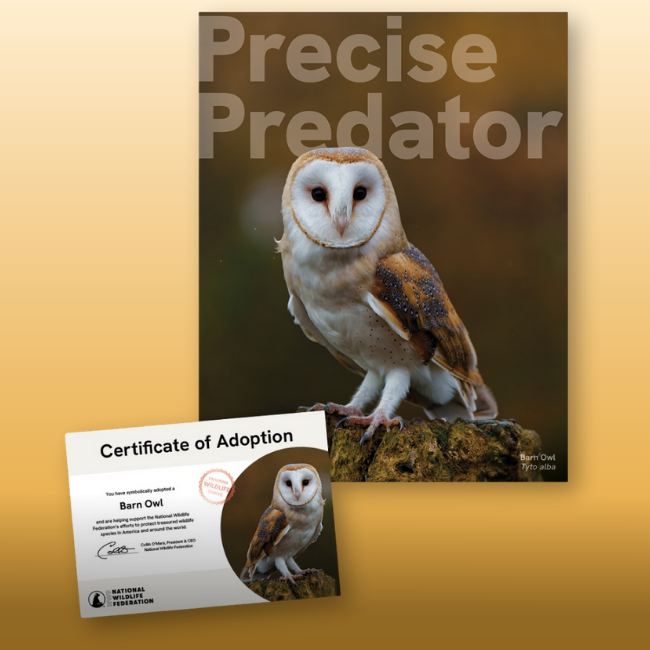
The National Wildlife Federation
National Wildlife® Magazine National Wildlife Federation

The National Wildlife Federation
National Wildlife Federation Attracting Birds, Butterflies, and Other
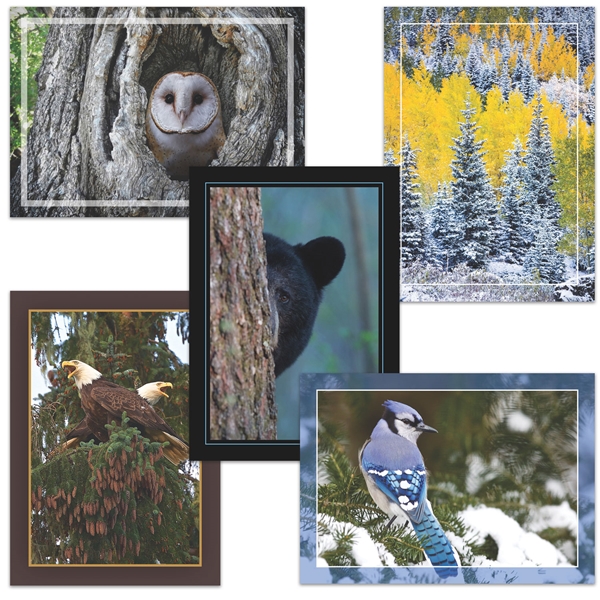
Cards The National Wildlife Federation

Introducing the Garden for Wildlife Gift Guide Catalog The National
Related Post:


