
Lightroom Export Multiple Folders As Catalog
Lightroom Export Multiple Folders As Catalog - My toolbox was growing, and with it, my ability to tell more nuanced and sophisticated stories with data. The page might be dominated by a single, huge, atmospheric, editorial-style photograph. The globalized supply chains that deliver us affordable goods are often predicated on vast inequalities in labor markets. His argument is that every single drop of ink on a page should have a reason for being there, and that reason should be to communicate data. Spreadsheets, too, are a domain where the template thrives. Designers like Josef Müller-Brockmann championed the grid as a tool for creating objective, functional, and universally comprehensible communication. He didn't ask to see my sketches. Without it, even the most brilliant creative ideas will crumble under the weight of real-world logistics. Light Sources: Identify the direction and type of light in your scene. Presentation Templates: Tools like Microsoft PowerPoint and Google Slides offer templates that help create visually appealing and cohesive presentations. There is an ethical dimension to our work that we have a responsibility to consider. The object itself is often beautiful, printed on thick, matte paper with a tactile quality. There is also the cost of the user's time—the time spent searching for the right printable, sifting through countless options of varying quality, and the time spent on the printing and preparation process itself. The digital age has shattered this model. The template is no longer a static blueprint created by a human designer; it has become an intelligent, predictive agent, constantly reconfiguring itself in response to your data. The opportunity cost of a life spent pursuing the endless desires stoked by the catalog is a life that could have been focused on other values: on experiences, on community, on learning, on creative expression, on civic engagement. Understanding this grammar gave me a new kind of power. The blank artboard in Adobe InDesign was a symbol of infinite possibility, a terrifying but thrilling expanse where anything could happen. The pairing process is swift and should not take more than a few minutes. Can a chart be beautiful? And if so, what constitutes that beauty? For a purist like Edward Tufte, the beauty of a chart lies in its clarity, its efficiency, and its information density. It is the belief that the future can be better than the present, and that we have the power to shape it. The suspension system features MacPherson struts at the front and a multi-link setup at the rear, providing a balance of comfort and handling. In our modern world, the printable chart has found a new and vital role as a haven for focused thought, a tangible anchor in a sea of digital distraction. And through that process of collaborative pressure, they are forged into something stronger. The third shows a perfect linear relationship with one extreme outlier. A thin, black band then shows the catastrophic retreat, its width dwindling to almost nothing as it crosses the same path in reverse. It invites participation. The main costs are platform fees and marketing expenses. To start the hybrid system, ensure the shift lever is in the 'P' (Park) position and press the brake pedal firmly with your right foot. Every choice I make—the chart type, the colors, the scale, the title—is a rhetorical act that shapes how the viewer interprets the information. This could be incredibly valuable for accessibility, or for monitoring complex, real-time data streams. It returns zero results for a reasonable query, it surfaces completely irrelevant products, it feels like arguing with a stubborn and unintelligent machine. They were a call to action. This shift was championed by the brilliant American statistician John Tukey. A thin, black band then shows the catastrophic retreat, its width dwindling to almost nothing as it crosses the same path in reverse. 5 stars could have a devastating impact on sales. The organizational chart, or "org chart," is a cornerstone of business strategy. It includes not only the foundational elements like the grid, typography, and color palette, but also a full inventory of pre-designed and pre-coded UI components: buttons, forms, navigation menus, product cards, and so on. Parallel to this evolution in navigation was a revolution in presentation. The printable, therefore, is not merely a legacy technology; it serves a distinct cognitive and emotional function, offering a sense of control, ownership, and focused engagement that the digital realm can sometimes lack. At its core, a printable chart is a visual tool designed to convey information in an organized and easily understandable way. The photography is high-contrast black and white, shot with an artistic, almost architectural sensibility. The information presented here is accurate at the time of printing, but as we are constantly working to improve our vehicles through continuous development, we reserve the right to change specifications, design, or equipment at any time without notice or obligation. These fundamental steps are the foundation for every safe journey. It is an attempt to give form to the formless, to create a tangible guidepost for decisions that are otherwise governed by the often murky and inconsistent currents of intuition and feeling. The t-shirt design looked like it belonged to a heavy metal band. Furthermore, the modern catalog is an aggressive competitor in the attention economy. These early nautical and celestial charts were tools of survival and exploration, allowing mariners to traverse vast oceans and astronomers to predict celestial events. We had a "shopping cart," a skeuomorphic nod to the real world, but the experience felt nothing like real shopping. The printable template elegantly solves this problem by performing the foundational work of design and organization upfront. A chart can be an invaluable tool for making the intangible world of our feelings tangible, providing a structure for understanding and managing our inner states. However, another school of thought, championed by contemporary designers like Giorgia Lupi and the "data humanism" movement, argues for a different kind of beauty. It is a bridge between our increasingly digital lives and our persistent need for tangible, physical tools. The most enduring of these creative blueprints are the archetypal stories that resonate across cultures and millennia. Once your seat is in the correct position, you should adjust the steering wheel. Many products today are designed with a limited lifespan, built to fail after a certain period of time to encourage the consumer to purchase the latest model. What I've come to realize is that behind every great design manual or robust design system lies an immense amount of unseen labor. We don't have to consciously think about how to read the page; the template has done the work for us, allowing us to focus our mental energy on evaluating the content itself. This is the template evolving from a simple layout guide into an intelligent and dynamic system for content presentation. It was a tool designed for creating static images, and so much of early web design looked like a static print layout that had been put online. The first real breakthrough in my understanding was the realization that data visualization is a language. Sometimes that might be a simple, elegant sparkline. They are the first clues, the starting points that narrow the infinite universe of possibilities down to a manageable and fertile creative territory. It means learning the principles of typography, color theory, composition, and usability not as a set of rigid rules, but as a language that allows you to articulate your reasoning and connect your creative choices directly to the project's goals. This system is the single source of truth for an entire product team. The catalog's purpose was to educate its audience, to make the case for this new and radical aesthetic. The website template, or theme, is essentially a set of instructions that tells the server how to retrieve the content from the database and arrange it on a page when a user requests it. It is a mirror. The second and third-row seats can be folded flat to create a vast, continuous cargo area for transporting larger items. When you fill out a printable chart, you are not passively consuming information; you are actively generating it, reframing it in your own words and handwriting. This exploration into the world of the printable template reveals a powerful intersection of design, technology, and the enduring human need to interact with our tasks in a physical, hands-on manner. That imposing piece of wooden furniture, with its countless small drawers, was an intricate, three-dimensional database. Personal Projects and Hobbies The Industrial Revolution brought significant changes to the world of knitting. A second critical principle, famously advocated by data visualization expert Edward Tufte, is to maximize the "data-ink ratio". Origins and Historical Journey The Role of Gratitude Journaling Home and Personal Use Business Crochet also fosters a sense of community. 67 However, for tasks that demand deep focus, creative ideation, or personal commitment, the printable chart remains superior. This makes the chart a simple yet sophisticated tool for behavioral engineering. Professional design is an act of service. It invites participation. It was also in this era that the chart proved itself to be a powerful tool for social reform.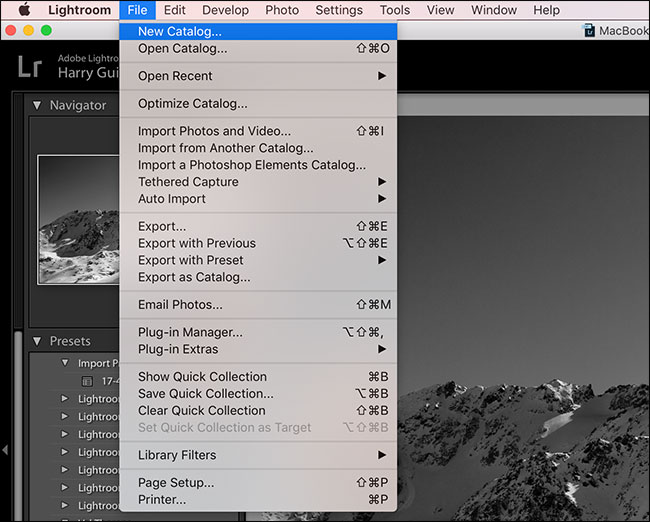
How to Create a New Catalog in Lightroom

How to export multiple photos in Lightroom huge time saver!
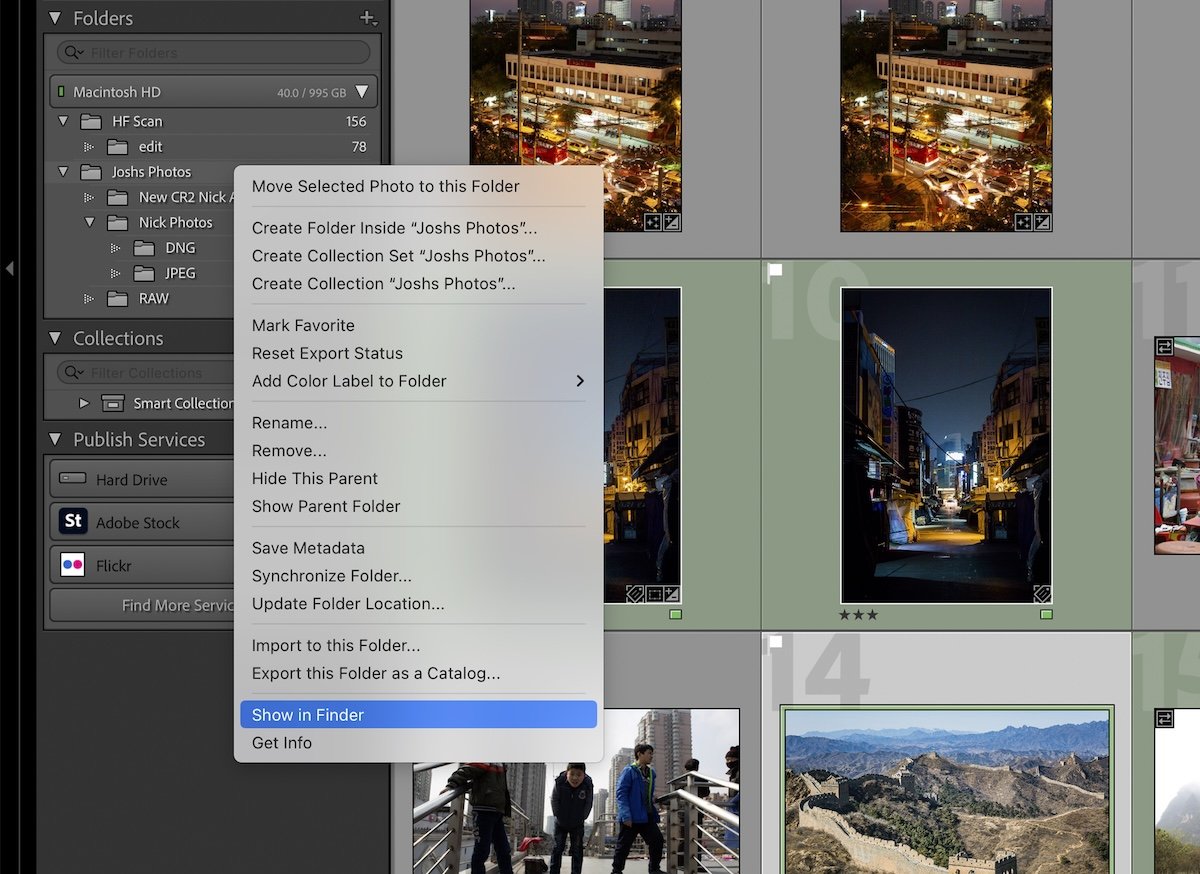
How to Easily Transfer a Lightroom Catalog to a New Computer
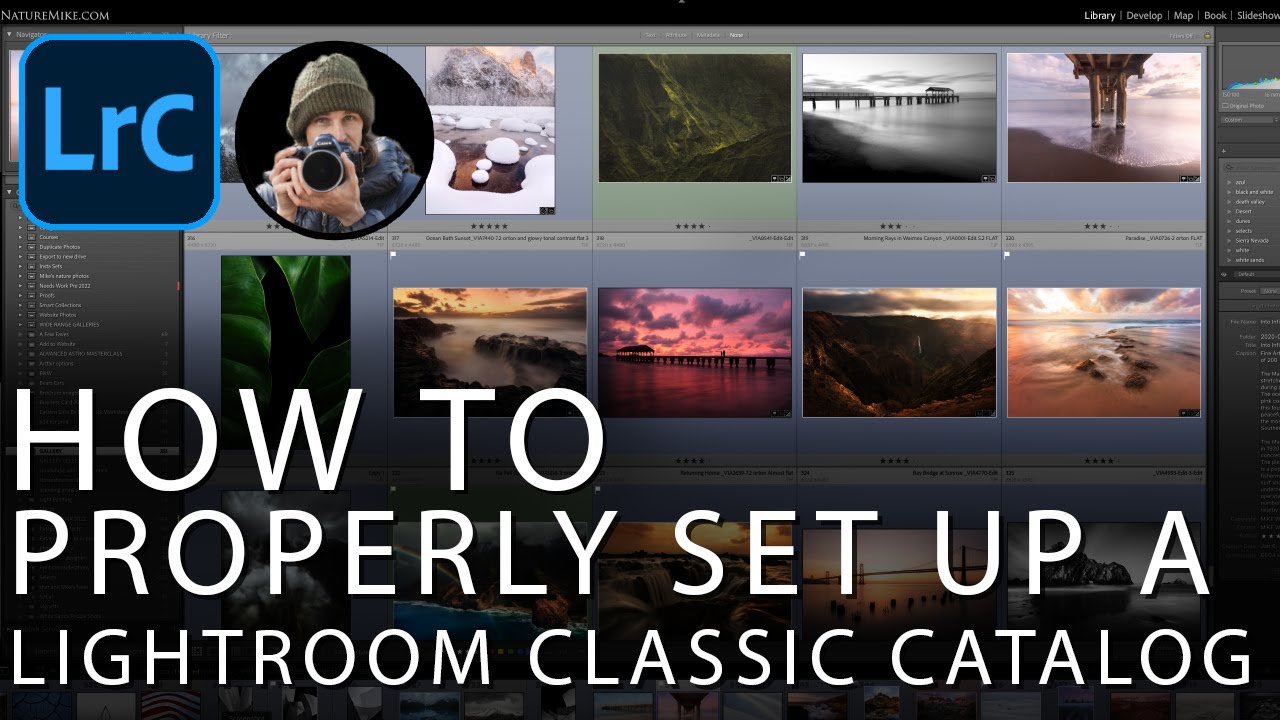
How to Properly Set up a Lightroom Classic Catalog YouTube

How To Combine Multiple Lightroom Classic Catalogs Into One YouTube
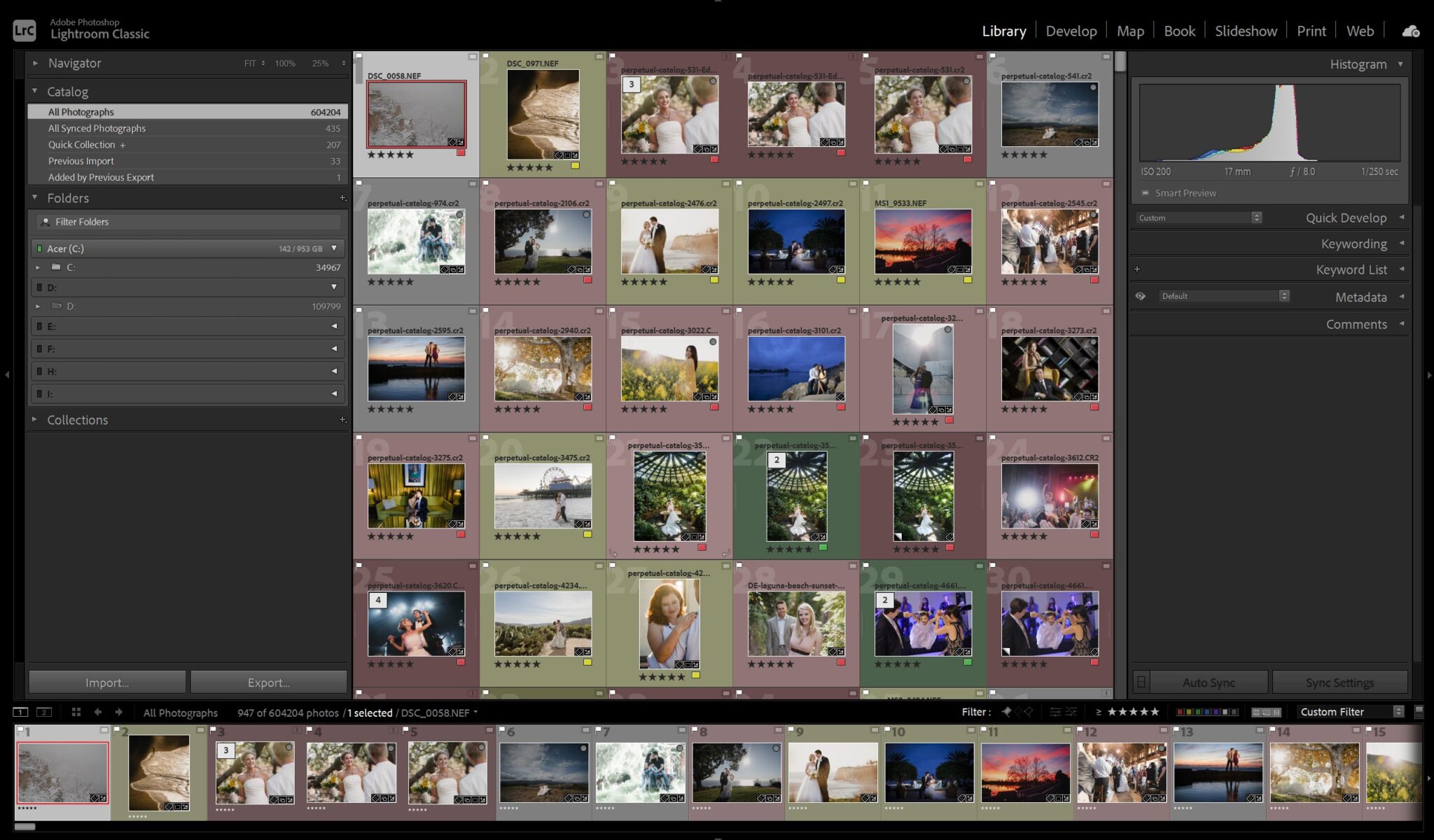
Lightroom Catalog Management Single VS Multiple Catalogs

Understanding Lightroom Catalogs Michael Rung Photography

The Lightroom catalog Digital Photography Review
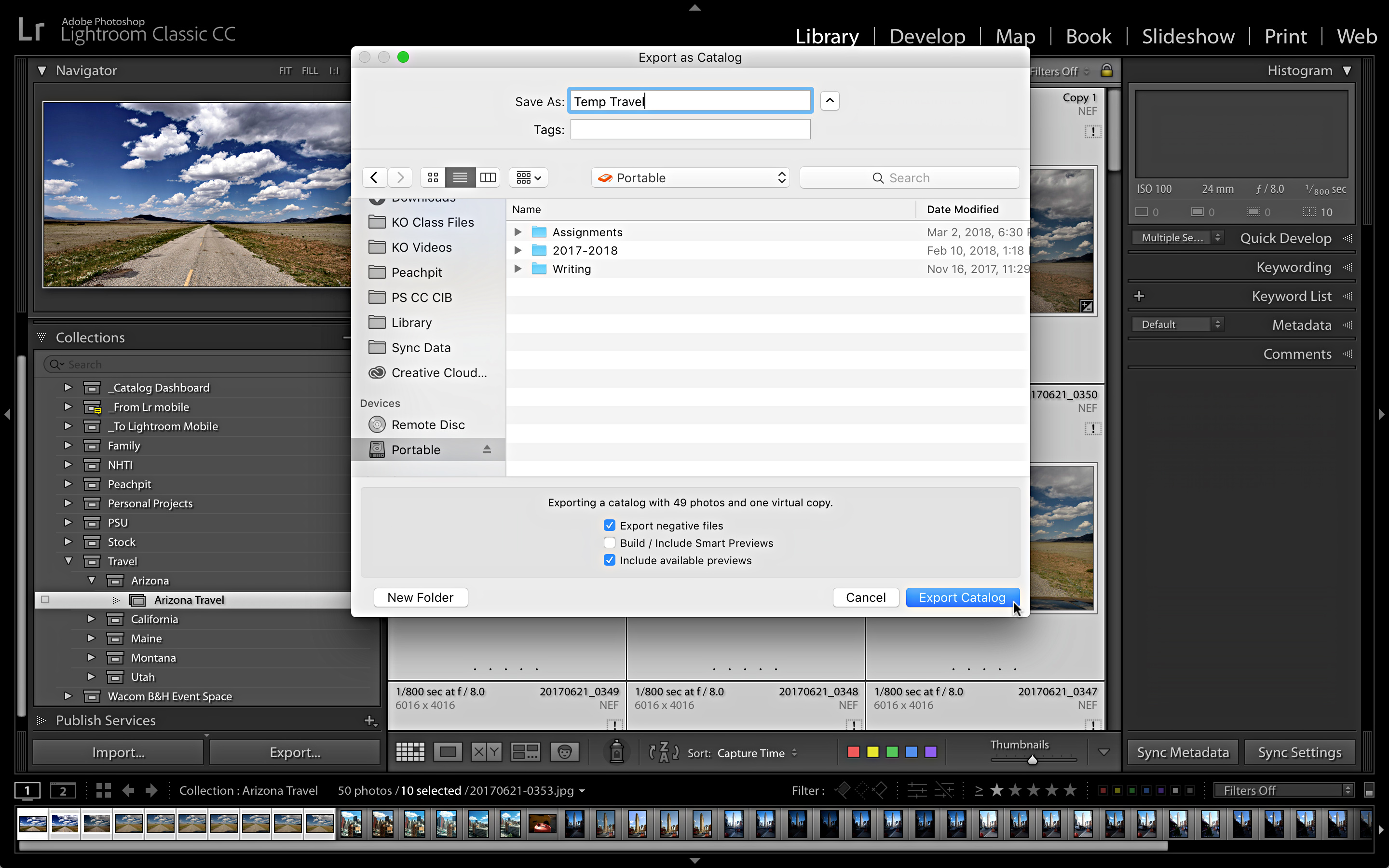
Exporting and Importing a Classic Catalog Lightroom Killer Tips

How to easily set up and use Lightroom export presets
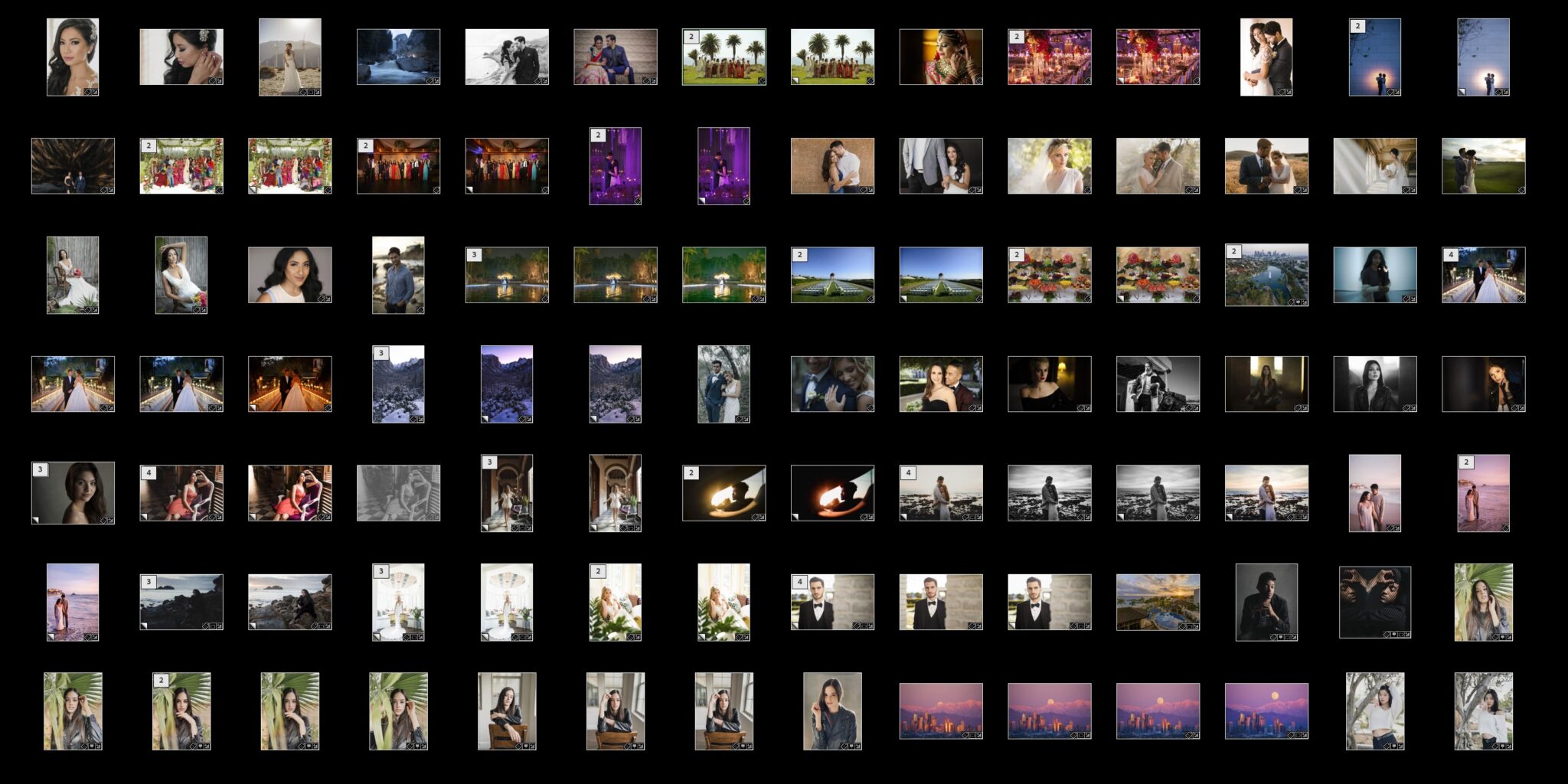
Lightroom Catalog Management Single VS Multiple Catalogs
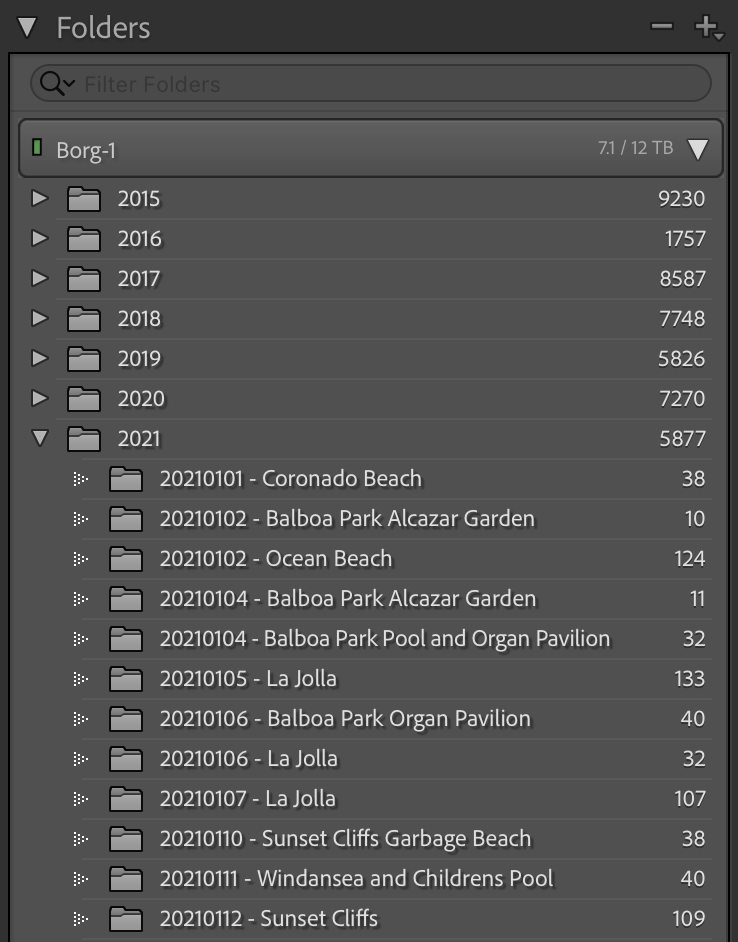
How to Organize Your Photos (Lightroom Catalog) Stephen Bay's
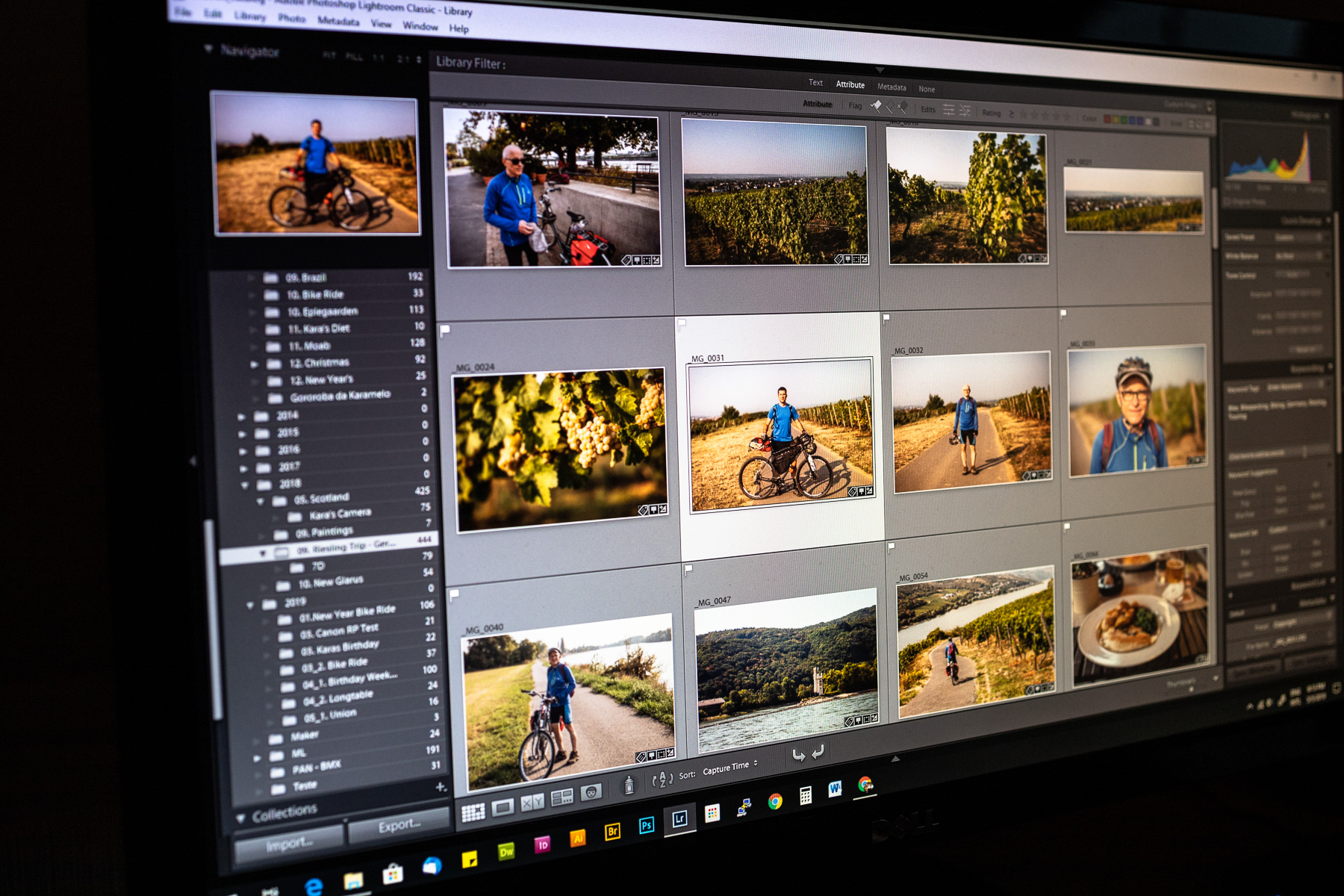
How to Search Multiple Lightroom Catalogs at Once {DPHacks}
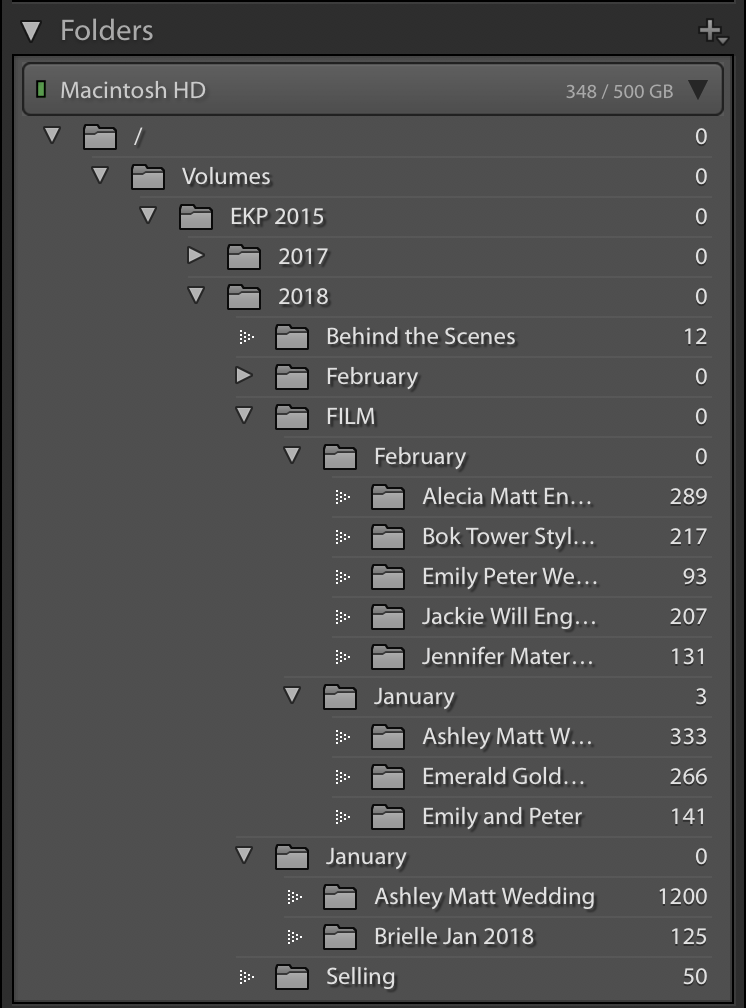
What's the Difference Between a Lightroom Catalog, Folder, and
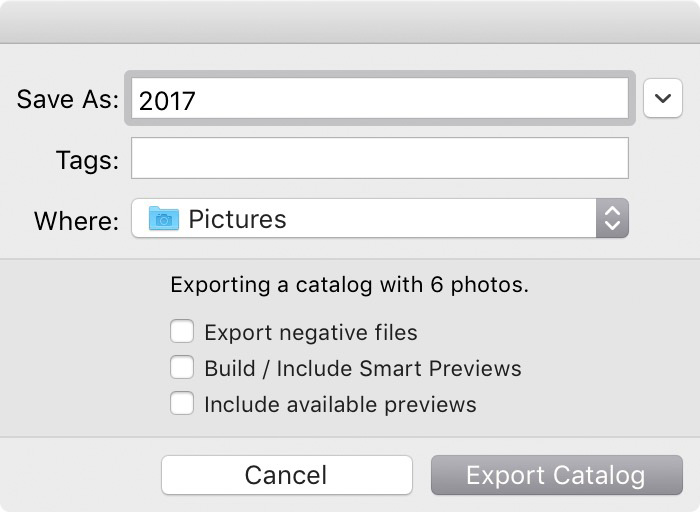
Get your Lightroom Catalog into Capture One Photo Editing Tutorials
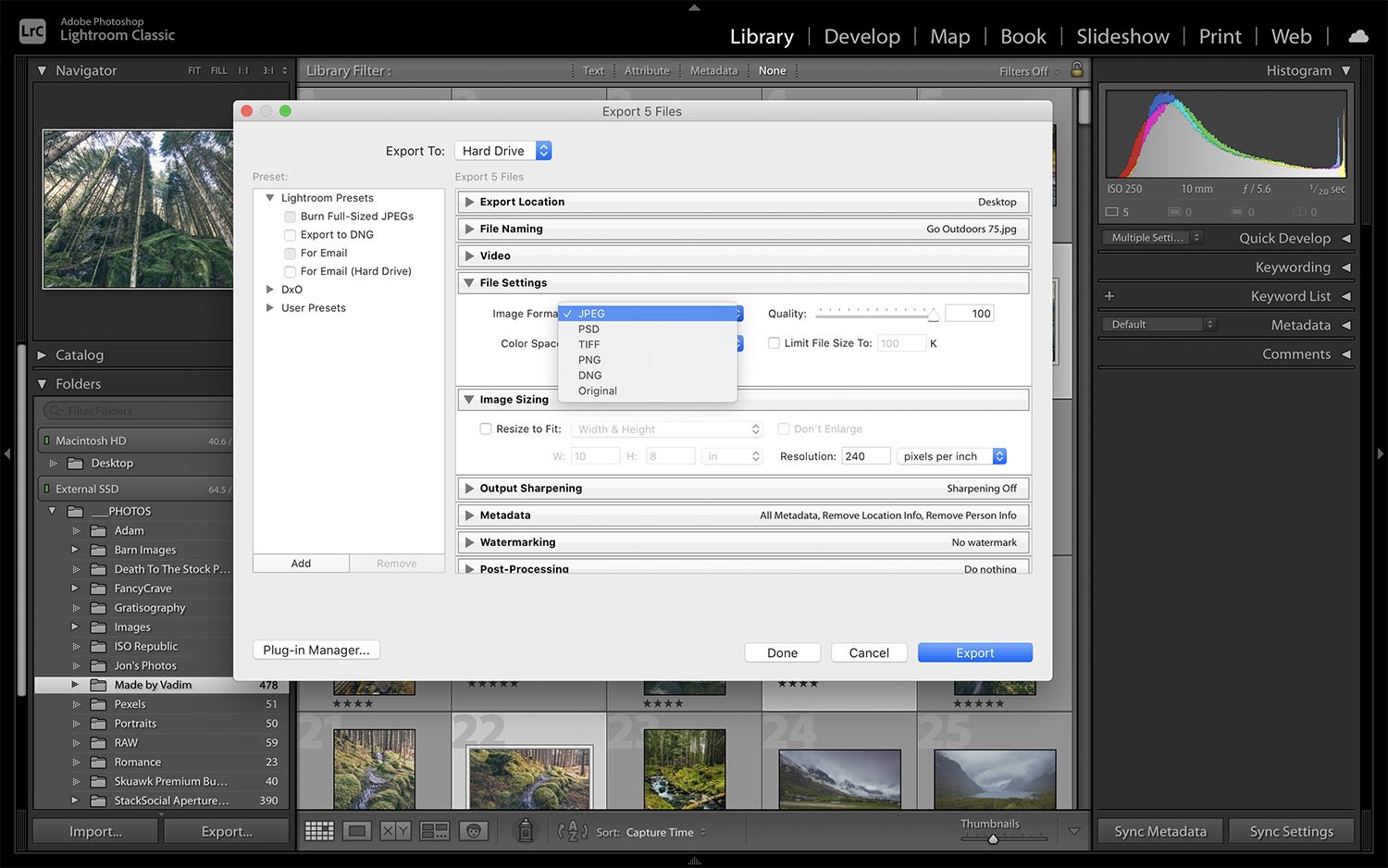
Everything You Need to Know About Exporting Images from Lightroom

How to Export Catalog in Lightroom YouTube

How to Export Lightroom Presets (Adobe Lightroom Classic)

How To Export Multiple Photos From Lightroom (StepbyStep) Brendan
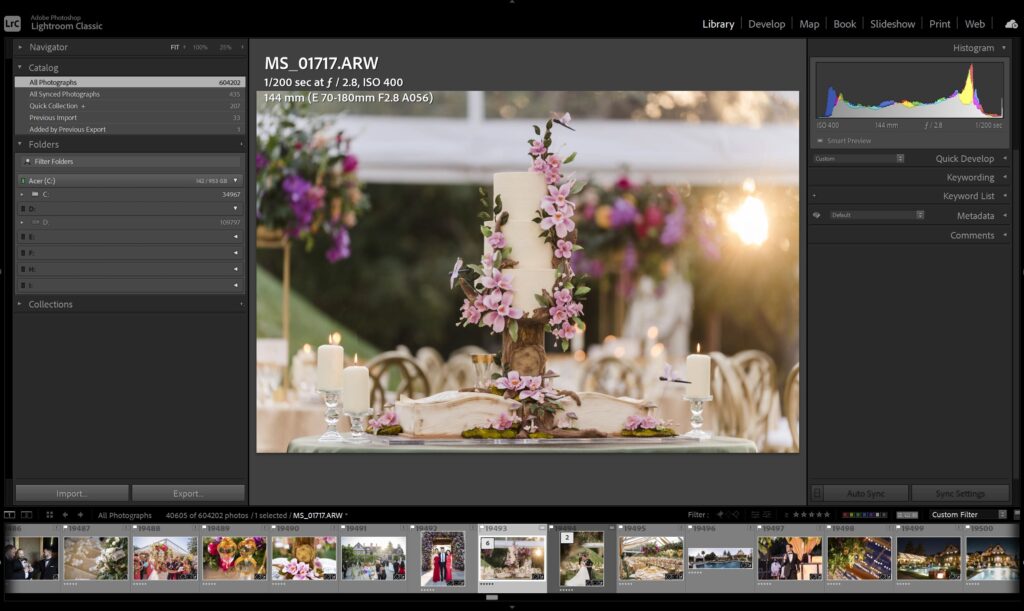
Lightroom Catalog Management Single VS Multiple Catalogs

How to Export Photos from Lightroom
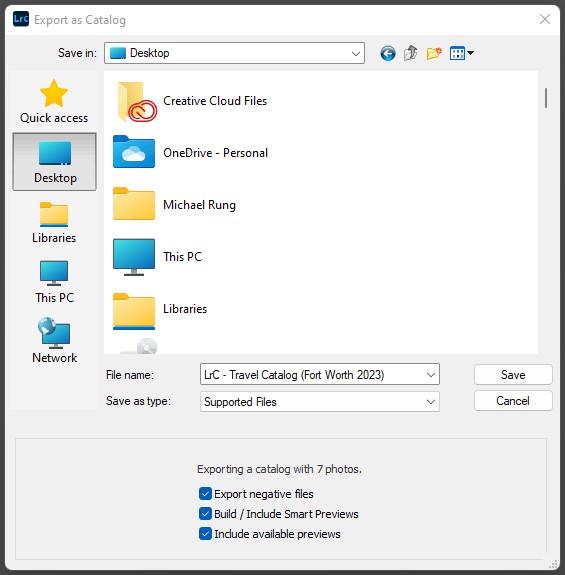
Understanding Lightroom Catalogs Michael Rung Photography
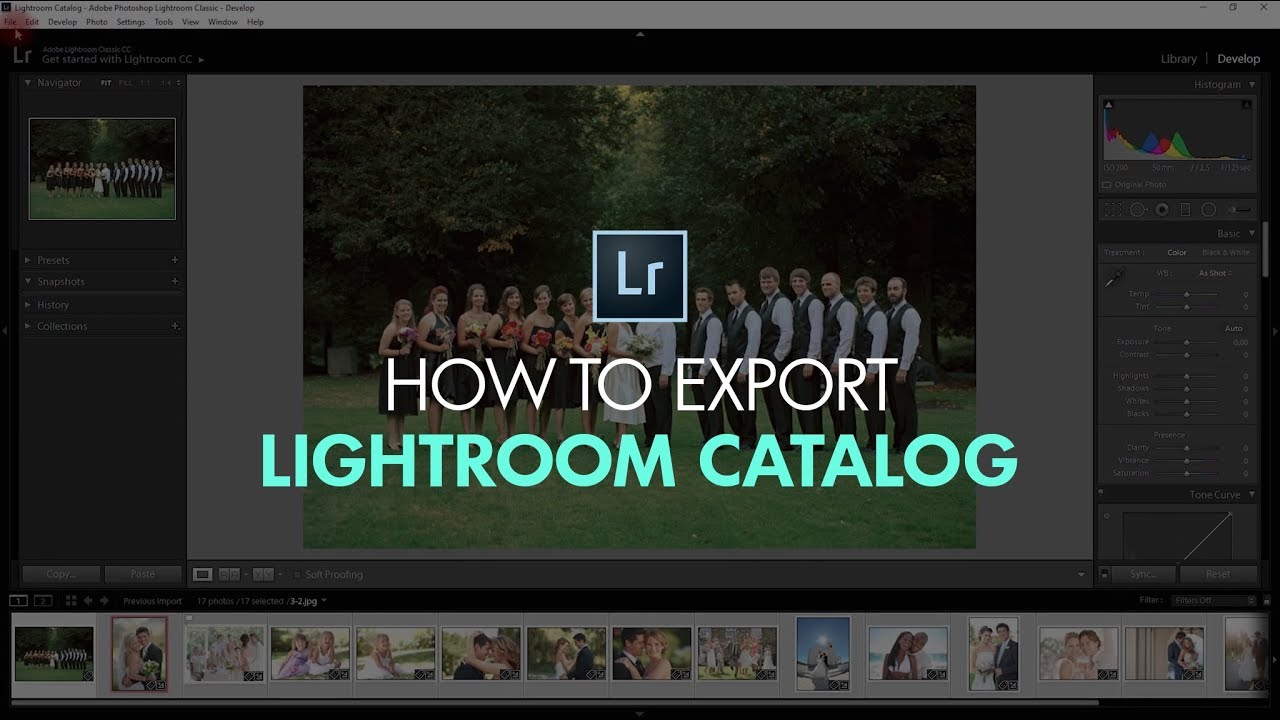
How to Export Lightroom Catalog YouTube

Lightroom Export Settings You Need to Know Photography Project

How to easily set up and use Lightroom export presets

How to Backup Your Lightroom Catalog ShootDotEdit
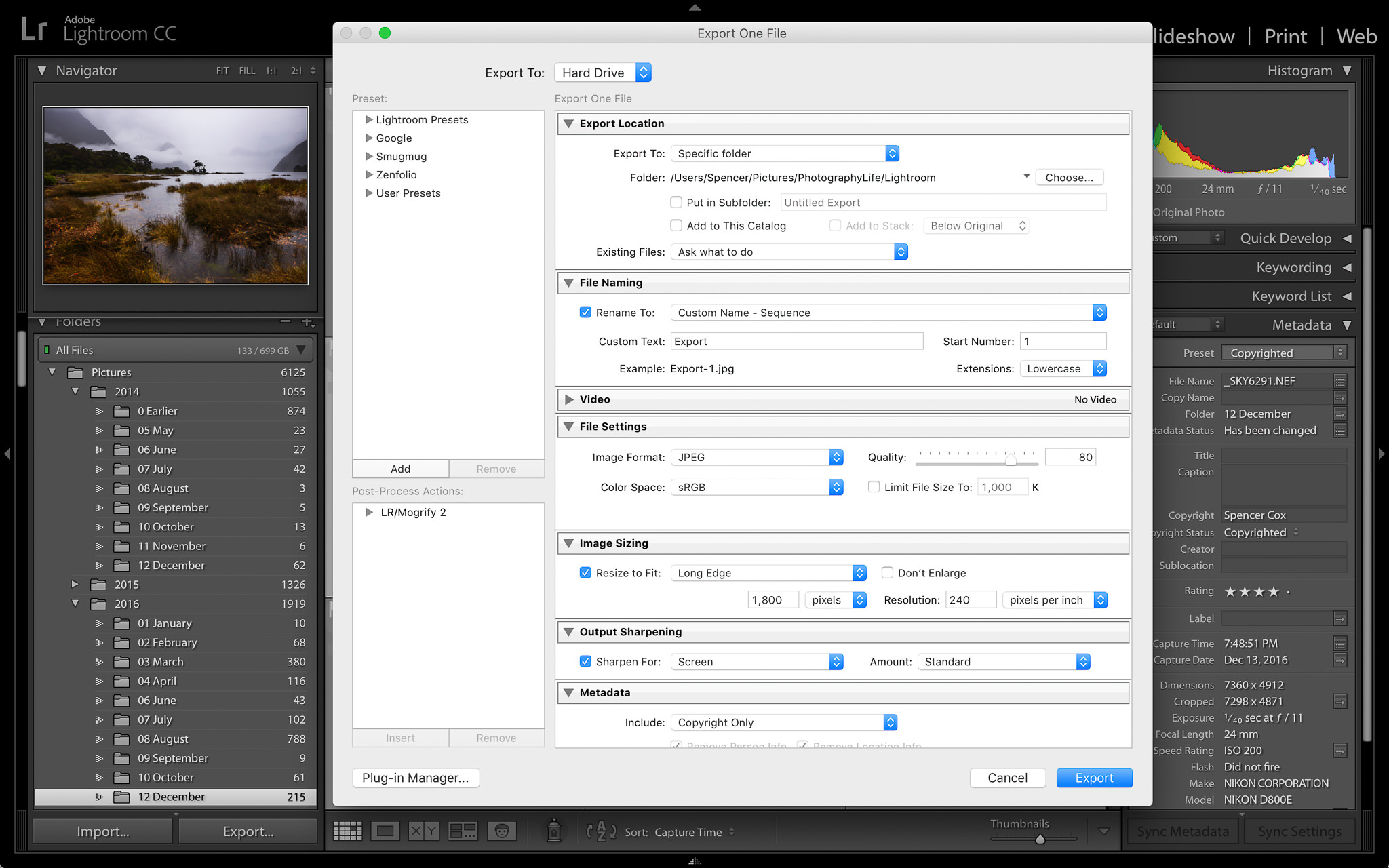
How to Use Lightroom Classic A Complete Tutorial for Beginners

Create a New Catalog in Lightroom Classic CC Instructions
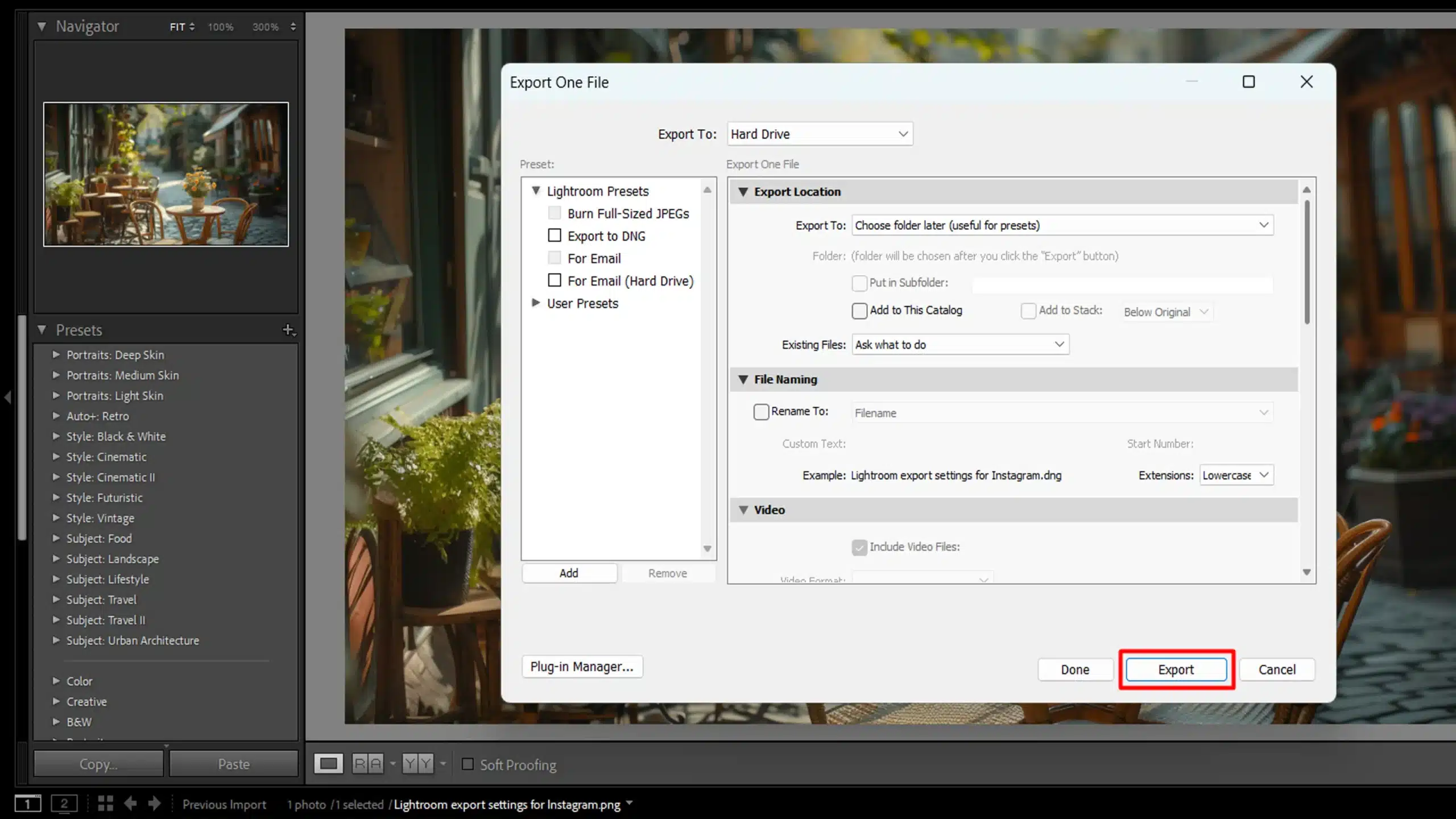
Lightroom Export Settings A Complete Guide for Perfect Photos
Speed up your Lightroom export! ProImageEditors.eu
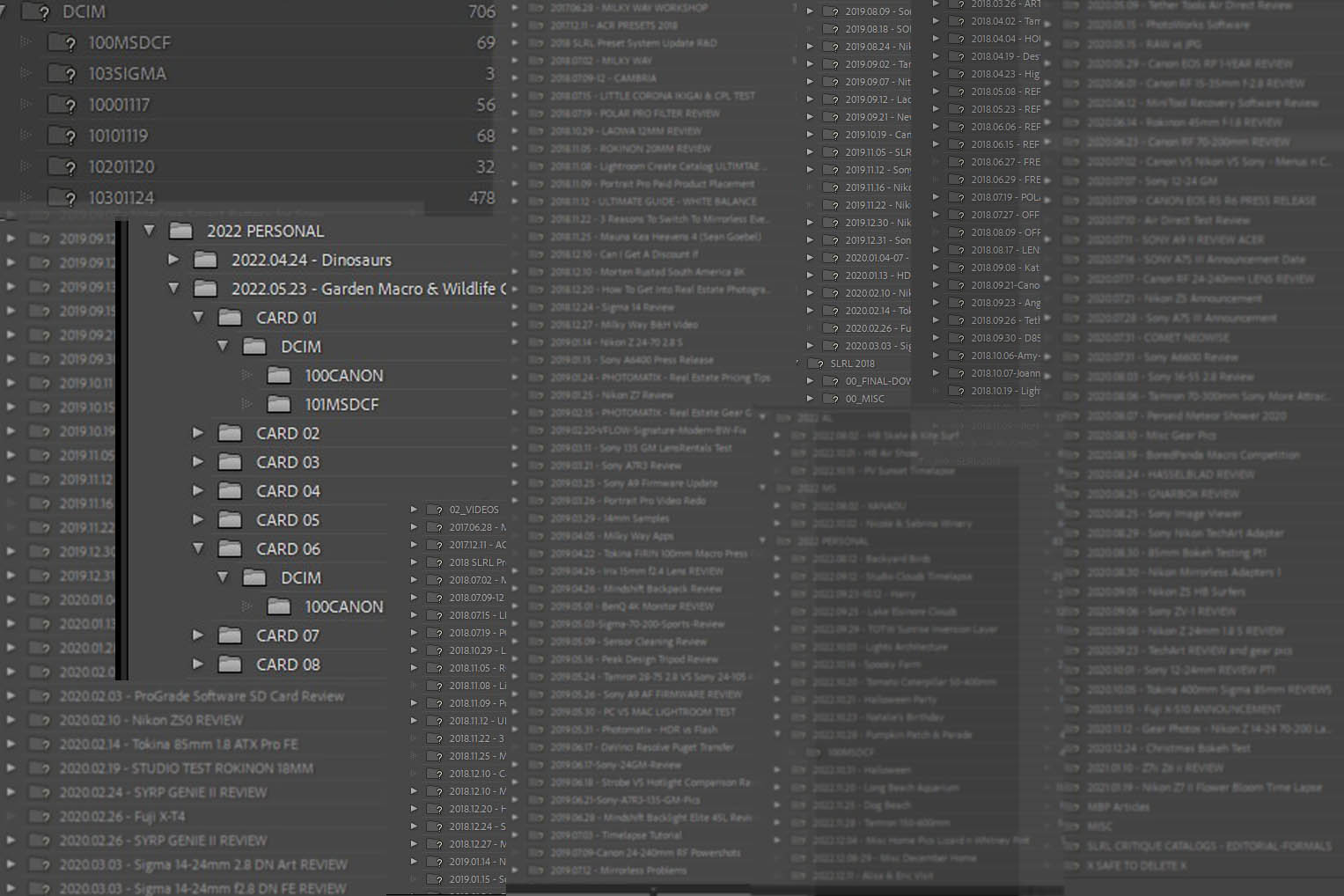
Lightroom Catalog Management Single VS Multiple Catalogs

share a lightroom catalog with two computers Ric Latham Photography
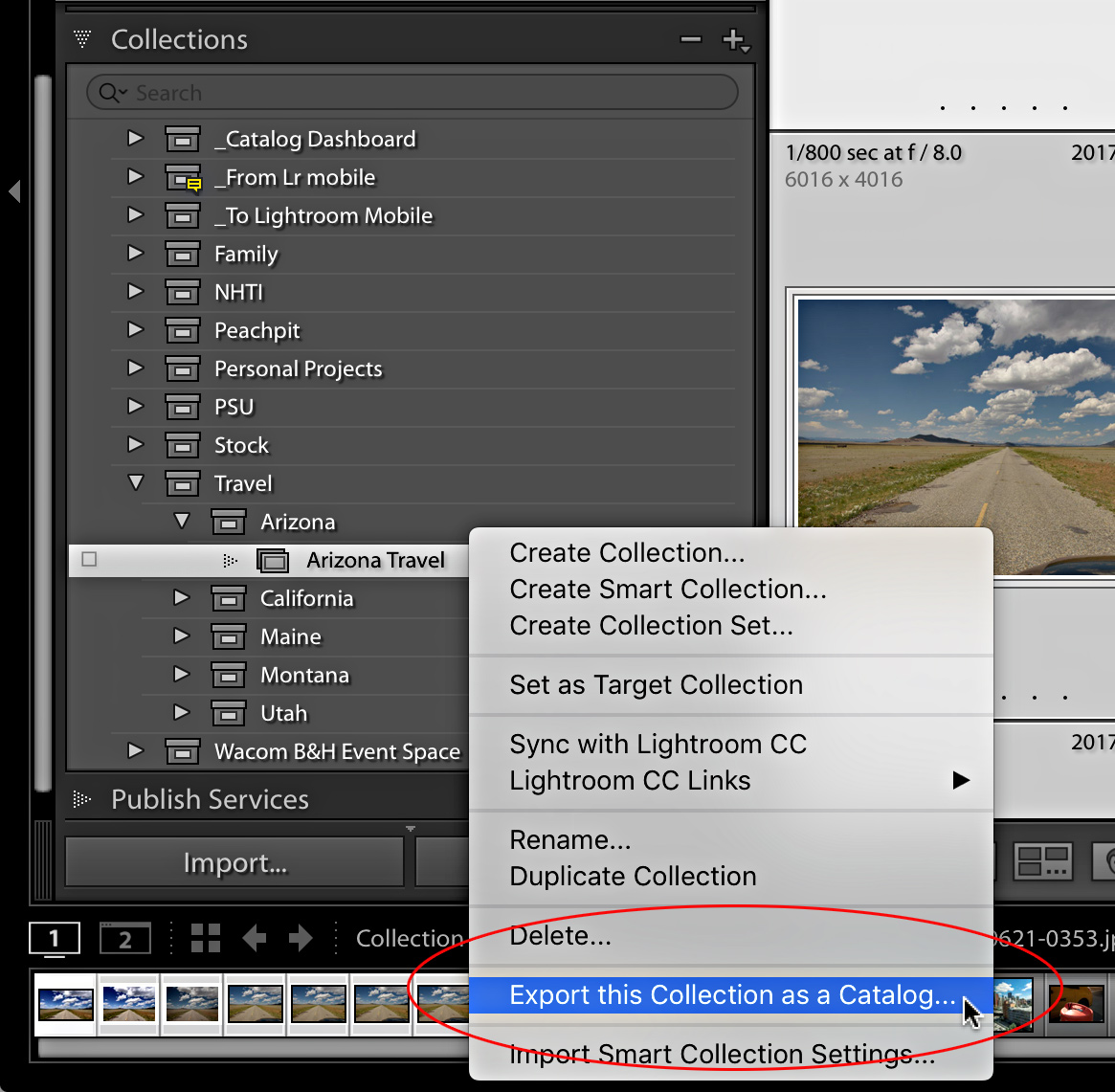
Exporting and Importing a Classic Catalog Lightroom Killer Tips

How to Backup Your Lightroom Catalog ShootDotEdit
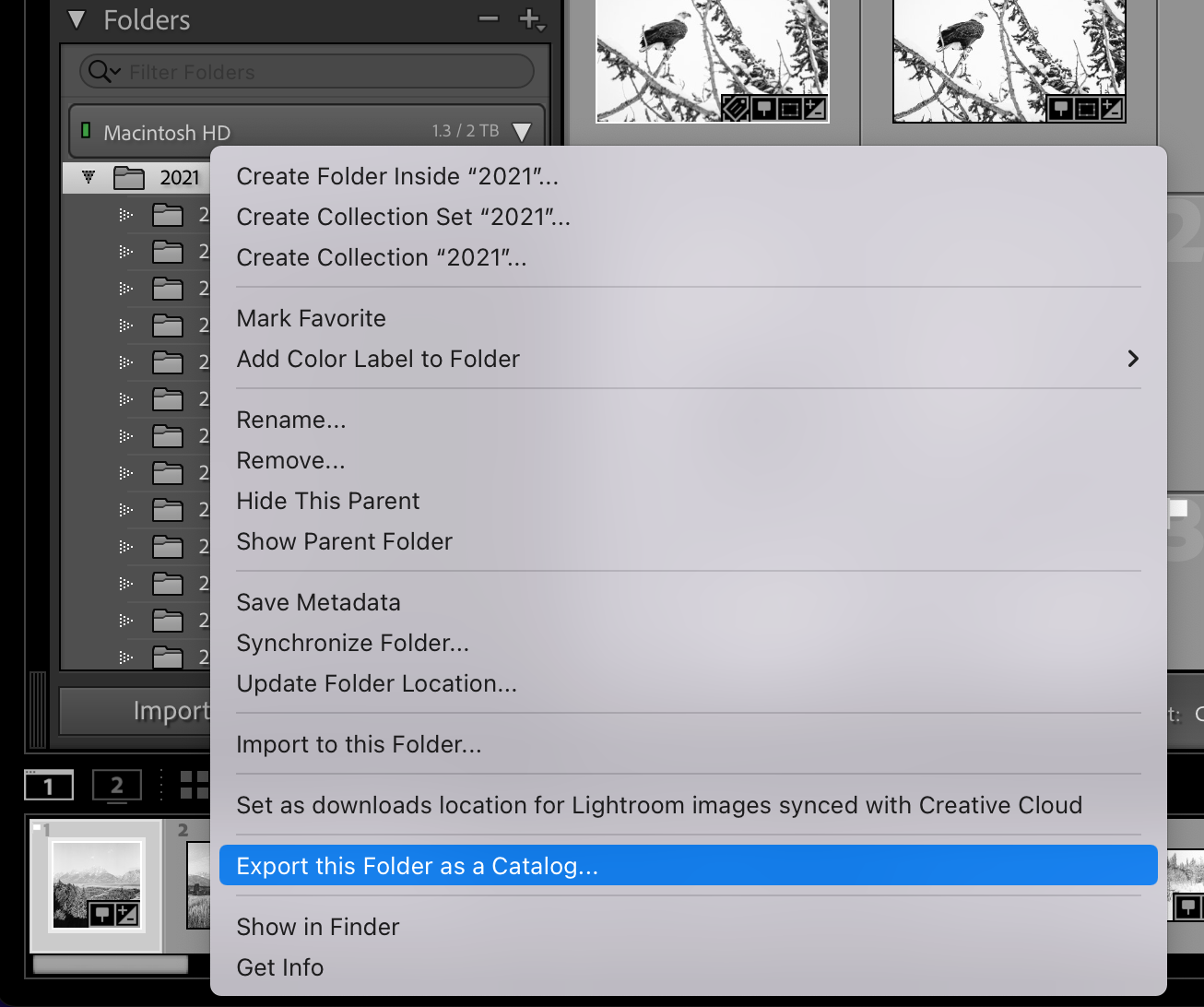
How I back up my Lightroom catalogs · Blog · Guillermo Esteves
Related Post: