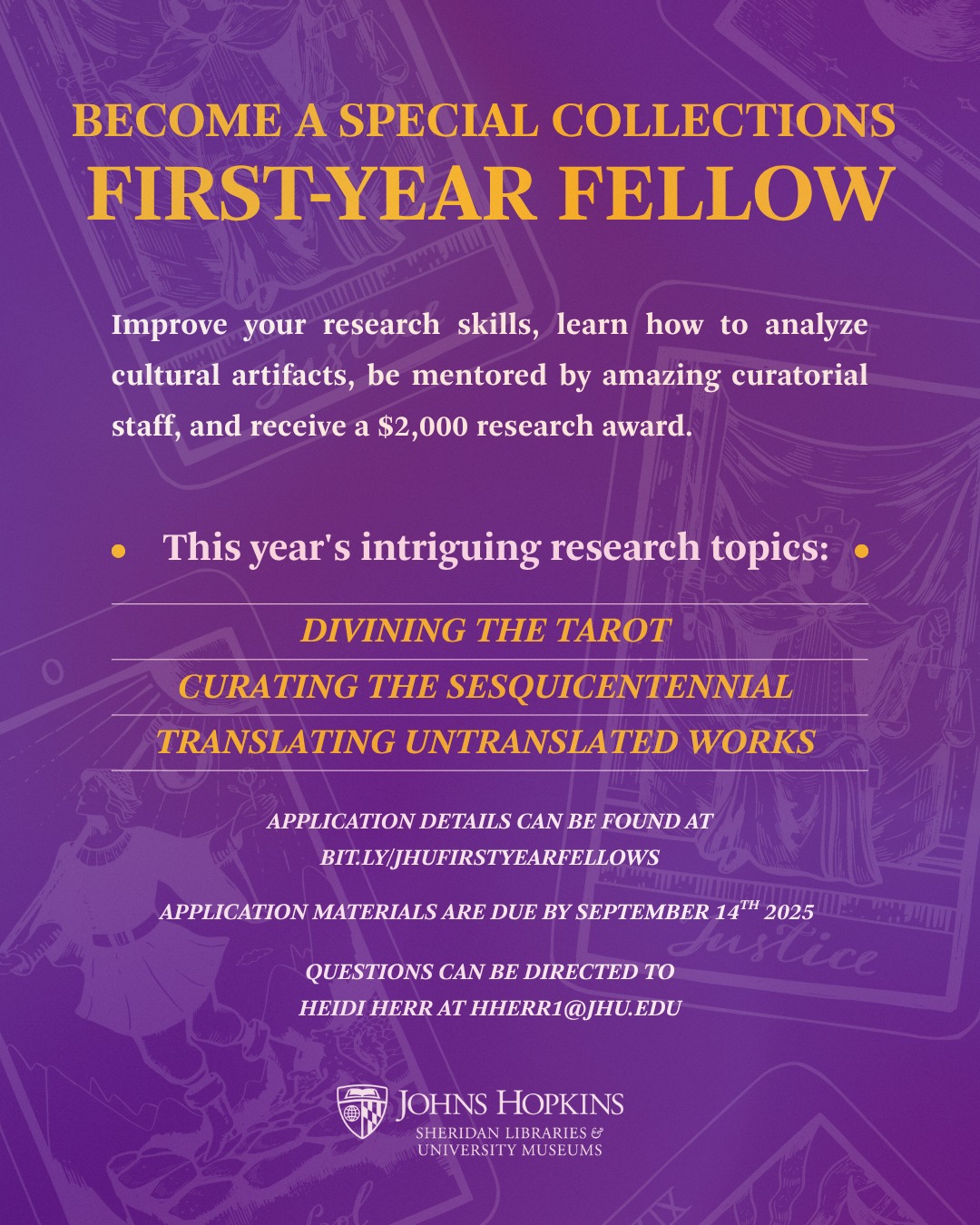
Johns Hopkins University Sheridan Libraries Catalog
Johns Hopkins University Sheridan Libraries Catalog - Doing so frees up the brain's limited cognitive resources for germane load, which is the productive mental effort used for actual learning, schema construction, and gaining insight from the data. For this, a more immediate visual language is required, and it is here that graphical forms of comparison charts find their true purpose. His philosophy is a form of design minimalism, a relentless pursuit of stripping away everything that is not essential until only the clear, beautiful truth of the data remains. In the vast digital expanse that defines our modern era, the concept of the "printable" stands as a crucial and enduring bridge between the intangible world of data and the solid, tactile reality of our physical lives. The feedback gathered from testing then informs the next iteration of the design, leading to a cycle of refinement that gradually converges on a robust and elegant solution. How does a person move through a physical space? How does light and shadow make them feel? These same questions can be applied to designing a website. But once they have found a story, their task changes. We can show a boarding pass on our phone, sign a contract with a digital signature, and read a book on an e-reader. Escher's work often features impossible constructions and interlocking shapes, challenging our understanding of space and perspective. It forces one to confront contradictions in their own behavior and to make conscious choices about what truly matters. This requires technical knowledge, patience, and a relentless attention to detail. The science of perception provides the theoretical underpinning for the best practices that have evolved over centuries of chart design. As 3D printing becomes more accessible, printable images are expanding beyond two dimensions. It demonstrates a mature understanding that the journey is more important than the destination. The designer is not the hero of the story; they are the facilitator, the translator, the problem-solver. The canvas is dynamic, interactive, and connected. It was the start of my journey to understand that a chart isn't just a container for numbers; it's an idea. It is the silent architecture of the past that provides the foundational grid upon which the present is constructed, a force that we trace, follow, and sometimes struggle against, often without ever fully perceiving its presence. To start, fill the planter basin with water up to the indicated maximum fill line. The implications of this technology are staggering. Users wanted more. As mentioned, many of the most professionally designed printables require an email address for access. Perhaps the most important process for me, however, has been learning to think with my hands. This sample is a radically different kind of artifact. In conclusion, the concept of the printable is a dynamic and essential element of our modern information society. These manuals were created by designers who saw themselves as architects of information, building systems that could help people navigate the world, both literally and figuratively. However, you can easily customize the light schedule through the app to accommodate the specific needs of more exotic or light-sensitive plants. The catalog you see is created for you, and you alone. It's a puzzle box. Presentation templates aid in the creation of engaging and informative lectures. For cloth seats, use a dedicated fabric cleaner to treat any spots or stains. By regularly reflecting on these aspects, individuals can gain a deeper understanding of what truly matters to them, aligning their actions with their core values. We are drawn to symmetry, captivated by color, and comforted by texture. 31 This visible evidence of progress is a powerful motivator. But a treemap, which uses the area of nested rectangles to represent the hierarchy, is a perfect tool. The journey of the printable, from the first mechanically reproduced texts to the complex three-dimensional objects emerging from modern machines, is a story about the democratization of information, the persistence of the physical in a digital age, and the ever-expanding power of humanity to manifest its imagination. The catalog is no longer a static map of a store's inventory; it has become a dynamic, intelligent, and deeply personal mirror, reflecting your own past behavior back at you. " This became a guiding principle for interactive chart design. Use this manual in conjunction with those resources. These systems work in the background to help prevent accidents and mitigate the severity of a collision should one occur. It’s not a linear path from A to B but a cyclical loop of creating, testing, and refining. From enhancing business operations to simplifying personal projects, online templates have become indispensable tools. If you encounter resistance, re-evaluate your approach and consult the relevant section of this manual. So, where does the catalog sample go from here? What might a sample of a future catalog look like? Perhaps it is not a visual artifact at all. The goal is to create a guided experience, to take the viewer by the hand and walk them through the data, ensuring they see the same insight that the designer discovered. Whether practiced by seasoned artists or aspiring novices, drawing continues to inspire, captivate, and connect people across cultures and generations. 30 For educators, the printable chart is a cornerstone of the learning environment. 9 For tasks that require deep focus, behavioral change, and genuine commitment, the perceived inefficiency of a physical chart is precisely what makes it so effective. Early digital creators shared simple designs for free on blogs. Patterns are not merely visual phenomena; they also have profound cultural and psychological impacts. It is the fundamental unit of information in the universe of the catalog, the distillation of a thousand complex realities into a single, digestible, and deceptively simple figure. 49 This type of chart visually tracks key milestones—such as pounds lost, workouts completed, or miles run—and links them to pre-determined rewards, providing a powerful incentive to stay committed to the journey. Extraneous elements—such as excessive gridlines, unnecessary decorations, or distracting 3D effects, often referred to as "chartjunk"—should be eliminated as they can obscure the information and clutter the visual field. This leap is as conceptually significant as the move from handwritten manuscripts to the printing press. An idea generated in a vacuum might be interesting, but an idea that elegantly solves a complex problem within a tight set of constraints is not just interesting; it’s valuable. These patterns, these templates, are the invisible grammar of our culture. It is a catalog that sells a story, a process, and a deep sense of hope. 74 Common examples of chart junk include unnecessary 3D effects that distort perspective, heavy or dark gridlines that compete with the data, decorative background images, and redundant labels or legends. Things like buttons, navigation menus, form fields, and data tables are designed, built, and coded once, and then they can be used by anyone on the team to assemble new screens and features. The system must be incredibly intelligent at understanding a user's needs and at describing products using only words. Your first step is to remove the caliper. Why this grid structure? Because it creates a clear visual hierarchy that guides the user's eye to the call-to-action, which is the primary business goal of the page. There is a very specific procedure for connecting the jumper cables that must be followed precisely to avoid sparks and potential damage to your vehicle's electrical components. A company might present a comparison chart for its product that conveniently leaves out the one feature where its main competitor excels. They are pushed, pulled, questioned, and broken. That humble file, with its neat boxes and its Latin gibberish, felt like a cage for my ideas, a pre-written ending to a story I hadn't even had the chance to begin. The modern online catalog is often a gateway to services that are presented as "free. Whether it's mastering a new technique, completing a series of drawings, or simply drawing every day, having clear goals keeps you motivated. The sheer variety of items available as free printables is a testament to the creativity of their makers and the breadth of human needs they address. By planning your workout in advance on the chart, you eliminate the mental guesswork and can focus entirely on your performance. Ideas rarely survive first contact with other people unscathed. But the revelation came when I realized that designing the logo was only about twenty percent of the work. Practice drawing from photographs or live models to hone your skills. And it is an act of empathy for the audience, ensuring that their experience with a brand, no matter where they encounter it, is coherent, predictable, and clear. This legacy was powerfully advanced in the 19th century by figures like Florence Nightingale, who famously used her "polar area diagram," a form of pie chart, to dramatically illustrate that more soldiers were dying from poor sanitation and disease in hospitals than from wounds on the battlefield. The designer of a mobile banking application must understand the user’s fear of financial insecurity, their need for clarity and trust, and the context in which they might be using the app—perhaps hurriedly, on a crowded train. We spent a day brainstorming, and in our excitement, we failed to establish any real ground rules. It's about building a fictional, but research-based, character who represents your target audience. Every new project brief felt like a test, a demand to produce magic on command. I can see its flaws, its potential.Johns Hopkins Sheridan Libraries Baltimore MD

The Milton S. Eisenhower Library, part of the Johns Hopkins Sheridan

Sheridan Libraries Freshman Fellows Coeducation at Johns Hopkins

Lunch with the Libraries & Museums Adopt a Book Highlights from the
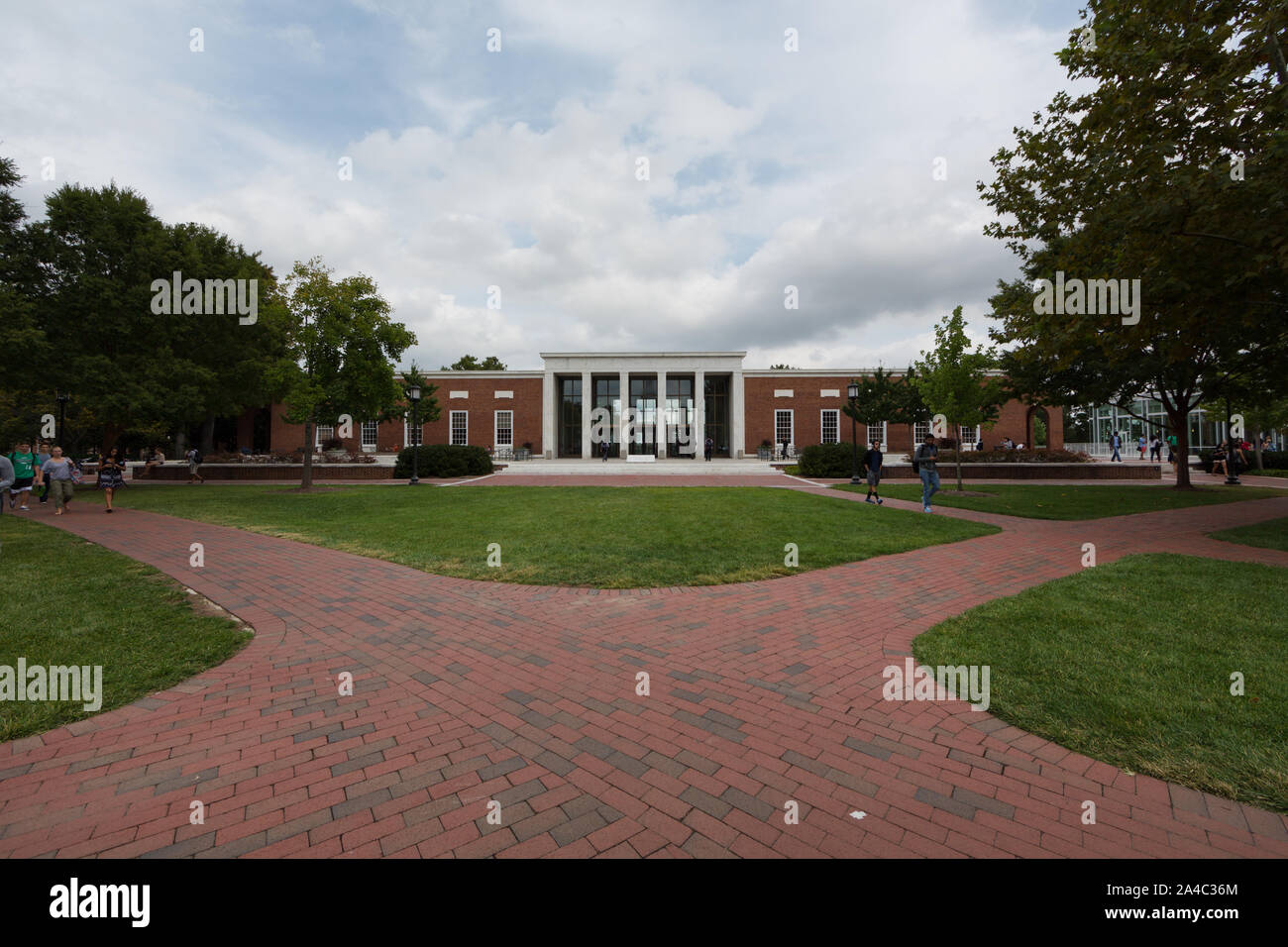
The Milton S. Eisenhower Library, part of the Johns Hopkins Sheridan

Johns Hopkins University Library
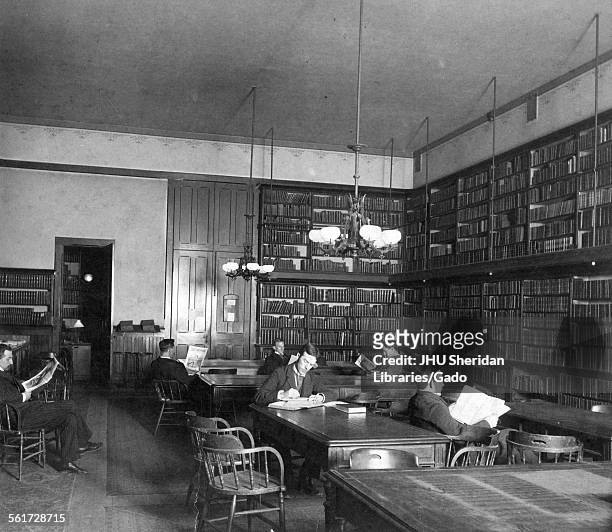
Johns Hopkins Sheridan Libraries Photos and Premium High Res Pictures

The Sheridan Libraries Sheridan Libraries

The Sheridan Libraries Sheridan Libraries
The Sheridan Libraries in collaboration with the American Prison
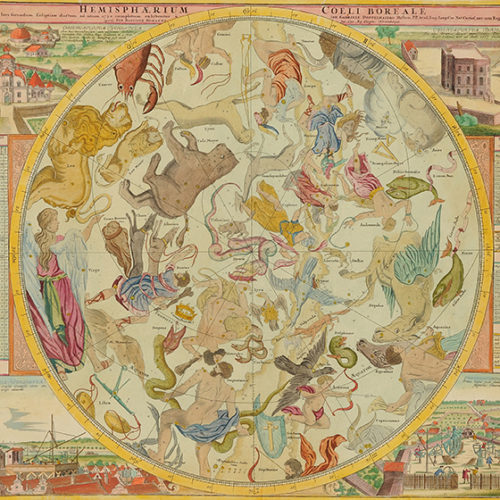
The Sheridan Libraries Sheridan Libraries

The Sheridan Libraries & University Museums Blog News, information
Johns Hopkins Sheridan Libraries Baltimore MD
Johns Hopkins Sheridan Libraries Baltimore MD

Sheridan Libraries and Museums at Johns Hopkins University

Untitled Johns Hopkins Sheridan Libraries Flickr
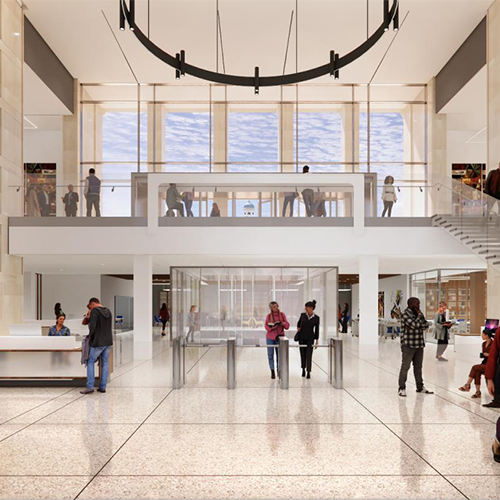
The Sheridan Libraries Sheridan Libraries
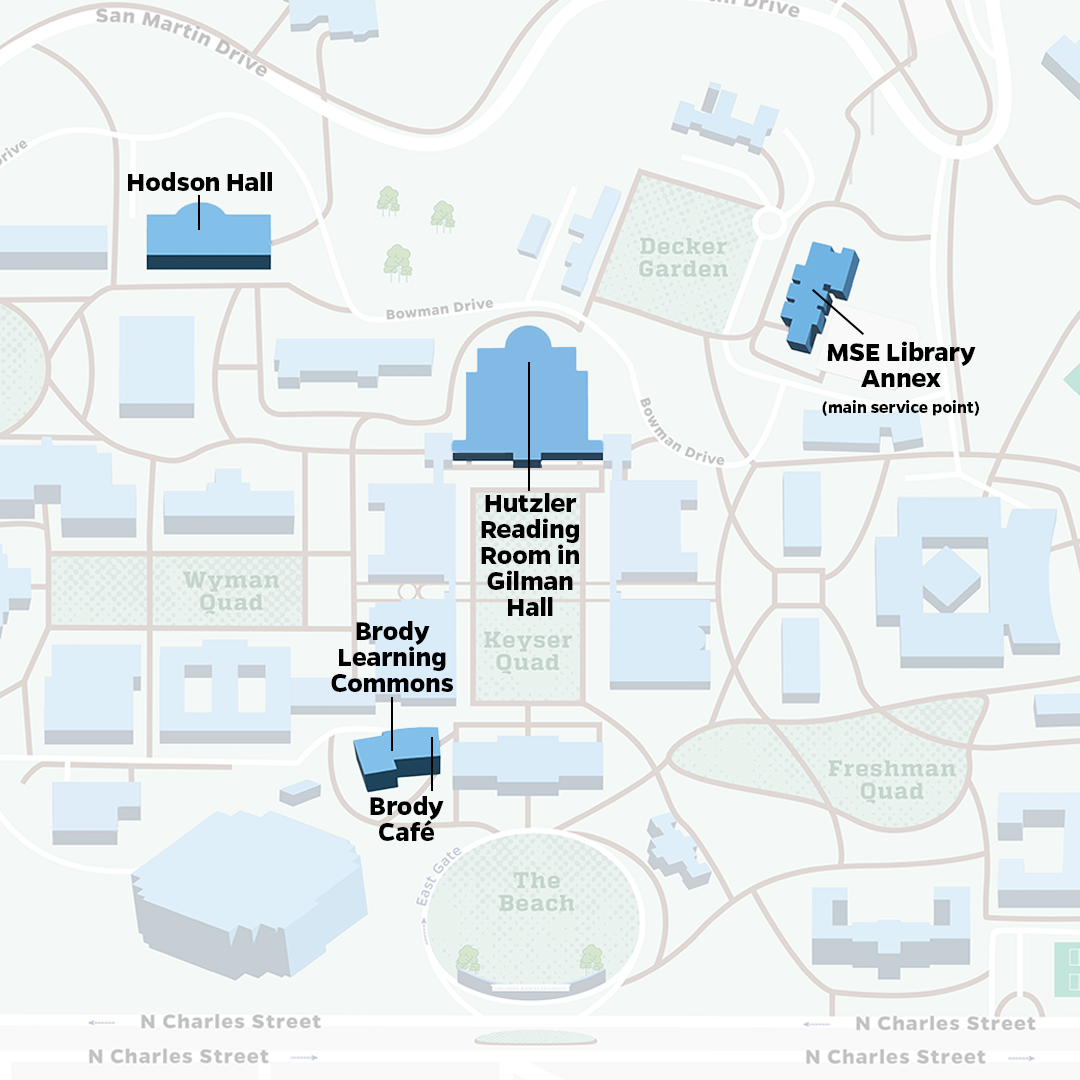
Map and Directions Sheridan Libraries

Our Libraries Johns Hopkins SAIS

Johns Hopkins Sheridan Libraries Adopt a Book Candidates 2021 by Johns

The Johns Hopkins University Sheridan Libraries — Collections — The
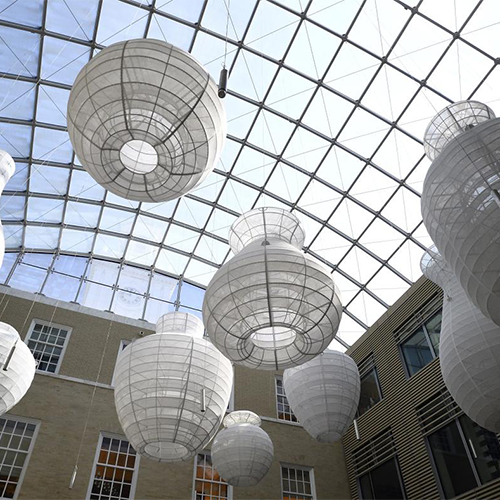
The Sheridan Libraries Sheridan Libraries
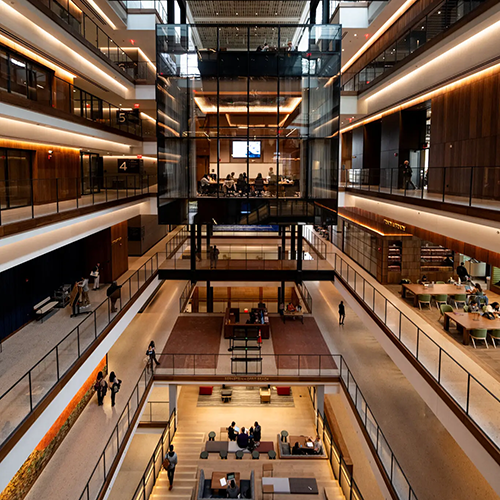
The Sheridan Libraries Sheridan Libraries

Irene and Richard Frary Library Sheridan Libraries
Johns Hopkins Sheridan Libraries and University Museums on LinkedIn

Meet Our Members DSpace

Sheridan Libraries and Museums at Johns Hopkins University
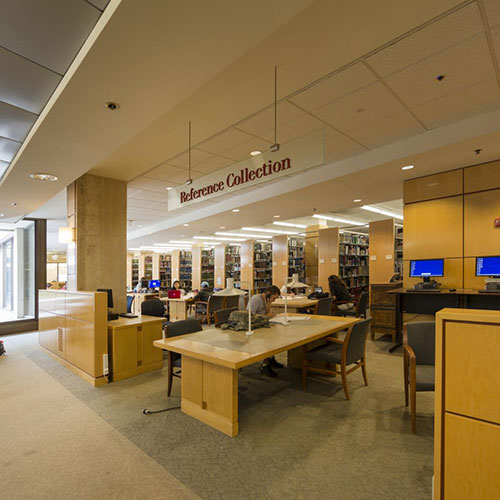
About Sheridan Libraries

The Milton S. Eisenhower Library, part of the Johns Hopkins Sheridan

Johns Hopkins University Library
Johns Hopkins Sheridan Libraries Baltimore MD
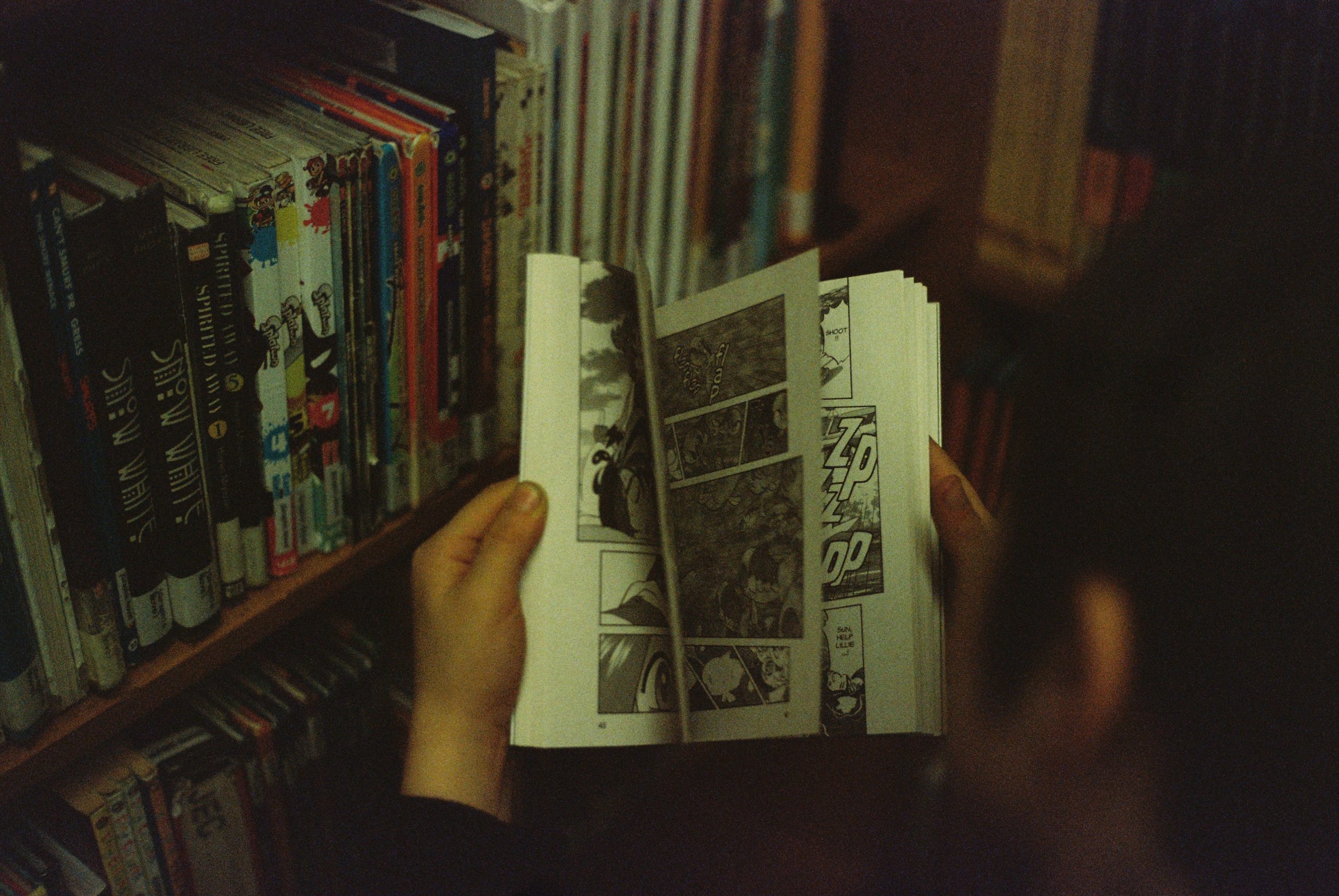
The Sheridan Libraries & University Museums Blog News, information

Sheridan Libraries and Museums at Johns Hopkins University

The Sheridan Libraries & University Museums Blog News, information

Lunch with the Libraries Kids on the Street with Joseph Plaster
Related Post: