
Item Catalog Table In Oracle Fusion
Item Catalog Table In Oracle Fusion - We are experiencing a form of choice fatigue, a weariness with the endless task of sifting through millions of options. Beyond the vast external costs of production, there are the more intimate, personal costs that we, the consumers, pay when we engage with the catalog. The benefits of a well-maintained organizational chart extend to all levels of a company. Comparing two slices of a pie chart is difficult, and comparing slices across two different pie charts is nearly impossible. I'm still trying to get my head around it, as is everyone else. A jack is a lifting device, not a support device. And crucially, it was a dialogue that the catalog was listening to. This sample is a fascinating study in skeuomorphism, the design practice of making new things resemble their old, real-world counterparts. It was beautiful not just for its aesthetic, but for its logic. Every search query, every click, every abandoned cart was a piece of data, a breadcrumb of desire. If you don't have enough old things in your head, you can't make any new connections. A significant negative experience can create a rigid and powerful ghost template that shapes future perceptions and emotional responses. So, when we look at a sample of a simple toy catalog, we are seeing the distant echo of this ancient intellectual tradition, the application of the principles of classification and order not to the world of knowledge, but to the world of things. Data, after all, is not just a collection of abstract numbers. There was a "Headline" style, a "Subheading" style, a "Body Copy" style, a "Product Spec" style, and a "Price" style. When you complete a task on a chore chart, finish a workout on a fitness chart, or meet a deadline on a project chart and physically check it off, you receive an immediate and tangible sense of accomplishment. From the humble table that forces intellectual honesty to the dynamic bar and line graphs that tell stories of relative performance, these charts provide a language for evaluation. The very design of the catalog—its order, its clarity, its rejection of ornamentation—was a demonstration of the philosophy embodied in the products it contained. Its close relative, the line chart, is the quintessential narrator of time. If it detects a loss of control or a skid, it can reduce engine power and apply braking to individual wheels to help you stay on your intended path. The template has become a dynamic, probabilistic framework, a set of potential layouts that are personalized in real-time based on your past behavior. This requires a different kind of thinking. 74 Common examples of chart junk include unnecessary 3D effects that distort perspective, heavy or dark gridlines that compete with the data, decorative background images, and redundant labels or legends. They are in here, in us, waiting to be built. It is a screenshot of my personal Amazon homepage, taken at a specific moment in time. In this format, the items being compared are typically listed down the first column, creating the rows of the table. This guide is intended for skilled technicians and experienced hobbyists who possess a fundamental understanding of electronic components and soldering techniques. If you only look at design for inspiration, your ideas will be insular. The studio would be minimalist, of course, with a single perfect plant in the corner and a huge monitor displaying some impossibly slick interface or a striking poster. The experience of using an object is never solely about its mechanical efficiency. Adjust the seat height until you have a clear view of the road and the instrument panel. That one comment, that external perspective, sparked a whole new direction and led to a final design that was ten times stronger and more conceptually interesting. 13 A famous study involving loyalty cards demonstrated that customers given a card with two "free" stamps were nearly twice as likely to complete it as those given a blank card. I pictured my classmates as these conduits for divine inspiration, effortlessly plucking incredible ideas from the ether while I sat there staring at a blank artboard, my mind a staticky, empty canvas. 21 In the context of Business Process Management (BPM), creating a flowchart of a current-state process is the critical first step toward improvement, as it establishes a common, visual understanding among all stakeholders. While digital planners offer undeniable benefits like accessibility from any device, automated reminders, and easy sharing capabilities, they also come with significant drawbacks. The application of the printable chart extends naturally into the domain of health and fitness, where tracking and consistency are paramount. Studying the Swiss Modernist movement of the mid-20th century, with its obsession with grid systems, clean sans-serif typography, and objective communication, felt incredibly relevant to the UI design work I was doing. These files offer incredible convenience to consumers. This is where you will input the model number you previously identified. When a designer uses a "primary button" component in their Figma file, it’s linked to the exact same "primary button" component that a developer will use in the code. A designer decides that this line should be straight and not curved, that this color should be warm and not cool, that this material should be smooth and not rough. Each medium brings its own unique characteristics, from the soft textures of charcoal to the crisp lines of ink, allowing artists to experiment and innovate in their pursuit of artistic excellence. A second critical principle, famously advocated by data visualization expert Edward Tufte, is to maximize the "data-ink ratio". To be printable no longer refers solely to rendering an image on a flat sheet of paper; it now means being ableto materialize a physical object from a digital blueprint. In his 1786 work, "The Commercial and Political Atlas," he single-handedly invented or popularised three of the four horsemen of the modern chart apocalypse: the line chart, the bar chart, and later, the pie chart. 6 When you write something down, your brain assigns it greater importance, making it more likely to be remembered and acted upon. They wanted to see the product from every angle, so retailers started offering multiple images. In 1973, the statistician Francis Anscombe constructed four small datasets. The object it was trying to emulate was the hefty, glossy, and deeply magical print catalog, a tome that would arrive with a satisfying thud on the doorstep and promise a world of tangible possibilities. And finally, there are the overheads and the profit margin, the costs of running the business itself—the corporate salaries, the office buildings, the customer service centers—and the final slice that represents the company's reason for existing in the first place. This artistic exploration challenges the boundaries of what a chart can be, reminding us that the visual representation of data can engage not only our intellect, but also our emotions and our sense of wonder. It can give you a pre-built chart, but it cannot analyze the data and find the story within it. It starts with choosing the right software. It is important to regularly check the engine oil level. There are actual techniques and methods, which was a revelation to me. In a CMS, the actual content of the website—the text of an article, the product description, the price, the image files—is not stored in the visual layout. To make the chart even more powerful, it is wise to include a "notes" section. It is the belief that the future can be better than the present, and that we have the power to shape it. The first dataset shows a simple, linear relationship. And beyond the screen, the very definition of what a "chart" can be is dissolving. The printable economy is a testament to digital innovation. This is incredibly empowering, as it allows for a much deeper and more personalized engagement with the data. " To fulfill this request, the system must access and synthesize all the structured data of the catalog—brand, color, style, price, user ratings—and present a handful of curated options in a natural, conversational way. The feedback gathered from testing then informs the next iteration of the design, leading to a cycle of refinement that gradually converges on a robust and elegant solution. Businesses leverage printable images for a range of purposes, from marketing materials to internal communications. I now understand that the mark of a truly professional designer is not the ability to reject templates, but the ability to understand them, to use them wisely, and, most importantly, to design them. It is best to use simple, consistent, and legible fonts, ensuring that text and numbers are large enough to be read comfortably from a typical viewing distance. It is, perhaps, the most optimistic of all the catalog forms. Building a quick, rough model of an app interface out of paper cutouts, or a physical product out of cardboard and tape, is not about presenting a finished concept. This new frontier redefines what a printable can be. We are entering the era of the algorithmic template. It was the "no" document, the instruction booklet for how to be boring and uniform. The title, tags, and description must be optimized. Gently press down until it clicks into position. The professional designer's role is shifting away from being a maker of simple layouts and towards being a strategic thinker, a problem-solver, and a creator of the very systems and templates that others will use. It’s the disciplined practice of setting aside your own assumptions and biases to understand the world from someone else’s perspective. This is the process of mapping data values onto visual attributes. 25 Similarly, a habit tracker chart provides a clear visual record of consistency, creating motivational "streaks" that users are reluctant to break. It allows us to see the Roman fort still hiding in the layout of a modern city, to recognize the echo of our parents' behavior in our own actions, and to appreciate the timeless archetypes that underpin our favorite stories.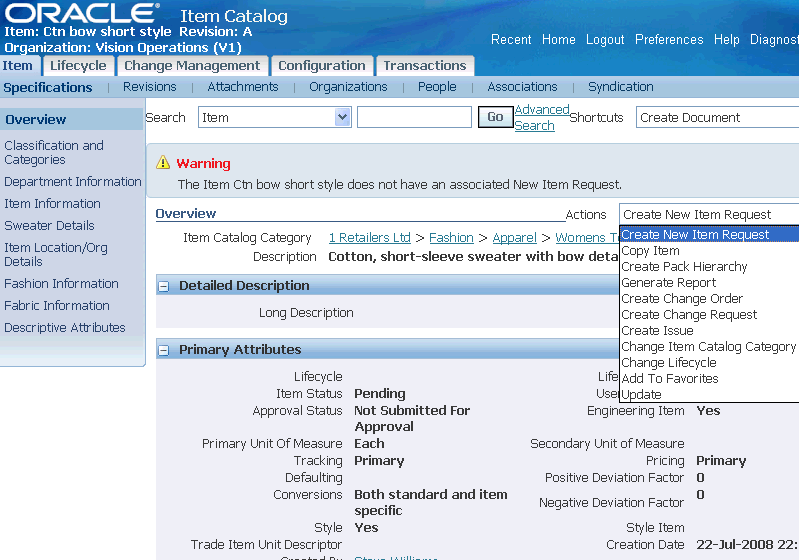
Oracle Product Information Management User's Guide

Oracle Fusion Cloud Product Lifecycle Management 22B What's New
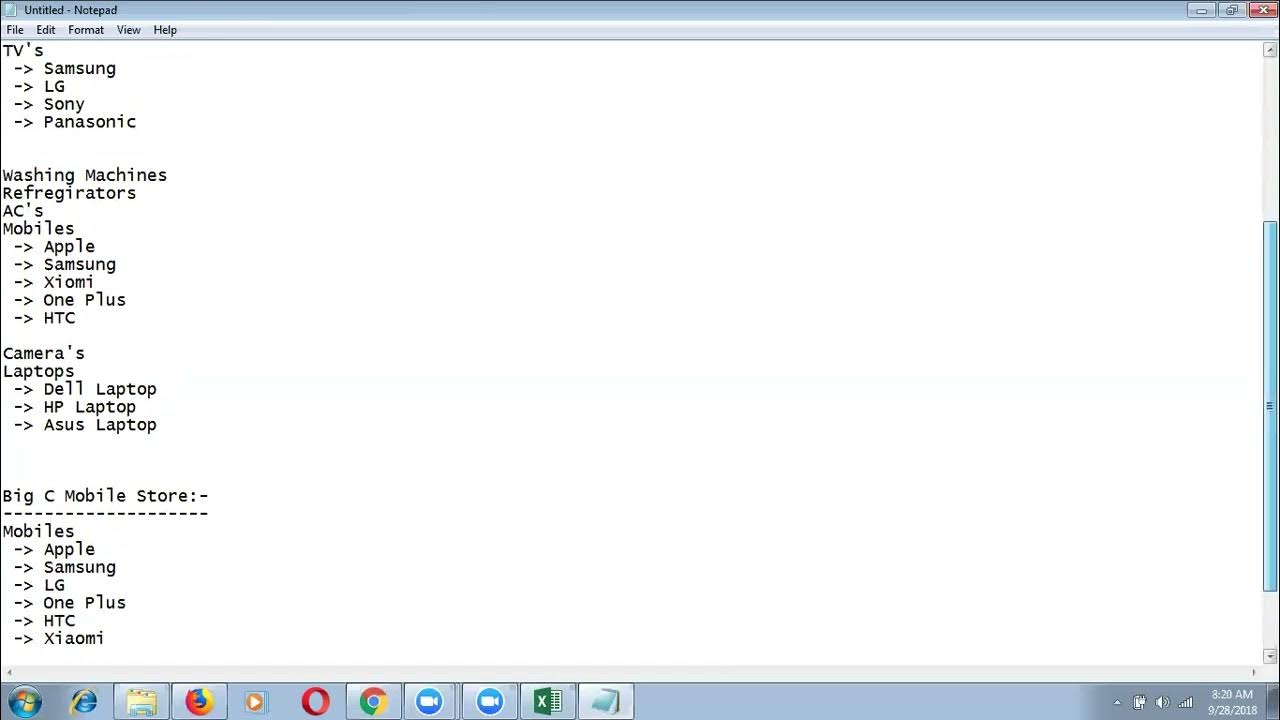
Oracle Fusion Cloud Item Catalog and Item Category Creation Process

Oracle Fusion Cloud Inventory Management 22D What's New

Oracle Fusion Applications Product Information Management
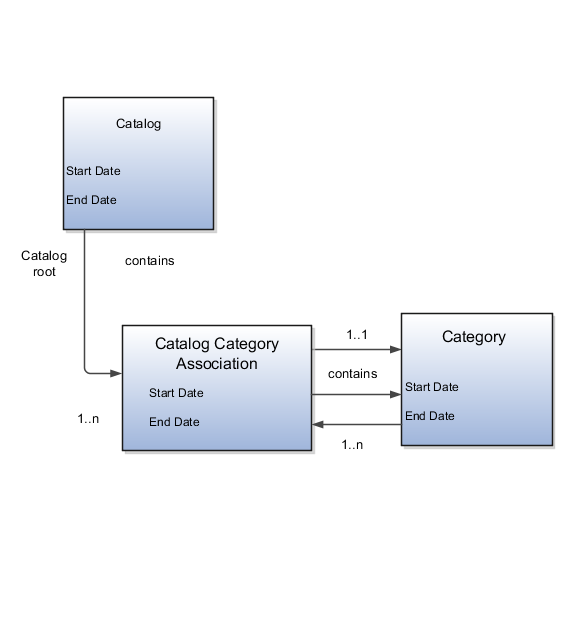
Oracle Fusion Applications Materials Management and Logistics

Oracle Fusion Cloud Product Lifecycle Management 23B What's New

Oracle Fusion Cloud Inventory Management 22D What's New
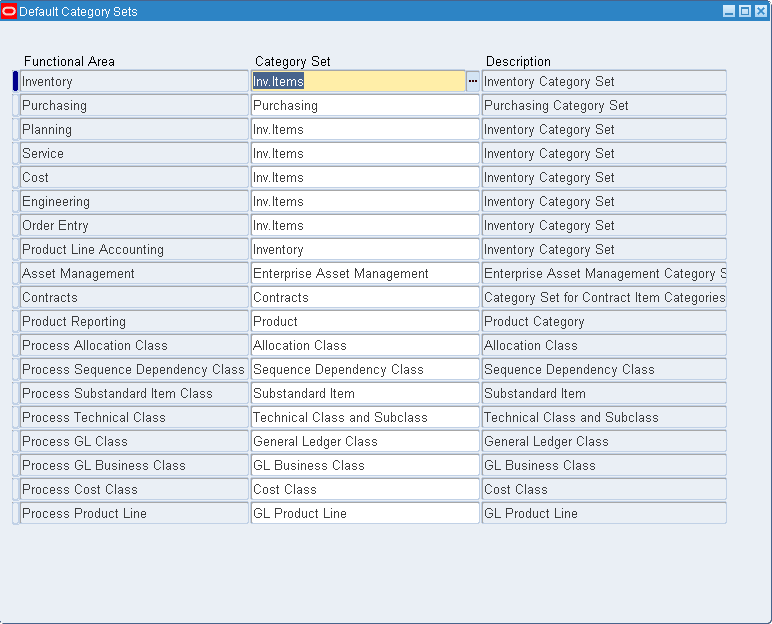
Oracle Inventory User's Guide
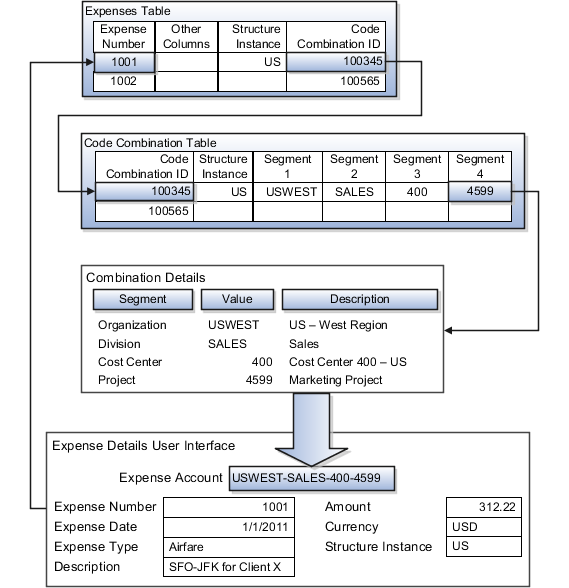
Oracle Fusion Applications Cost Accounting and Receipt Accounting

Oracle Fusion Cloud Inventory Management 22B What's New

Oracle Fusion Cloud Order Management 23A What's New

Oracle Product Hub Implementation Guide

Oracle Fusion Cloud Inventory Management 22A What's New

Oracle Fusion Cloud Inventory Management 23A What's New
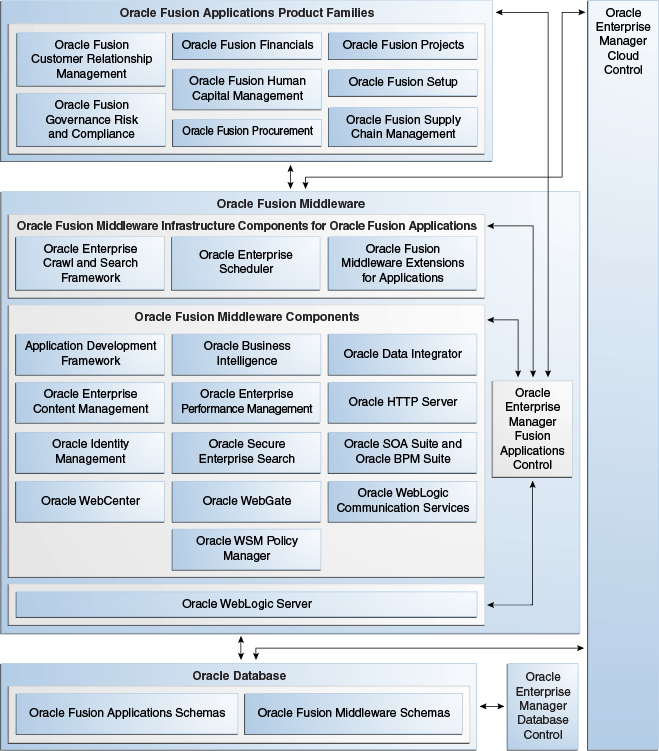
Introduction to Oracle Fusion Applications for Systems Administrators
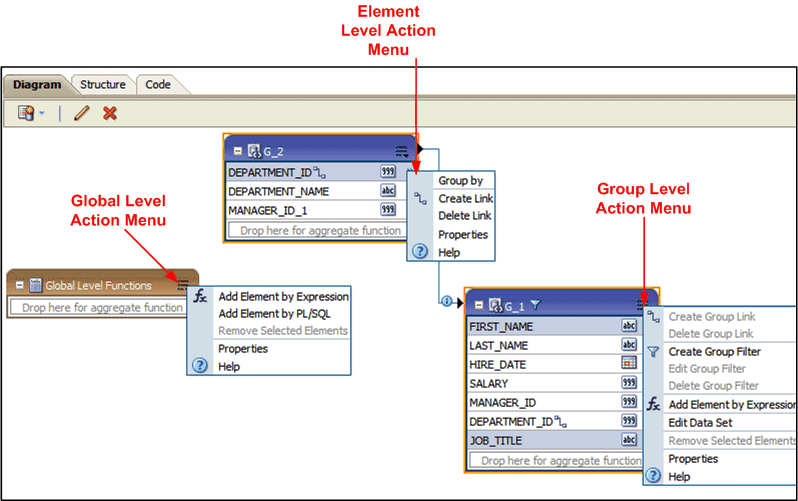
Oracle Fusion Middleware Data Modeling Guide for Oracle Business
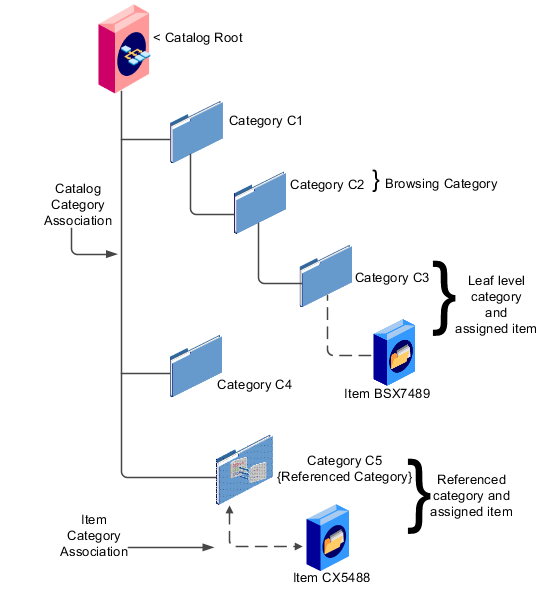
Oracle Fusion Applications Project Management Implementation Guide

Oracle Fusion Cloud Order Management 23A What's New

Oracle Sales Catalog Oracle Fusion Sales Catalog Oracle Fusion CRM

Oracle Fusion Cloud Inventory Management 22D What's New

Oracle Fusion Cloud Inventory Management 22B What's New

Oracle Fusion Cloud Demand Management 23A What's New
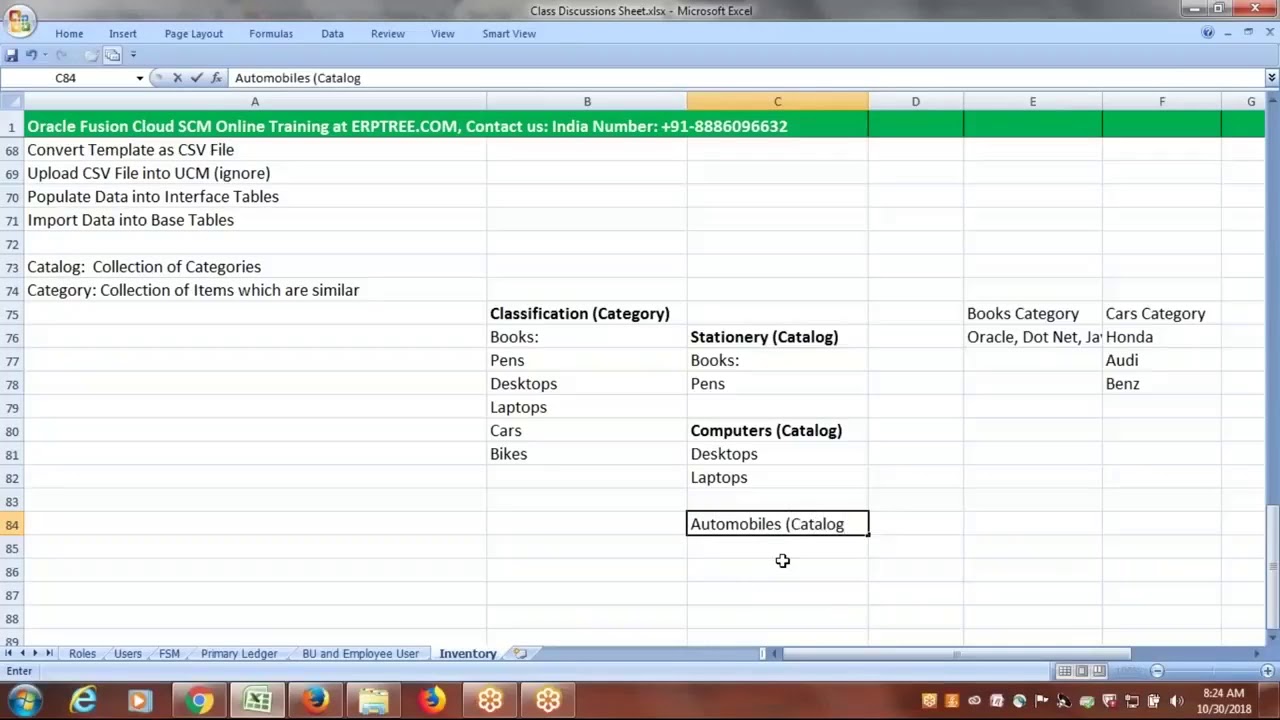
Oracle Fusion Inventory Tables Ivo Togliatti

Oracle Cloud Applications Fusion (SaaS) Inventory Item Master

Oracle Fusion Cloud Maintenance 23B What's New

Oracle Fusion Cloud Manufacturing 24A What's New

Oracle Fusion Cloud Manufacturing 23B What's New

Oracle Fusion Cloud Inventory Management 23C What's New

Oracle Fusion Cloud Supply Planning 22C What's New

Oracle Fusion Cloud Inventory Management 22D What's New

Oracle Fusion Cloud Inventory Management 22A What's New

Oracle Fusion Cloud Supply Planning 22C What's New

Oracle Fusion Cloud Supply Planning 23A What's New
Oracle Application's Blog Item catalog table in Oracle Fusion
Related Post:
