
Iceberg Catalog
Iceberg Catalog - 5 When an individual views a chart, they engage both systems simultaneously; the brain processes the visual elements of the chart (the image code) while also processing the associated labels and concepts (the verbal code). 50 This concept posits that the majority of the ink on a chart should be dedicated to representing the data itself, and that non-essential, decorative elements, which Tufte termed "chart junk," should be eliminated. " Each rule wasn't an arbitrary command; it was a safeguard to protect the logo's integrity, to ensure that the symbol I had worked so hard to imbue with meaning wasn't diluted or destroyed by a well-intentioned but untrained marketing assistant down the line. This meant finding the correct Pantone value for specialized printing, the CMYK values for standard four-color process printing, the RGB values for digital screens, and the Hex code for the web. ". In the hands of a manipulator, it can become a tool for deception, simplifying reality in a way that serves a particular agenda. Perhaps the most popular category is organizational printables. 58 Although it may seem like a tool reserved for the corporate world, a simplified version of a Gantt chart can be an incredibly powerful printable chart for managing personal projects, such as planning a wedding, renovating a room, or even training for a marathon. A flowchart visually maps the sequential steps of a process, using standardized symbols to represent actions, decisions, inputs, and outputs. You start with the central theme of the project in the middle of a page and just start branching out with associated words, concepts, and images. This sample is a world away from the full-color, photographic paradise of the 1990s toy book. One of the first and simplest methods we learned was mind mapping. The old way was for a designer to have a "cool idea" and then create a product based on that idea, hoping people would like it. Professional design is an act of service. Before you begin your journey, there are several fundamental adjustments you should make to ensure your comfort and safety. "—and the algorithm decides which of these modules to show you, in what order, and with what specific content. It starts with low-fidelity sketches on paper, not with pixel-perfect mockups in software. The chart becomes a space for honest self-assessment and a roadmap for becoming the person you want to be, demonstrating the incredible scalability of this simple tool from tracking daily tasks to guiding a long-term journey of self-improvement. This entire process is a crucial part of what cognitive scientists call "encoding," the mechanism by which the brain analyzes incoming information and decides what is important enough to be stored in long-term memory. Let us consider a typical spread from an IKEA catalog from, say, 1985. A client saying "I don't like the color" might not actually be an aesthetic judgment. Of course, this new power came with a dark side. This sample is a powerful reminder that the principles of good catalog design—clarity, consistency, and a deep understanding of the user's needs—are universal, even when the goal is not to create desire, but simply to provide an answer. My personal feelings about the color blue are completely irrelevant if the client’s brand is built on warm, earthy tones, or if user research shows that the target audience responds better to green. This represents a radical democratization of design. It is a translation from one symbolic language, numbers, to another, pictures. The initial spark, that exciting little "what if," is just a seed. It is still connected to the main logic board by several fragile ribbon cables. It is a thin, saddle-stitched booklet, its paper aged to a soft, buttery yellow, the corners dog-eared and softened from countless explorations by small, determined hands. Once these screws are removed, the front screen assembly is held in place by a combination of clips and a thin layer of adhesive around its perimeter. The materials chosen for a piece of packaging contribute to a global waste crisis. Use the provided cleaning brush to gently scrub any hard-to-reach areas and remove any mineral deposits or algae that may have formed. This new awareness of the human element in data also led me to confront the darker side of the practice: the ethics of visualization. Additionally, printable templates for reports, invoices, and presentations ensure consistency and professionalism in business documentation. Disconnecting the battery should be one of your first steps for almost any repair to prevent accidental short circuits, which can fry sensitive electronics or, in a worst-case scenario, cause a fire. Programs like Adobe Photoshop, Illustrator, and InDesign are industry standards, offering powerful tools for image editing and design. 34Beyond the academic sphere, the printable chart serves as a powerful architect for personal development, providing a tangible framework for building a better self. I curated my life, my clothes, my playlists, and I thought this refined sensibility would naturally translate into my work. A tall, narrow box implicitly suggested a certain kind of photograph, like a full-length fashion shot. This visual power is a critical weapon against a phenomenon known as the Ebbinghaus Forgetting Curve. We now have tools that can automatically analyze a dataset and suggest appropriate chart types, or even generate visualizations based on a natural language query like "show me the sales trend for our top three products in the last quarter. 39 Even complex decision-making can be simplified with a printable chart. An idea generated in a vacuum might be interesting, but an idea that elegantly solves a complex problem within a tight set of constraints is not just interesting; it’s valuable. The trust we place in the digital result is a direct extension of the trust we once placed in the printed table. It is a catalogue of the common ways that charts can be manipulated. " This became a guiding principle for interactive chart design. To incorporate mindfulness into journaling, individuals can begin by setting aside a quiet, distraction-free space and taking a few moments to center themselves before writing. Consumers were no longer just passive recipients of a company's marketing message; they were active participants, co-creating the reputation of a product. This led me to the work of statisticians like William Cleveland and Robert McGill, whose research in the 1980s felt like discovering a Rosetta Stone for chart design. The satisfaction derived from checking a box, coloring a square, or placing a sticker on a progress chart is directly linked to the release of dopamine, a neurotransmitter associated with pleasure and motivation. We had to design a series of three posters for a film festival, but we were only allowed to use one typeface in one weight, two colors (black and one spot color), and only geometric shapes. 13 This mechanism effectively "gamifies" progress, creating a series of small, rewarding wins that reinforce desired behaviors, whether it's a child completing tasks on a chore chart or an executive tracking milestones on a project chart. Every time we solve a problem, simplify a process, clarify a message, or bring a moment of delight into someone's life through a deliberate act of creation, we are participating in this ancient and essential human endeavor. This was more than just an inventory; it was an attempt to create a map of all human knowledge, a structured interface to a world of ideas. This basic structure is incredibly versatile, appearing in countless contexts, from a simple temperature chart converting Celsius to Fahrenheit on a travel website to a detailed engineering reference for converting units of pressure like pounds per square inch (psi) to kilopascals (kPa). But a true professional is one who is willing to grapple with them. These technologies have the potential to transform how we engage with patterns, making them more interactive and participatory. I no longer see it as a symbol of corporate oppression or a killer of creativity. 67 This means avoiding what is often called "chart junk"—elements like 3D effects, heavy gridlines, shadows, and excessive colors that clutter the visual field and distract from the core message. The card catalog, like the commercial catalog that would follow and perfect its methods, was a tool for making a vast and overwhelming collection legible, navigable, and accessible. They are the product of designers who have the patience and foresight to think not just about the immediate project in front of them, but about the long-term health and coherence of the brand or product. This led me to the work of statisticians like William Cleveland and Robert McGill, whose research in the 1980s felt like discovering a Rosetta Stone for chart design. The result is that the homepage of a site like Amazon is a unique universe for every visitor. The hand-drawn, personal visualizations from the "Dear Data" project are beautiful because they are imperfect, because they reveal the hand of the creator, and because they communicate a sense of vulnerability and personal experience that a clean, computer-generated chart might lack. Our problem wasn't a lack of creativity; it was a lack of coherence. Every designed object or system is a piece of communication, conveying information and meaning, whether consciously or not. It is important to follow these instructions carefully to avoid injury. An architect uses the language of space, light, and material to shape experience. The printable chart is not an outdated relic but a timeless strategy for gaining clarity, focus, and control in a complex world. Educational posters displaying foundational concepts like the alphabet, numbers, shapes, and colors serve as constant visual aids that are particularly effective for visual learners, who are estimated to make up as much as 65% of the population. It proved that the visual representation of numbers was one of the most powerful intellectual technologies ever invented. At the other end of the spectrum is the powerful engine of content marketing. Your browser's behavior upon clicking may vary slightly depending on its settings. I had to specify its exact values for every conceivable medium. A printable chart, therefore, becomes more than just a reference document; it becomes a personalized artifact, a tangible record of your own thoughts and commitments, strengthening your connection to your goals in a way that the ephemeral, uniform characters on a screen cannot. The power of this structure is its relentless consistency. Learning about the Bauhaus and their mission to unite art and industry gave me a framework for thinking about how to create systems, not just one-off objects. The human brain is inherently a visual processing engine, with research indicating that a significant majority of the population, estimated to be as high as 65 percent, are visual learners who assimilate information more effectively through visual aids. Of course, a huge part of that journey involves feedback, and learning how to handle critique is a trial by fire for every aspiring designer. This includes information on paper types and printer settings.
Quick tip Using SingleStore for Iceberg Catalog Storage DEV Community

Iceberg Catalog Community Sync Mar 5 2025 YouTube
Understanding the Polaris Iceberg Catalog and Its Architecture by

Day106 Iceberg Tables in Snowflake Iceberg Catalogue YouTube

Read and write S3 Iceberg table using AWS Glue Iceberg Rest Catalog

Mastering Apache Iceberg Catalogs A Comprehensive Guide for Data
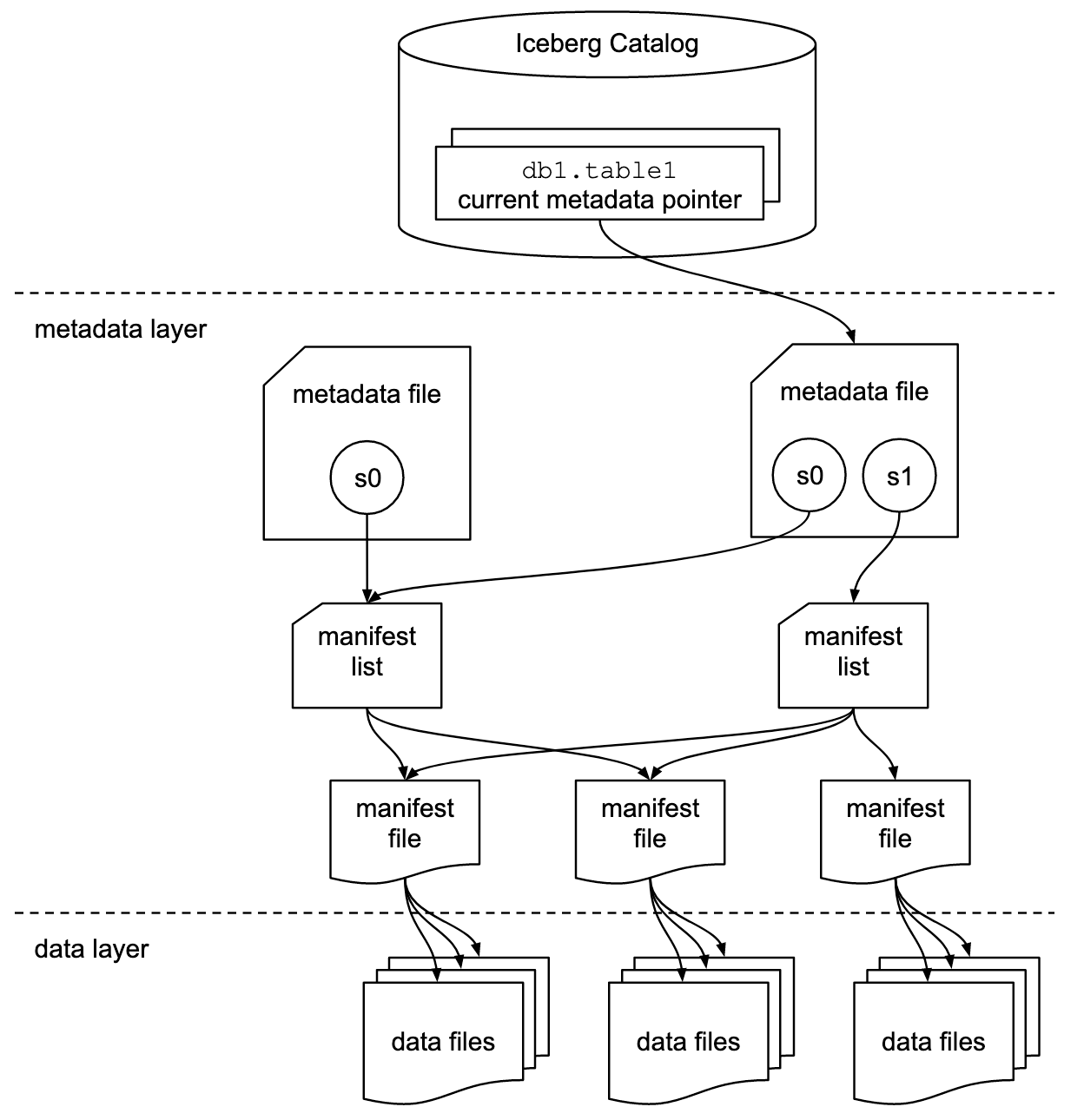
Easy way to move Iceberg Data using Iceberg REST Catalog by Kidong
Configuring Apache Iceberg Catalog with Apache Spark

Iceberg Catalog Community Sync Feb 12 2025 YouTube
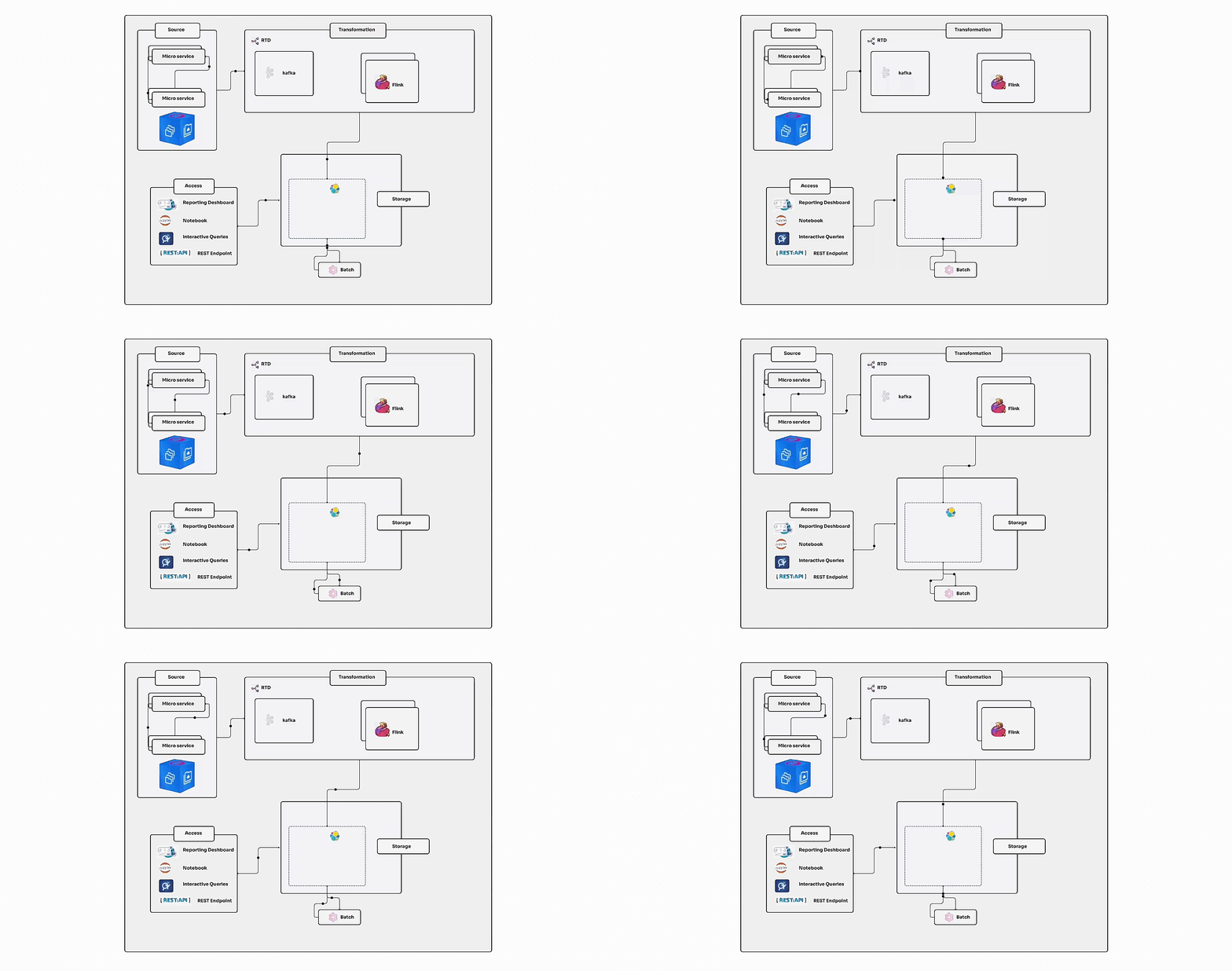
Iceberg Catalogs Choosing the Right One for Your Needs by Ajantha
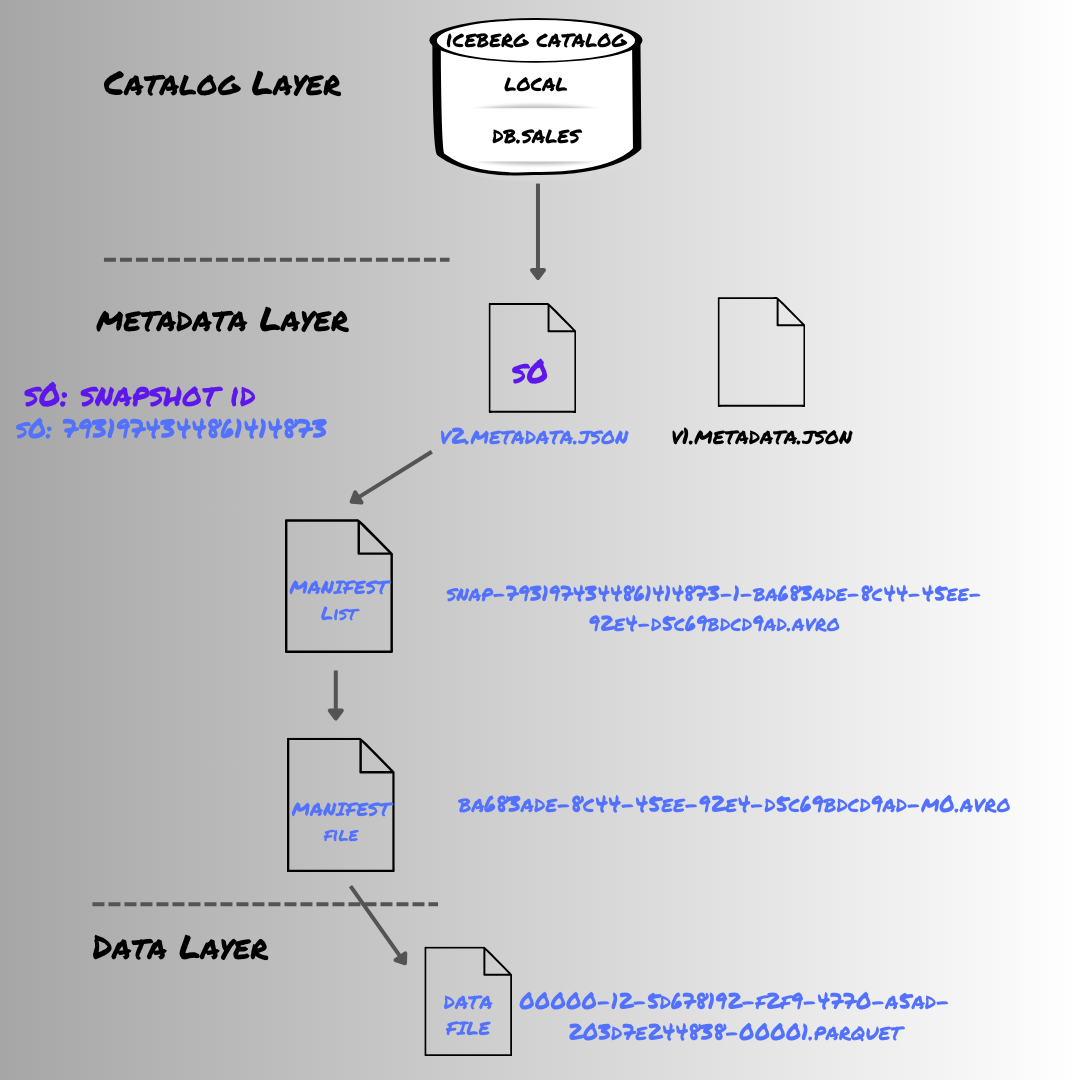
Apache Iceberg Architecture Demystified

Introducing Polaris Catalog An Open Source Catalog for Apache Iceberg

Understanding the Polaris Iceberg Catalog and Its Architecture by
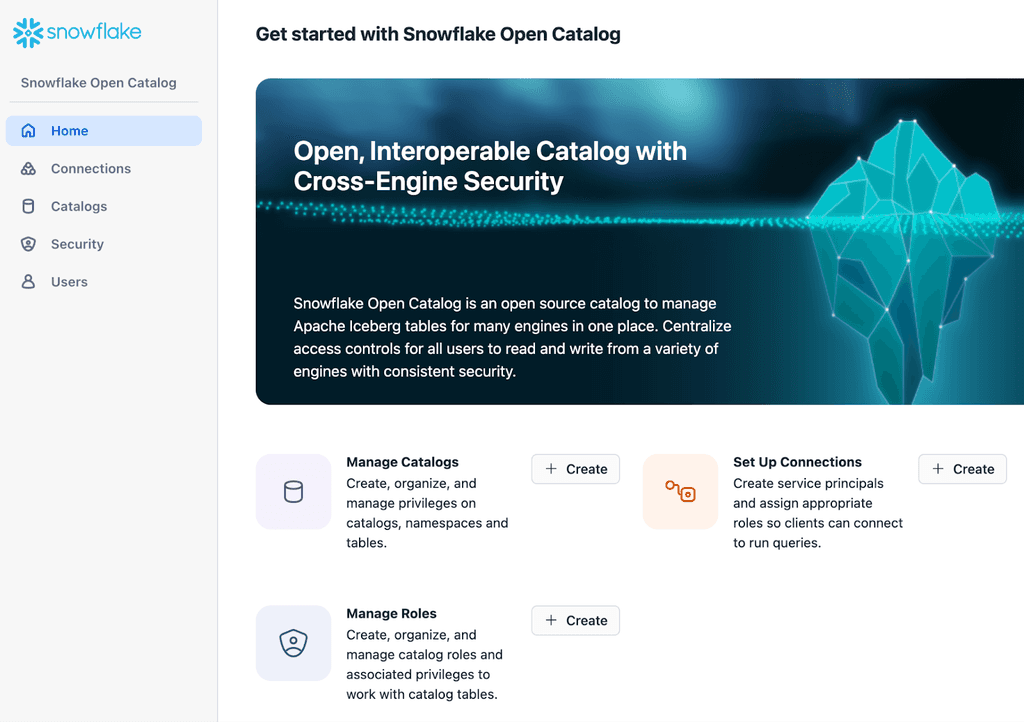
How to setup a managed Iceberg catalog using Snowflake Open Catalog Tower
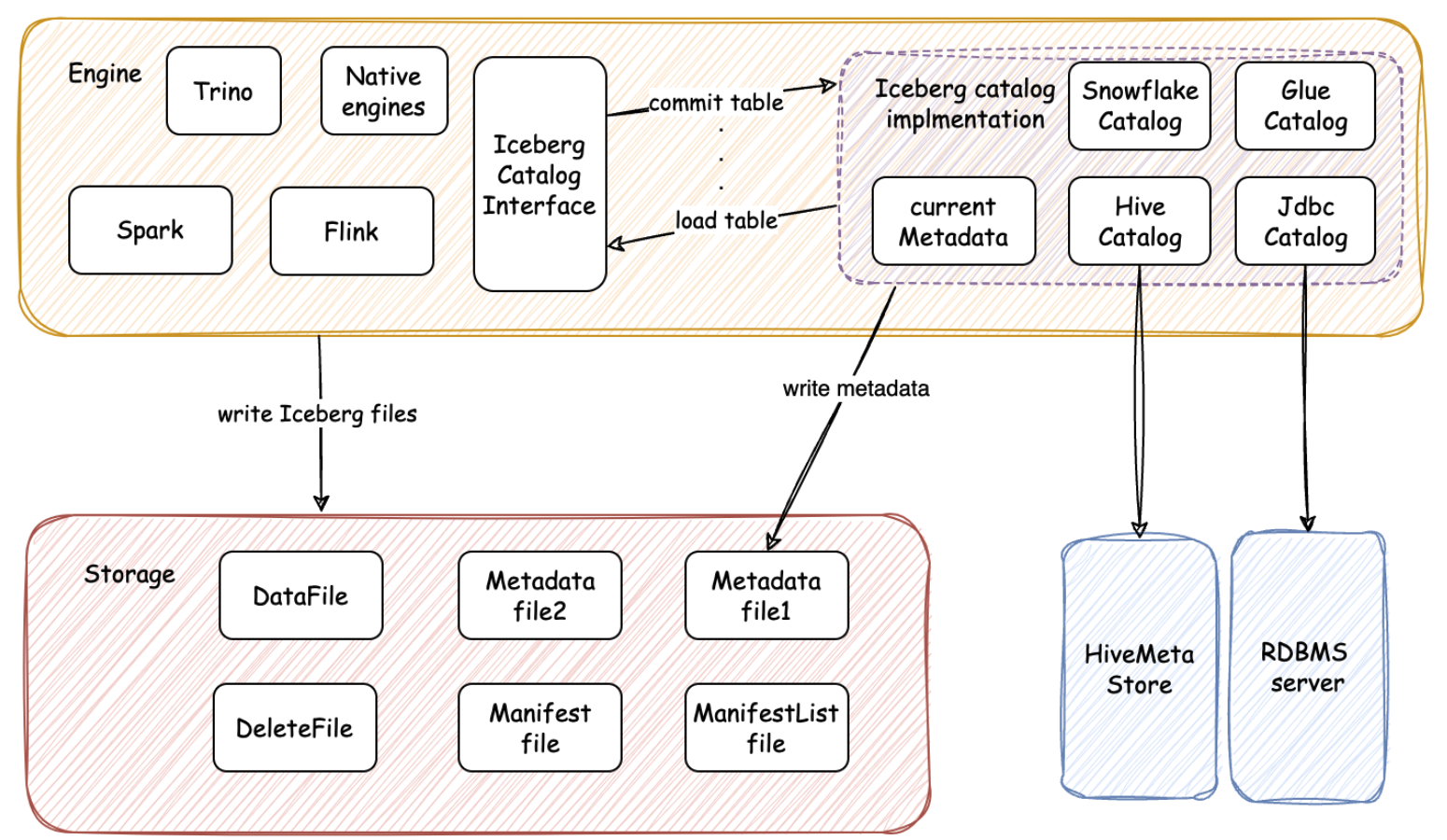
Gravitino NextGen REST Catalog for Iceberg, and Why You Need It
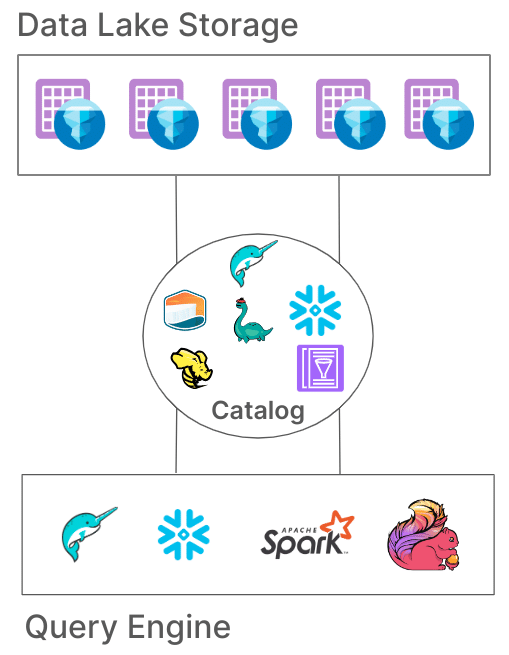
Mastering Apache Iceberg Catalogs A Comprehensive Guide for Data
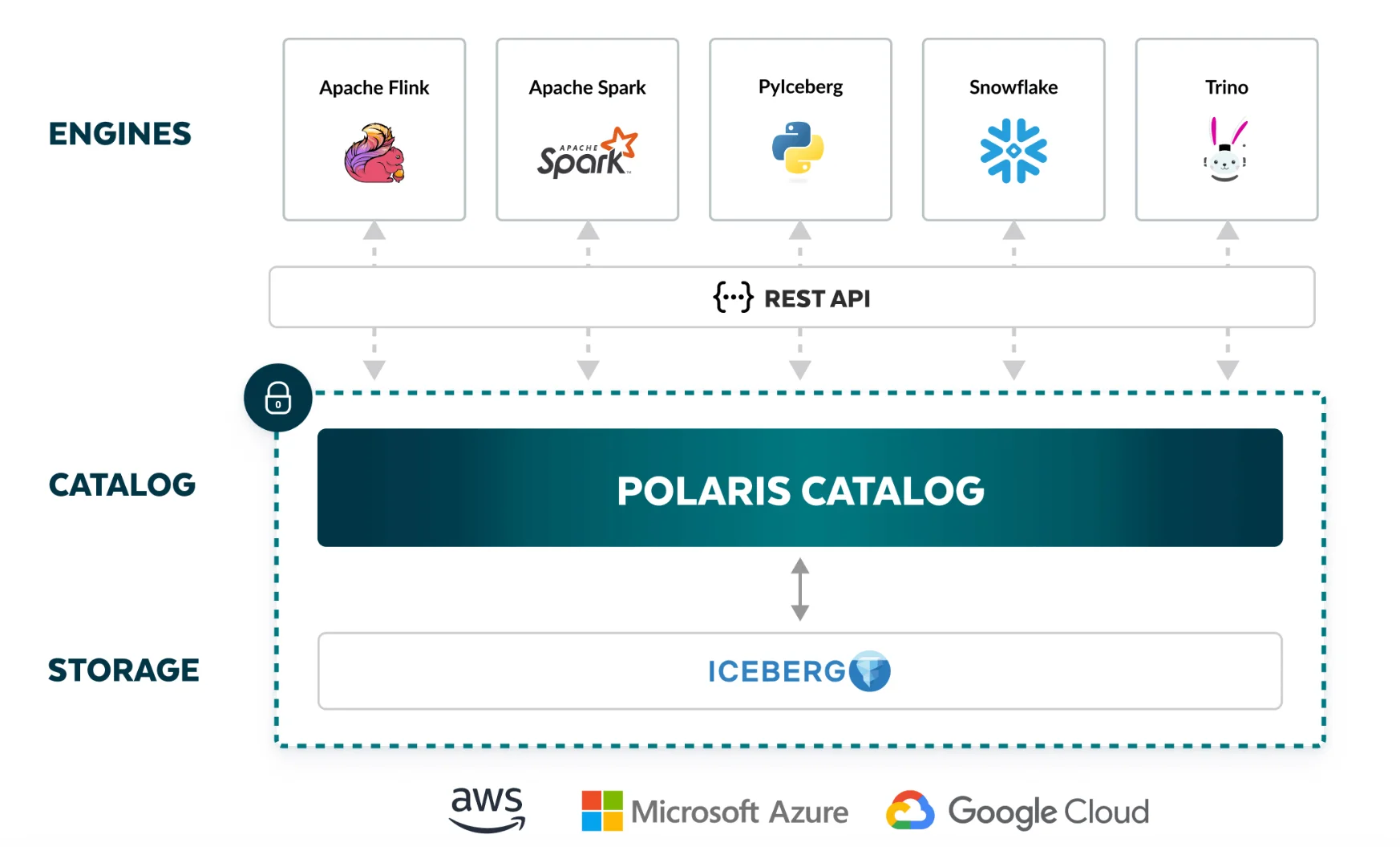
Snowflake’s Polaris Catalog Everything We Know So Far
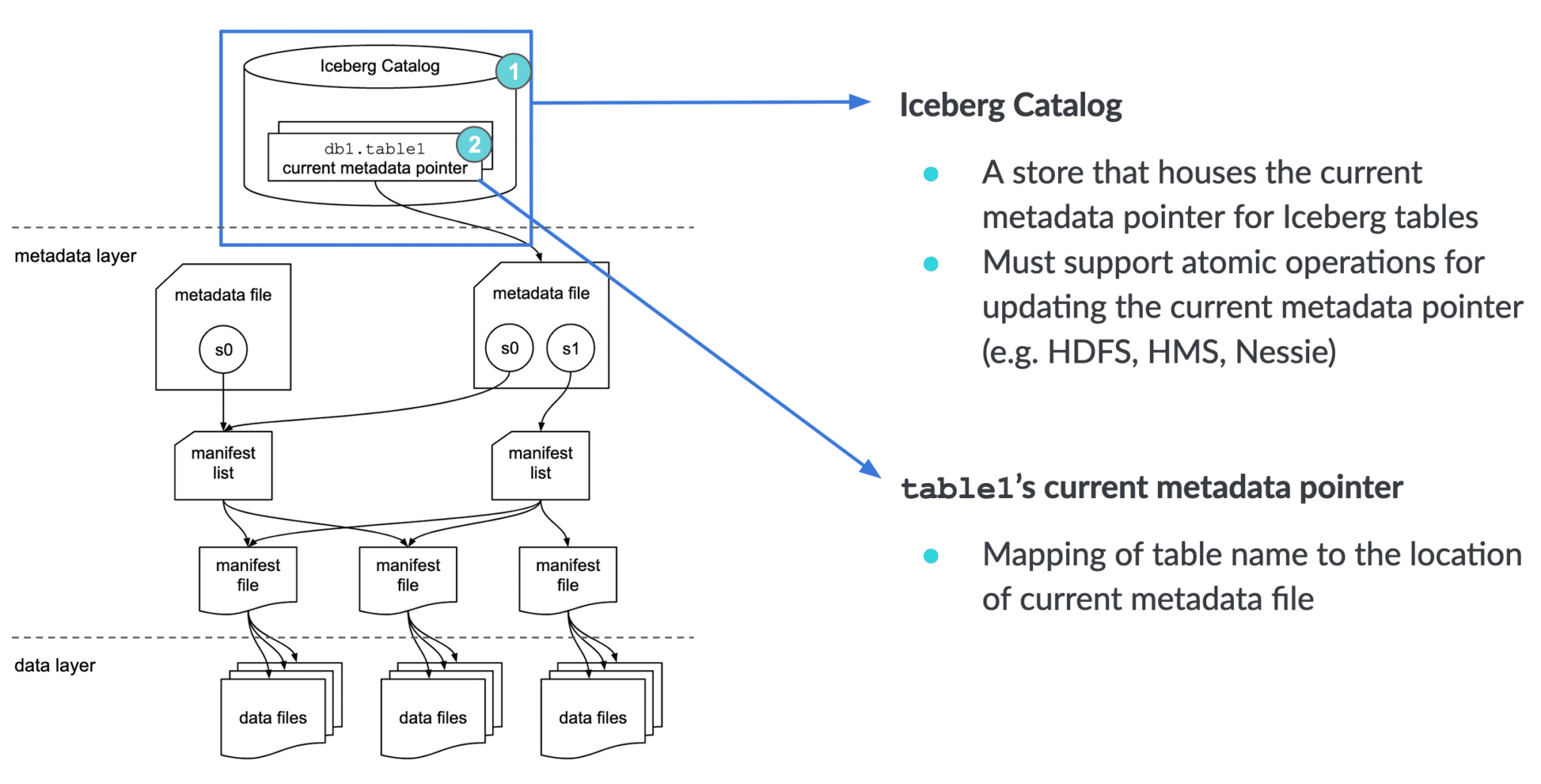
Apache Iceberg Architectural Insights Dremio
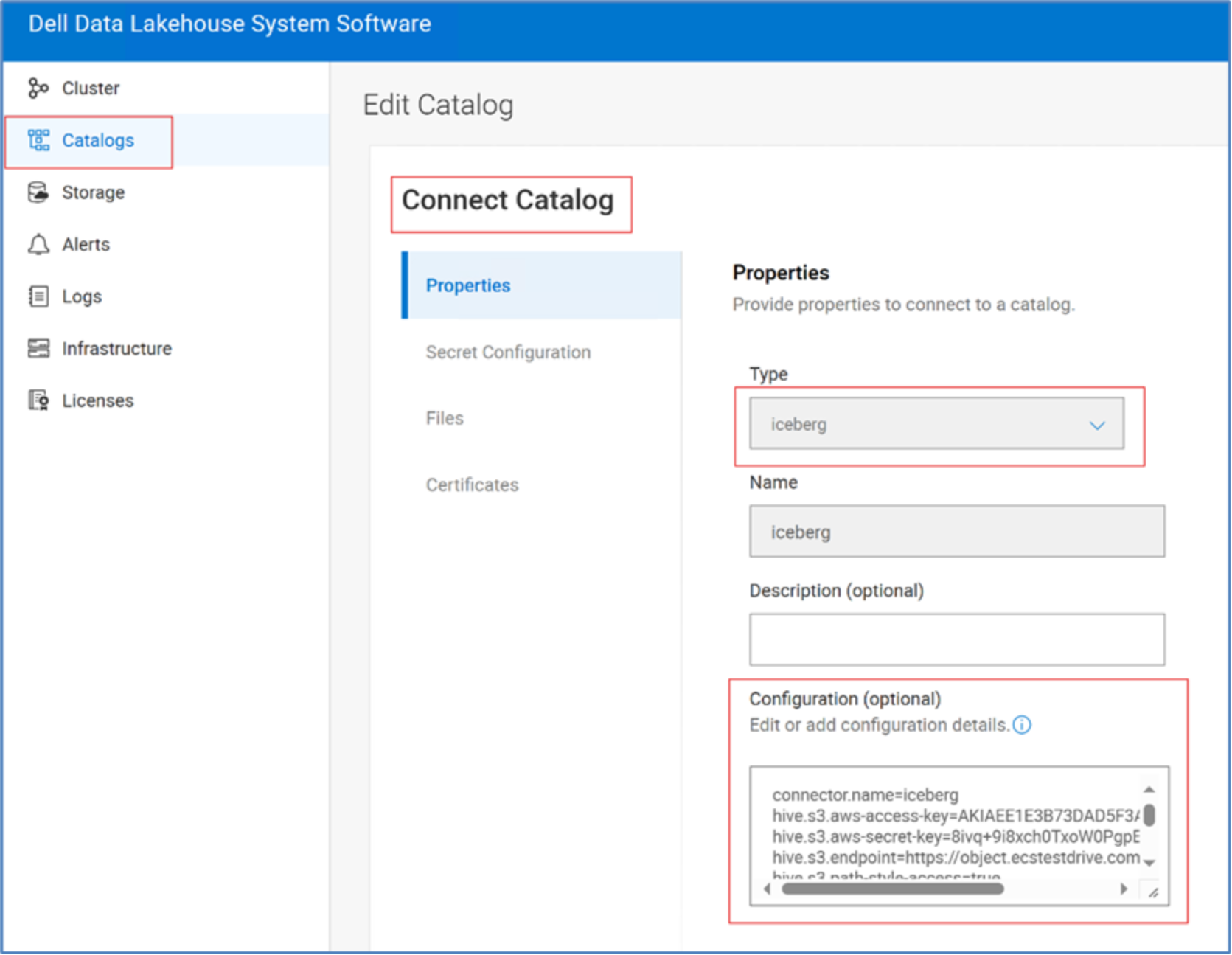
Setup Apache Iceberg Catalog Dell Data Lakehouse build Resilient Data

Apache Iceberg 101 How to Use Catalogs for Data Management Dremio

Manage Catalogs

Apache Iceberg Catalog選択のポイント Speaker Deck

24IP2P1725S68289000U_100.JPG

Iceberg Catalogs Key Features, Benefits, and Insights
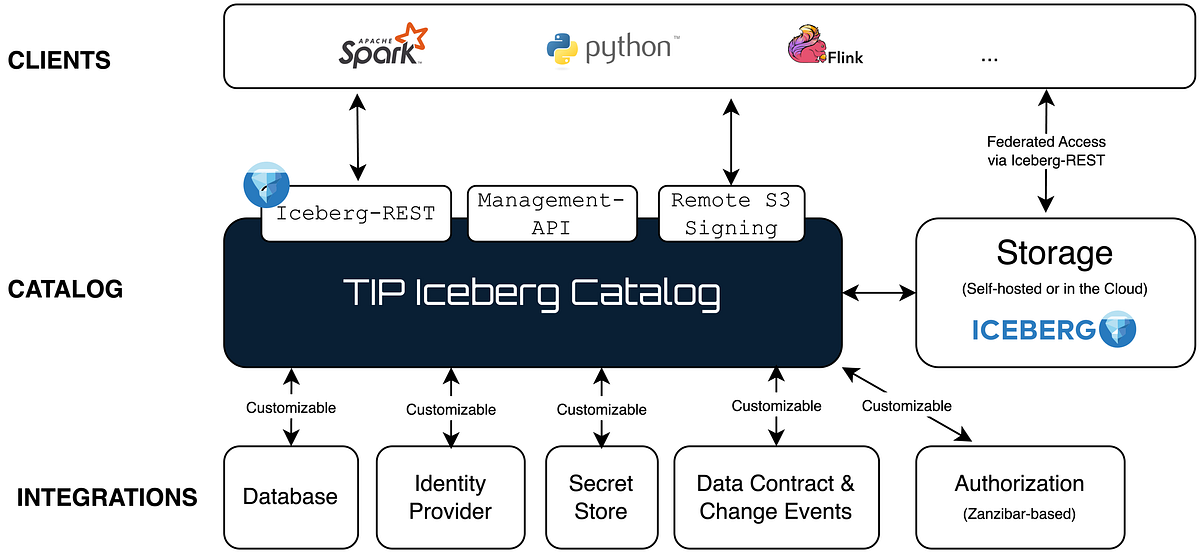
Iceberg Catalog The TIP of your Lakehouse by Christian Thiel Medium

Configuring Apache Iceberg Catalog with Apache Spark

Flink + Iceberg + 对象存储,构建数据湖方案
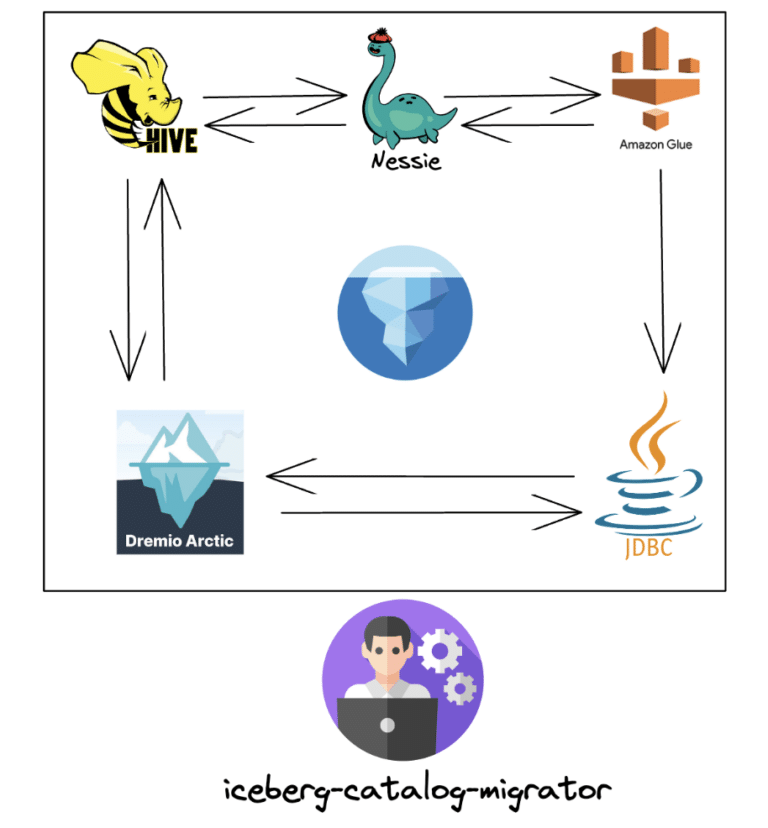
Introducing the Apache Iceberg Catalog Migration Tool Dremio

Iceberg Catalog as a Service YouTube

Polaris Catalog An Open Source Catalog for Apache Iceberg
Configuring Apache Iceberg Catalog with Apache Spark
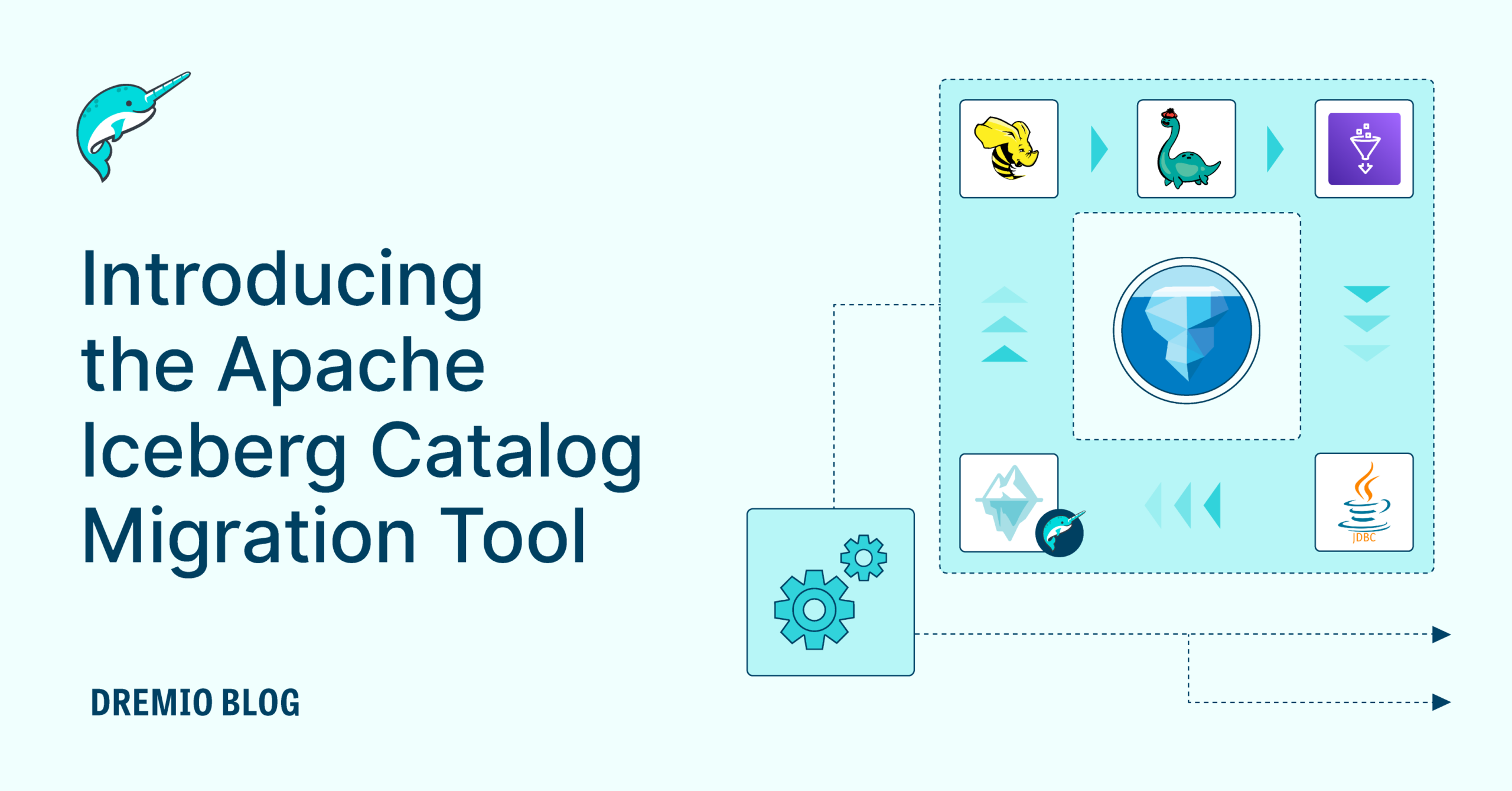
Apache Iceberg Catalog Migration Tool Dremio
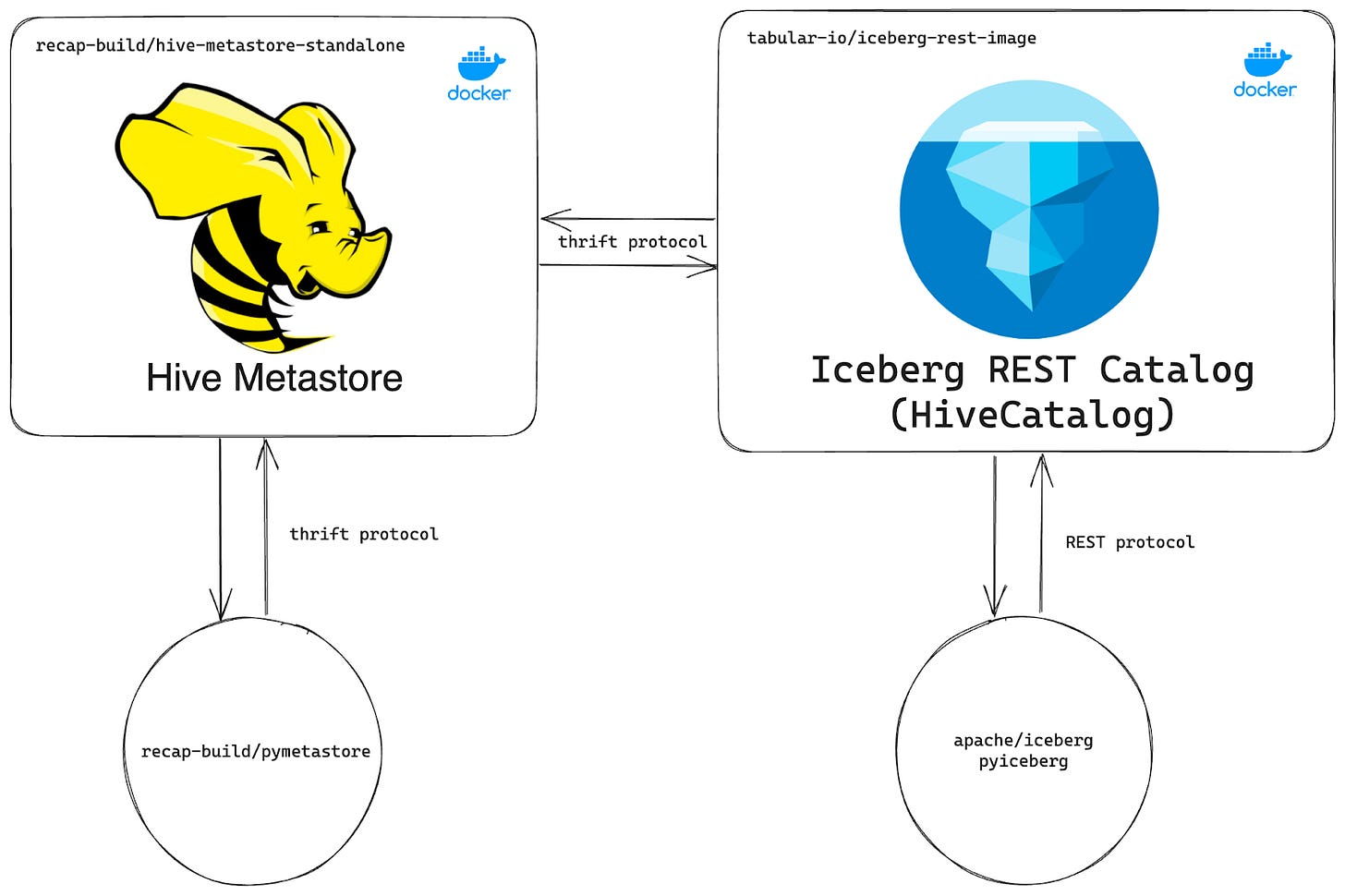
Iceberg REST Catalog with Hive Metastore by Kevin Liu
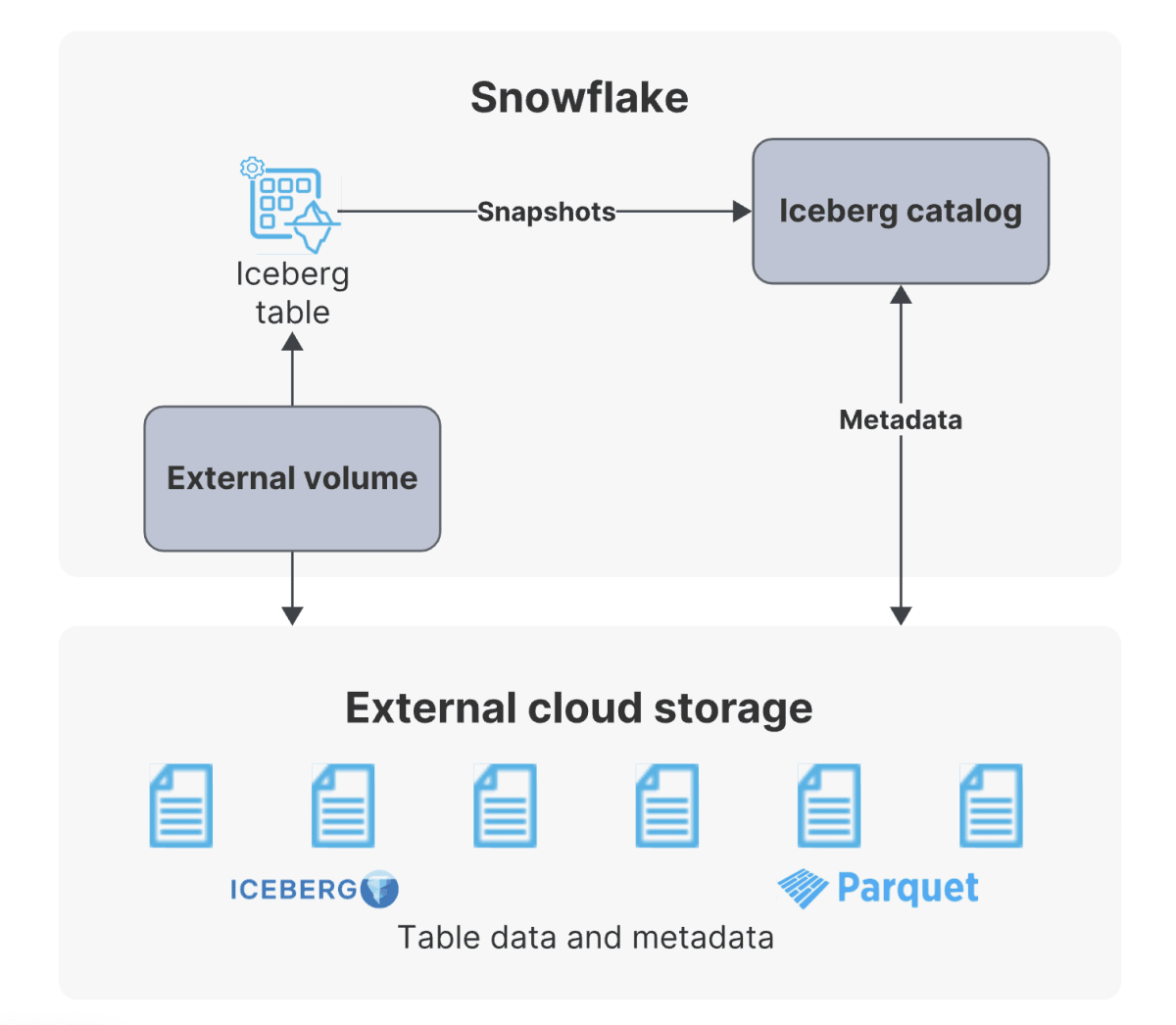
Snowflake新機能: Iceberg Table と Polaris Catalog の仕組み

Understanding the Future of Apache Iceberg Catalogs Alex's Iceberg
Related Post: