
Edelbrock Free Catalog
Edelbrock Free Catalog - Similarly, an industrial designer uses form, texture, and even sound to communicate how a product should be used. For any issues that cannot be resolved with these simple troubleshooting steps, our dedicated customer support team is available to assist you. This combination creates a powerful cycle of reinforcement that is difficult for purely digital or purely text-based systems to match. A truncated axis, one that does not start at zero, can dramatically exaggerate differences in a bar chart, while a manipulated logarithmic scale can either flatten or amplify trends in a line chart. Their emotional system, following the old, scarred blueprint, reacts to a present, safe reality as if it were a repeat of the past danger. If it detects a loss of control or a skid, it can reduce engine power and apply braking to individual wheels to help you stay on your intended path. 72This design philosophy aligns perfectly with a key psychological framework known as Cognitive Load Theory (CLT). You start with the central theme of the project in the middle of a page and just start branching out with associated words, concepts, and images. After the download has finished, you will have a PDF copy of the owner's manual saved on your device. If you encounter resistance, re-evaluate your approach and consult the relevant section of this manual. Users wanted more. This involves more than just choosing the right chart type; it requires a deliberate set of choices to guide the viewer’s attention and interpretation. However, another school of thought, championed by contemporary designers like Giorgia Lupi and the "data humanism" movement, argues for a different kind of beauty. I could defend my decision to use a bar chart over a pie chart not as a matter of personal taste, but as a matter of communicative effectiveness and ethical responsibility. We are culturally conditioned to trust charts, to see them as unmediated representations of fact. The world of these tangible, paper-based samples, with all their nuance and specificity, was irrevocably altered by the arrival of the internet. With the old rotor off, the reassembly process can begin. That one comment, that external perspective, sparked a whole new direction and led to a final design that was ten times stronger and more conceptually interesting. However, the chart as we understand it today in a statistical sense—a tool for visualizing quantitative, non-spatial data—is a much more recent innovation, a product of the Enlightenment's fervor for reason, measurement, and empirical analysis. All of these evolutions—the searchable database, the immersive visuals, the social proof—were building towards the single greatest transformation in the history of the catalog, a concept that would have been pure science fiction to the mail-order pioneers of the 19th century: personalization. We are entering the era of the algorithmic template. Unlike traditional software, the printable is often presented not as a list of features, but as a finished, aesthetically pleasing image, showcasing its potential final form. A river carves a canyon, a tree reaches for the sun, a crystal forms in the deep earth—these are processes, not projects. The field of cognitive science provides a fascinating explanation for the power of this technology. Whether it is used to map out the structure of an entire organization, tame the overwhelming schedule of a student, or break down a large project into manageable steps, the chart serves a powerful anxiety-reducing function. This was a feature with absolutely no parallel in the print world. The phenomenon demonstrates a powerful decentralizing force, allowing individual creators to distribute their work globally and enabling users to become producers in their own homes. The familiar structure of a catalog template—the large image on the left, the headline and description on the right, the price at the bottom—is a pattern we have learned. They can walk around it, check its dimensions, and see how its color complements their walls. The vehicle is also equipped with a wireless charging pad, located in the center console, allowing you to charge compatible smartphones without the clutter of cables. The print catalog was a one-to-many medium. It is imperative that this manual be read in its entirety and fully understood before any service or repair action is undertaken. This wasn't just about picking pretty colors; it was about building a functional, robust, and inclusive color system. The world is drowning in data, but it is starving for meaning. The basin and lid can be washed with warm, soapy water. The resurgence of knitting has been accompanied by a growing appreciation for its cultural and historical significance. It’s funny, but it illustrates a serious point. To do this, you can typically select the chart and use a "Move Chart" function to place it on a new, separate sheet within your workbook. A perfectly balanced kitchen knife, a responsive software tool, or an intuitive car dashboard all work by anticipating the user's intent and providing clear, immediate feedback, creating a state of effortless flow where the interface between person and object seems to dissolve. 39 This type of chart provides a visual vocabulary for emotions, helping individuals to identify, communicate, and ultimately regulate their feelings more effectively. In our digital age, the physical act of putting pen to paper has become less common, yet it engages our brains in a profoundly different and more robust way than typing. This system is the single source of truth for an entire product team. Ensure that your smartphone or tablet has its Bluetooth functionality enabled. Worksheets for math, reading, and science are widely available. This led me to the work of statisticians like William Cleveland and Robert McGill, whose research in the 1980s felt like discovering a Rosetta Stone for chart design. He nodded slowly and then said something that, in its simplicity, completely rewired my brain. The industry will continue to grow and adapt to new technologies. Frustrated by the dense and inscrutable tables of data that were the standard of his time, Playfair pioneered the visual forms that now dominate data representation. The globalized supply chains that deliver us affordable goods are often predicated on vast inequalities in labor markets. It begins with a problem, a need, a message, or a goal that belongs to someone else. The sonata form in classical music, with its exposition, development, and recapitulation, is a musical template. The goal isn't just to make things pretty; it's to make things work better, to make them clearer, easier, and more meaningful for people. Understanding these core specifications is essential for accurate diagnosis and for sourcing correct replacement components. This idea of the template as a tool of empowerment has exploded in the last decade, moving far beyond the world of professional design software. Analyzing this sample raises profound questions about choice, discovery, and manipulation. Try moving closer to your Wi-Fi router or, if possible, connecting your computer directly to the router with an Ethernet cable and attempting the download again. The goal of testing is not to have users validate how brilliant your design is. A slight bend in your knees is ideal. While the convenience is undeniable—the algorithm can often lead to wonderful discoveries of things we wouldn't have found otherwise—it comes at a cost. Don Norman’s classic book, "The Design of Everyday Things," was a complete game-changer for me in this regard. Learning about the Bauhaus and their mission to unite art and industry gave me a framework for thinking about how to create systems, not just one-off objects. We are confident that your Endeavour will exceed your expectations. Practice drawing from life as much as possible. Complementing the principle of minimalism is the audience-centric design philosophy championed by expert Stephen Few, which emphasizes creating a chart that is optimized for the cognitive processes of the viewer. Following Playfair's innovations, the 19th century became a veritable "golden age" of statistical graphics, a period of explosive creativity and innovation in the field. They design and print stickers that fit their planner layouts perfectly. The object itself is often beautiful, printed on thick, matte paper with a tactile quality. The grid ensured a consistent rhythm and visual structure across multiple pages, making the document easier for a reader to navigate. There is the immense and often invisible cost of logistics, the intricate dance of the global supply chain that brings the product from the factory to a warehouse and finally to your door. Your vehicle's instrument panel is designed to provide you with essential information clearly and concisely. It is, perhaps, the most optimistic of all the catalog forms. The future will require designers who can collaborate with these intelligent systems, using them as powerful tools while still maintaining their own critical judgment and ethical compass. The layout was a rigid, often broken, grid of tables. It was a secondary act, a translation of the "real" information, the numbers, into a more palatable, pictorial format. It’s the moment you realize that your creativity is a tool, not the final product itself. The effectiveness of any printable chart, whether for professional or personal use, is contingent upon its design. As I look towards the future, the world of chart ideas is only getting more complex and exciting. Kitchen organization printables include meal planners and recipe cards. Set Small Goals: Break down larger projects into smaller, manageable tasks. By manipulating the intensity of blacks and whites, artists can create depth, volume, and dimension within their compositions.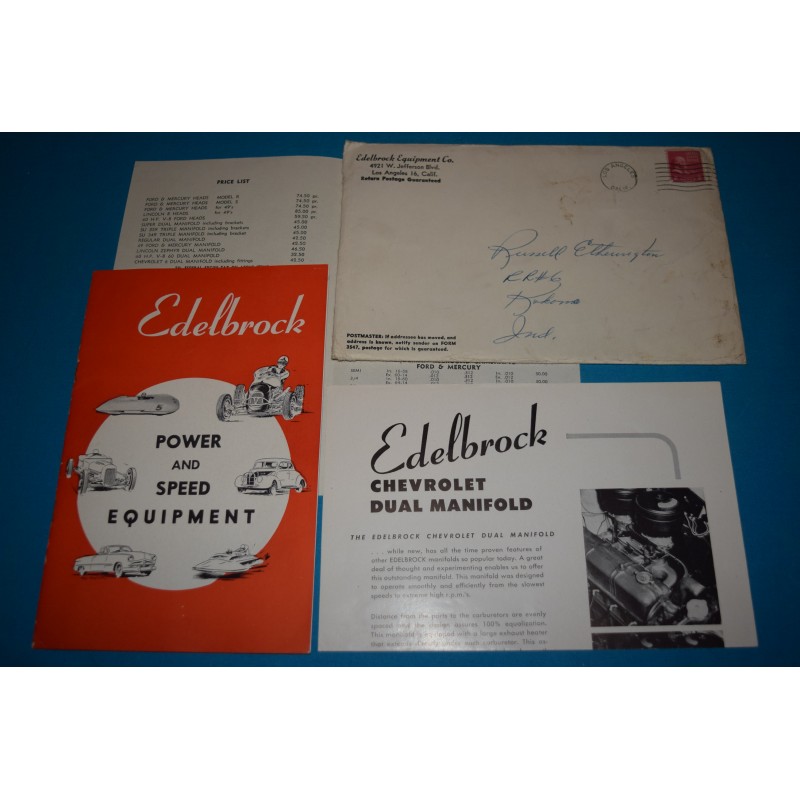
Original 1950 Edelbrock intake Catalog

Edelbrock parts catalog for ’59’60 (part II) The Jalopy Journal The

2017 Edition of the Edelbrock's Performance Catalog is Now Available
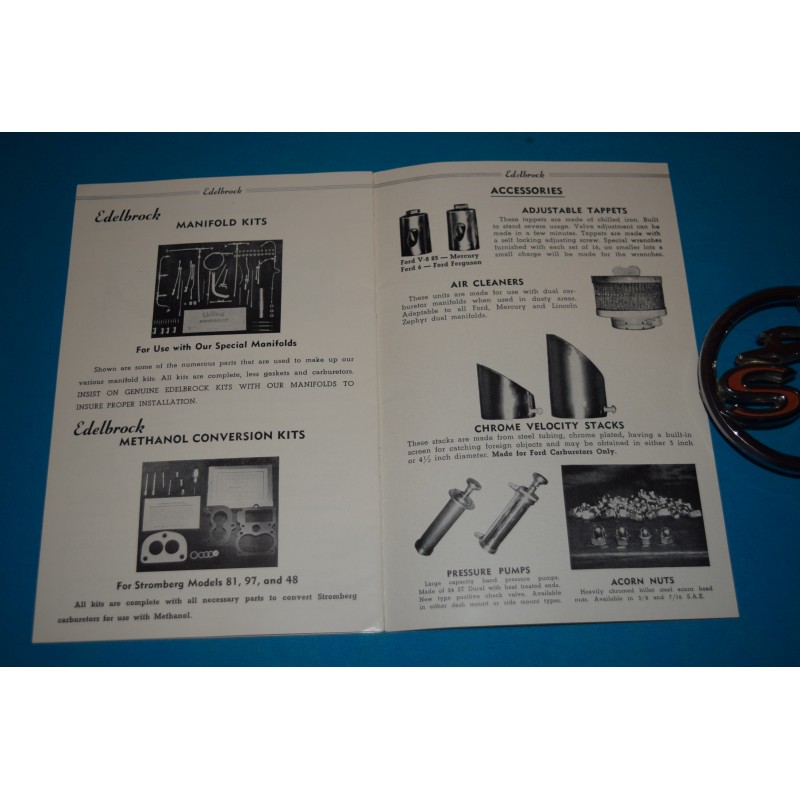
Original 1950 Edelbrock intake Catalog
Edelbrock Media Edelbrock 208 Digital Catalog Cdrom Poshmark
2015 Edelbrock catalog Matt Stone Cars

Edelbrock parts catalog for 1952 The Jalopy Journal The Jalopy Journal
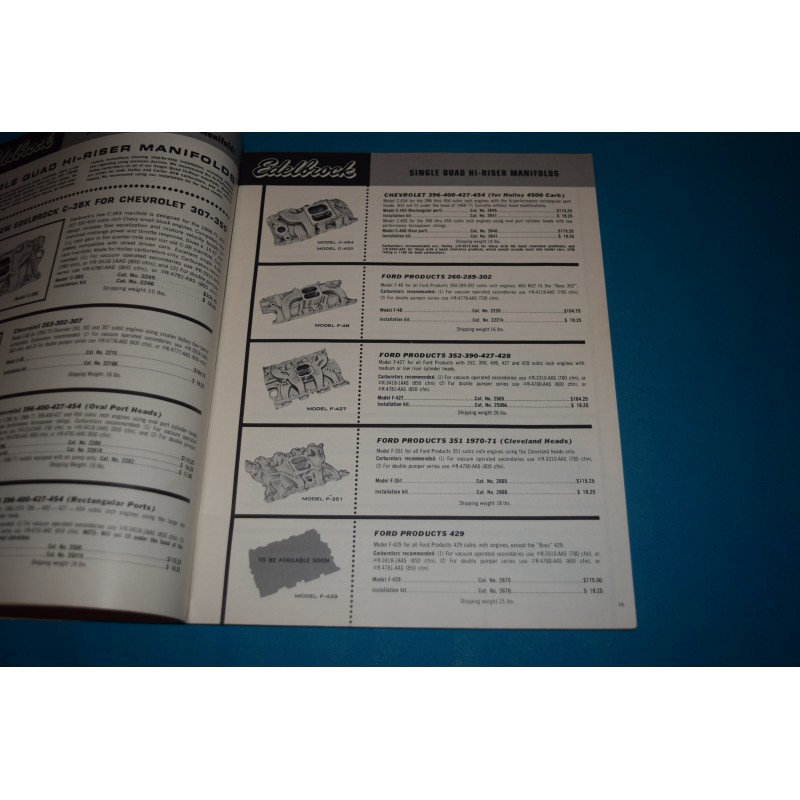
Original 1971 Edelbrock intake Catalog

1957 Edelbrock Catalog The Jalopy Journal The Jalopy Journal
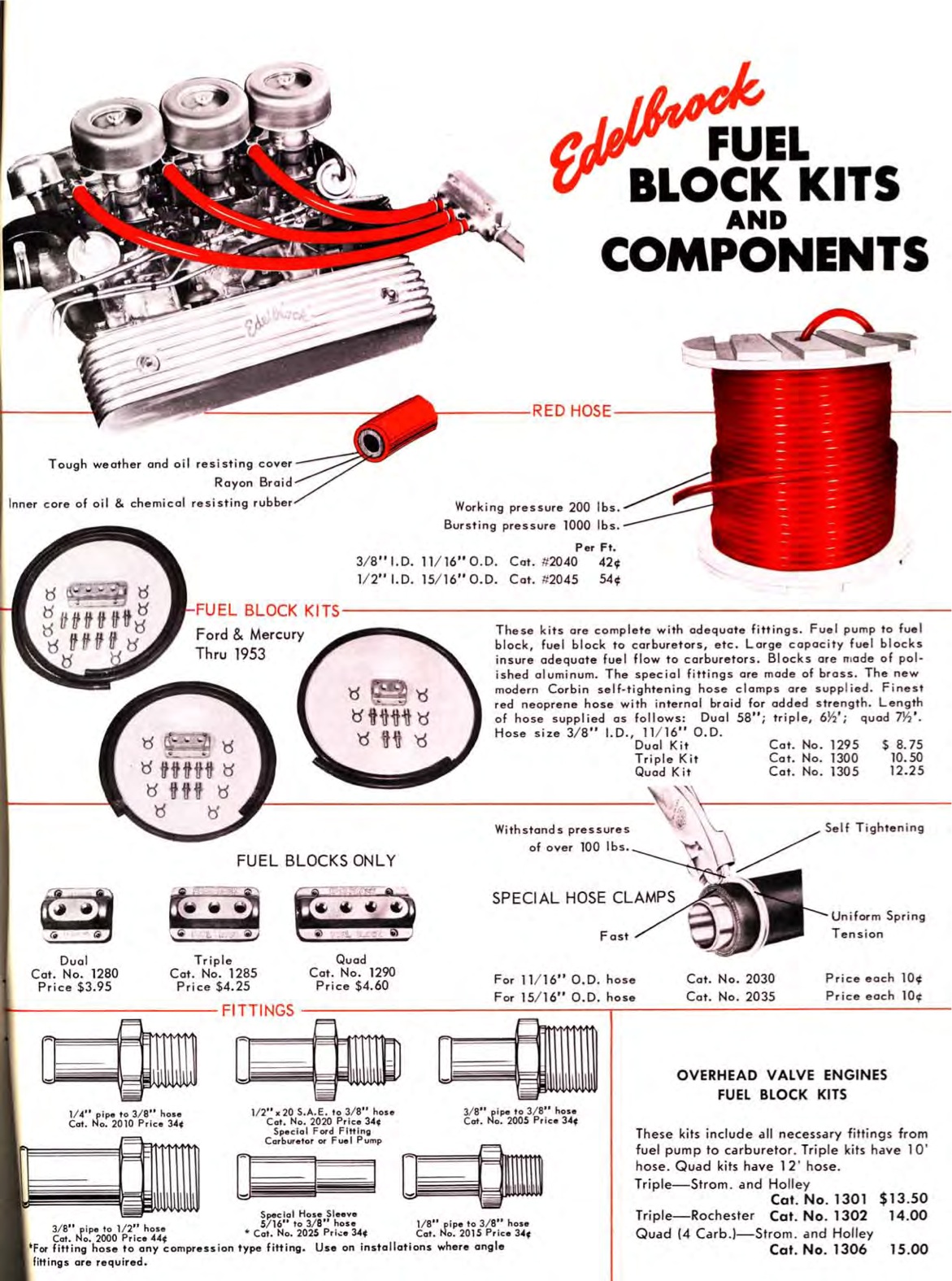
1957 Edelbrock Catalog The Jalopy Journal The Jalopy Journal

Edelbrock Vintage Wheel Catalogs

1957 Edelbrock Catalog The Jalopy Journal The Jalopy Journal

Edelbrock Group Catalogs Lunati®, LLC.

Edelbrock parts catalog for ’59’60 (part II) The Jalopy Journal The
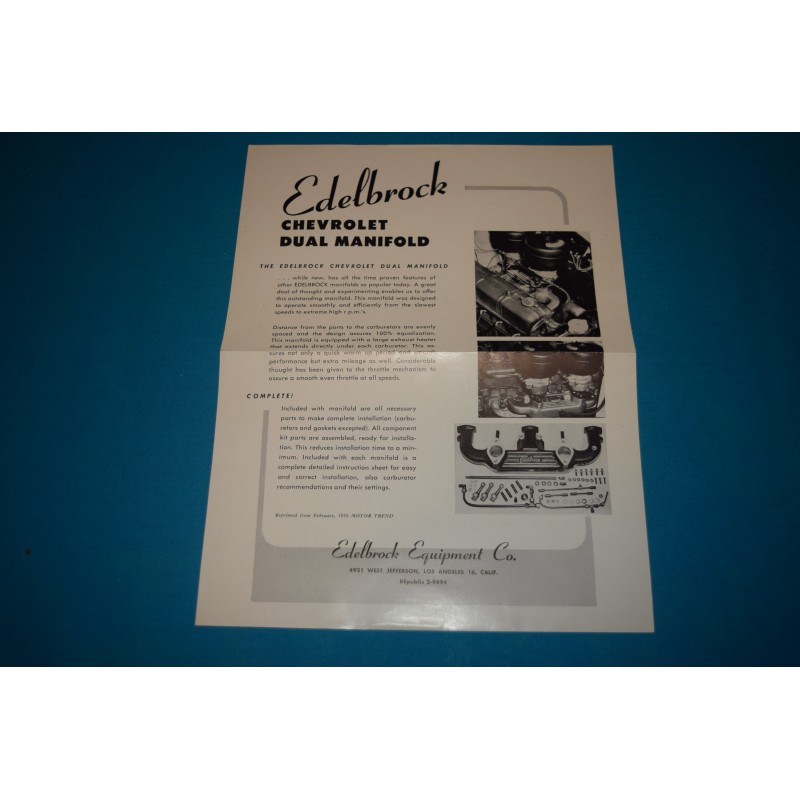
Original 1950 Edelbrock intake Catalog

Edelbrock parts catalog for 1953 The Jalopy Journal The Jalopy Journal

Original 1971 Edelbrock intake Catalog
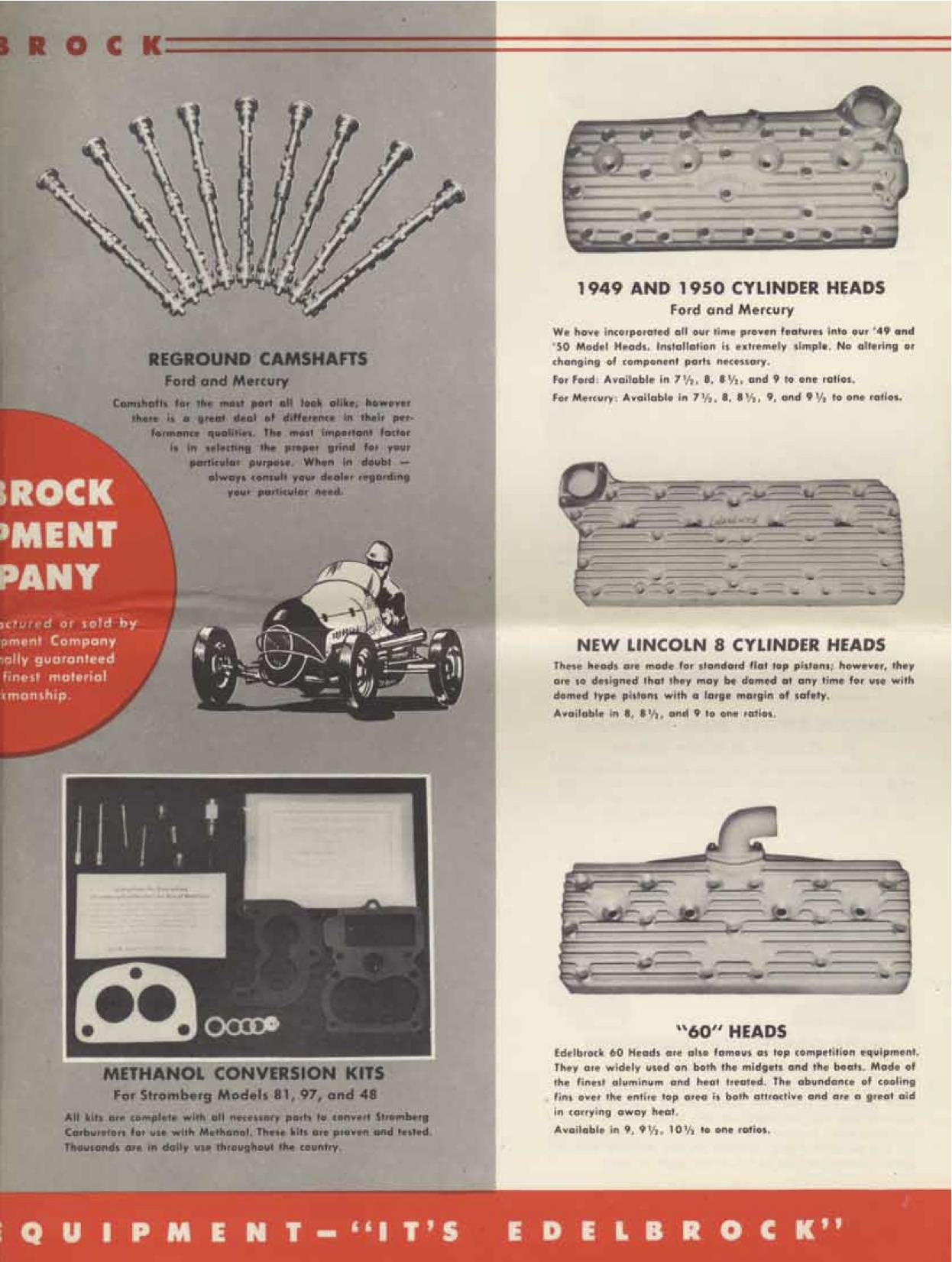
Edelbrock parts catalog for 1952 The Jalopy Journal The Jalopy Journal

Original 1950 Edelbrock intake Catalog
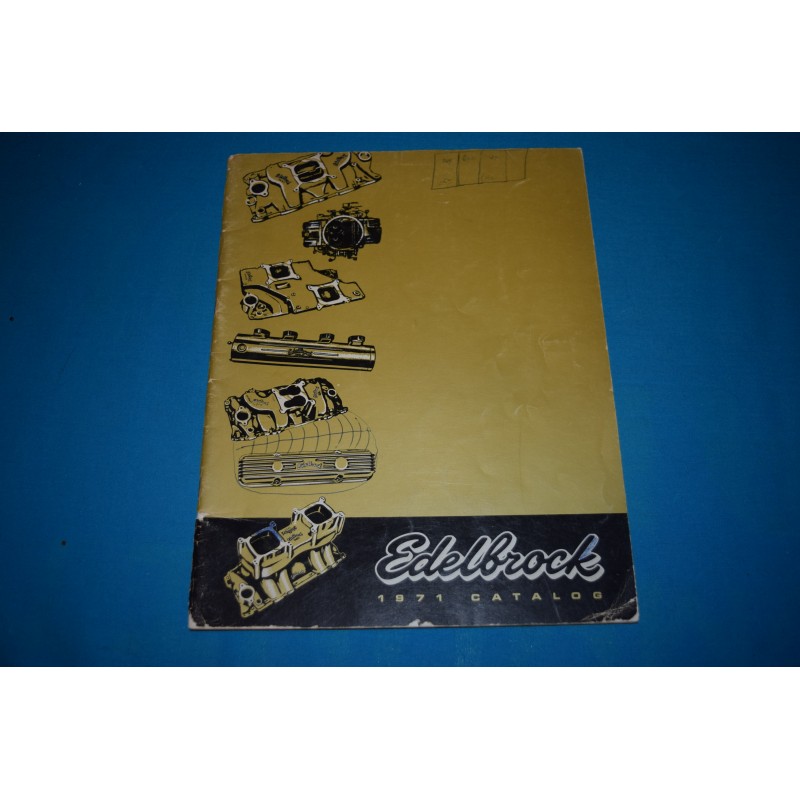
Original 1971 Edelbrock intake Catalog

Edelbrock parts catalog for ’59’60 (part II) The Jalopy Journal The
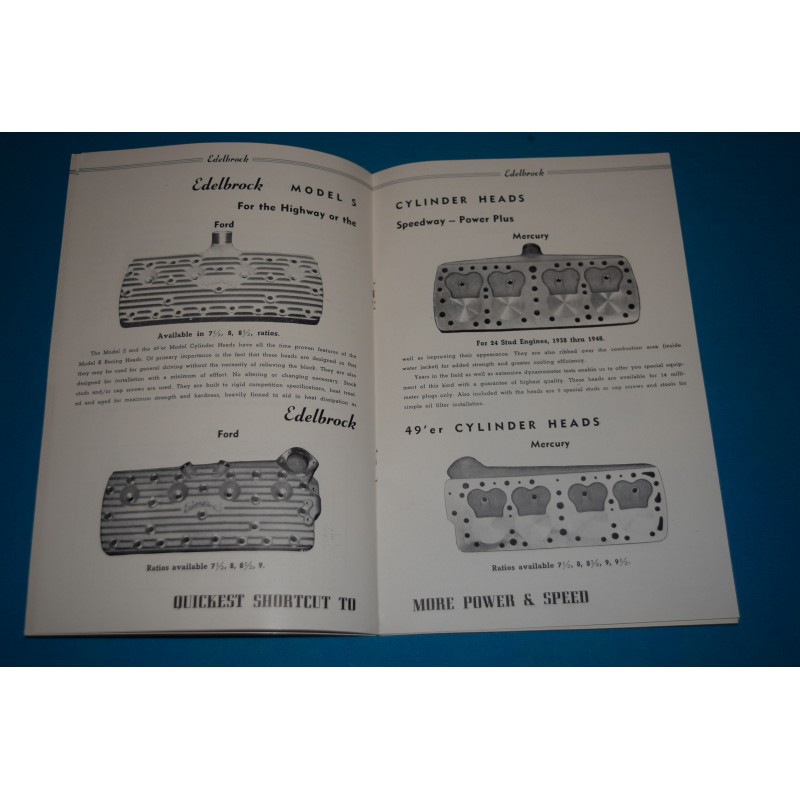
Original 1950 Edelbrock intake Catalog

Edelbrock Vintage Wheel Catalogs

Edelbrock HiPerformance Equipment Catalog 1969Manifoldscarbsvalve
Edelbrock Performer Series Carburetors Catalog 1403, 1404, 1405, 1406

Original Vintage 1964 Hot Rod Parts Catalog EDELBROCK Drag Racing NHRA

Edelbrock Announces its 2017 Performance Catalog Engine Builder Magazine

Edelbrock Catalog 1990Corvette road racer coverCamsmanifoldsexhaust

Edelbrock Vintage Wheel Catalogs
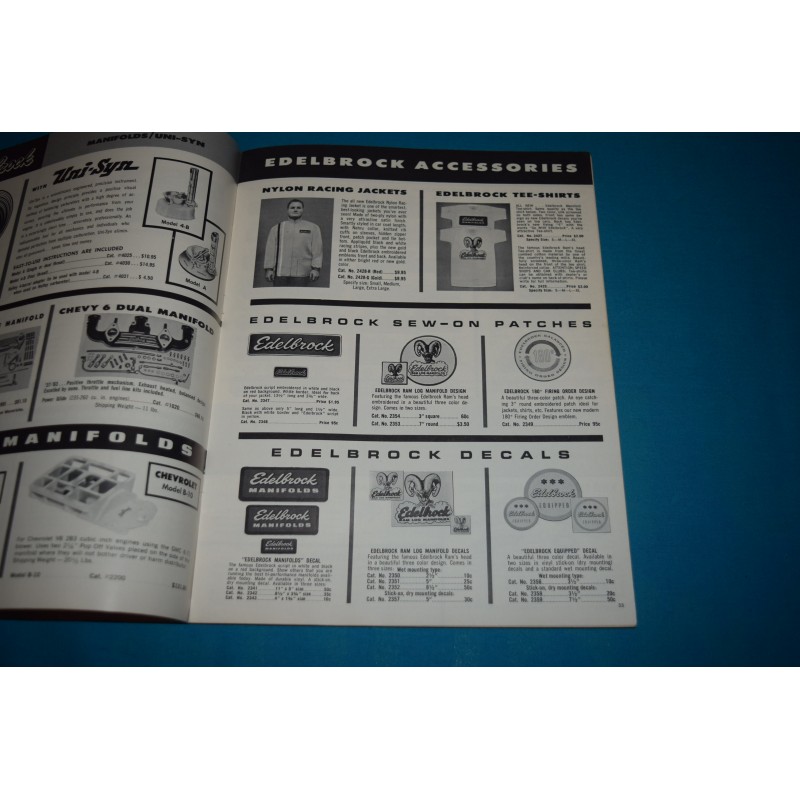
Original 1971 Edelbrock intake Catalog

Edelbrock parts catalog for ’59’60 (part II) The Jalopy Journal The

Edelbrock 1968 Speed Equipment Vintage Parts catalog, 32 Page PDF File
Edelbrock 2008 Digital Catalog CDROM Automotive... Depop

1957 Edelbrock Catalog The Jalopy Journal The Jalopy Journal

The Edelbrock 2010 Catalog Add it To Your Automotive Bookshelf Dragzine
Related Post:
