
Decor Moulding Catalog
Decor Moulding Catalog - 55 Furthermore, an effective chart design strategically uses pre-attentive attributes—visual properties like color, size, and position that our brains process automatically—to create a clear visual hierarchy. They were the visual equivalent of a list, a dry, perfunctory task you had to perform on your data before you could get to the interesting part, which was writing the actual report. This is the art of data storytelling. And while the minimalist studio with the perfect plant still sounds nice, I know now that the real work happens not in the quiet, perfect moments of inspiration, but in the messy, challenging, and deeply rewarding process of solving problems for others. Use this manual in conjunction with those resources. It’s a checklist of questions you can ask about your problem or an existing idea to try and transform it into something new. The very shape of the placeholders was a gentle guide, a hint from the original template designer about the intended nature of the content. I embrace them. This is when I discovered the Sankey diagram. The writer is no longer wrestling with formatting, layout, and organization; they are focused purely on the content. Small business owners, non-profit managers, teachers, and students can now create social media graphics, presentations, and brochures that are well-designed and visually coherent, simply by choosing a template and replacing the placeholder content with their own. The first real breakthrough in my understanding was the realization that data visualization is a language. In the midst of the Crimean War, she wasn't just tending to soldiers; she was collecting data. For times when you're truly stuck, there are more formulaic approaches, like the SCAMPER method. I've learned that this is a field that sits at the perfect intersection of art and science, of logic and emotion, of precision and storytelling. I was working on a branding project for a fictional coffee company, and after three days of getting absolutely nowhere, my professor sat down with me. A weekly cleaning schedule breaks down chores into manageable steps. Similarly, an industrial designer uses form, texture, and even sound to communicate how a product should be used. It is a device for focusing attention, for framing a narrative, and for turning raw information into actionable knowledge. Heavy cardstock is recommended for items like invitations and art. The principles they established for print layout in the 1950s are the direct ancestors of the responsive grid systems we use to design websites today. We encounter it in the morning newspaper as a jagged line depicting the stock market's latest anxieties, on our fitness apps as a series of neat bars celebrating a week of activity, in a child's classroom as a colourful sticker chart tracking good behaviour, and in the background of a television news report as a stark graph illustrating the inexorable rise of global temperatures. This realization led me to see that the concept of the template is far older than the digital files I was working with. This experience taught me to see constraints not as limitations but as a gift. This empathetic approach transforms the designer from a creator of things into an advocate for the user. The primary material for a growing number of designers is no longer wood, metal, or paper, but pixels and code. But perhaps its value lies not in its potential for existence, but in the very act of striving for it. It feels like an attack on your talent and your identity. But when I started applying my own system to mockups of a website and a brochure, the magic became apparent. By externalizing health-related data onto a physical chart, individuals are empowered to take a proactive and structured approach to their well-being. Understanding the capabilities and limitations of your vehicle is the first and most crucial step toward ensuring the safety of yourself, your passengers, and those around you. I wish I could explain that ideas aren’t out there in the ether, waiting to be found. The materials chosen for a piece of packaging contribute to a global waste crisis. In the practical world of design and engineering, the ghost template is an indispensable tool of precision and efficiency. First studied in the 19th century, the Forgetting Curve demonstrates that we forget a startling amount of new information very quickly—up to 50 percent within an hour and as much as 90 percent within a week. Drawing also stimulates cognitive functions such as problem-solving and critical thinking, encouraging individuals to observe, analyze, and interpret the world around them. It excels at showing discrete data, such as sales figures across different regions or population counts among various countries. This makes it a low-risk business model. It meant a marketing manager or an intern could create a simple, on-brand presentation or social media graphic with confidence, without needing to consult a designer for every small task. The power of a template is its ability to provide a scaffold, liberating us from the need to reinvent the wheel with every new project. It is the weekly planner downloaded from a productivity blog, the whimsical coloring page discovered on Pinterest for a restless child, the budget worksheet shared in a community of aspiring savers, and the inspirational wall art that transforms a blank space. The natural human reaction to criticism of something you’ve poured hours into is to become defensive. Finally, it’s crucial to understand that a "design idea" in its initial form is rarely the final solution. I've learned that this is a field that sits at the perfect intersection of art and science, of logic and emotion, of precision and storytelling. And yet, even this complex breakdown is a comforting fiction, for it only includes the costs that the company itself has had to pay. It must be a high-resolution file to ensure that lines are sharp and text is crisp when printed. It is a journey from uncertainty to clarity. This entire process is a crucial part of what cognitive scientists call "encoding," the mechanism by which the brain analyzes incoming information and decides what is important enough to be stored in long-term memory. The strategic use of a printable chart is, ultimately, a declaration of intent—a commitment to focus, clarity, and deliberate action in the pursuit of any goal. Journaling kits with printable ephemera are sold on many platforms. It is a form of passive income, though it requires significant upfront work. We have explored its remarkable versatility, seeing how the same fundamental principles of visual organization can bring harmony to a chaotic household, provide a roadmap for personal fitness, clarify complex structures in the professional world, and guide a student toward academic success. As discussed, charts leverage pre-attentive attributes that our brains can process in parallel, without conscious effort. Artists might use data about climate change to create a beautiful but unsettling sculpture, or data about urban traffic to compose a piece of music. There is no persuasive copy, no emotional language whatsoever. We all had the same logo, but it was treated so differently on each application that it was barely recognizable as the unifying element. A set of combination wrenches will be your next most-used item, invaluable for getting into tight spaces where a socket will not fit. Comparing two slices of a pie chart is difficult, and comparing slices across two different pie charts is nearly impossible. This powerful extension of the printable concept ensures that the future of printable technology will be about creating not just representations of things, but the things themselves. Every element on the chart should serve this central purpose. From this concrete world of light and pigment, the concept of the value chart can be expanded into the far more abstract realm of personal identity and self-discovery. 11 A physical chart serves as a tangible, external reminder of one's intentions, a constant visual cue that reinforces commitment. Our brains are not naturally equipped to find patterns or meaning in a large table of numbers. We were tasked with creating a campaign for a local music festival—a fictional one, thankfully. By the 14th century, knitting had become established in Europe, where it was primarily a male-dominated craft. It is a fundamental recognition of human diversity, challenging designers to think beyond the "average" user and create solutions that work for everyone, without the need for special adaptation. It created a clear hierarchy, dictating which elements were most important and how they related to one another. If the device is not being recognized by a computer, try a different USB port and a different data cable to rule out external factors. The very design of the catalog—its order, its clarity, its rejection of ornamentation—was a demonstration of the philosophy embodied in the products it contained. It empowers individuals by providing access to resources for organization, education, and creativity that were once exclusively available through commercial, mass-produced products. For these customers, the catalog was not one of many shopping options; it was a lifeline, a direct connection to the industrializing, modern world. How does a user "move through" the information architecture? What is the "emotional lighting" of the user interface? Is it bright and open, or is it focused and intimate? Cognitive psychology has been a complete treasure trove. Use a multimeter to check for continuity in relevant cabling, paying close attention to connectors, which can become loose due to vibration. Cartooning and Caricatures: Cartooning simplifies and exaggerates features to create a playful and humorous effect. 41 Each of these personal development charts serves the same fundamental purpose: to bring structure, clarity, and intentionality to the often-messy process of self-improvement. When I came to design school, I carried this prejudice with me. But it goes much further. The legendary Sears, Roebuck & Co. Teachers can find materials for every grade level and subject. The danger of omission bias is a significant ethical pitfall.
Decor Moulding Catalog
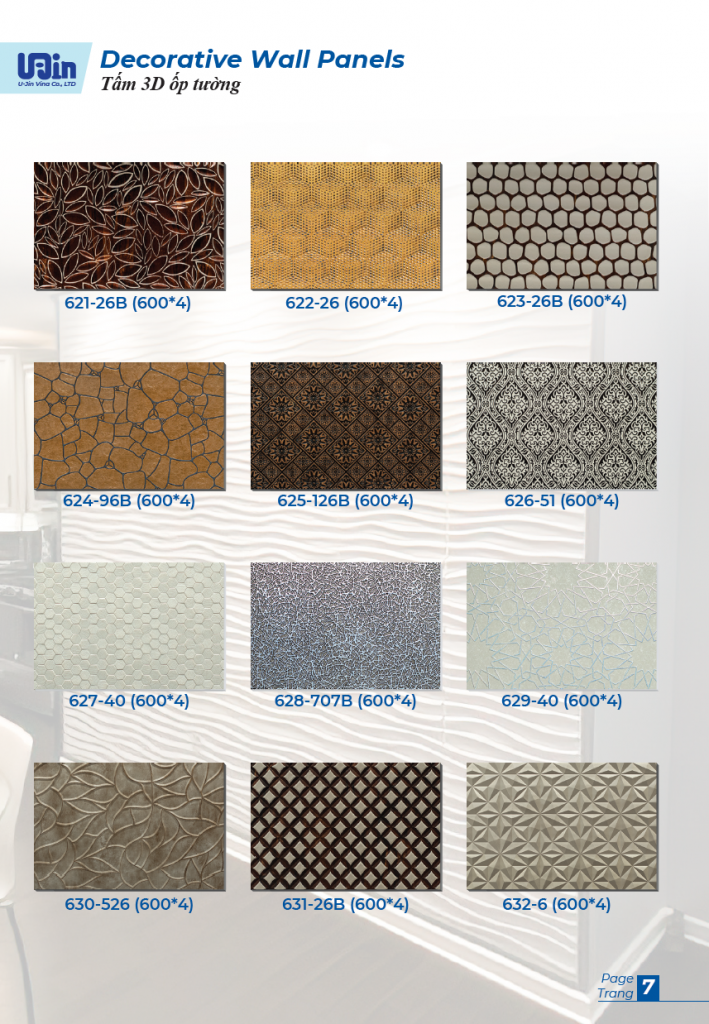
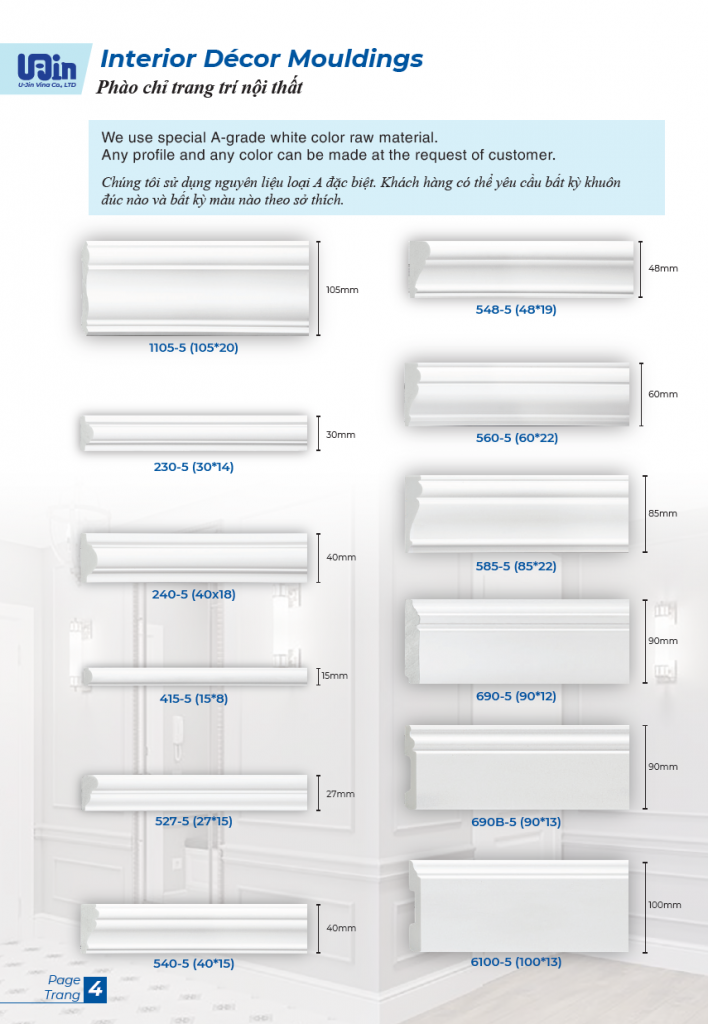
Interior Moulding UJIN MOULDING
Frame Mouldings for Every Style Decor Moulding

Decor Moulding Catalog

Decor Moulding Catalog

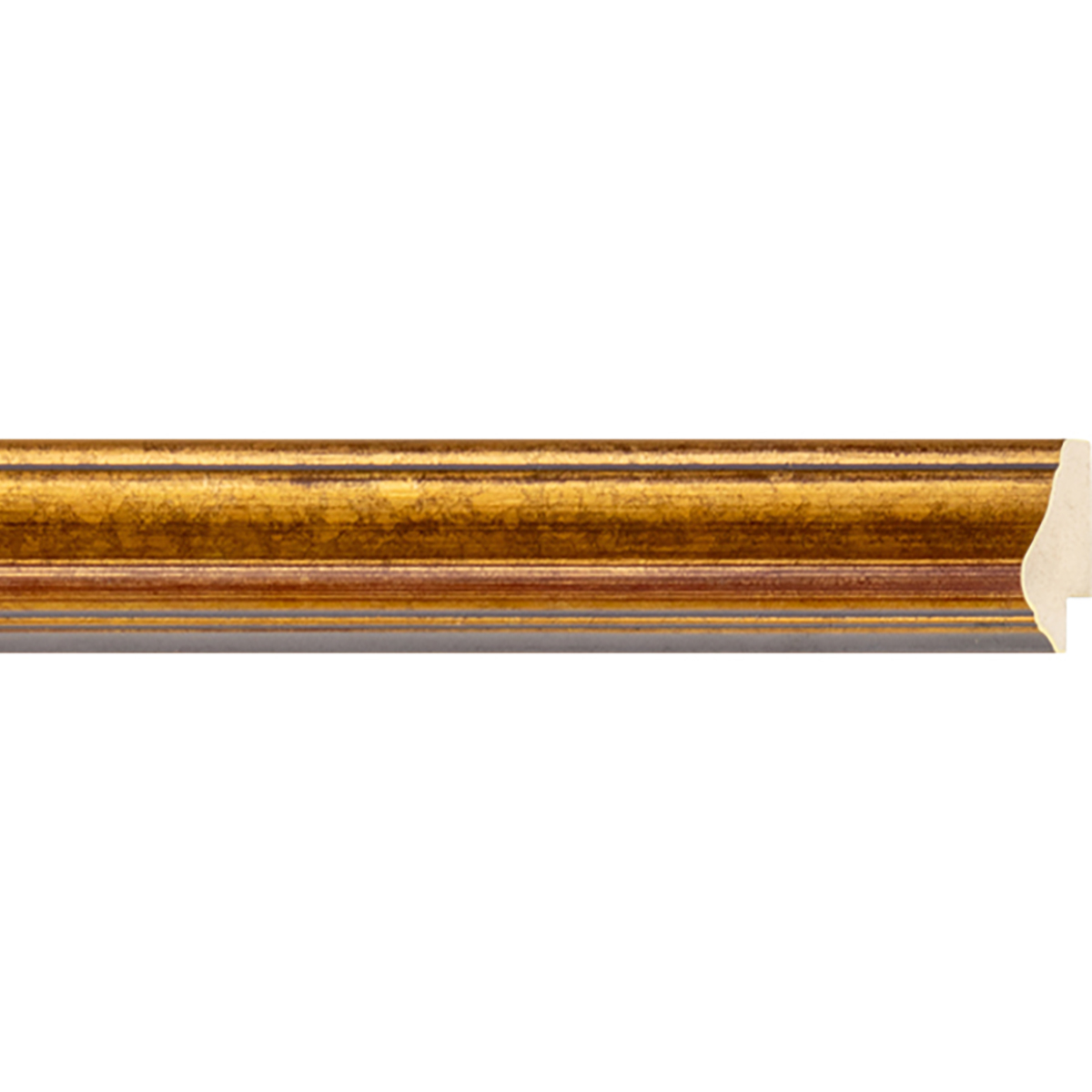
1 1/4" BROKEN GOLD LEAF Decor Moulding
to Decor Moulding & Supply

Decor Moulding Catalog

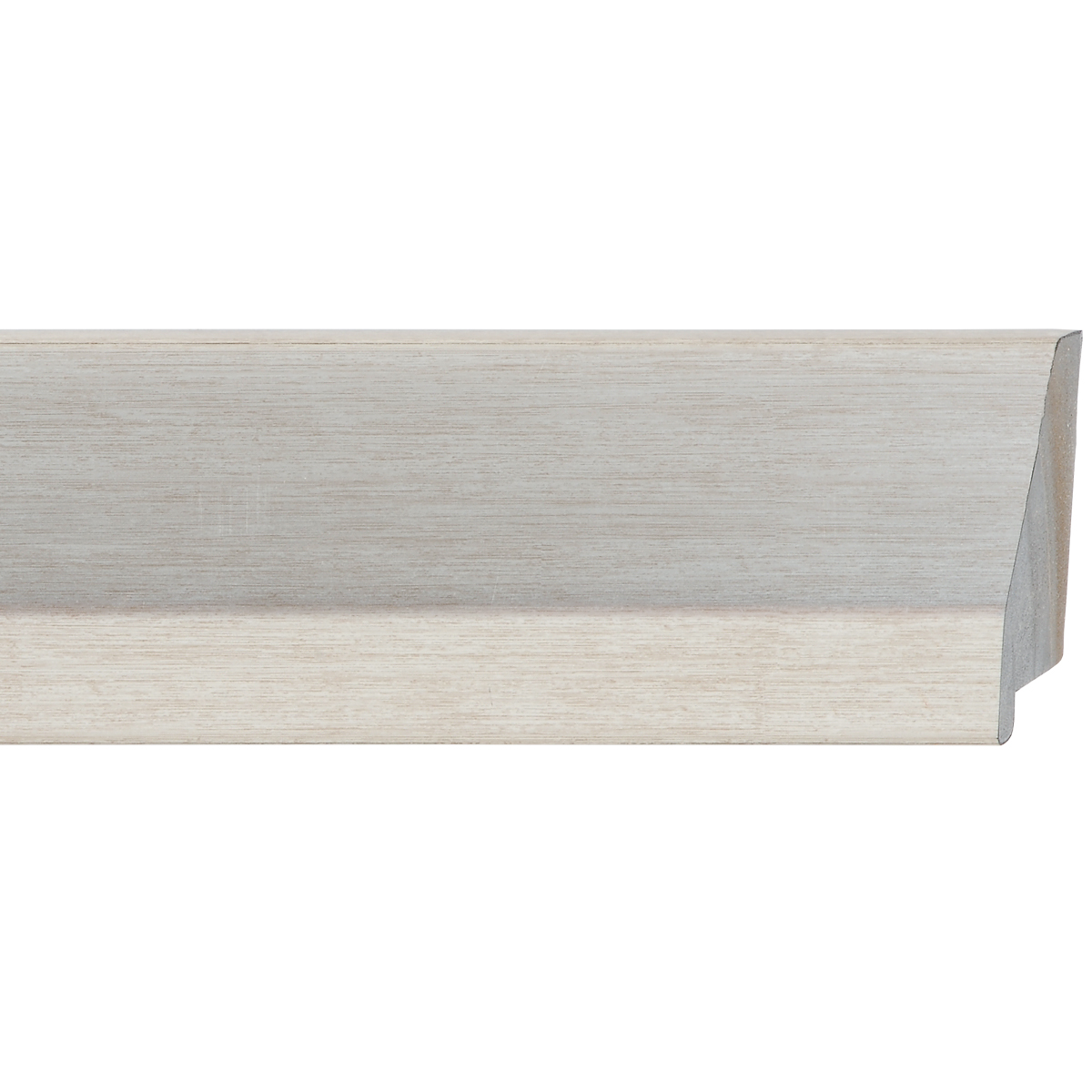
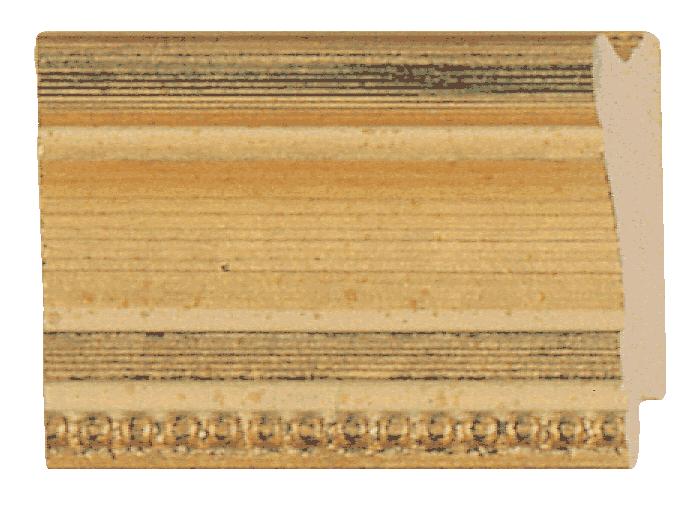
1" MLDG OAKMONT NATURAL Decor Moulding

Decor Moulding Catalog

Framing Machinery & Tools Decor Moulding
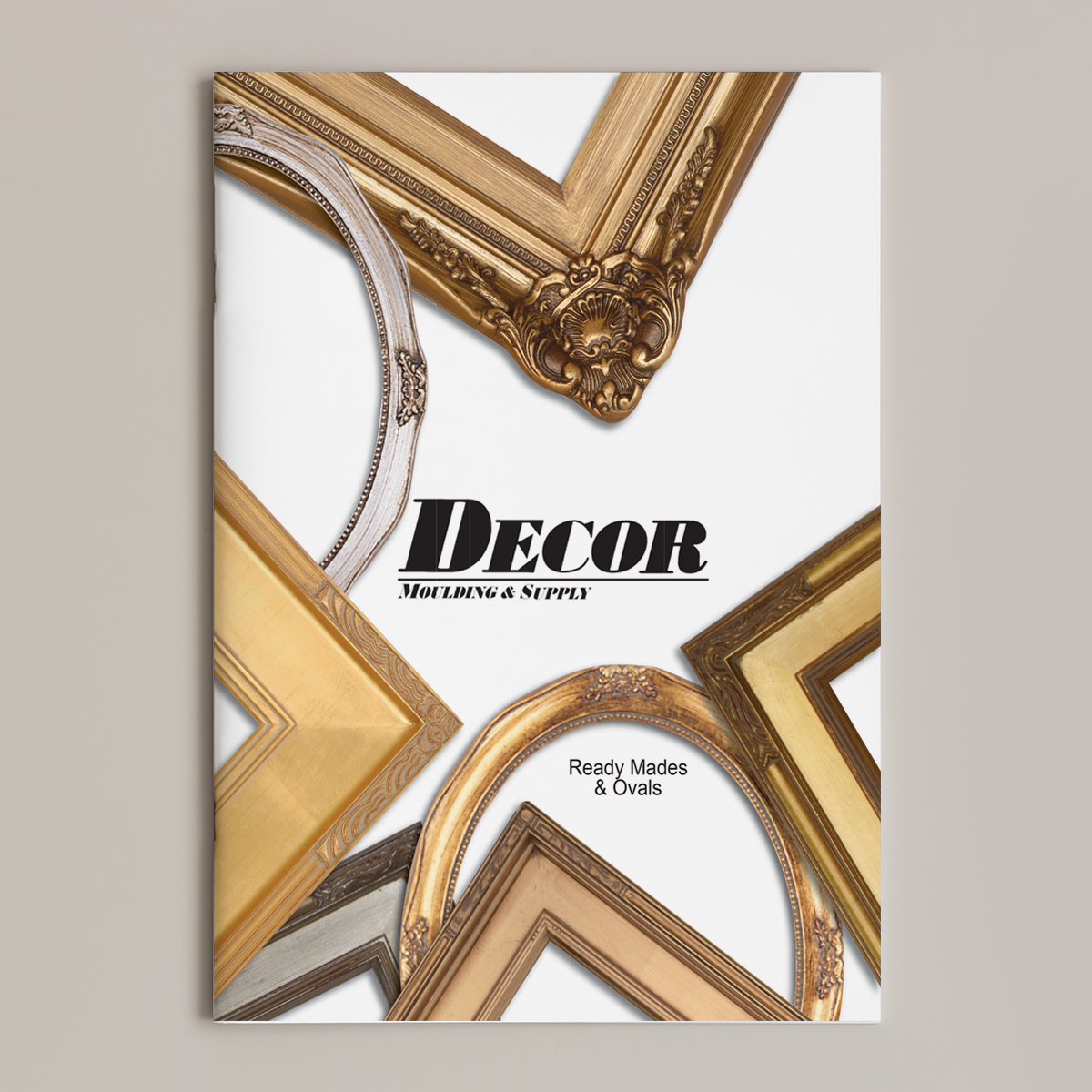
DECOR READYMADE CATALOG Decor Moulding

Decor Moulding Catalog

Quality Framing Supplies Decor Moulding
Frame Mouldings for Every Style Decor Moulding

DIY Guide To Decorative Mouldings

1 3/4"MLDG NATURAL Decor Moulding

1 3/4"MLDG NATURAL Decor Moulding

Timeless Wood Mouldings for Picture Framing Decor Moulding

1 3/4"MLDG NATURAL Decor Moulding
to Decor Moulding & Supply

POLYSTYRENE Products Style Decor Moulding

Decor Moulding Catalog
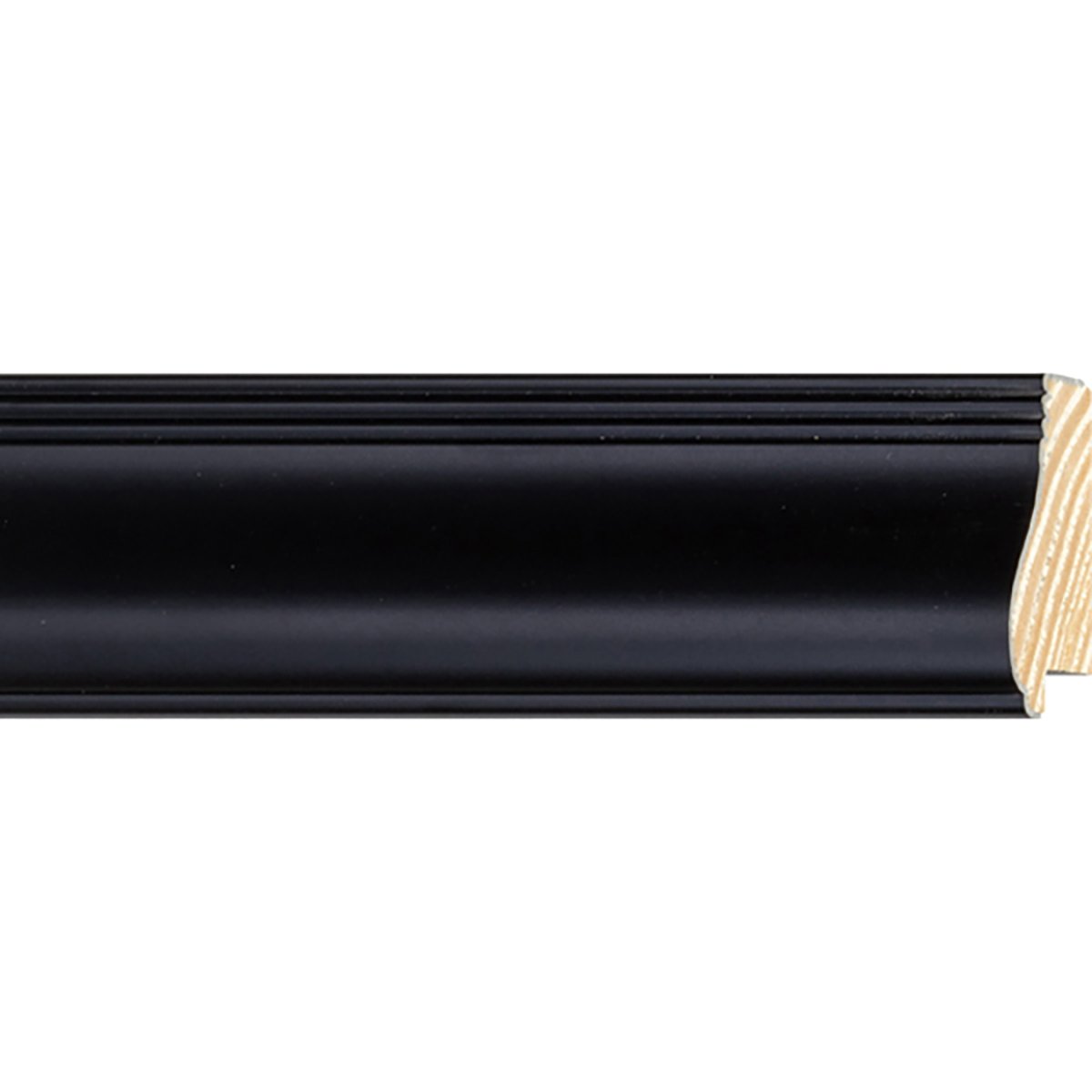
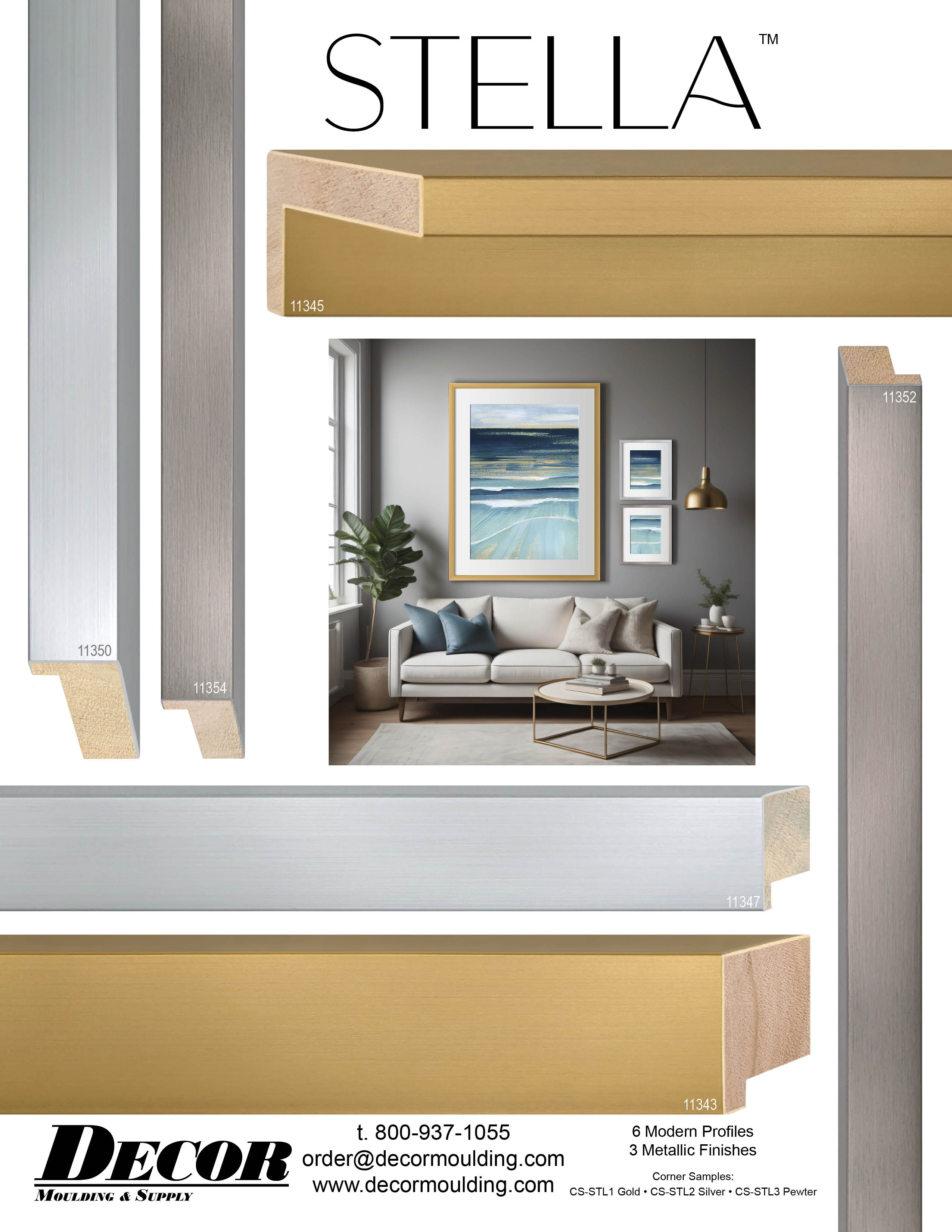
1" MLDG STELLA GOLD SHADOW BOX Decor Moulding
Interior Moulding UJIN MOULDING

1" MLDG WOODSTOCK NATURAL FLAT Decor Moulding
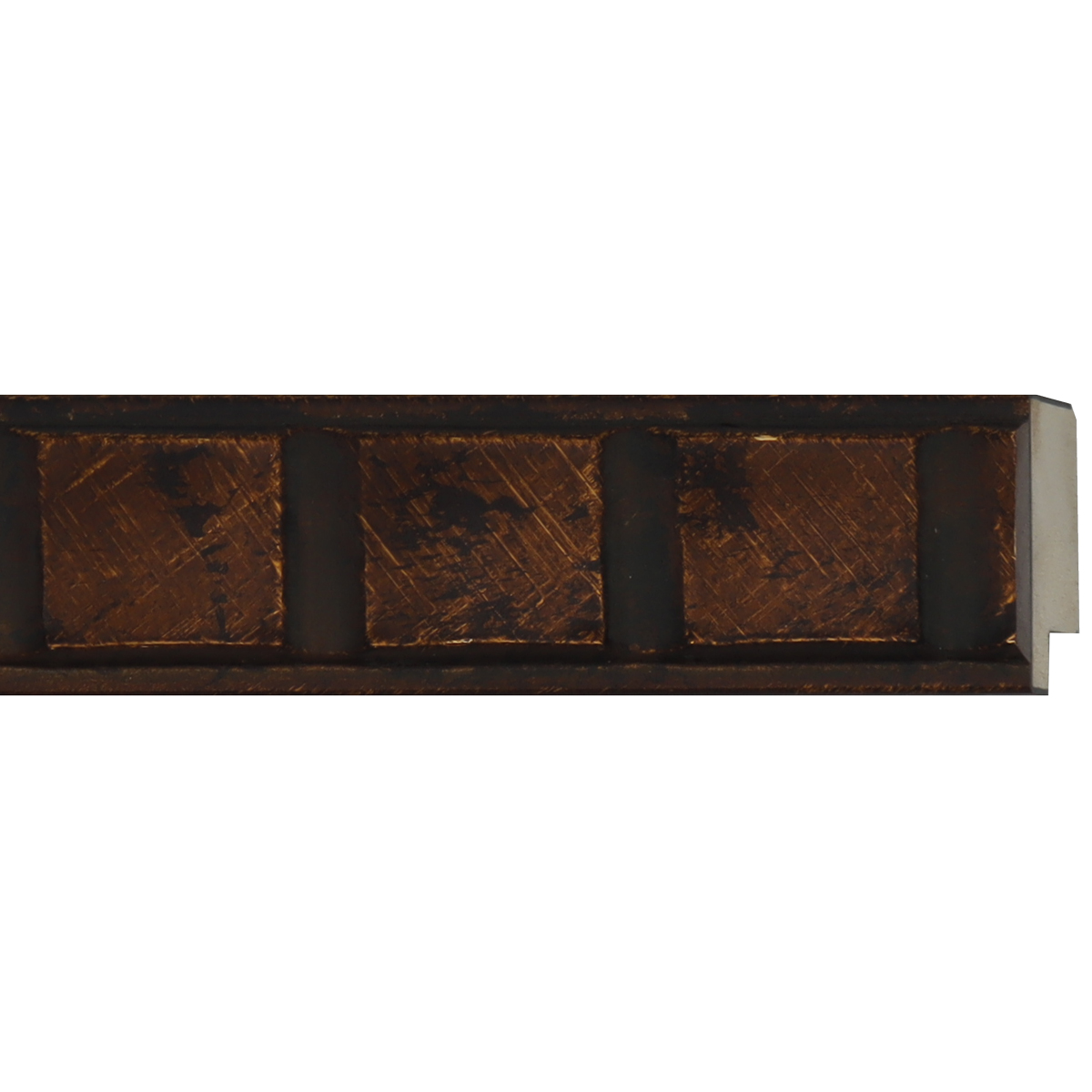
1" BEVELED WHEAT LINER Decor Moulding

CONT. GREY METAL MLDG STANDARD SIZE Decor Moulding

DIY Guide To Decorative Mouldings
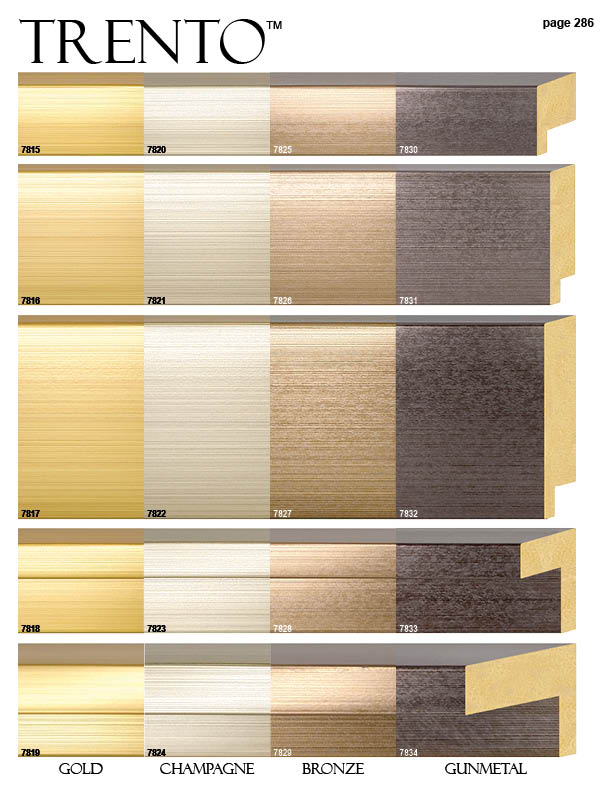
to Decor Moulding & Supply

Decor Moulding Catalog
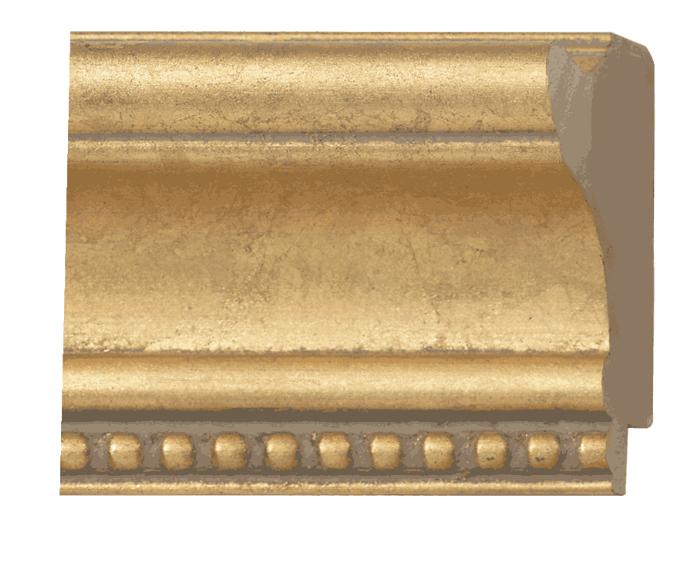
to Decor Moulding & Supply

Interior Moulding UJIN MOULDING

Picture Frame Moulding Catalog Decor Moulding

Decor Moulding Catalog
Related Post: