
Dearmond Catalog
Dearmond Catalog - The pioneering work of Ben Shneiderman in the 1990s laid the groundwork for this, with his "Visual Information-Seeking Mantra": "Overview first, zoom and filter, then details-on-demand. Artists might use data about climate change to create a beautiful but unsettling sculpture, or data about urban traffic to compose a piece of music. The journey from that naive acceptance to a deeper understanding of the chart as a complex, powerful, and profoundly human invention has been a long and intricate one, a process of deconstruction and discovery that has revealed this simple object to be a piece of cognitive technology, a historical artifact, a rhetorical weapon, a canvas for art, and a battleground for truth. You walk around it, you see it from different angles, you change its color and fabric with a gesture. When this translation is done well, it feels effortless, creating a moment of sudden insight, an "aha!" that feels like a direct perception of the truth. This posture ensures you can make steering inputs effectively while maintaining a clear view of the instrument cluster. A well-designed chair is not beautiful because of carved embellishments, but because its curves perfectly support the human spine, its legs provide unwavering stability, and its materials express their inherent qualities without deception. Marketing departments benefit significantly from graphic design templates, which facilitate the creation of eye-catching advertisements, social media posts, and promotional materials. Fractals exhibit a repeating pattern at every scale, creating an infinite complexity from simple recursive processes. It forces us to define what is important, to seek out verifiable data, and to analyze that data in a systematic way. It was a vision probably pieced together from movies and cool-looking Instagram accounts, where creativity was this mystical force that struck like lightning, and the job was mostly about having impeccable taste and knowing how to use a few specific pieces of software to make beautiful things. A powerful explanatory chart often starts with a clear, declarative title that states the main takeaway, rather than a generic, descriptive title like "Sales Over Time. In the vast digital expanse that defines our modern era, the concept of the "printable" stands as a crucial and enduring bridge between the intangible world of data and the solid, tactile reality of our physical lives. They were a call to action. In the business world, templates are indispensable for a wide range of functions. Listen for any unusual noises and feel for any pulsations. There are even specialized charts like a babysitter information chart, which provides a single, organized sheet with all the essential contact numbers and instructions needed in an emergency. " The chart becomes a tool for self-accountability. 58 By visualizing the entire project on a single printable chart, you can easily see the relationships between tasks, allocate your time and resources effectively, and proactively address potential bottlenecks, significantly reducing the stress and uncertainty associated with complex projects. This has empowered a new generation of creators and has blurred the lines between professional and amateur. In the contemporary digital landscape, the template has found its most fertile ground and its most diverse expression. 36 This detailed record-keeping is not just for posterity; it is the key to progressive overload and continuous improvement, as the chart makes it easy to see progress over time and plan future challenges. One person had put it in a box, another had tilted it, another had filled it with a photographic texture. Artists must also be careful about copyright infringement. Ultimately, design is an act of profound optimism. 30 For educators, the printable chart is a cornerstone of the learning environment. Nature has already solved some of the most complex design problems we face. I embrace them. It is a sample of a new kind of reality, a personalized world where the information we see is no longer a shared landscape but a private reflection of our own data trail. Whether knitting alone in a quiet moment of reflection or in the company of others, the craft fosters a sense of connection and belonging. There’s this pervasive myth of the "eureka" moment, the apple falling on the head, the sudden bolt from the blue that delivers a fully-formed, brilliant concept into the mind of a waiting genius. This has led to the now-common and deeply uncanny experience of seeing an advertisement on a social media site for a product you were just looking at on a different website, or even, in some unnerving cases, something you were just talking about. This is the danger of using the template as a destination rather than a starting point. An effective chart is one that is designed to work with your brain's natural tendencies, making information as easy as possible to interpret and act upon. If your OmniDrive refuses to start, do not immediately assume the starter motor is dead. But a great user experience goes further. By approaching journaling with a sense of curiosity and openness, individuals can gain greater insights into their inner world and develop a more compassionate relationship with themselves. Are we willing to pay a higher price to ensure that the person who made our product was treated with dignity and fairness? This raises uncomfortable questions about our own complicity in systems of exploitation. These considerations are no longer peripheral; they are becoming central to the definition of what constitutes "good" design. My initial reaction was dread. The printable chart is not an outdated relic but a timeless strategy for gaining clarity, focus, and control in a complex world. I began with a disdain for what I saw as a restrictive and uncreative tool. The classic example is the nose of the Japanese bullet train, which was redesigned based on the shape of a kingfisher's beak to reduce sonic booms when exiting tunnels. This democratizes access to professional-quality tools and resources. This type of sample represents the catalog as an act of cultural curation. It requires a commitment to intellectual honesty, a promise to represent the data in a way that is faithful to its underlying patterns, not in a way that serves a pre-determined agenda. It is selling potential. Each of these templates has its own unique set of requirements and modules, all of which must feel stylistically consistent and part of the same unified whole. The printable chart remains one of the simplest, most effective, and most scientifically-backed tools we have to bridge that gap, providing a clear, tangible roadmap to help us navigate the path to success. 41 This type of chart is fundamental to the smooth operation of any business, as its primary purpose is to bring clarity to what can often be a complex web of roles and relationships. It bridges the divide between our screens and our physical world. It might be their way of saying "This doesn't feel like it represents the energy of our brand," which is a much more useful piece of strategic feedback. Overcoming these obstacles requires a combination of practical strategies and a shift in mindset. It was a constant dialogue. The use of a color palette can evoke feelings of calm, energy, or urgency. These digital files are still designed and sold like traditional printables. 59 These tools typically provide a wide range of pre-designed templates for everything from pie charts and bar graphs to organizational charts and project timelines. You can control the audio system, make hands-free calls, and access various vehicle settings through this intuitive display. The perfect, all-knowing cost catalog is a utopian ideal, a thought experiment. The choice of a typeface can communicate tradition and authority or modernity and rebellion. The second and third-row seats can be folded flat to create a vast, continuous cargo area for transporting larger items. Instead, they free us up to focus on the problems that a template cannot solve. An experiment involving monkeys and raisins showed that an unexpected reward—getting two raisins instead of the expected one—caused a much larger dopamine spike than a predictable reward. This system operates primarily in front-wheel drive for maximum efficiency but will automatically send power to the rear wheels when it detects a loss of traction, providing enhanced stability and confidence in slippery conditions. This process was slow, expensive, and fraught with the potential for human error, making each manuscript a unique and precious object. 11 This dual encoding creates two separate retrieval pathways in our memory, effectively doubling the chances that we will be able to recall the information later. It is the act of looking at a simple object and trying to see the vast, invisible network of relationships and consequences that it embodies. To further boost motivation, you can incorporate a fitness reward chart, where you color in a space or add a sticker for each workout you complete, linking your effort to a tangible sense of accomplishment and celebrating your consistency. By providing a tangible record of your efforts and progress, a health and fitness chart acts as a powerful data collection tool and a source of motivation, creating a positive feedback loop where logging your achievements directly fuels your desire to continue. This requires technical knowledge, patience, and a relentless attention to detail. 66 This will guide all of your subsequent design choices. A template, in this context, is not a limitation but a scaffold upon which originality can be built. This capability has given rise to generative art, where patterns are created through computational processes rather than manual drawing. Its effectiveness is not based on nostalgia but is firmly grounded in the fundamental principles of human cognition, from the brain's innate preference for visual information to the memory-enhancing power of handwriting. Whether drawing with crayons, markers, or digital brushes, free drawing invites artists to reconnect with their inner child and approach the creative process with a sense of wonder and delight. To analyze this catalog sample is to understand the context from which it emerged. The accompanying text is not a short, punchy bit of marketing copy; it is a long, dense, and deeply persuasive paragraph, explaining the economic benefits of the machine, providing testimonials from satisfied customers, and, most importantly, offering an ironclad money-back guarantee. 48 An ethical chart is also transparent; it should include clear labels, a descriptive title, and proper attribution of data sources to ensure credibility and allow for verification. The designer of the template must act as an expert, anticipating the user’s needs and embedding a logical workflow directly into the template’s structure. The creative brief, that document from a client outlining their goals, audience, budget, and constraints, is not a cage.
Catalog, 1961, Pale Green, Form 146A1 & A2, Model 210 in box

Catalog, 1974*, Blue & yellow, no Form number, Misc. products
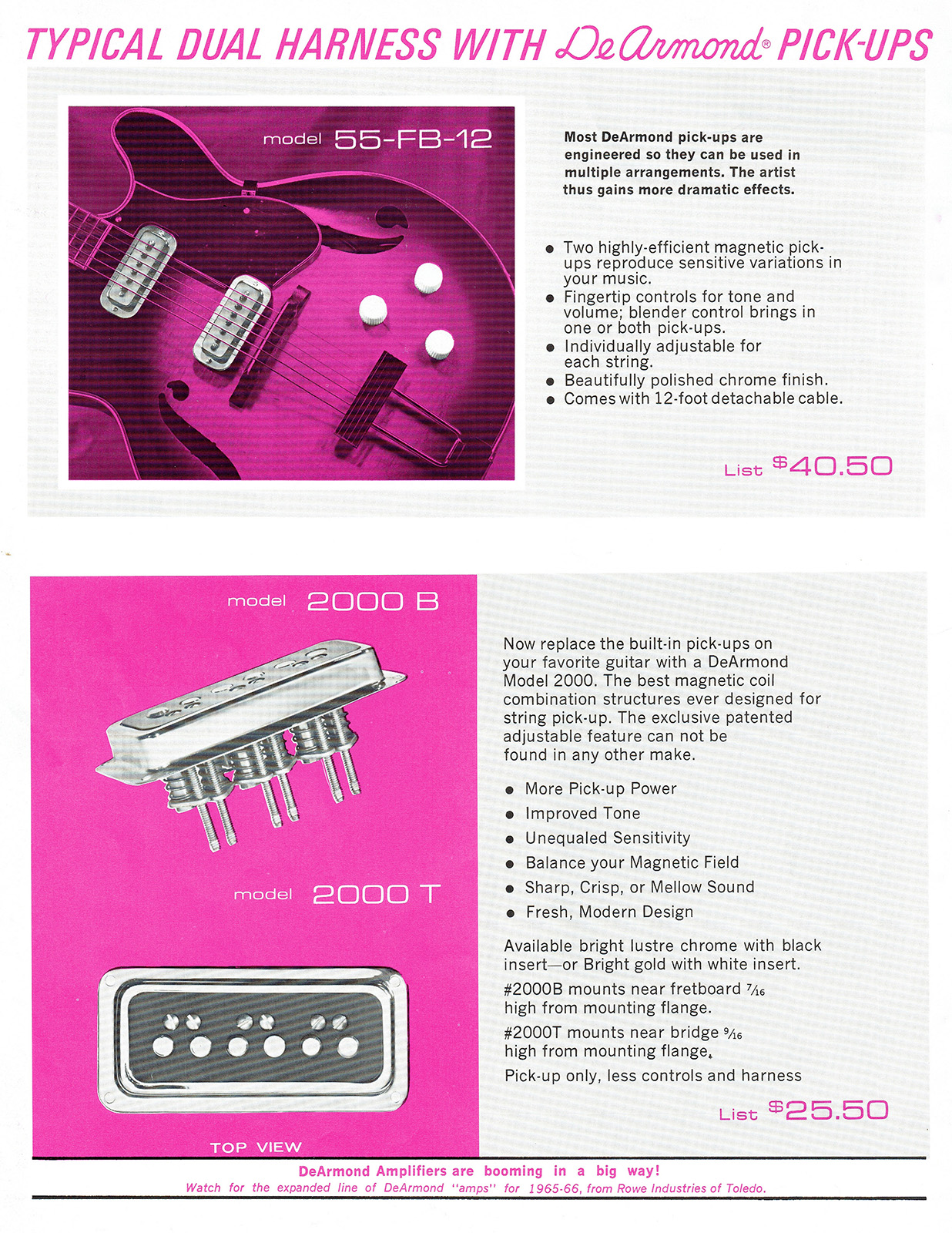
Identifying DeArmond 200, 2000, and 2K Pickups GAD's Ramblings

Amplifiers

DeArmond Company History

Catalog, 1978 ( 78), Blue, musicians on stage.
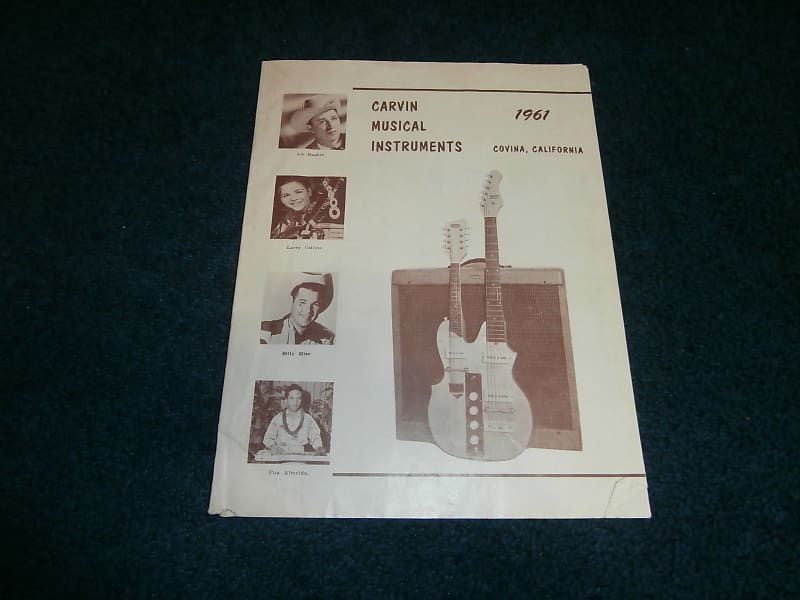
Vintage 1961 Carvin Musical Instrument Catalog! Larry Reverb

Catalog, 1941, 1947, 1948, 1957, March, Form D113 Orange, Model 60

Catalog, 1949 & 1950, Red, Form No. 119, Misc. products.
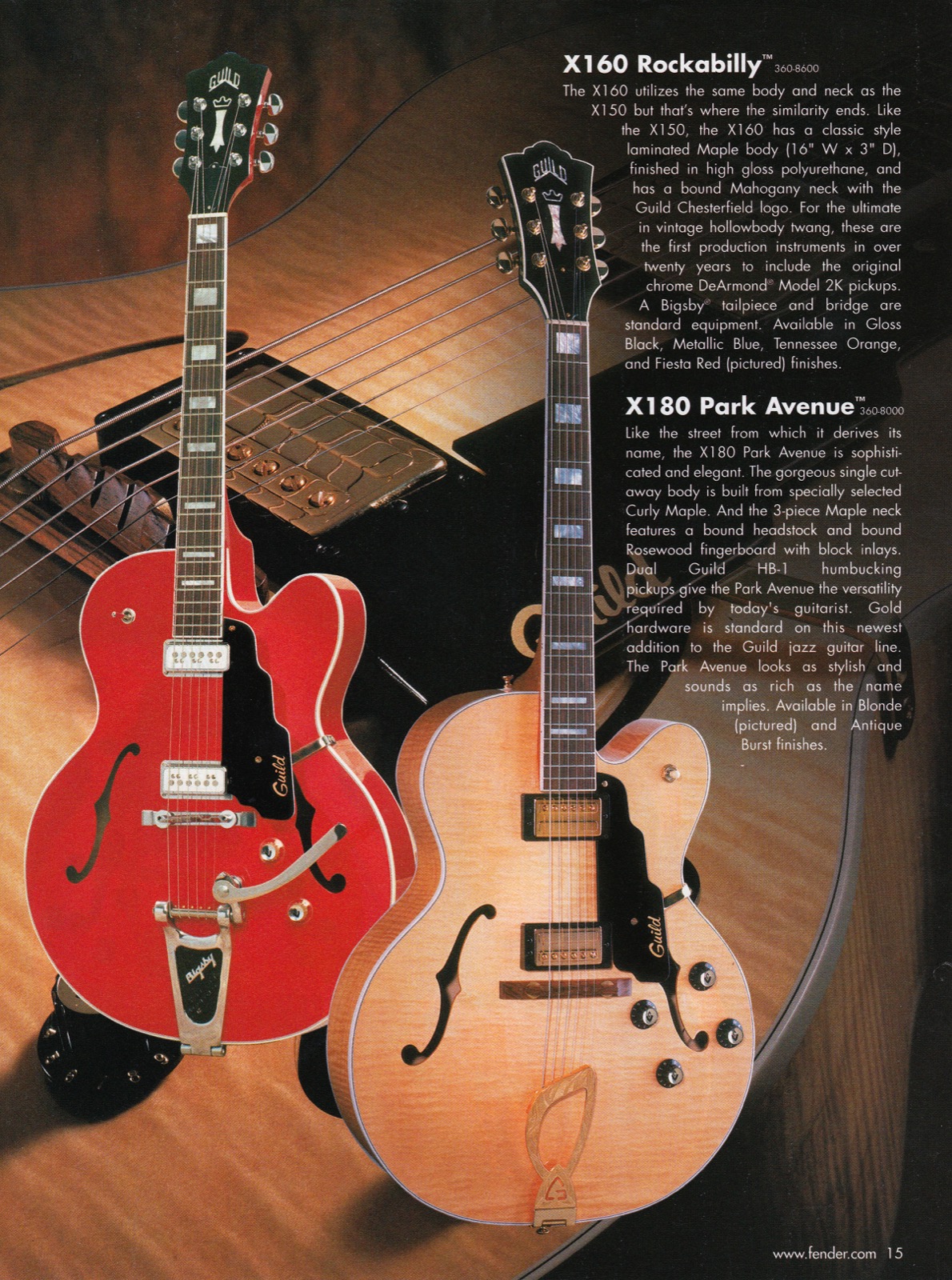
Identifying DeArmond 200, 2000, and 2K Pickups GAD's Ramblings

DeArmond Catalogs


Catalog, 1961, Pale Green, Form 146A1 & A2, Model 210 in box

Catalog, 1961, Pale Green, Form 146A1 & A2, Model 210 in box

Catalog, 1978 ( 78), Blue, musicians on stage.
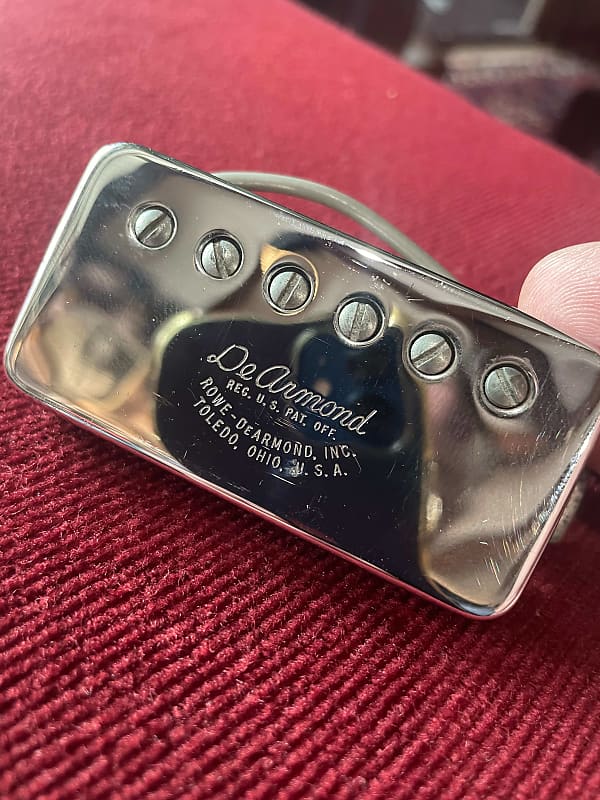
DeArmond original Vintage pickup Reverb

Catalog, 1978 ( 78), Blue, musicians on stage.
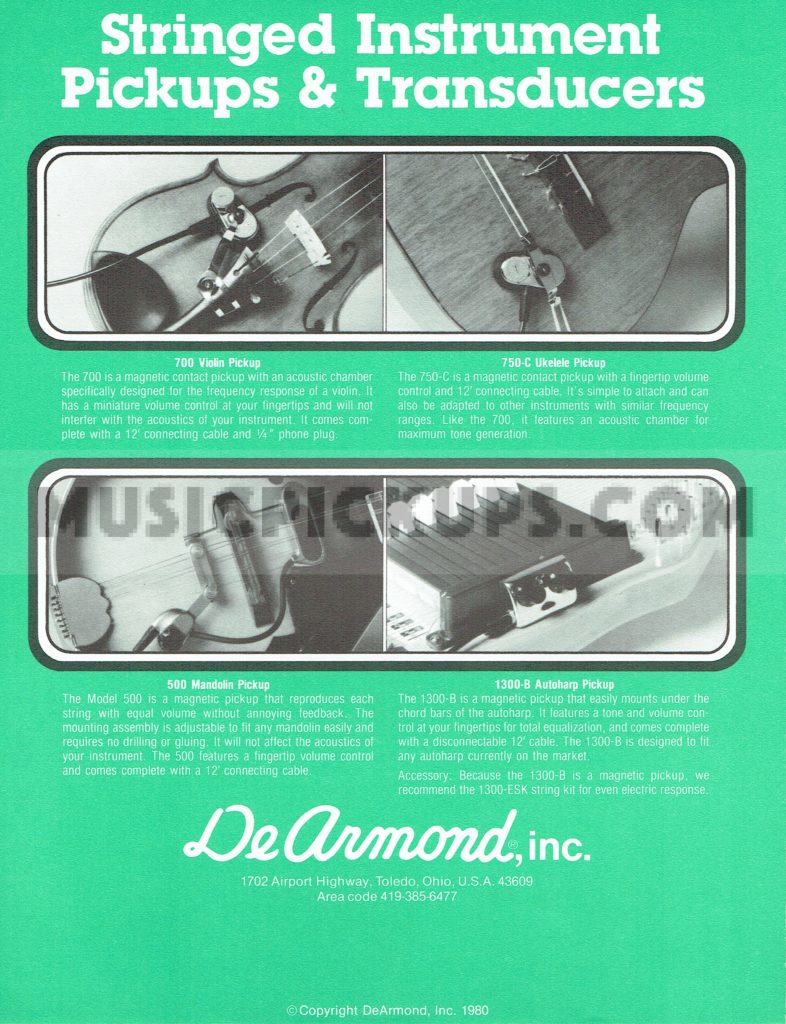
Catalog, 1980 ( 80), Green, products selection.
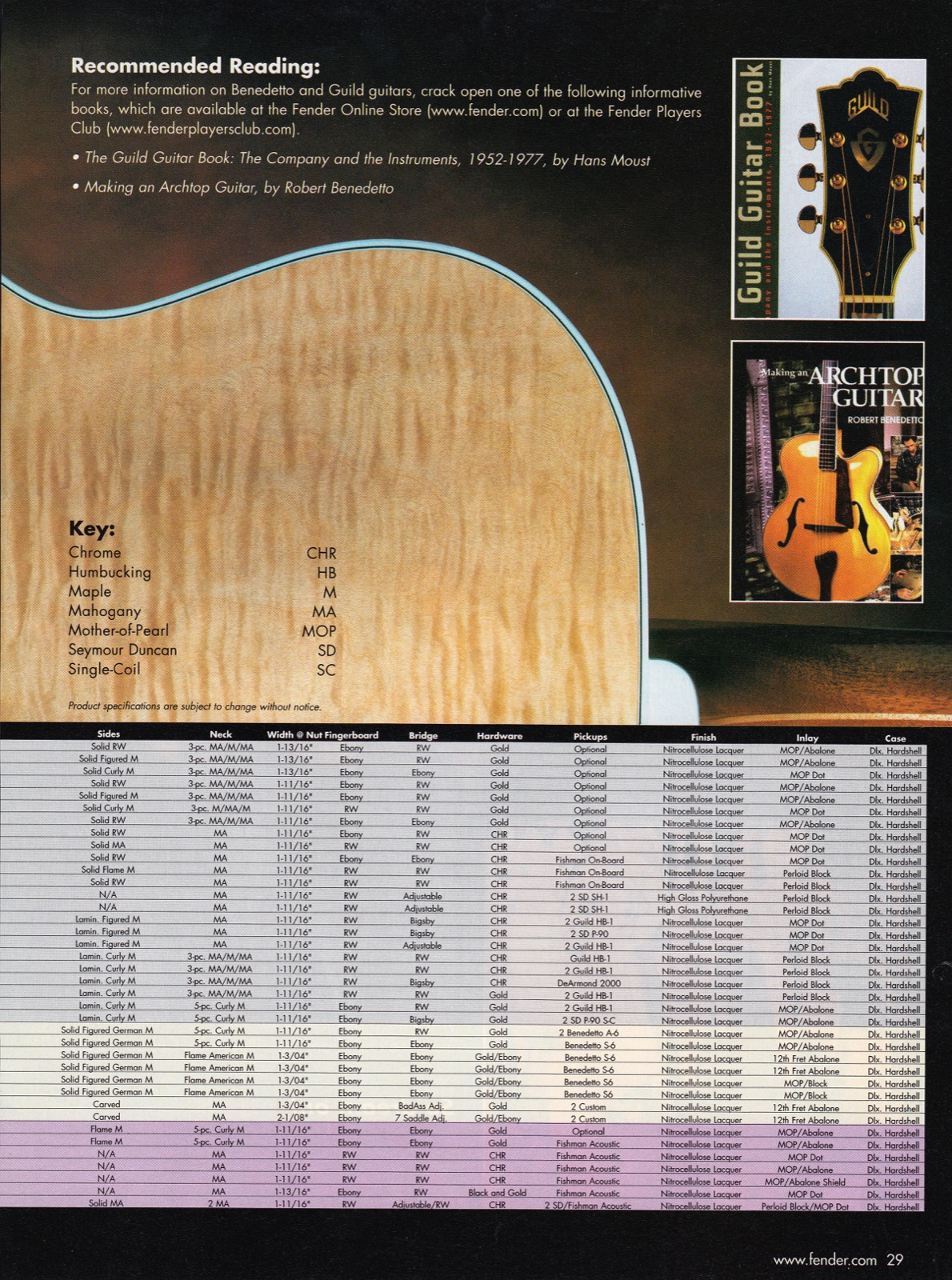
Identifying DeArmond 200, 2000, and 2K Pickups GAD's Ramblings
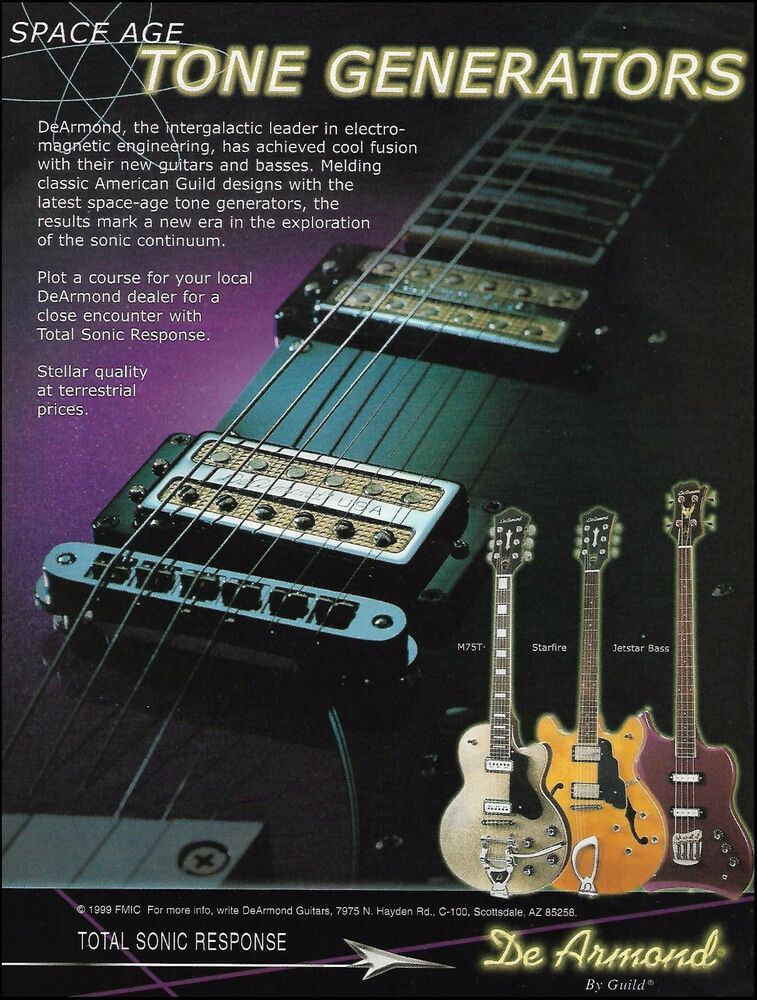
Guitar Story 13 DeArmond M75 Chris And Rick Talk Guitars

Catalog, 1942, 1946, 1947, 1948, 1953 & 1957, Green, Form 120, Model

Dearmond Catalog and Ad Sheets Reverb
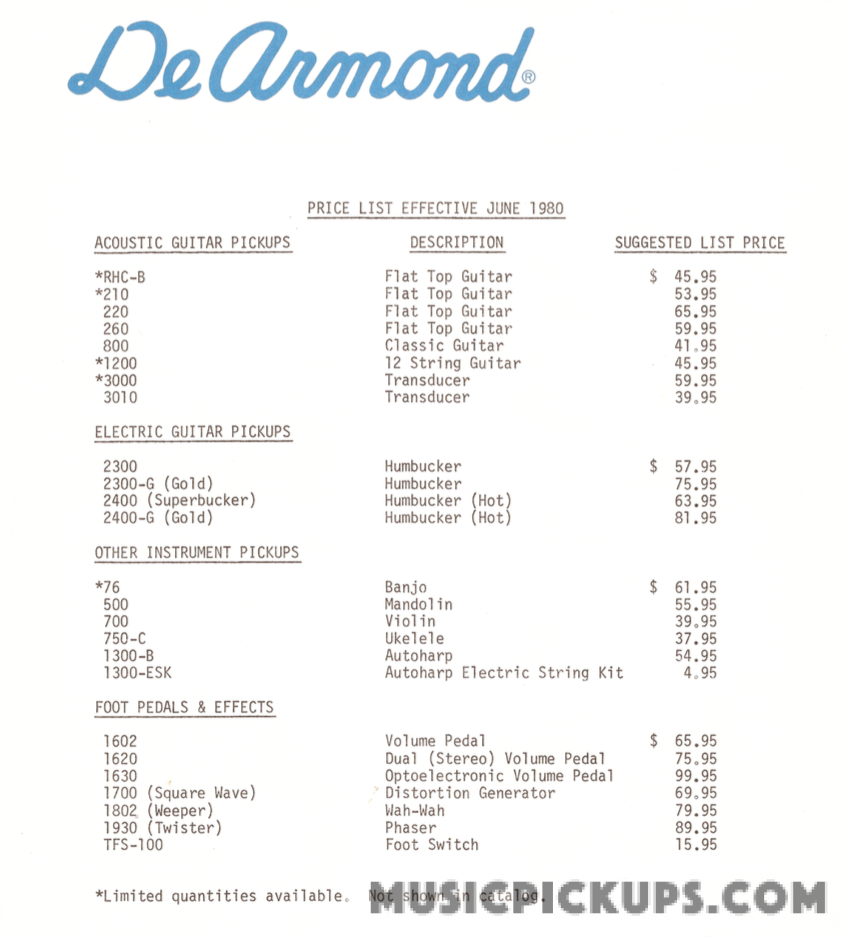
DeArmond Price Lists

DeArmond Price Lists

Catalog, 1974*, Blue & yellow, no Form number, Misc. products

Catalog, 1961, Pale Green, Form 146A1 & A2, Model 210 in box
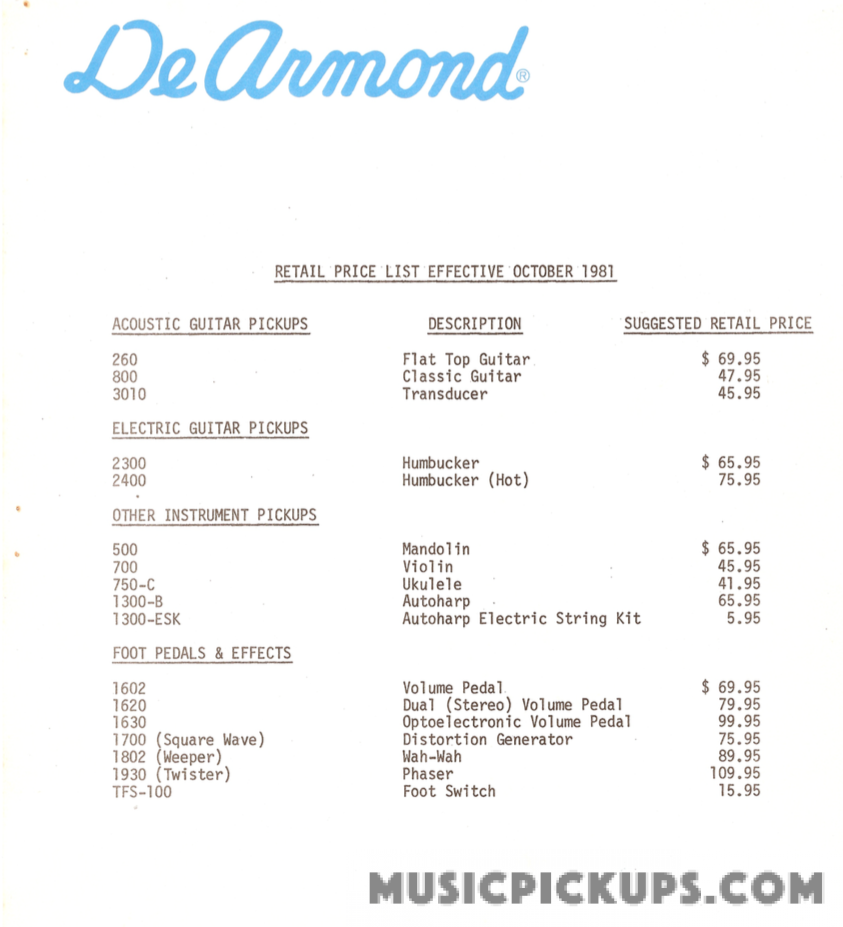
DeArmond Price Lists

Catalog, 1958, Purple, Form 136, Wayne Street building.

Catalog, 1942, 1946, 1947, 1948, 1953 & 1957, Green, Form 120, Model
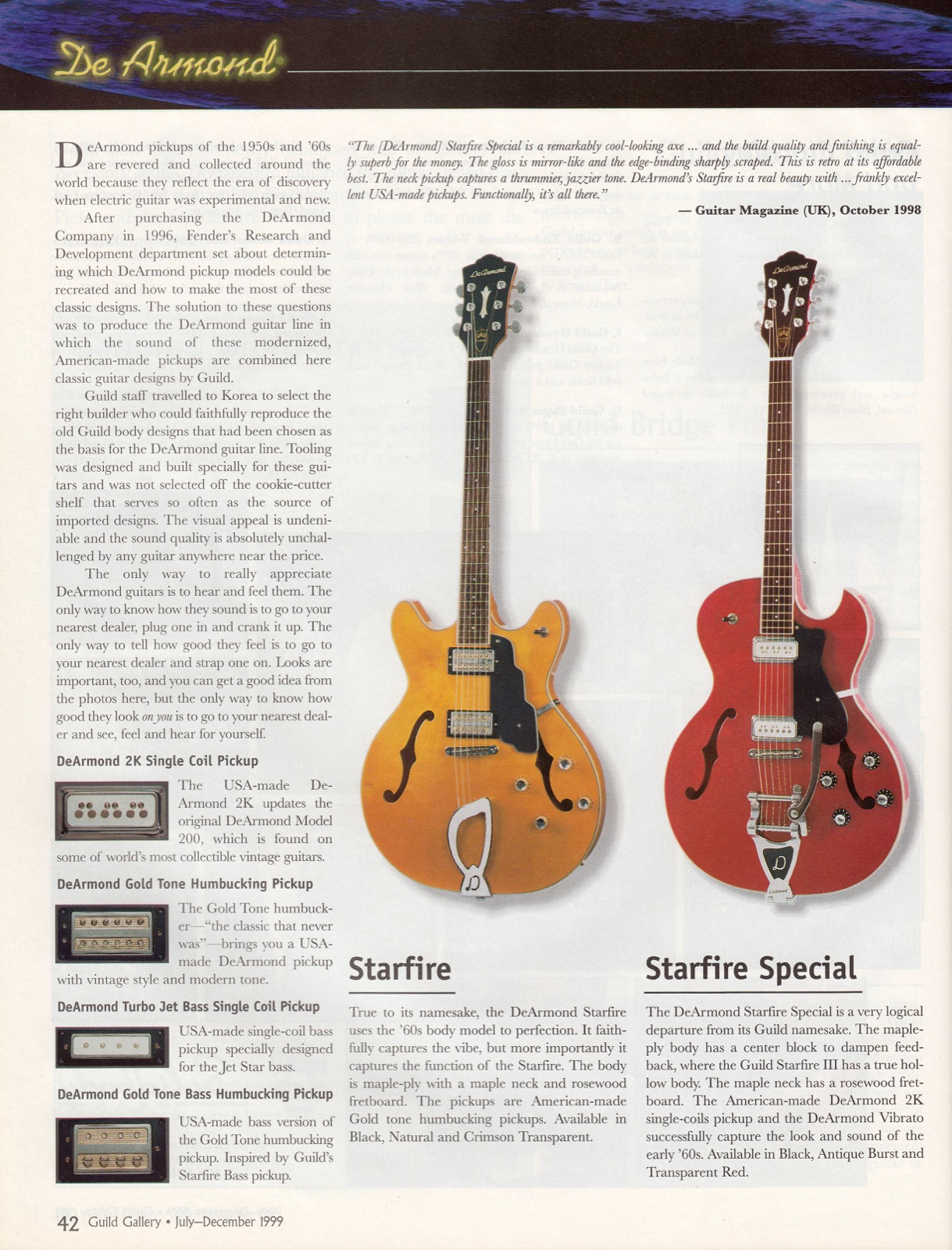
Identifying DeArmond 200, 2000, and 2K Pickups GAD's Ramblings
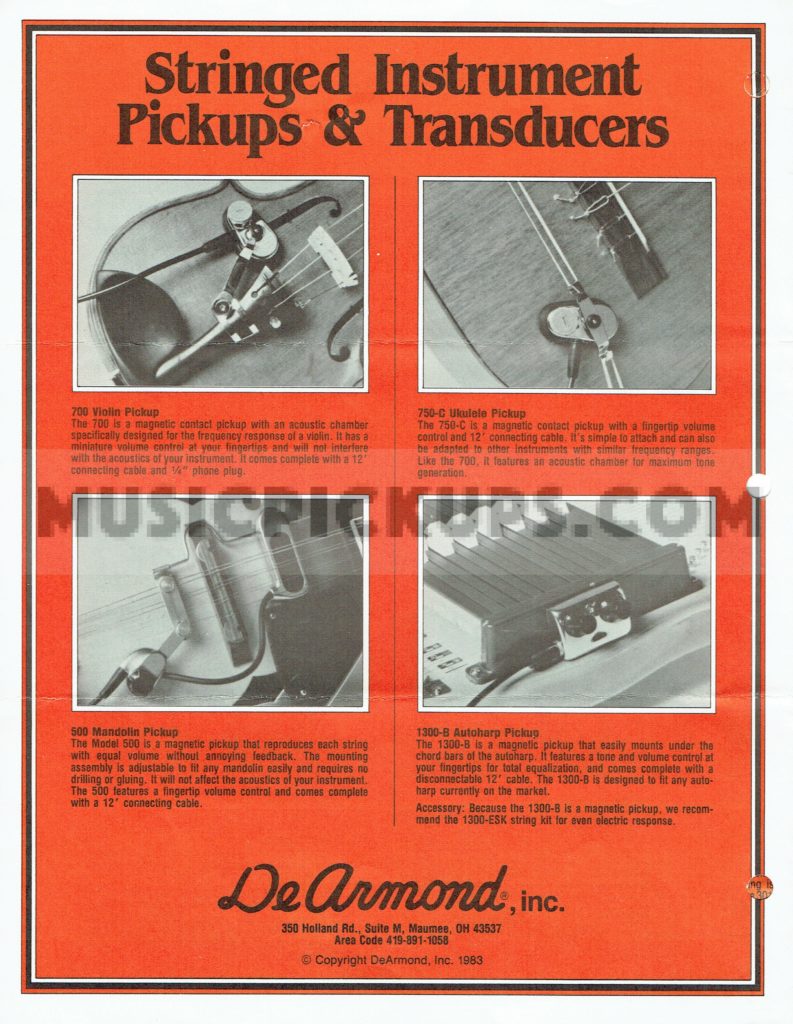
Catalog, 1983 ( 83), Black & Orange, Model 260 pickup.
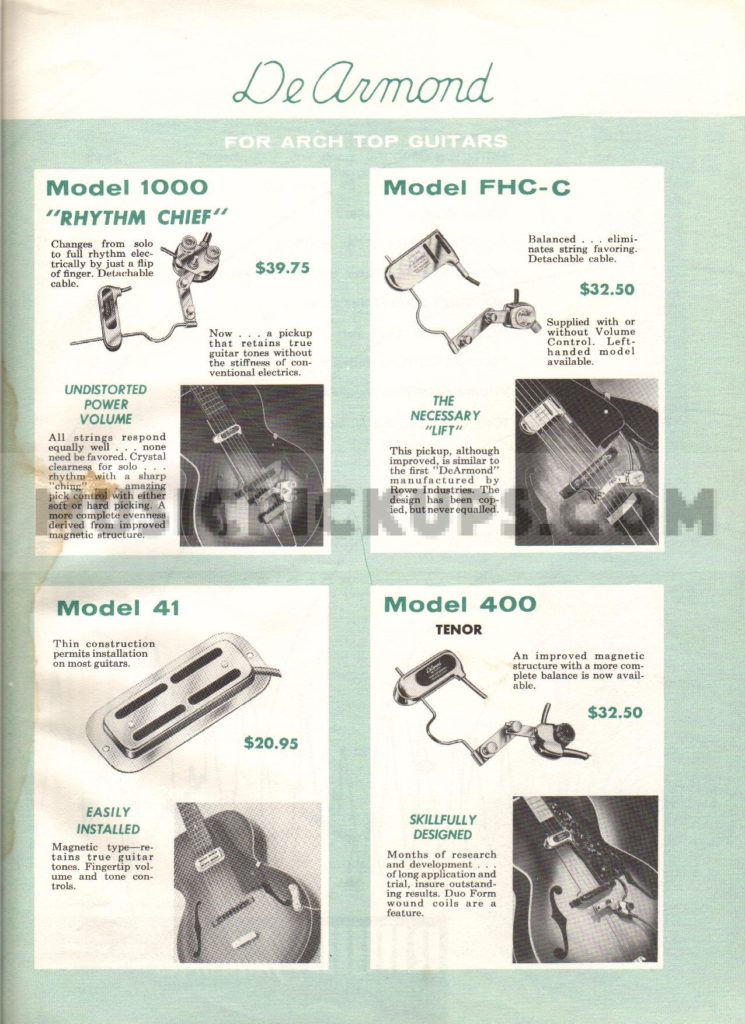
Catalog, 1961, Pale Green, Form 146A1 & A2, Model 210 in box
1999 DeArmond Catalog PDF PDF
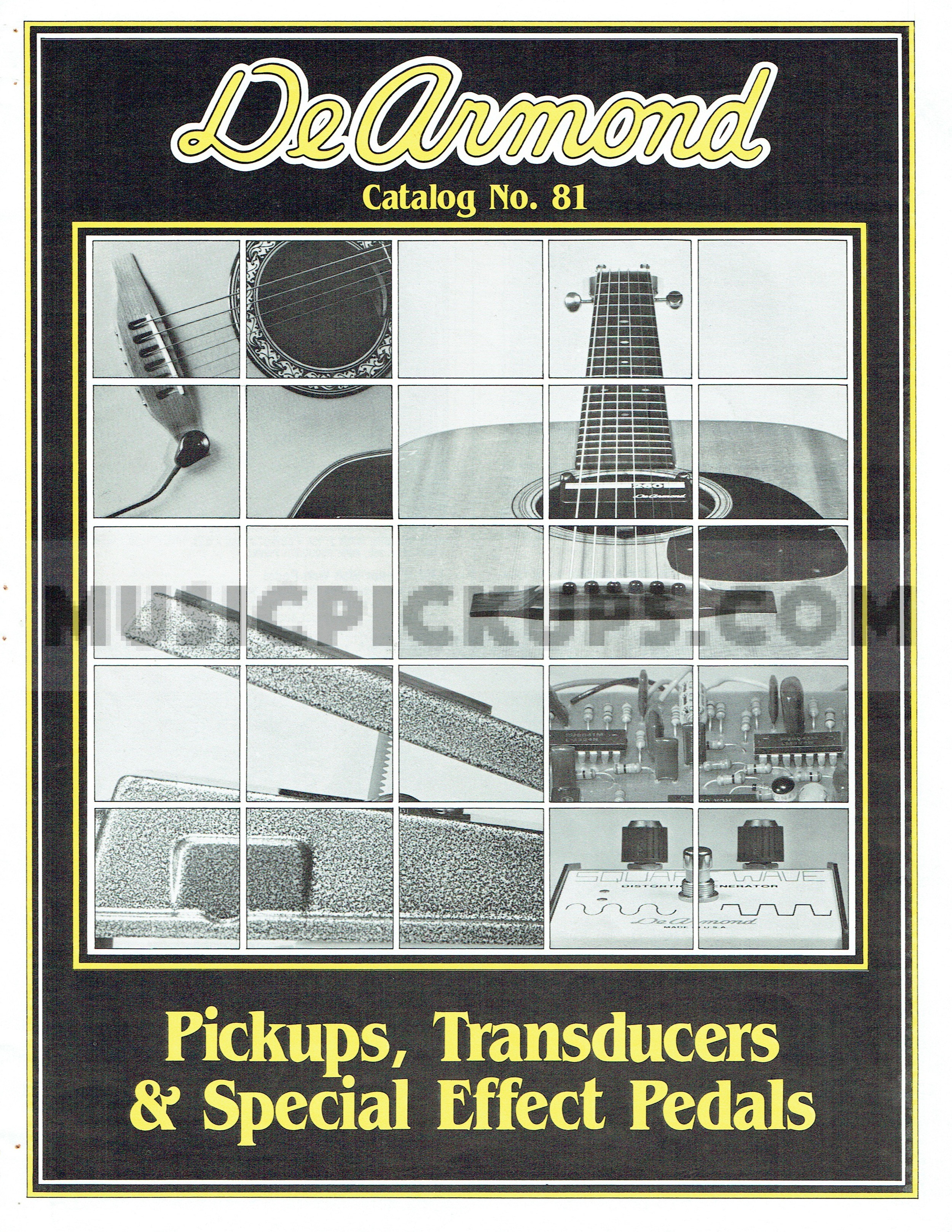
Catalog, 1981 ( 81), black & yellow, products selection

Catalog, 1954, Red, Form 112, Model 1000 Rhythm Chief.
Related Post:
