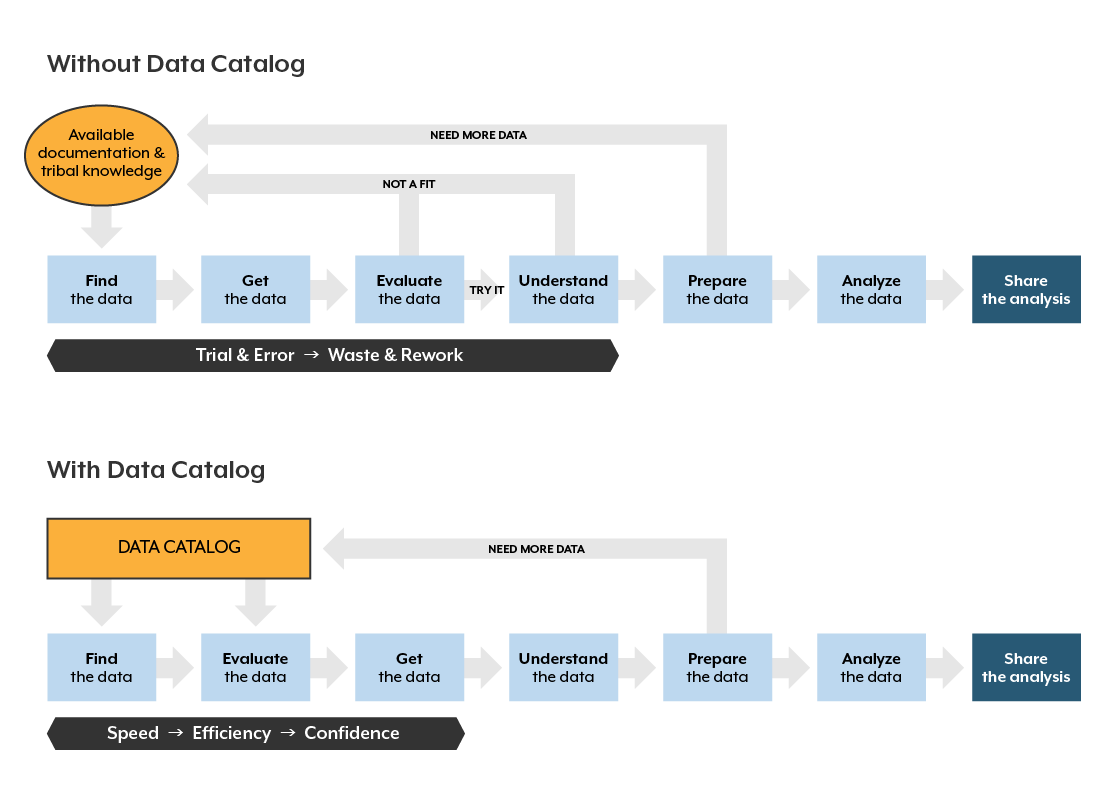
Data Catalog Metadata
Data Catalog Metadata - A pair of fine-tipped, non-conductive tweezers will be indispensable for manipulating small screws and components. From this plethora of possibilities, a few promising concepts are selected for development and prototyping. The chart was born as a tool of economic and political argument. The very design of the catalog—its order, its clarity, its rejection of ornamentation—was a demonstration of the philosophy embodied in the products it contained. The principles they established for print layout in the 1950s are the direct ancestors of the responsive grid systems we use to design websites today. The process of user research—conducting interviews, observing people in their natural context, having them "think aloud" as they use a product—is not just a validation step at the end of the process. The online catalog, in its early days, tried to replicate this with hierarchical menus and category pages. Ensure the vehicle is parked on a level surface, turn the engine off, and wait several minutes. This guide is designed to be a clear and detailed walkthrough, ensuring that users of all technical comfort levels can successfully obtain their product manual. These pre-designed formats and structures cater to a wide range of needs, offering convenience, efficiency, and professional quality across various domains. Celebrations and parties are enhanced by printable products. This inclusion of the user's voice transformed the online catalog from a monologue into a conversation. Early digital creators shared simple designs for free on blogs. Artists are encouraged to embrace imperfections, accidents, and impermanence, recognizing that they are an integral part of the creative journey. Classroom decor, like alphabet banners and calendars, is also available. A cottage industry of fake reviews emerged, designed to artificially inflate a product's rating. This focus on the user naturally shapes the entire design process. 25For those seeking a more sophisticated approach, a personal development chart can evolve beyond a simple tracker into a powerful tool for self-reflection. The detailed patterns require focus and promote relaxation. To communicate this shocking finding to the politicians and generals back in Britain, who were unlikely to read a dry statistical report, she invented a new type of chart, the polar area diagram, which became known as the "Nightingale Rose" or "coxcomb. Let us now turn our attention to a different kind of sample, a much older and more austere artifact. 34 After each workout, you record your numbers. Presentation templates aid in the creation of engaging and informative lectures. It reminded us that users are not just cogs in a functional machine, but complex individuals embedded in a rich cultural context. This idea, born from empathy, is infinitely more valuable than one born from a designer's ego. In conclusion, learning to draw is a rewarding and enriching journey that offers countless opportunities for self-expression, exploration, and personal growth. First studied in the 19th century, the Forgetting Curve demonstrates that we forget a startling amount of new information very quickly—up to 50 percent within an hour and as much as 90 percent within a week. Do not forget to clean the alloy wheels. Printable maps, charts, and diagrams help students better understand complex concepts. My first encounter with a data visualization project was, predictably, a disaster. As individuals gain confidence using a chart for simple organizational tasks, they often discover that the same principles can be applied to more complex and introspective goals, making the printable chart a scalable tool for self-mastery. Like most students, I came into this field believing that the ultimate creative condition was total freedom. Faced with this overwhelming and often depressing landscape of hidden costs, there is a growing movement towards transparency and conscious consumerism, an attempt to create fragments of a real-world cost catalog. Critiques: Invite feedback on your work from peers, mentors, or online forums. This legacy was powerfully advanced in the 19th century by figures like Florence Nightingale, who famously used her "polar area diagram," a form of pie chart, to dramatically illustrate that more soldiers were dying from poor sanitation and disease in hospitals than from wounds on the battlefield. The tools we use also have a profound, and often subtle, influence on the kinds of ideas we can have. Platforms like Instagram, Pinterest, and Ravelry have allowed crocheters to share their work, find inspiration, and connect with others who share their passion. Maintaining the cleanliness and functionality of your Aura Smart Planter is essential for its longevity and the health of your plants. In literature and filmmaking, narrative archetypes like the "Hero's Journey" function as a powerful story template. It reminded us that users are not just cogs in a functional machine, but complex individuals embedded in a rich cultural context. The appeal lies in the ability to customize your own planning system. This iterative cycle of build-measure-learn is the engine of professional design. He created the bar chart not to show change over time, but to compare discrete quantities between different nations, freeing data from the temporal sequence it was often locked into. A vast number of free printables are created and shared by teachers, parents, and hobbyists who are genuinely passionate about helping others. A printable is more than just a file; it is a promise of transformation, a digital entity imbued with the specific potential to become a physical object through the act of printing. The template contained a complete set of pre-designed and named typographic styles. 13 Finally, the act of physically marking progress—checking a box, adding a sticker, coloring in a square—adds a third layer, creating a more potent and tangible dopamine feedback loop. From there, you might move to wireframes to work out the structure and flow, and then to prototypes to test the interaction. A chart was a container, a vessel into which one poured data, and its form was largely a matter of convention, a task to be completed with a few clicks in a spreadsheet program. This well-documented phenomenon reveals that people remember information presented in pictorial form far more effectively than information presented as text alone. Before InDesign, there were physical paste-up boards, with blue lines printed on them that wouldn't show up on camera, marking out the columns and margins for the paste-up artist. It fulfills a need for a concrete record, a focused tool, or a cherished object. Sketching is fast, cheap, and disposable, which encourages exploration of many different ideas without getting emotionally attached to any single one. When a data scientist first gets a dataset, they use charts in an exploratory way. Facades with repeating geometric motifs can create visually striking exteriors while also providing practical benefits such as shading and ventilation. The online catalog, powered by data and algorithms, has become a one-to-one medium. The catalog is no longer a static map of a store's inventory; it has become a dynamic, intelligent, and deeply personal mirror, reflecting your own past behavior back at you. It is the belief that the future can be better than the present, and that we have the power to shape it. This is the moment the online catalog begins to break free from the confines of the screen, its digital ghosts stepping out into our physical world, blurring the line between representation and reality. Genre itself is a form of ghost template. By articulating thoughts and emotions on paper, individuals can gain clarity and perspective, which can lead to a better understanding of their inner world. It’s a simple trick, but it’s a deliberate lie. It’s the visual equivalent of elevator music. The furniture is no longer presented in isolation as sculptural objects. The typography and design of these prints can be beautiful. This has opened the door to the world of data art, where the primary goal is not necessarily to communicate a specific statistical insight, but to use data as a raw material to create an aesthetic or emotional experience. Not glamorous, unattainable models, but relatable, slightly awkward, happy-looking families. It watches the area around the rear of your vehicle and can warn you about vehicles it detects approaching from either side. This concept represents a significant evolution from a simple printable document, moving beyond the delivery of static information to offer a structured framework for creation and organization. 39 An effective study chart involves strategically dividing days into manageable time blocks, allocating specific periods for each subject, and crucially, scheduling breaks to prevent burnout. It sits there on the page, or on the screen, nestled beside a glossy, idealized photograph of an object. The process for changing a tire is detailed with illustrations in a subsequent chapter, and you must follow it precisely to ensure your safety. The same is true for a music service like Spotify. I now understand that the mark of a truly professional designer is not the ability to reject templates, but the ability to understand them, to use them wisely, and, most importantly, to design them. But I'm learning that this is often the worst thing you can do. A product with a slew of negative reviews was a red flag, a warning from your fellow consumers. When performing any maintenance or cleaning, always unplug the planter from the power source. This is a monumental task of both artificial intelligence and user experience design.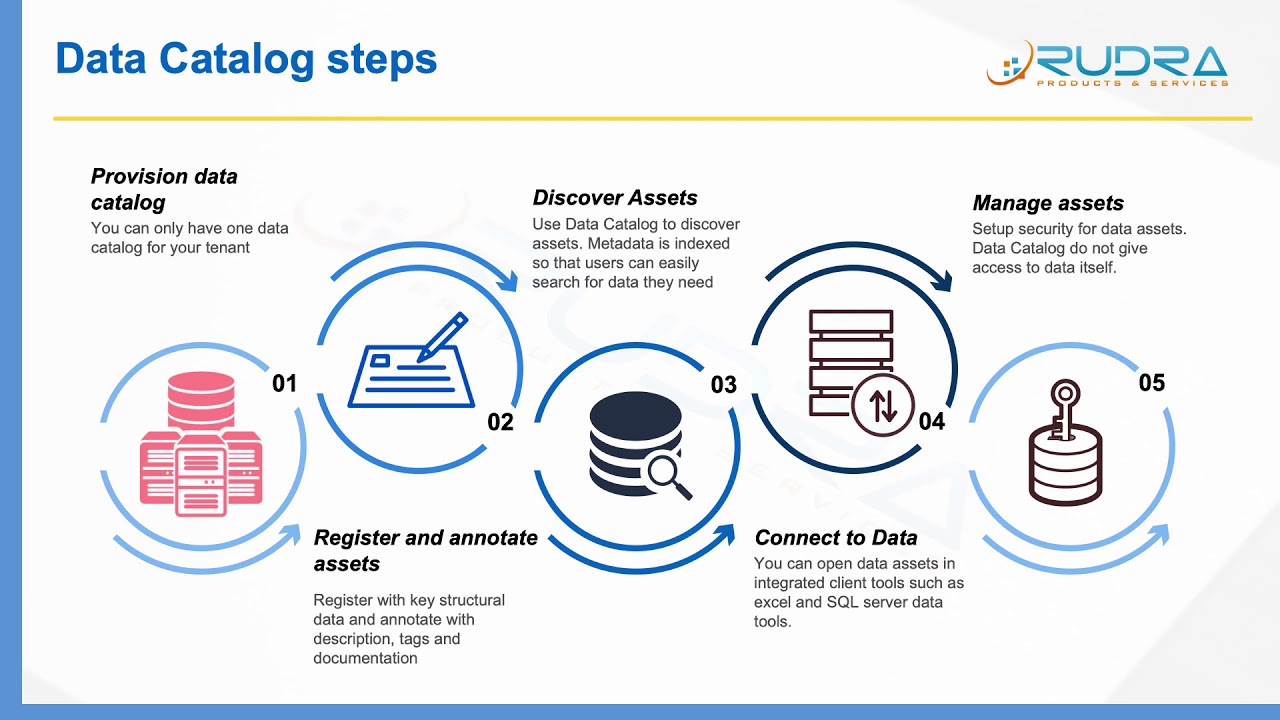
3 Reasons Why You Need a Data Catalog for Data Warehouse
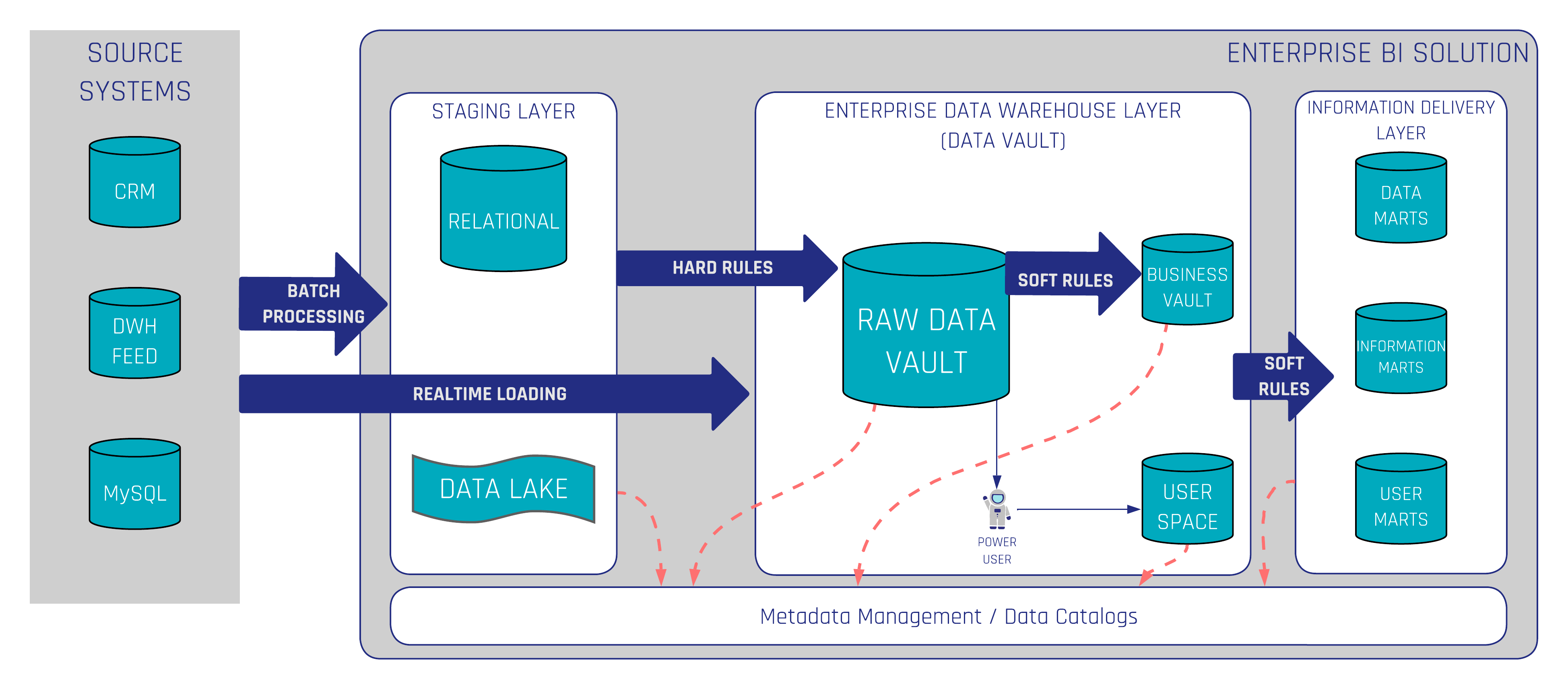
Mastering Metadata Data Catalogs in Data Warehousing with DataHub
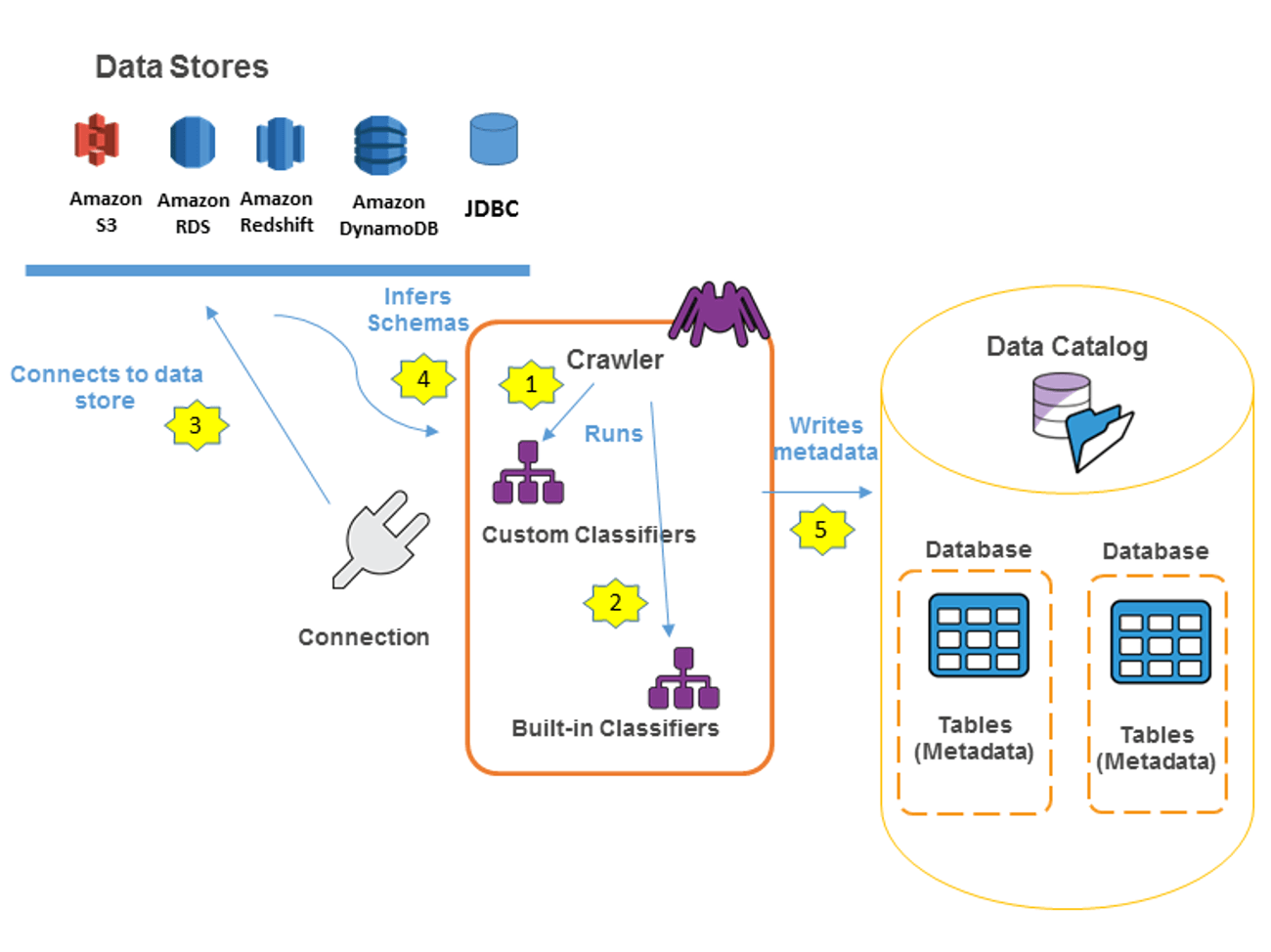
Data Cataloging(Metadata) on Cloud
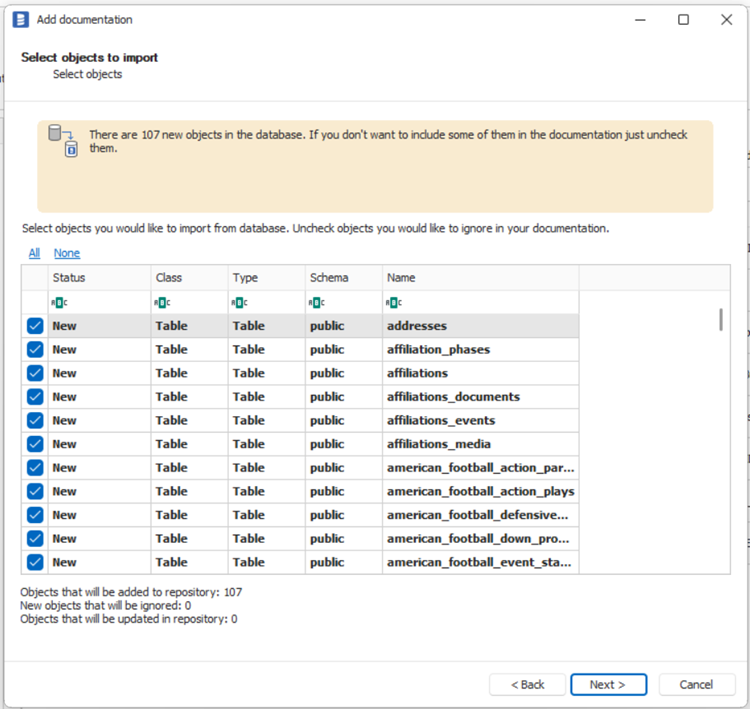
Extract metadata from AWS Glue Data Catalog with Amazon Athena
Data Catalog vs Metadata Management Key Differences for 2025
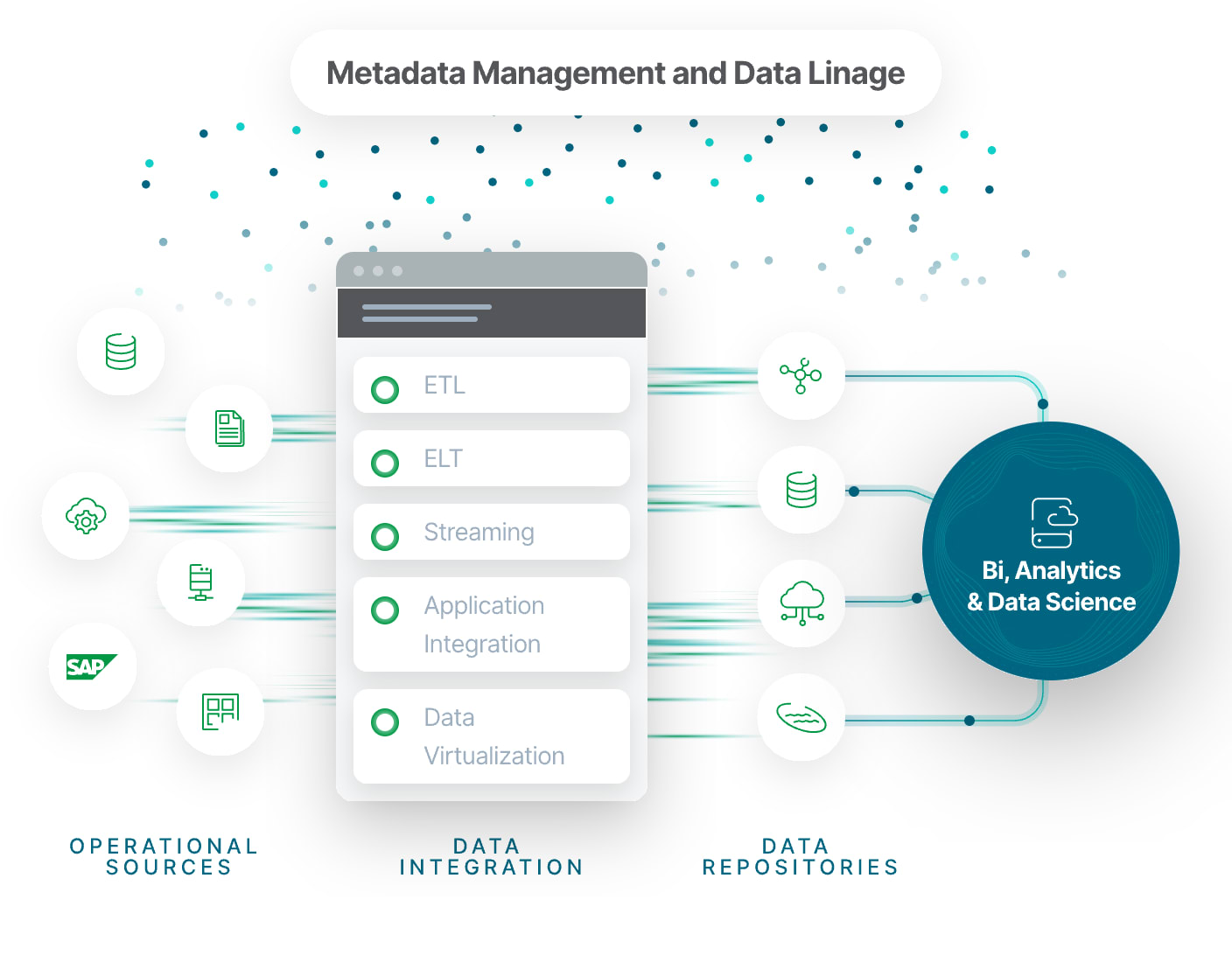
What is Metadata Management? Why You Need It. Best Practices

What makes a data catalog “smart”? 3 Metadata Management Zeenea
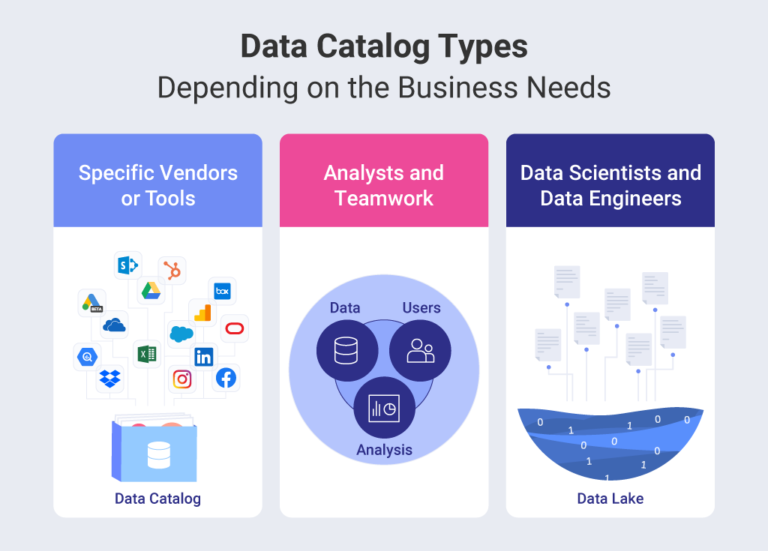
What Is A Data Catalog & Why Do You Need One?

Framework For Metadata Management In Data Warehouse PPT Example
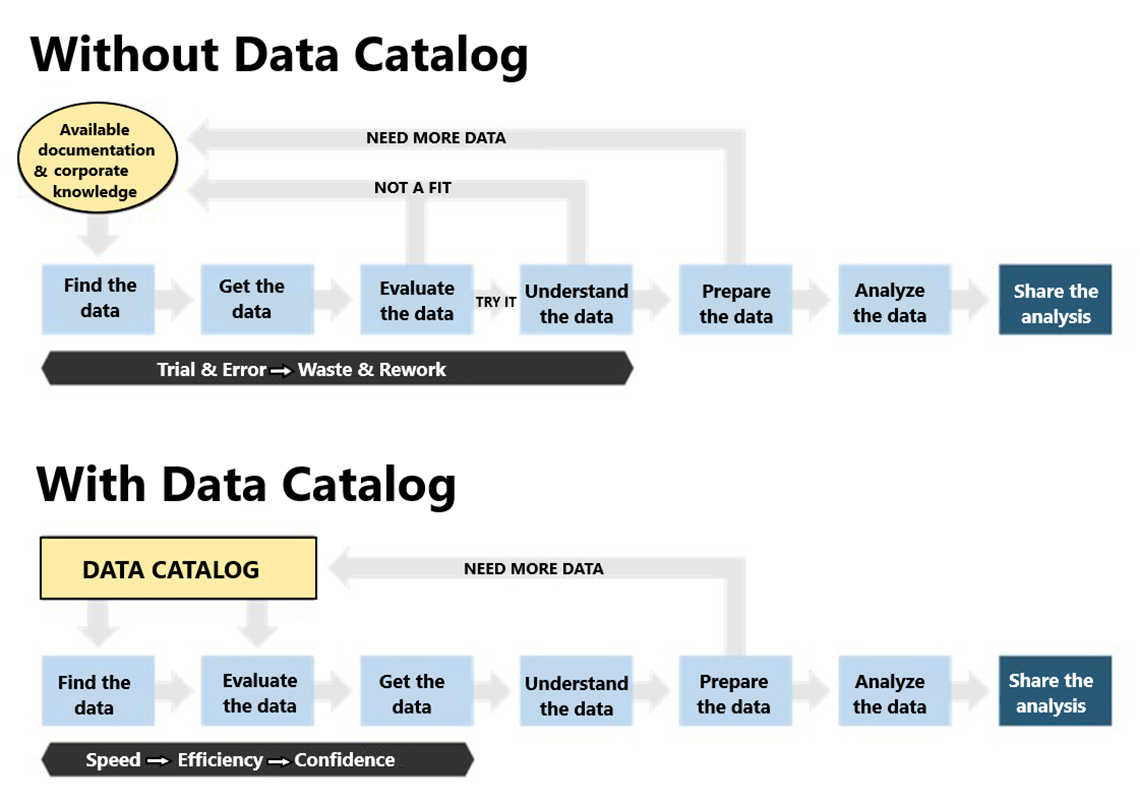
A Use Case on Metadata Management
6 Benefits of a Data Catalog and Why Your Business Needs One

What Is a Data Catalog? Explained With Examples Airbyte

Top 10 Metadata Catalog PowerPoint Presentation Templates in 2025
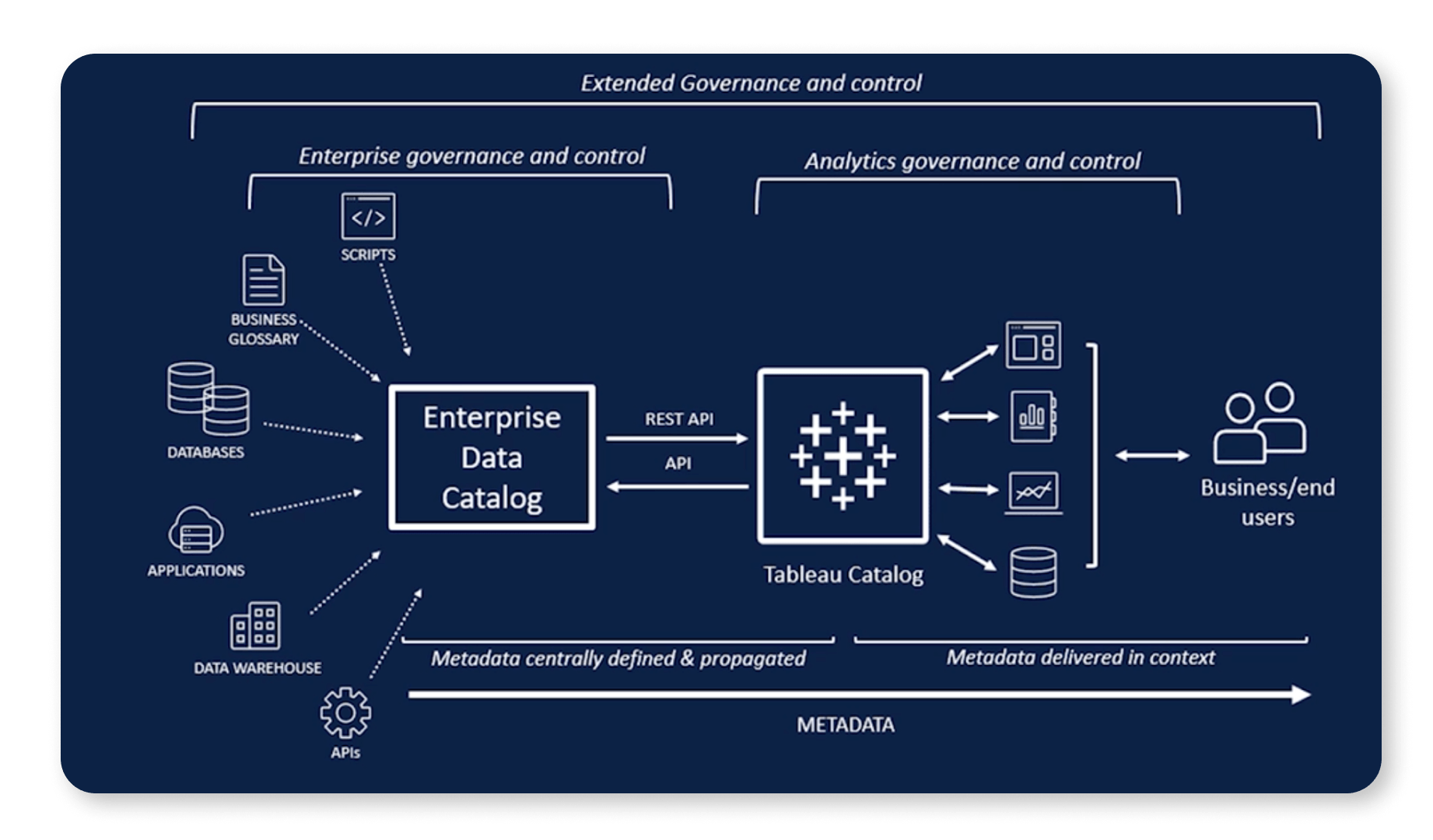
Data Management Discover, understand, connect, and trust your data
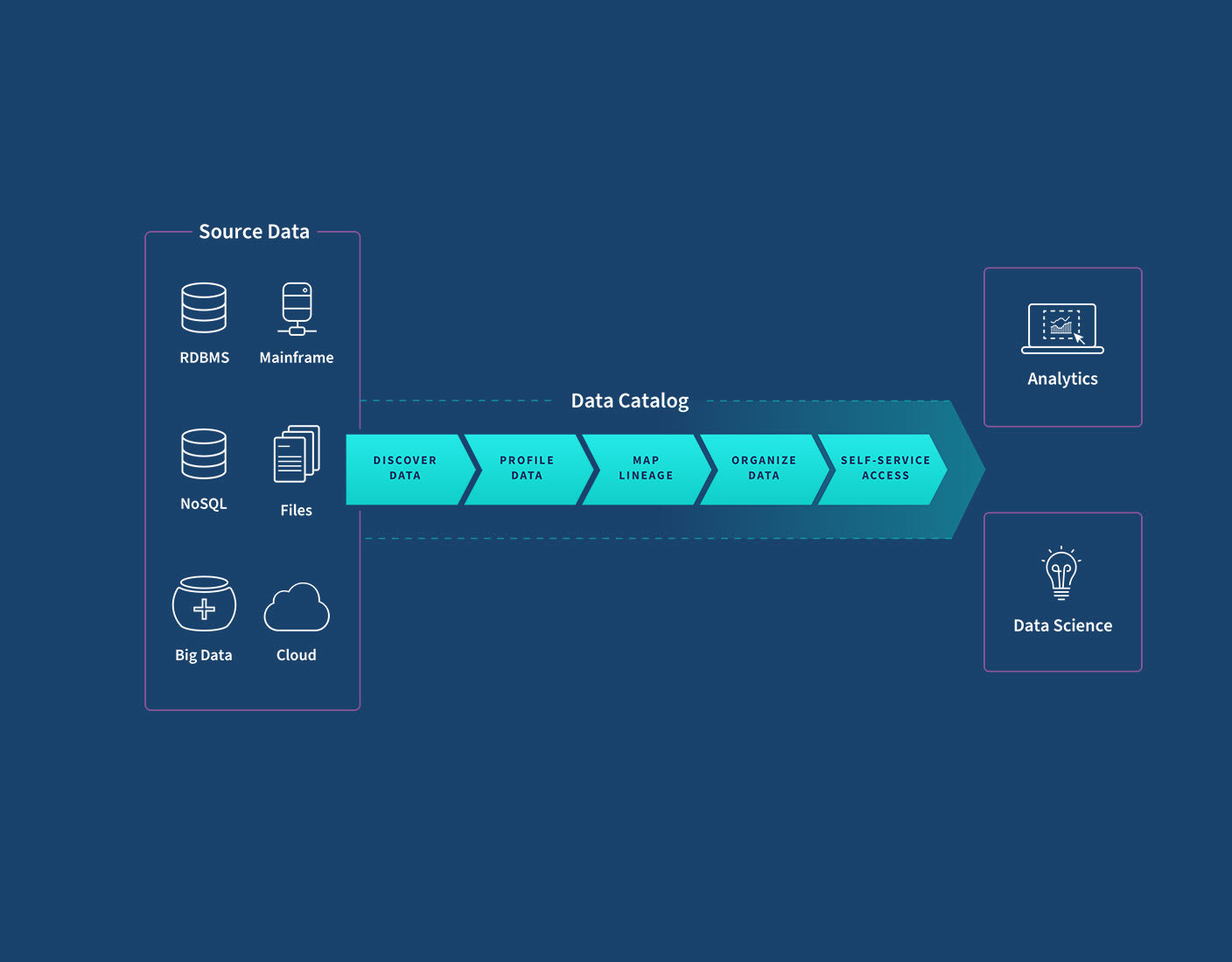
What is a Data Catalog? (And Why You Need One)
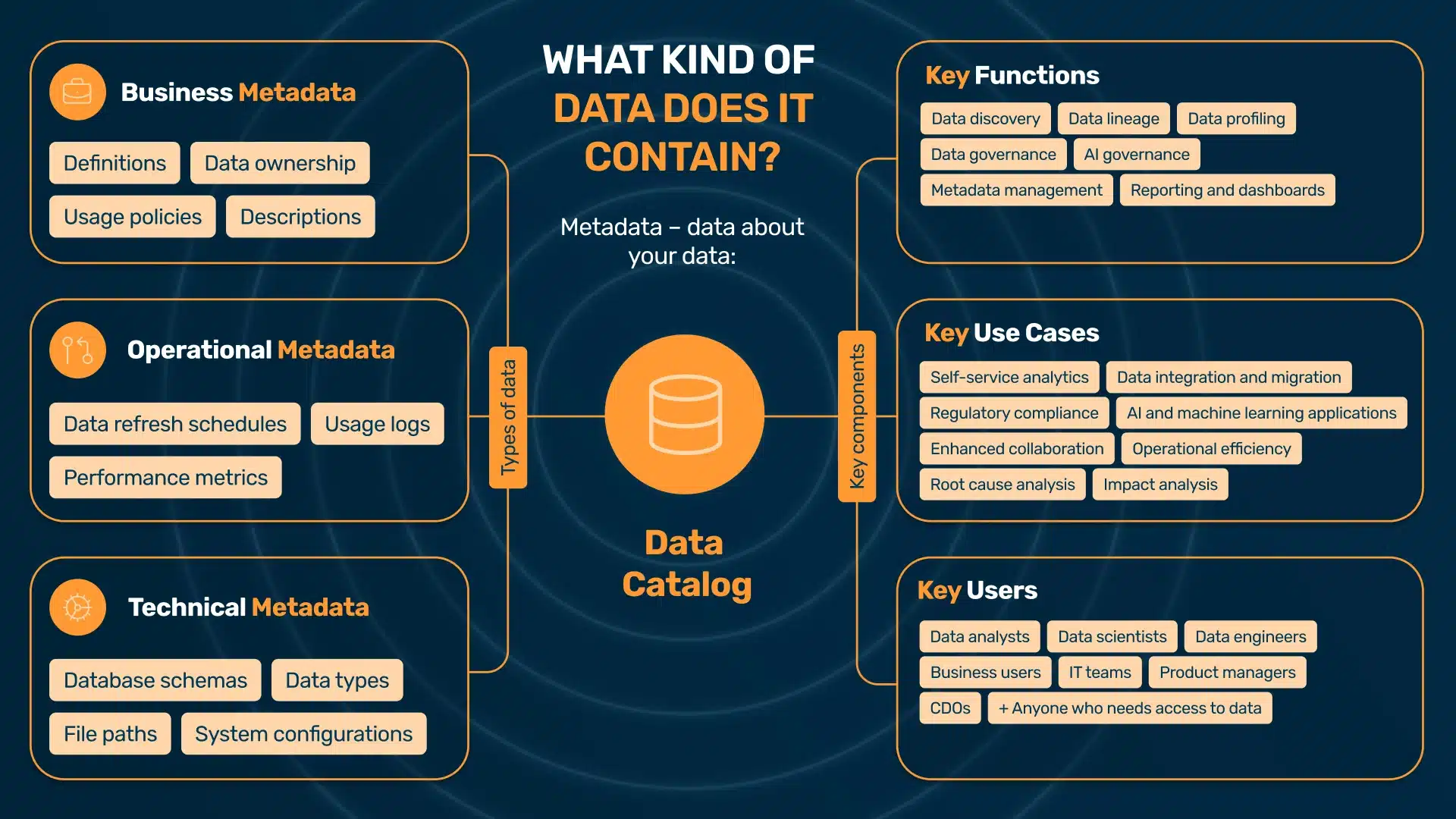
What is a data catalog? Metadata, functions and use cases Murdio

Metadata Management Modern Data Governance ThinkData Works
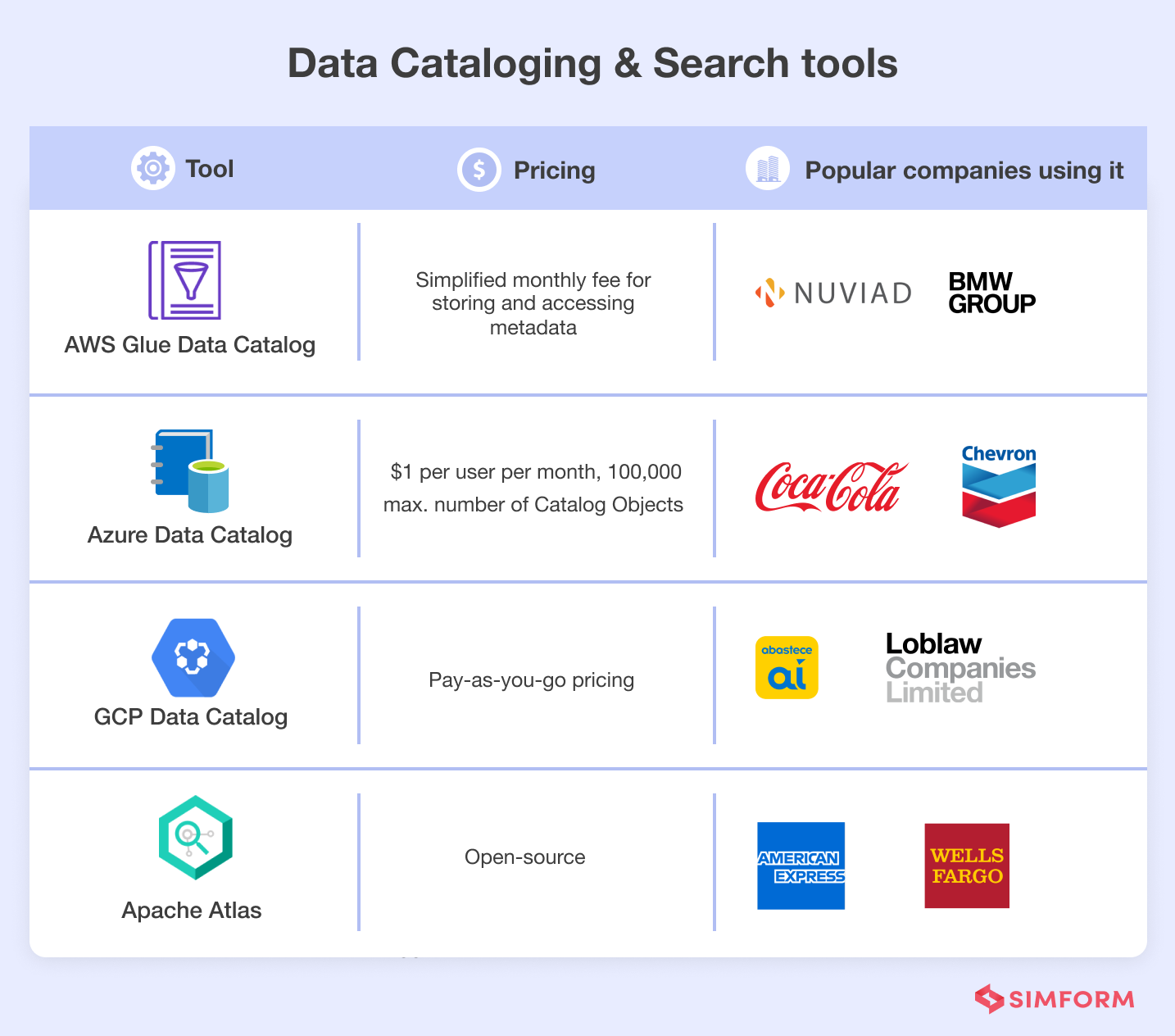
30+ Top Data Engineering Tools for Each Stage of a Data Pipeline
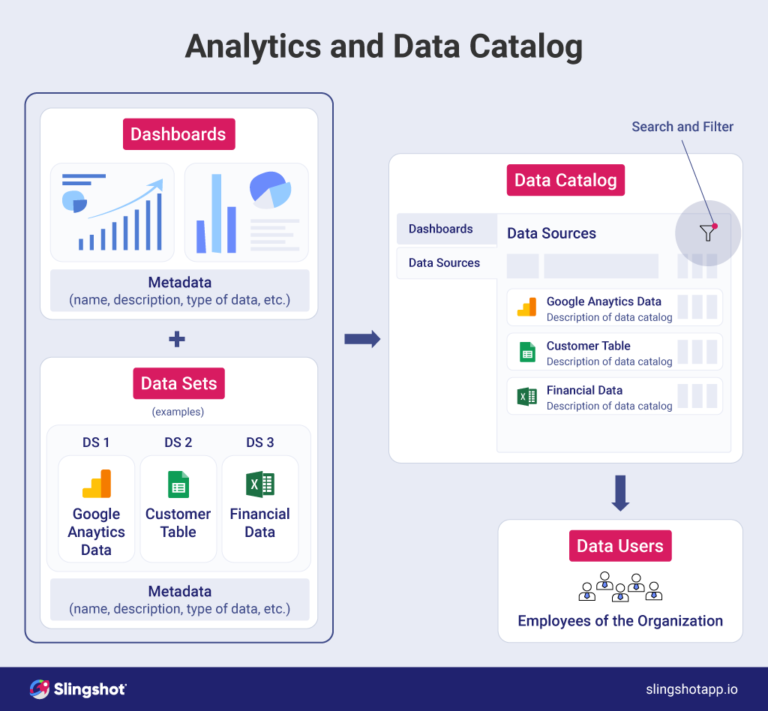
What Is A Data Catalog & Why Do You Need One?

decube What is Metadata Management? Backbone of Data Catalog and
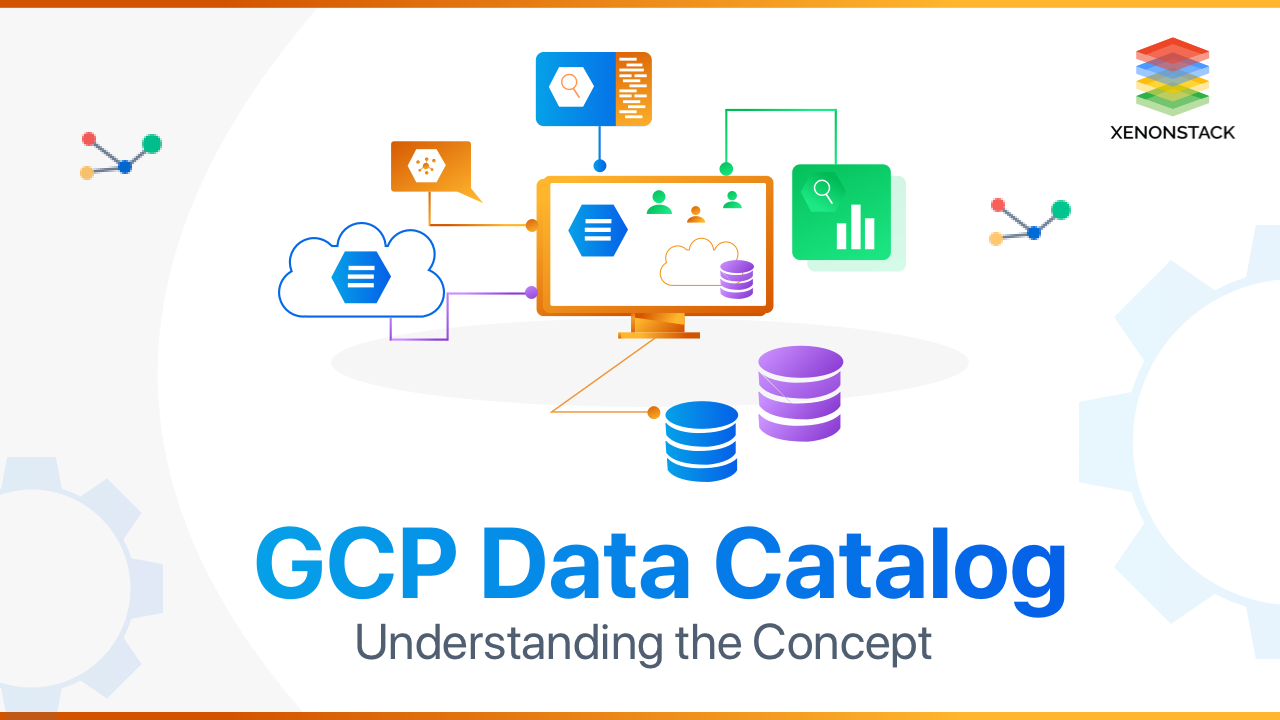
GCP Data Catalog A Complete Guide to Metadata Management Service
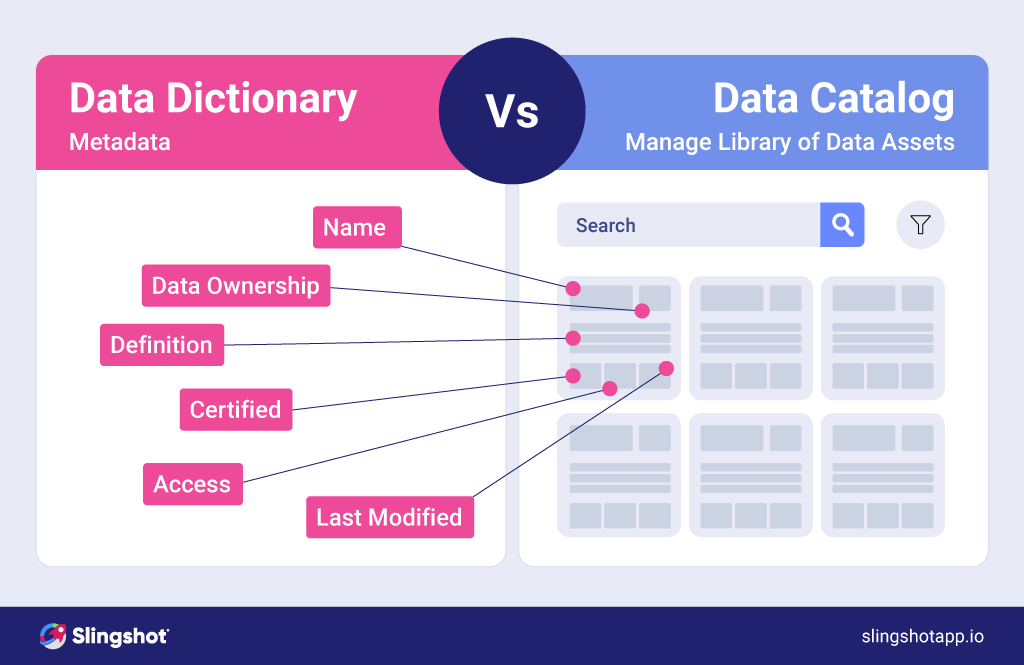
What Is A Data Catalog & Why Do You Need One?

What Is Metadata And Its Types In Data Warehouse Design Talk
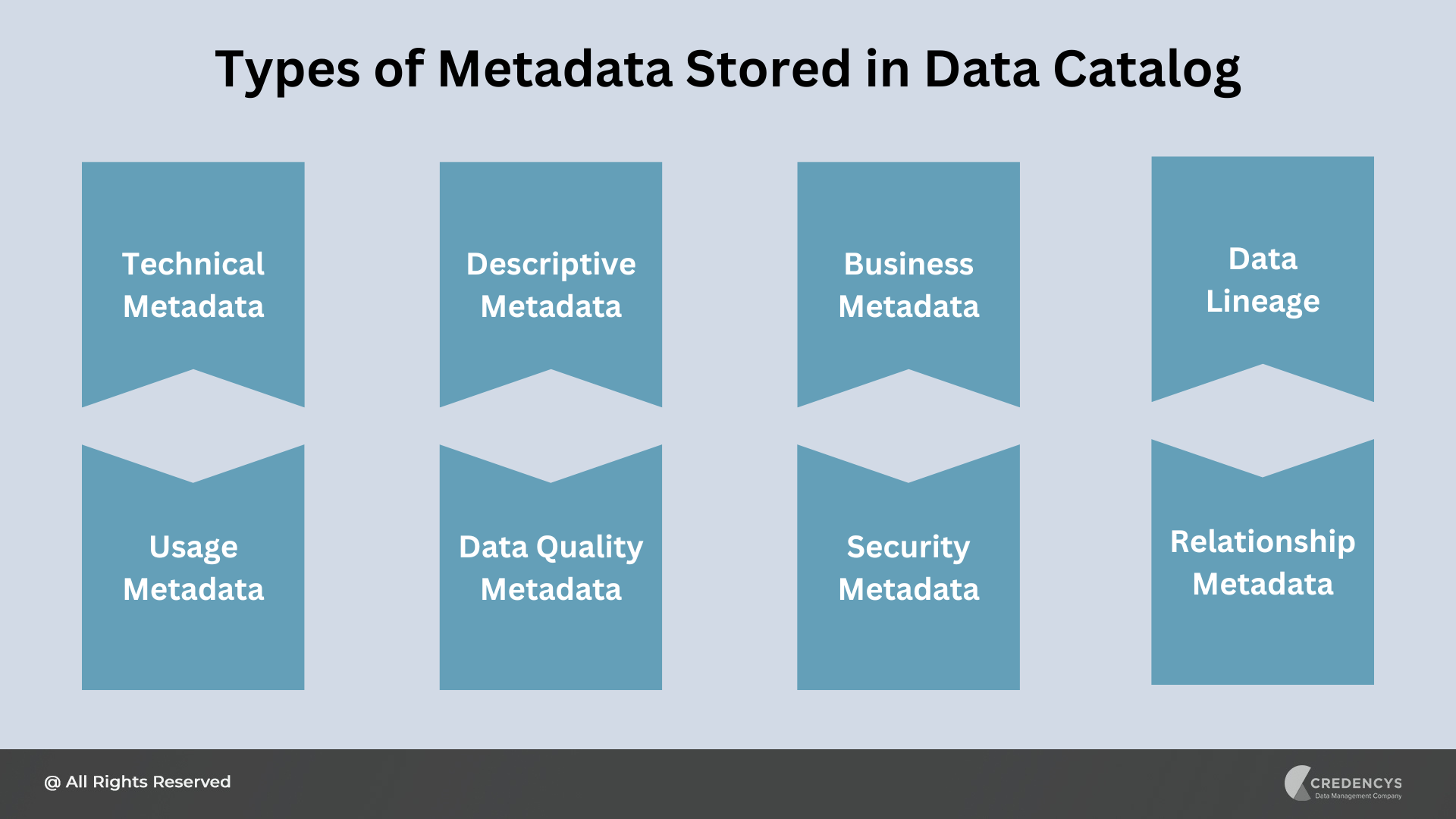
What is a Data Catalog? Definition, Benefits, Features, & More
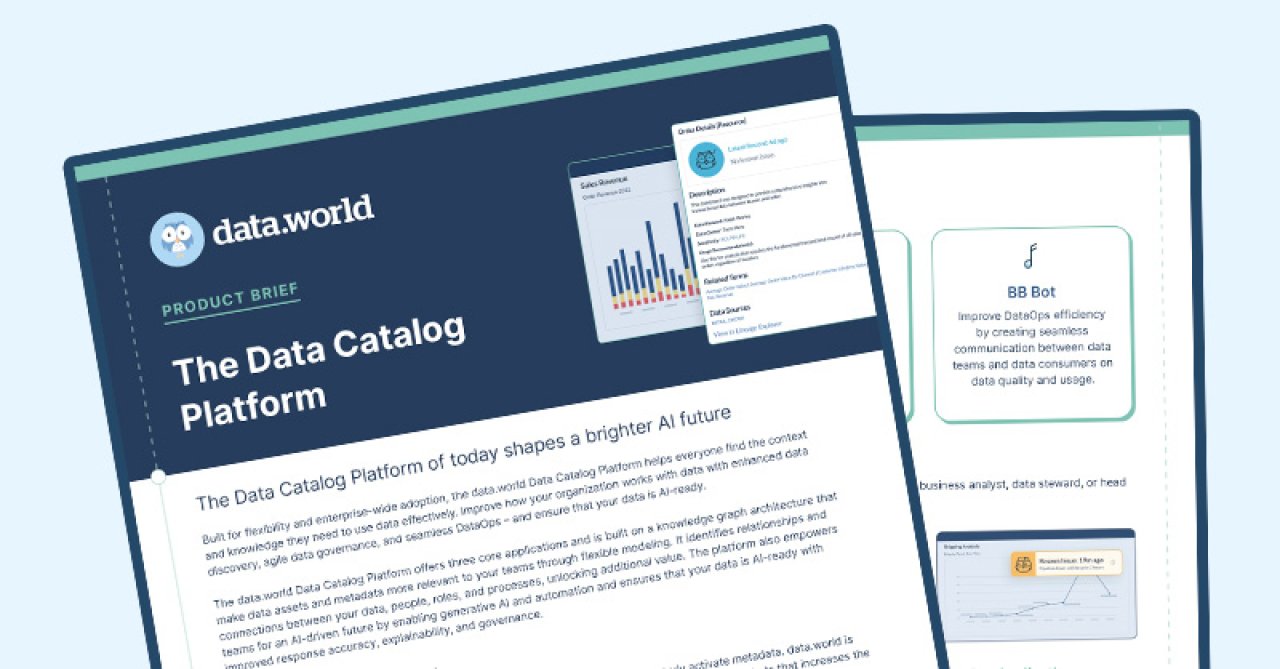
Mastering Metadata Management A Comprehensive Guide data.world
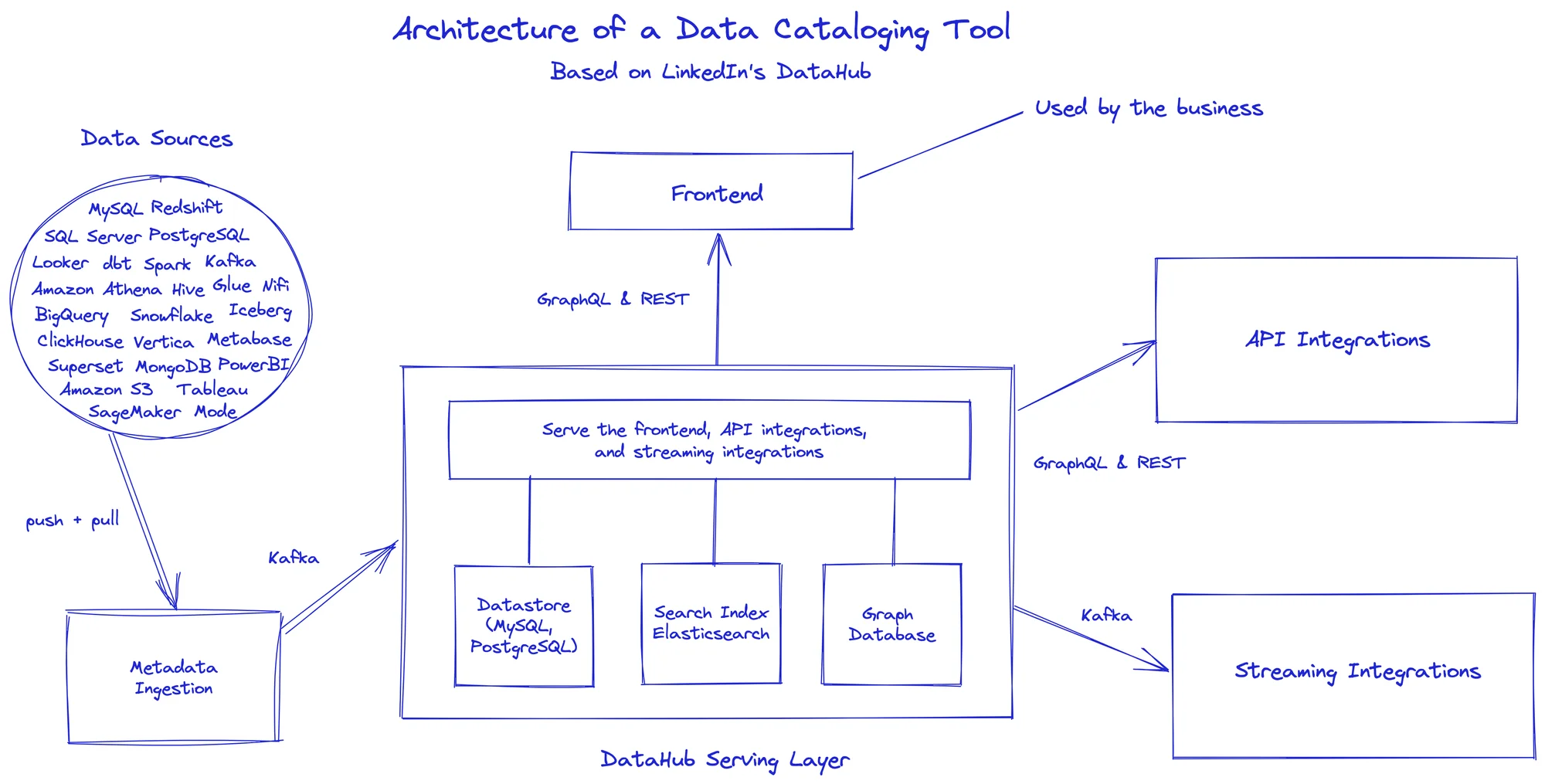
How to Build A Data Catalog Get Started in 8 Steps
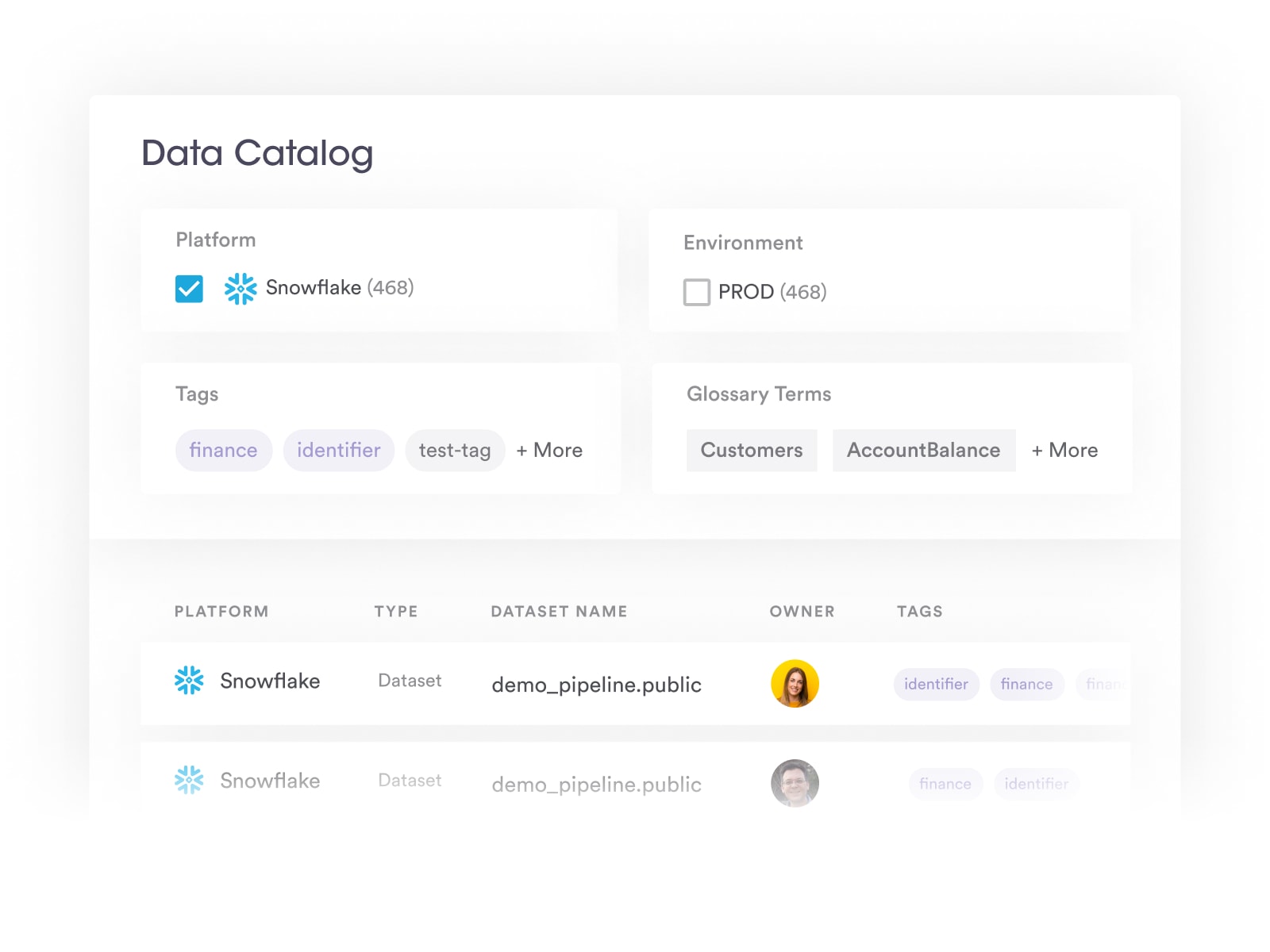
Improve Data Understanding, Accessibility, & Control With an Automated
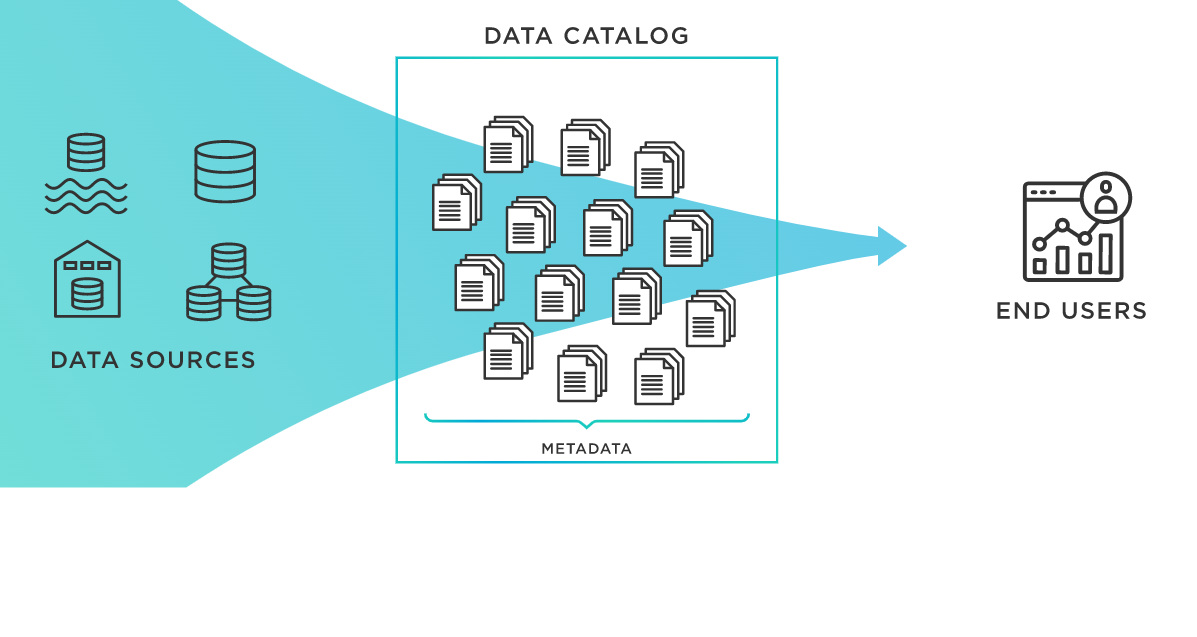
Data Catalog Concepts, Tools & Examples Analytics Yogi
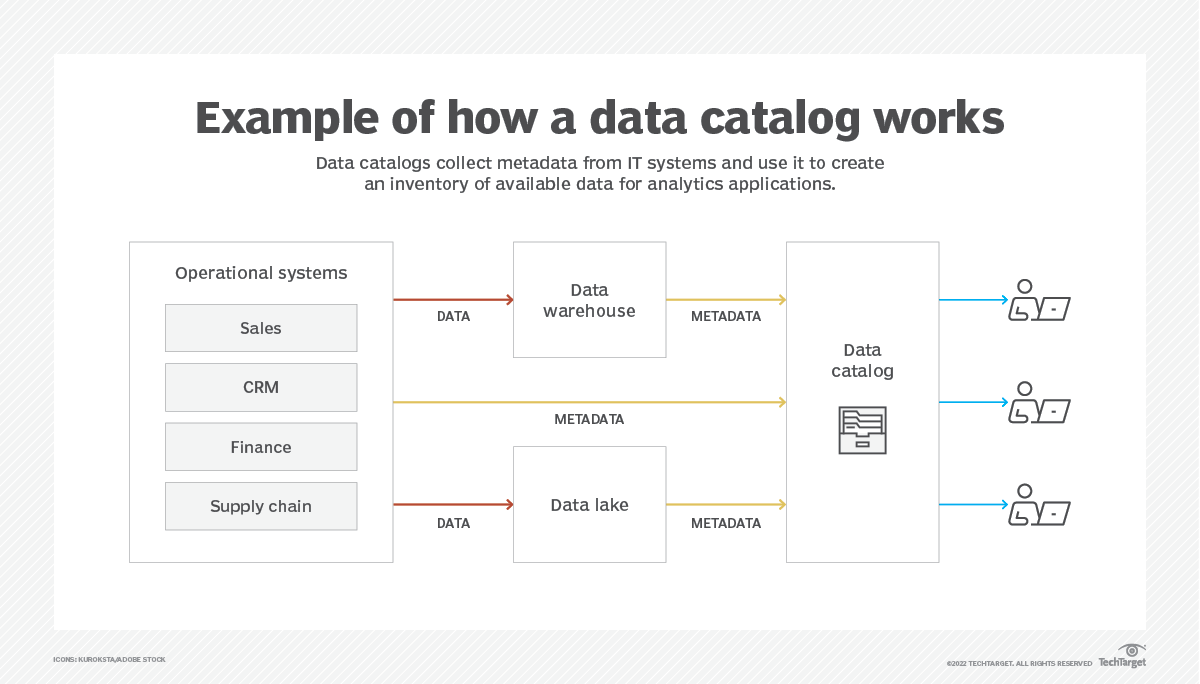
What is a Data Catalog? Uses, Benefits and Key Features TechTarget
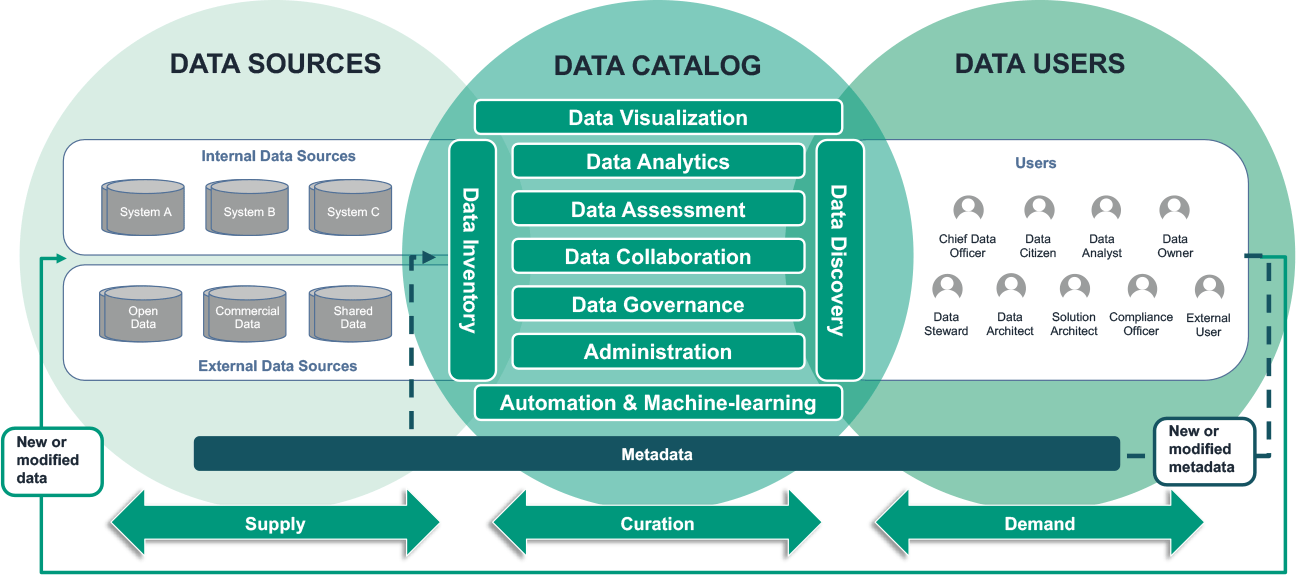
3 Reasons Why You Need a Data Catalog for Data Warehouse
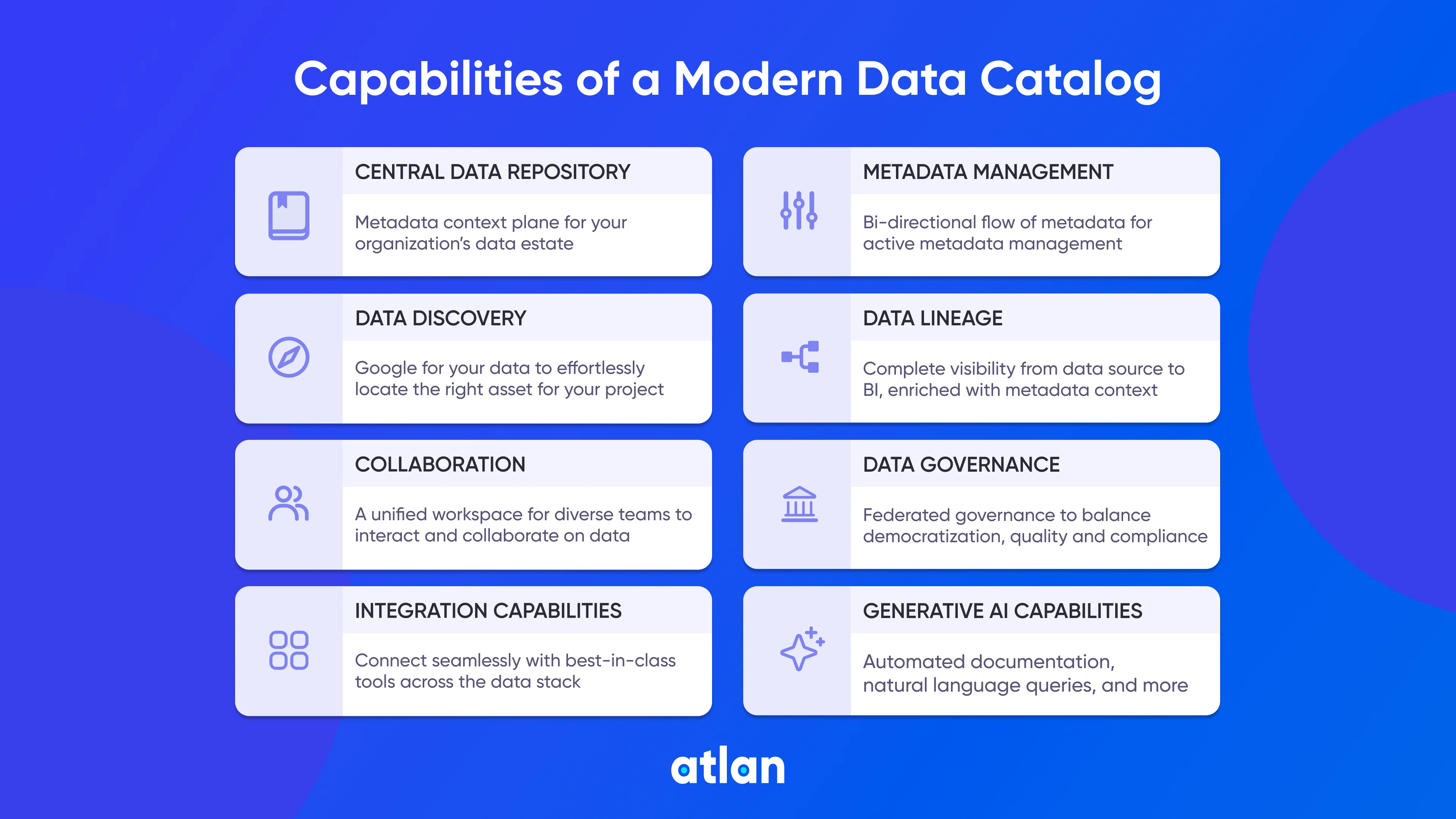
What is a Data Catalog? Benefits & Use Cases Atlan

Metadata Management & Data Catalog (Data Architecture Data Governance
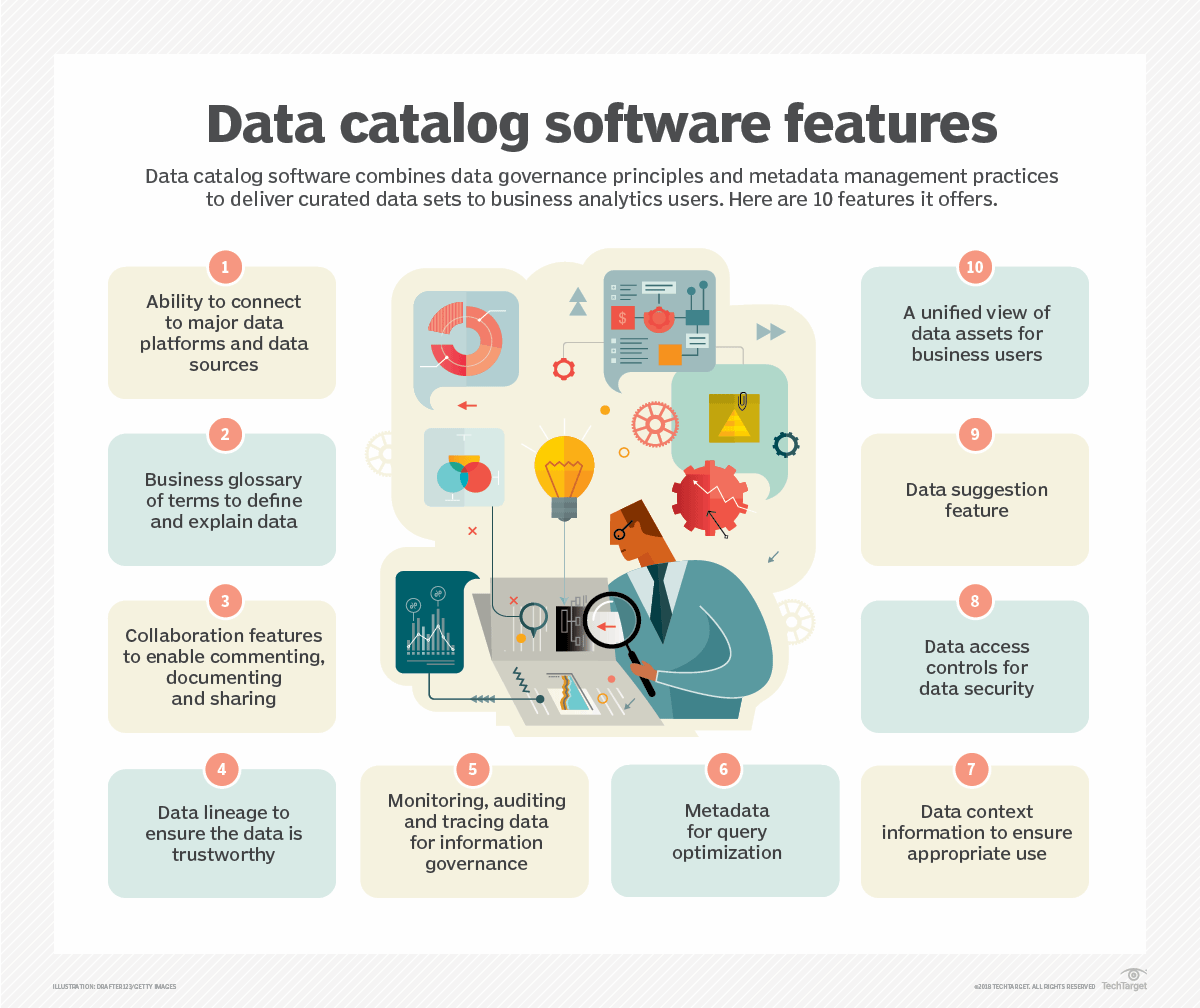
What is a Data Catalog? Uses, Benefits and Key Features TechTarget
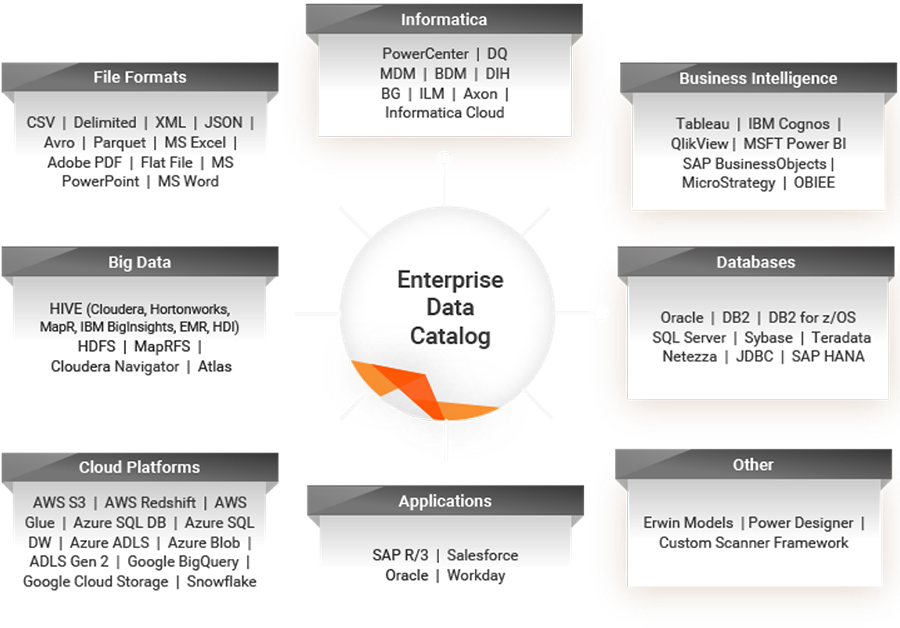
Metadata Management Tools Informatica
Related Post: