
Catalog Hospitality
Catalog Hospitality - I began to see the template not as a static file, but as a codified package of expertise, a carefully constructed system of best practices and brand rules, designed by one designer to empower another. The faint, sweet smell of the aging paper and ink is a form of time travel. They offer a range of design options to suit different aesthetic preferences and branding needs. Through art therapy, individuals can explore and confront their emotions, traumas, and fears in a safe and supportive environment. That paper object was a universe unto itself, a curated paradise with a distinct beginning, middle, and end. This is not necessarily a nefarious bargain—many users are happy to make this trade for a high-quality product—but it is a cost nonetheless. Instead of forcing the user to recall and apply a conversion factor—in this case, multiplying by approximately 1. It requires foresight, empathy for future users of the template, and a profound understanding of systems thinking. The online catalog, in its early days, tried to replicate this with hierarchical menus and category pages. It’s the visual equivalent of elevator music. Yet, the principle of the template itself is timeless. 49 This type of chart visually tracks key milestones—such as pounds lost, workouts completed, or miles run—and links them to pre-determined rewards, providing a powerful incentive to stay committed to the journey. Before the advent of the printing press in the 15th century, the idea of a text being "printable" was synonymous with it being "copyable" by the laborious hand of a scribe. The accompanying text is not a short, punchy bit of marketing copy; it is a long, dense, and deeply persuasive paragraph, explaining the economic benefits of the machine, providing testimonials from satisfied customers, and, most importantly, offering an ironclad money-back guarantee. It was a tool, I thought, for people who weren't "real" designers, a crutch for the uninspired, a way to produce something that looked vaguely professional without possessing any actual skill or vision. The utility of a family chart extends far beyond just chores. But this "free" is a carefully constructed illusion. Our visual system is a pattern-finding machine that has evolved over millions of years. The printable chart is also an invaluable asset for managing personal finances and fostering fiscal discipline. You can use a single, bright color to draw attention to one specific data series while leaving everything else in a muted gray. From the dog-eared pages of a childhood toy book to the ghostly simulations of augmented reality, the journey through these various catalog samples reveals a profound and continuous story. The chart becomes a space for honest self-assessment and a roadmap for becoming the person you want to be, demonstrating the incredible scalability of this simple tool from tracking daily tasks to guiding a long-term journey of self-improvement. Perhaps the sample is a transcript of a conversation with a voice-based AI assistant. It is a testament to the fact that humans are visual creatures, hardwired to find meaning in shapes, colors, and spatial relationships. 14 Furthermore, a printable progress chart capitalizes on the "Endowed Progress Effect," a psychological phenomenon where individuals are more motivated to complete a goal if they perceive that some progress has already been made. In conclusion, the concept of the printable is a dynamic and essential element of our modern information society. It transforms abstract goals like "getting in shape" or "eating better" into a concrete plan with measurable data points. A website theme is a template for a dynamic, interactive, and fluid medium that will be viewed on a dizzying array of screen sizes, from a tiny watch face to a massive desktop monitor. You will need to install one, such as the free Adobe Acrobat Reader, before you can view the manual. My professor ignored the aesthetics completely and just kept asking one simple, devastating question: “But what is it trying to *say*?” I didn't have an answer. Video editing templates help streamline the production of high-quality video content for YouTube and other platforms. But as the sheer volume of products exploded, a new and far more powerful tool came to dominate the experience: the search bar. The resulting idea might not be a flashy new feature, but a radical simplification of the interface, with a focus on clarity and reassurance. It proves, in a single, unforgettable demonstration, that a chart can reveal truths—patterns, outliers, and relationships—that are completely invisible in the underlying statistics. Today, the spirit of these classic print manuals is more alive than ever, but it has evolved to meet the demands of the digital age. The powerful model of the online catalog—a vast, searchable database fronted by a personalized, algorithmic interface—has proven to be so effective that it has expanded far beyond the world of retail. Pull out the dipstick, wipe it clean with a cloth, reinsert it fully, and then pull it out again. It was a shared cultural artifact, a snapshot of a particular moment in design and commerce that was experienced by millions of people in the same way. By drawing a simple line for each item between two parallel axes, it provides a crystal-clear picture of which items have risen, which have fallen, and which have crossed over. Ultimately, perhaps the richest and most important source of design ideas is the user themselves. You ask a question, you make a chart, the chart reveals a pattern, which leads to a new question, and so on. From a simple blank grid on a piece of paper to a sophisticated reward system for motivating children, the variety of the printable chart is vast, hinting at its incredible versatility. This idea, born from empathy, is infinitely more valuable than one born from a designer's ego. What Tufte articulated as principles of graphical elegance are, in essence, practical applications of cognitive psychology. While the consumer catalog is often focused on creating this kind of emotional and aspirational connection, there exists a parallel universe of catalogs where the goals are entirely different. Don Norman’s classic book, "The Design of Everyday Things," was a complete game-changer for me in this regard. The familiar structure of a catalog template—the large image on the left, the headline and description on the right, the price at the bottom—is a pattern we have learned. This digital foundation has given rise to a vibrant and sprawling ecosystem of creative printables, a subculture and cottage industry that thrives on the internet. My entire reason for getting into design was this burning desire to create, to innovate, to leave a unique visual fingerprint on everything I touched. This manual provides a detailed maintenance schedule, which you should follow to ensure the longevity of your vehicle. The comparison chart serves as a powerful antidote to this cognitive bottleneck. Suddenly, the catalog could be interrogated. They are built from the fragments of the world we collect, from the constraints of the problems we are given, from the conversations we have with others, from the lessons of those who came before us, and from a deep empathy for the people we are trying to serve. The goal is to create a guided experience, to take the viewer by the hand and walk them through the data, ensuring they see the same insight that the designer discovered. This shift was championed by the brilliant American statistician John Tukey. The static PDF manual, while still useful, has been largely superseded by the concept of the living "design system. Then came the color variations. We are also very good at judging length from a common baseline, which is why a bar chart is a workhorse of data visualization. These aren't just theories; they are powerful tools for creating interfaces that are intuitive and feel effortless to use. We find it in the first chipped flint axe, a tool whose form was dictated by the limitations of its material and the demands of its function—to cut, to scrape, to extend the power of the human hand. Each of these charts serves a specific cognitive purpose, designed to reduce complexity and provide a clear framework for action or understanding. When objective data is used, it must be accurate and sourced reliably. A template is designed with an idealized set of content in mind—headlines of a certain length, photos of a certain orientation. Mindful journaling involves bringing a non-judgmental awareness to one’s thoughts and emotions as they are recorded on paper. The power this unlocked was immense. It connects a series of data points over a continuous interval, its peaks and valleys vividly depicting growth, decline, and volatility. This practice can help individuals cultivate a deeper connection with themselves and their experiences. The social media graphics were a riot of neon colors and bubbly illustrations. 67 For a printable chart specifically, there are practical considerations as well. 58 Ultimately, an ethical chart serves to empower the viewer with a truthful understanding, making it a tool for clarification rather than deception. The fields of data sonification, which translates data into sound, and data physicalization, which represents data as tangible objects, are exploring ways to engage our other senses in the process of understanding information. By addressing these issues in a structured manner, guided journaling can help individuals gain insights and develop healthier coping mechanisms. They save time, reduce effort, and ensure consistency, making them valuable tools for both individuals and businesses. These entries can be specific, such as a kind gesture from a friend, or general, such as the beauty of nature. Digital notifications, endless emails, and the persistent hum of connectivity create a state of information overload that can leave us feeling drained and unfocused. 73 By combining the power of online design tools with these simple printing techniques, you can easily bring any printable chart from a digital concept to a tangible tool ready for use. These resources often include prompts tailored to various themes, such as gratitude, mindfulness, and personal growth. A weekly meal planning chart not only helps with nutritional goals but also simplifies grocery shopping and reduces the stress of last-minute meal decisions. This enduring psychological appeal is why the printable continues to thrive alongside its digital counterparts. This spirit is particularly impactful in a global context, where a free, high-quality educational resource can be downloaded and used by a teacher in a remote village in Aceh just as easily as by one in a well-funded suburban school, leveling the playing field in a small but meaningful way.
Hotel Catalog Catalog Template

Comprehensive Product Catalogs 1880 Hospitality

Comprehensive Product Catalogs 1880 Hospitality

Hospitality Catalog Behance

Catering Brochure Design Template in PSD, Word, Publisher, Illustrator

AHI hospitality catalog 2020 Tatiana Gutierrez Loaiza Page 1 52
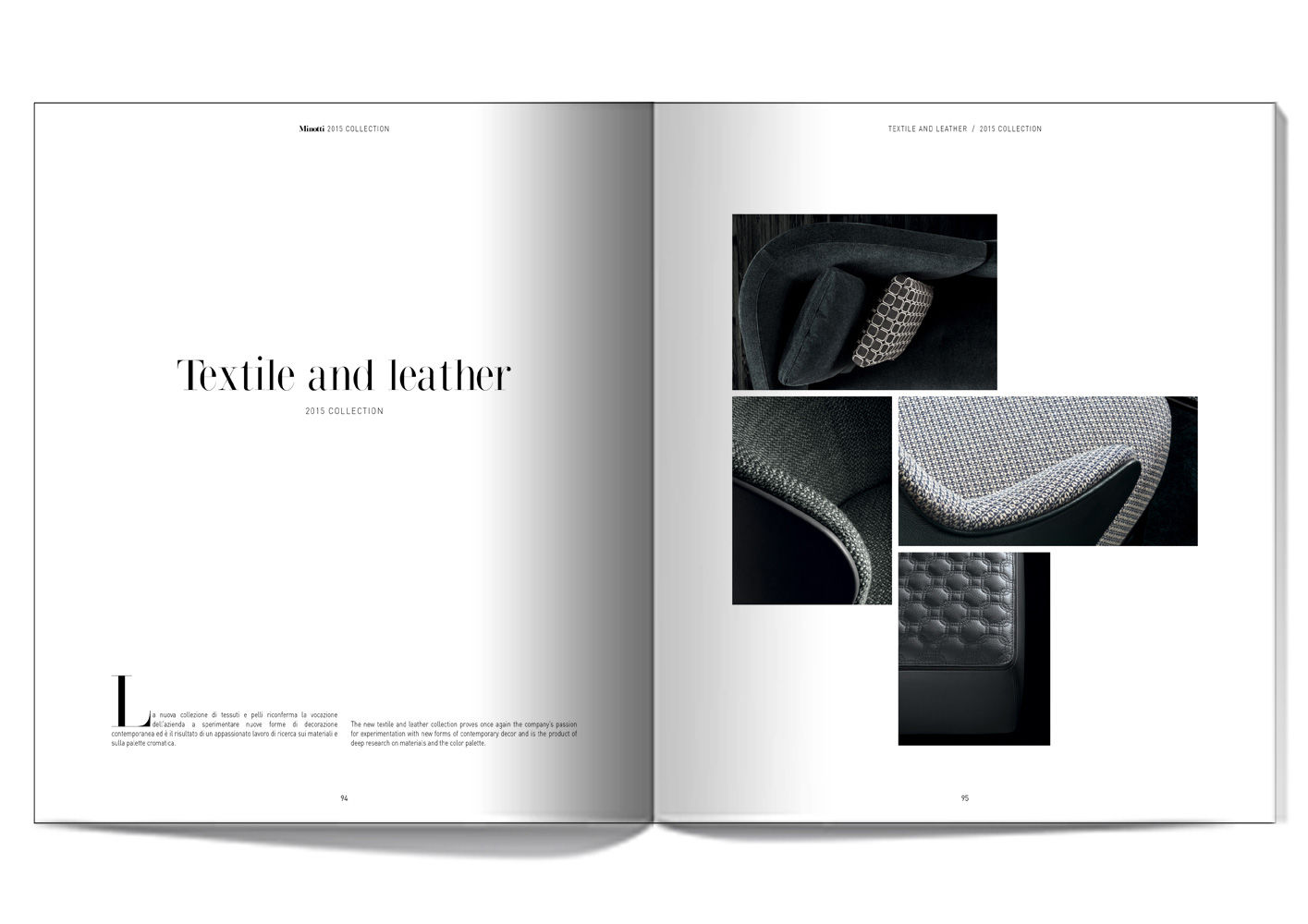
MINOTTI HOSPITALITY, 2015 COLLECTION CATALOG MARKETING EN

Hospitality Catalog Behance

Hospitality Catalog Behance
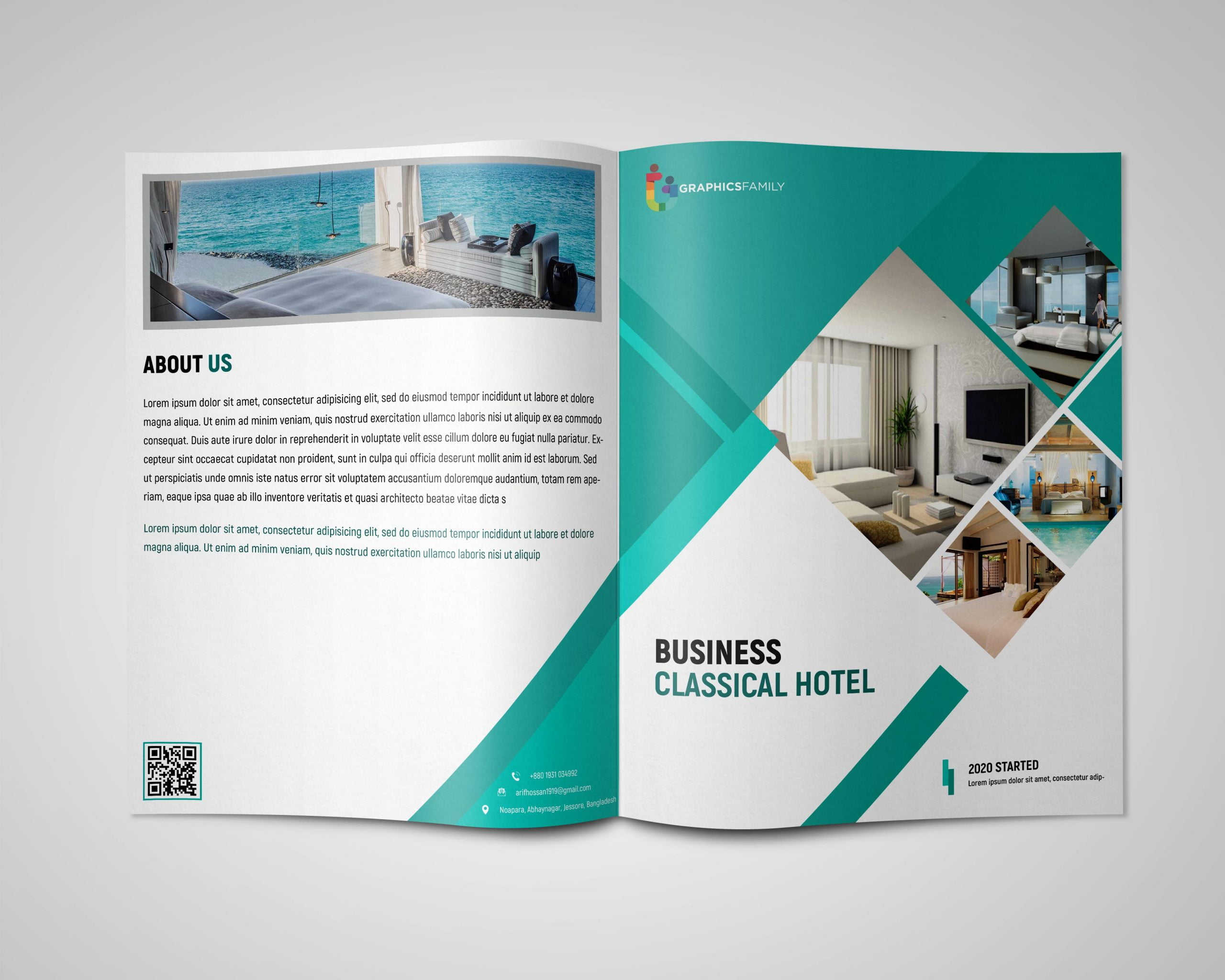
Hotel Service Bi Fold Brochure Design Free PSD Template GraphicsFamily

Hospitality Catalog
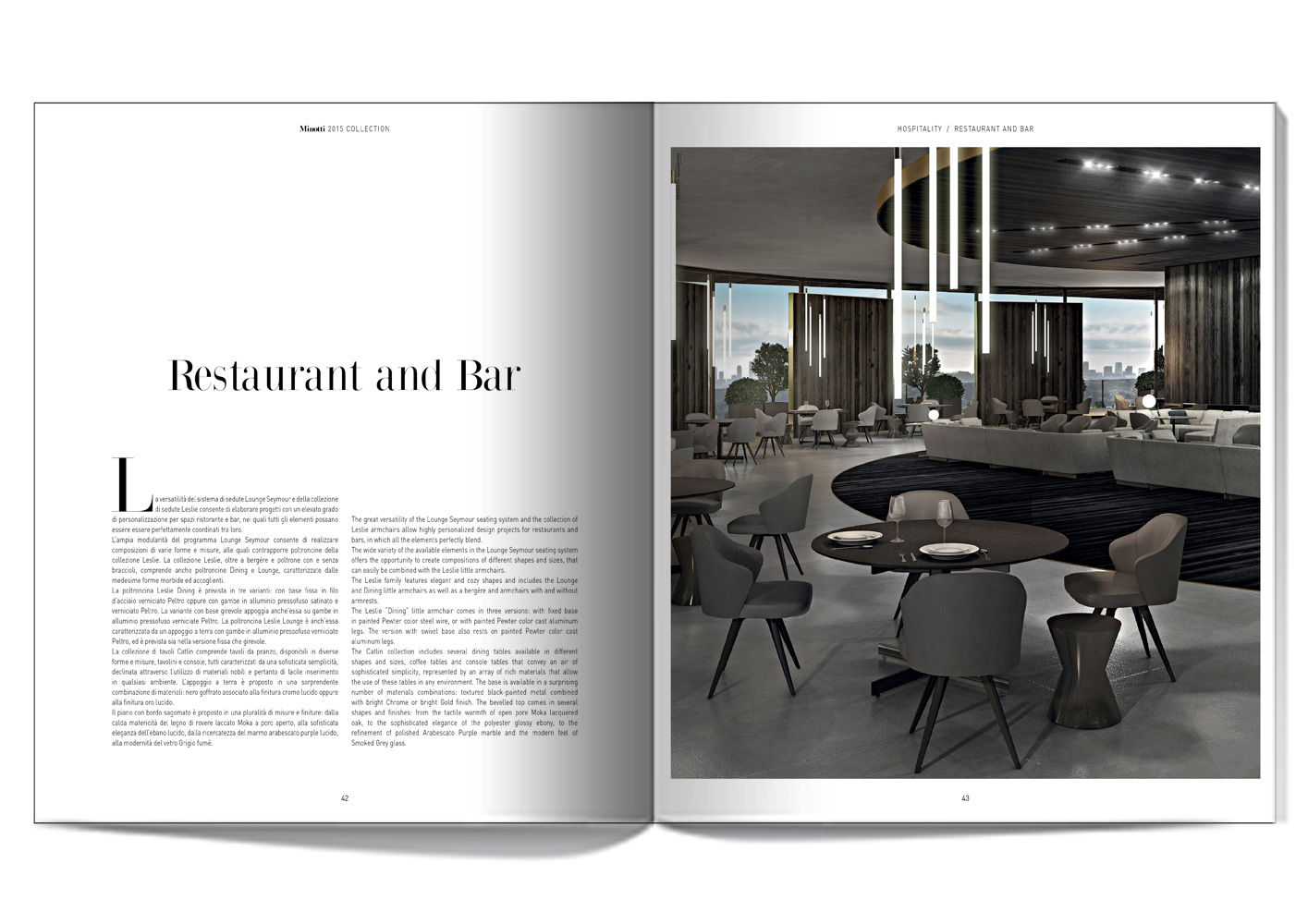
MINOTTI HOSPITALITY, 2015 COLLECTION CATALOG MARKETING EN
2018 SMART Hospitality Displays Catalog 180830 2p PDF Samsung

Hospitality Catalog
CabteqHospitality Catalog2019 by Joseph J. Bria Flipsnack

Hospitality Catalog
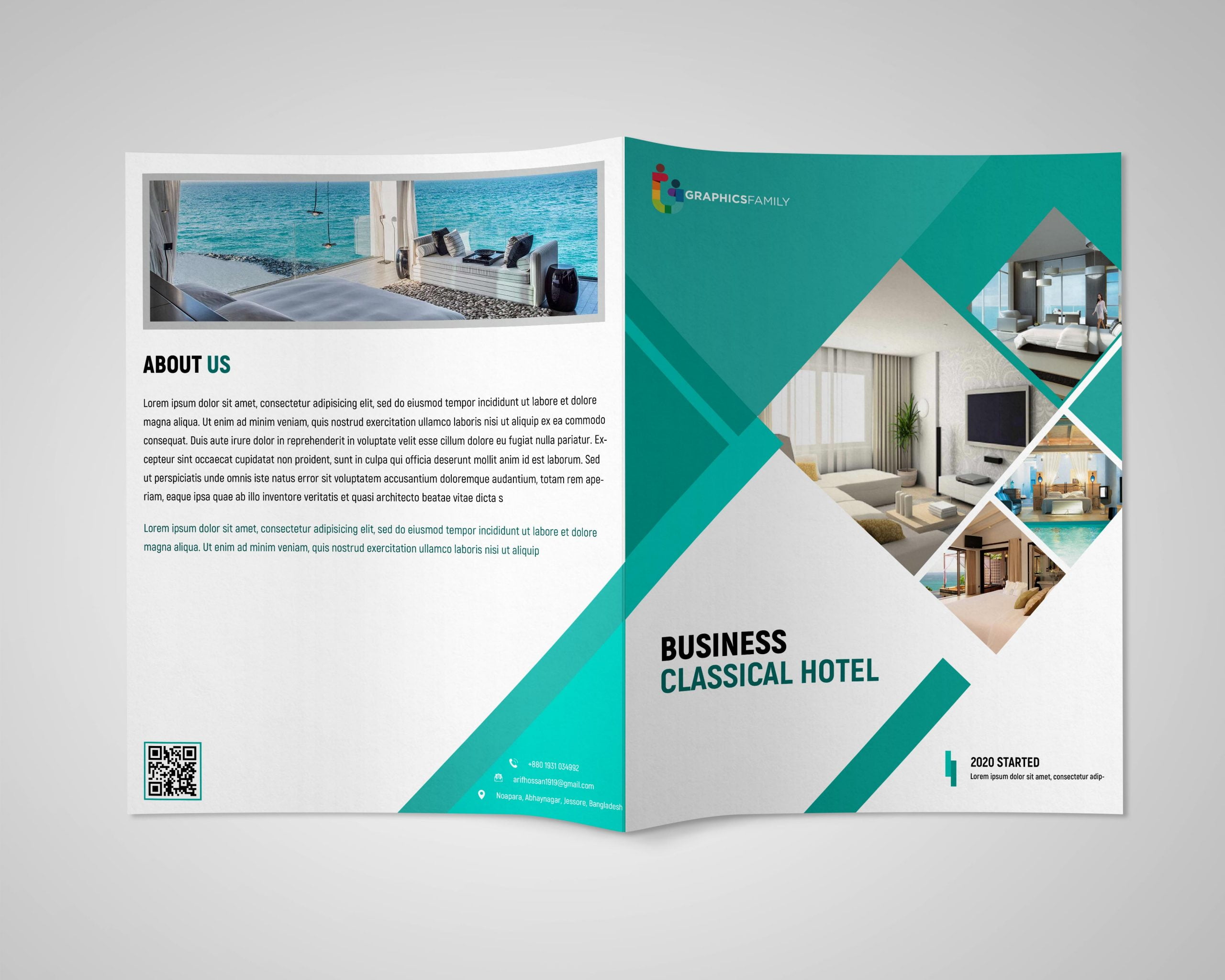
Hotel Service Bi Fold Brochure Design Free PSD Template GraphicsFamily
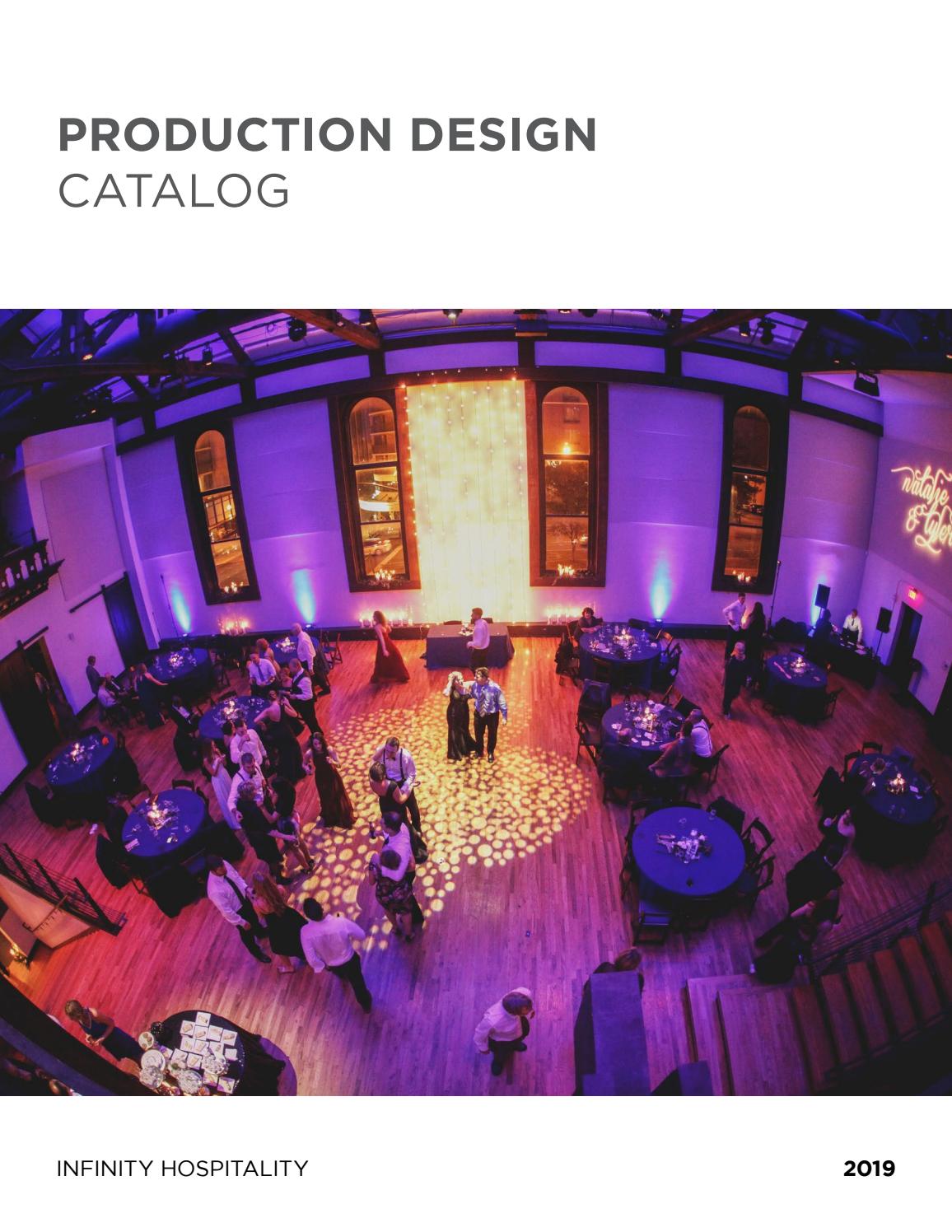
Production Design Catalog by Infinity Hospitality Group Issuu

Luxury Hotel Brochure Trifold Template A4 Paper Size
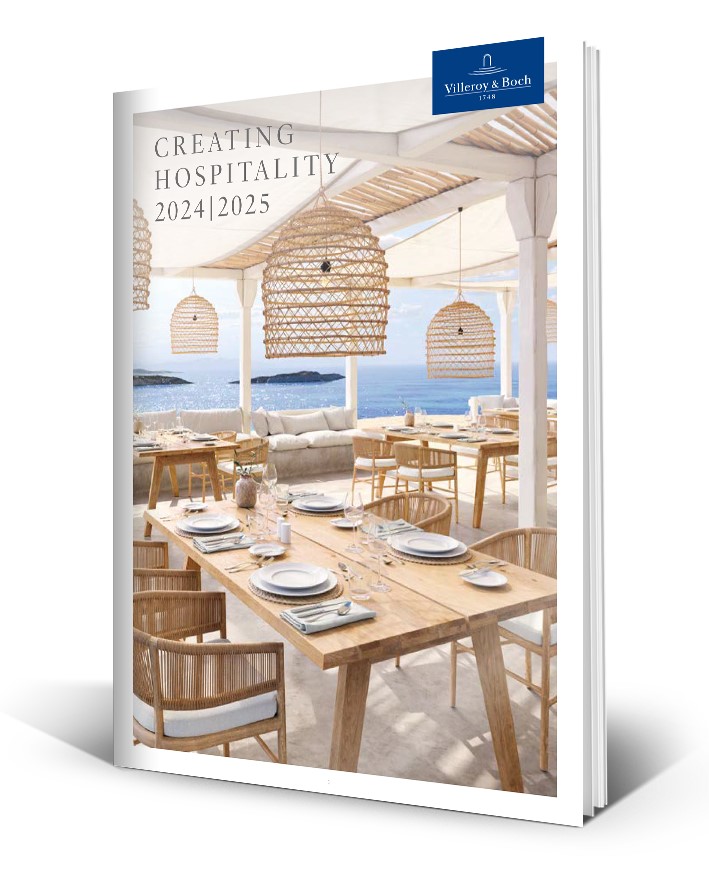
Villeroy & Boch Creating Hospitality Katalog 2024 NUR ALS DOWNLOAD

Hospitality Catalog Behance

Hospitality Catalog Behance
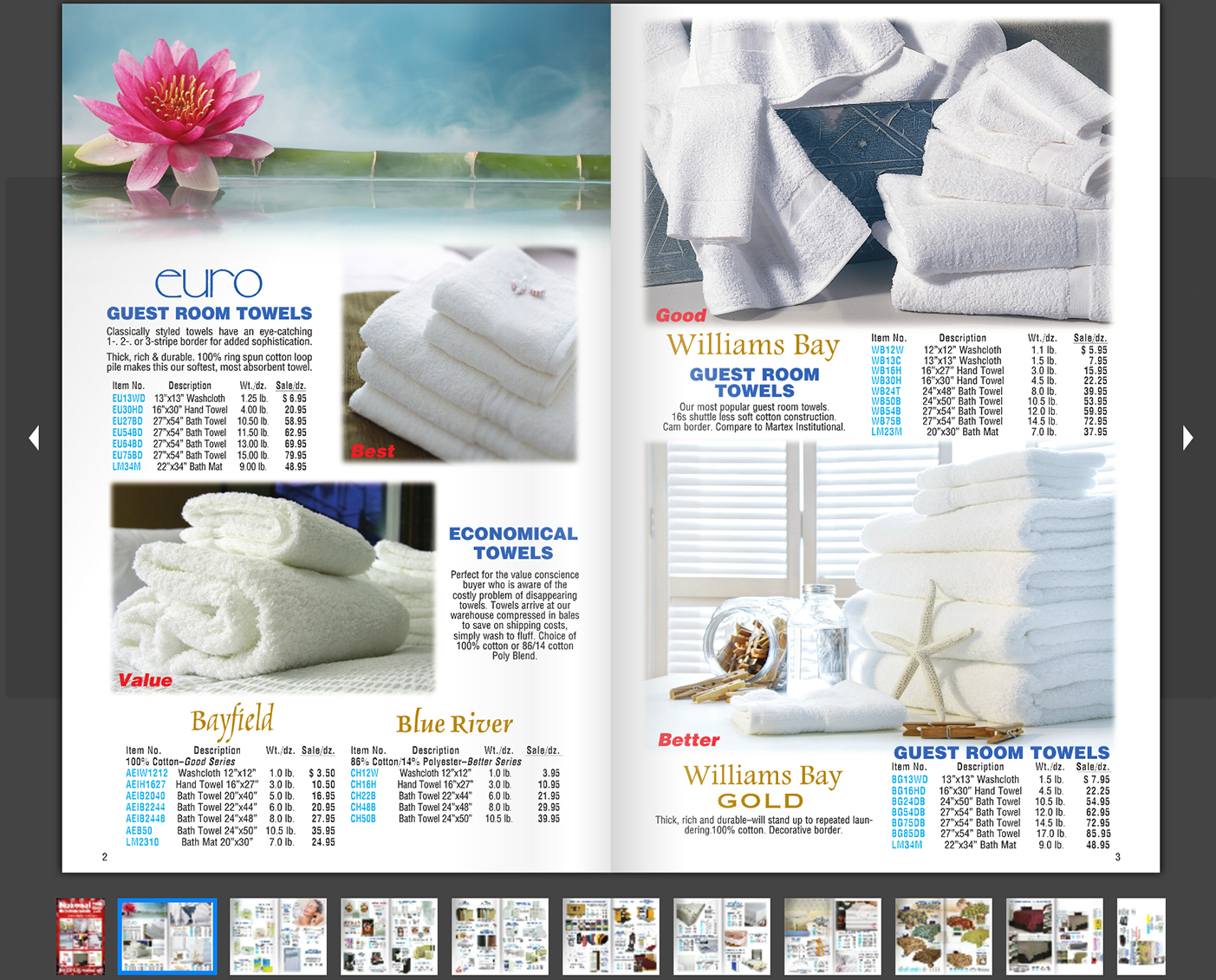
Interactive National Hospitality Catalog National Hospitality Supply

Hospitality Catalog
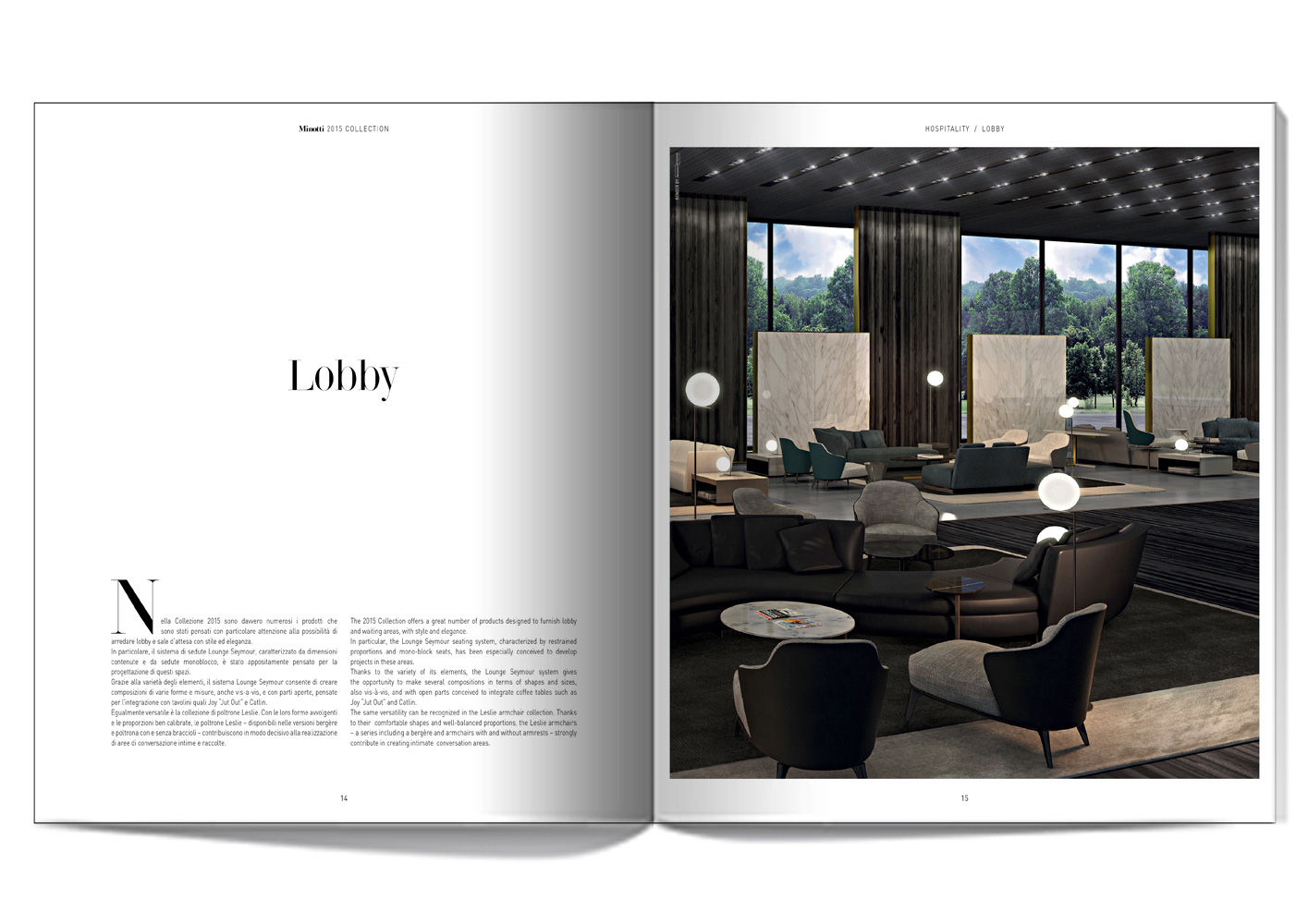
MINOTTI HOSPITALITY, 2015 COLLECTION CATALOG MARKETING EN
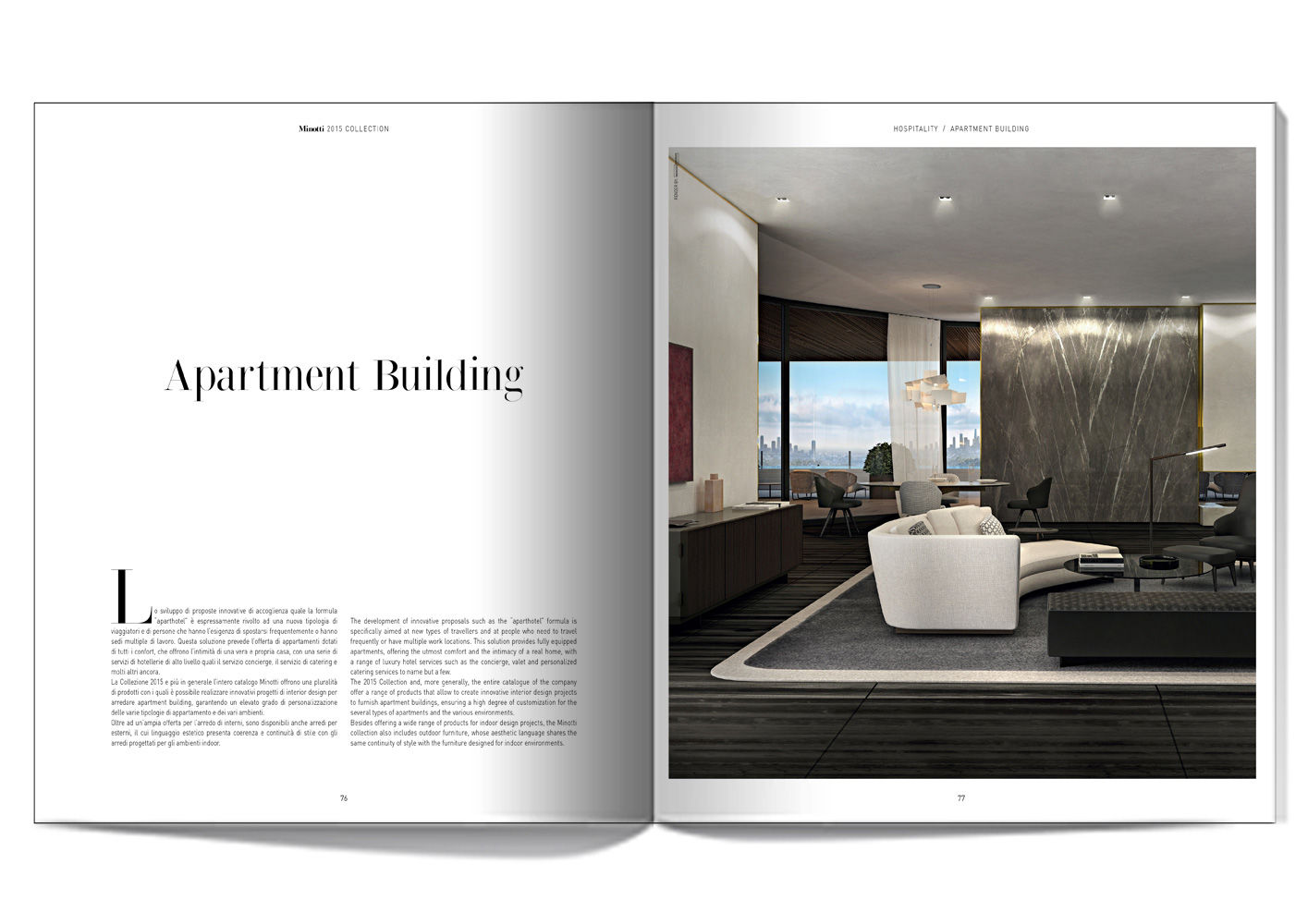
MINOTTI HOSPITALITY, 2015 COLLECTION CATALOG MARKETING EN

Hospitality Catalog Behance

Catalog for Gaber's Forniture and Hospitality sector products

Catalogue Hospitality Furniture Concepts PDF to Flipbook
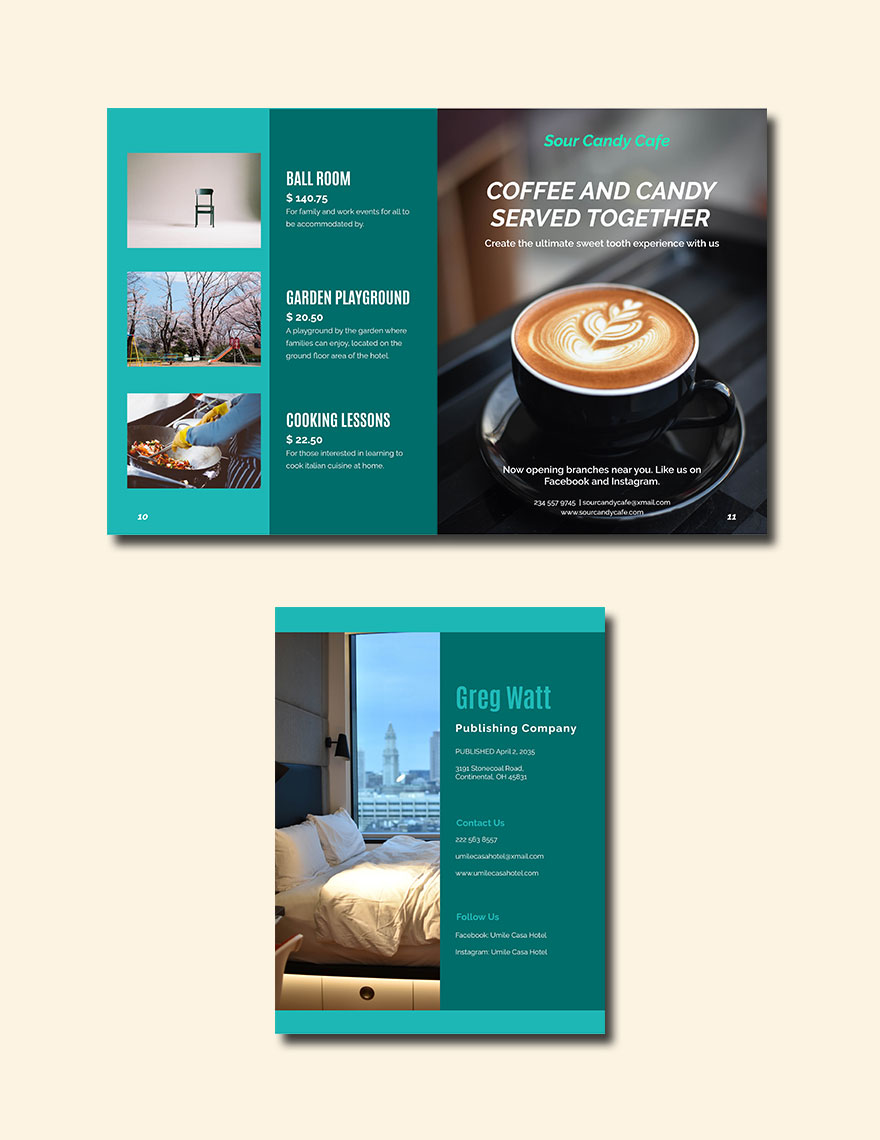
New Hotel Catalog Template in InDesign, Word Download

Lookbooks Mittman Hospitality

Hospitality Catalog
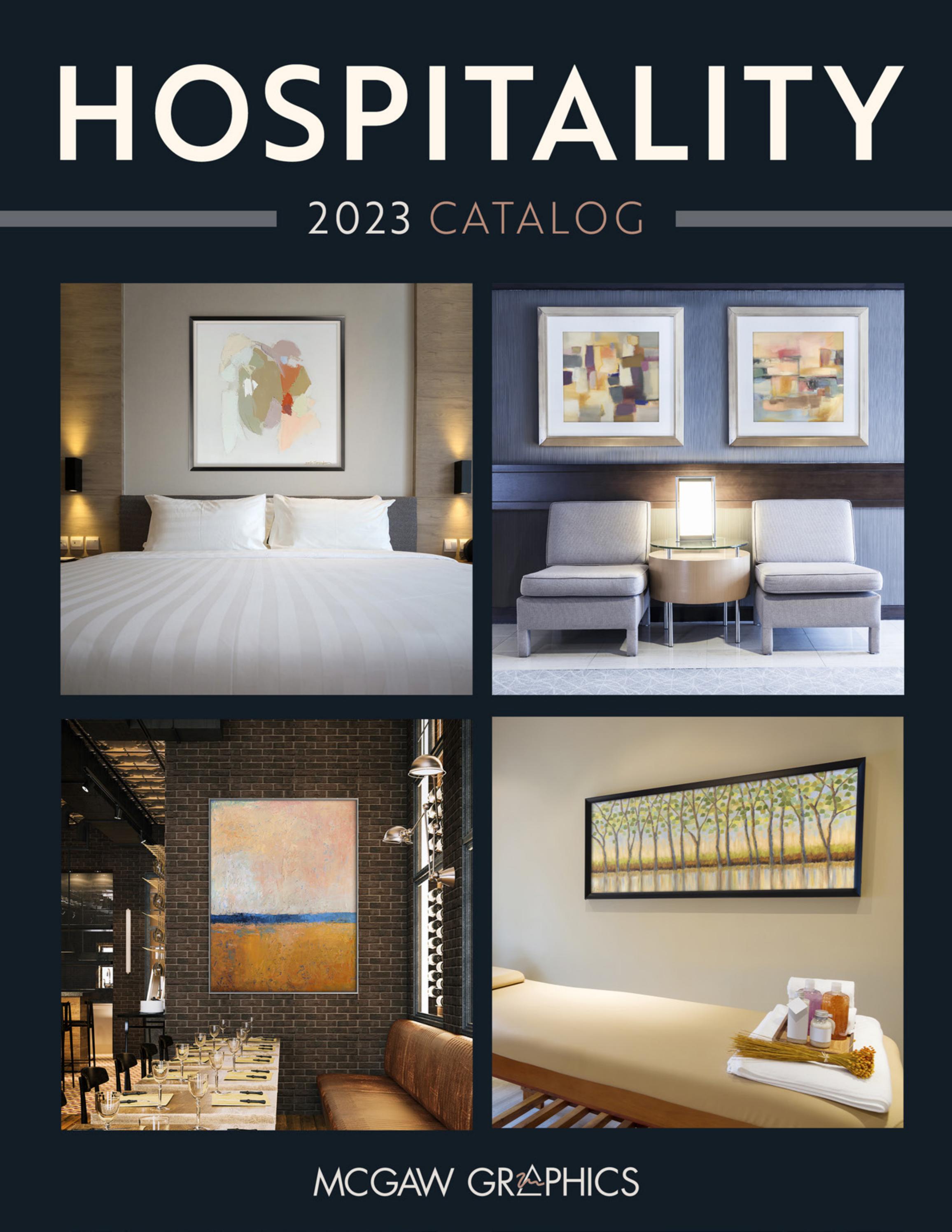
McGaw Graphics Hospitality Catalog 2023 by McGaw Graphics Issuu

Hospitality Catalog
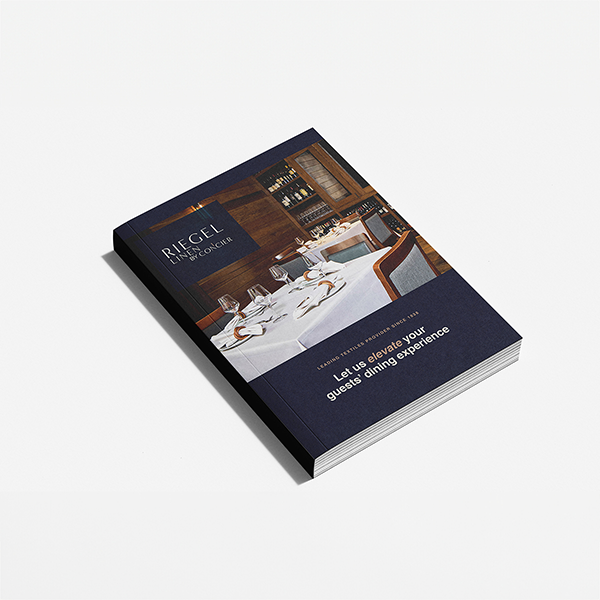
Catalogs 1Concier
Related Post: