
Buggy Top Co Illustrated Catalog
Buggy Top Co Illustrated Catalog - Far more than a mere organizational accessory, a well-executed printable chart functions as a powerful cognitive tool, a tangible instrument for strategic planning, and a universally understood medium for communication. The final posters were, to my surprise, the strongest work I had ever produced. This architectural thinking also has to be grounded in the practical realities of the business, which brings me to all the "boring" stuff that my romanticized vision of being a designer completely ignored. It uses annotations—text labels placed directly on the chart—to explain key points, to add context, or to call out a specific event that caused a spike or a dip. A professional understands that their responsibility doesn’t end when the creative part is done. For a chair design, for instance: What if we *substitute* the wood with recycled plastic? What if we *combine* it with a bookshelf? How can we *adapt* the design of a bird's nest to its structure? Can we *modify* the scale to make it a giant's chair or a doll's chair? What if we *put it to another use* as a plant stand? What if we *eliminate* the backrest? What if we *reverse* it and hang it from the ceiling? Most of the results will be absurd, but the process forces you to break out of your conventional thinking patterns and can sometimes lead to a genuinely innovative breakthrough. It’s about cultivating a mindset of curiosity rather than defensiveness. Let us examine a sample from a different tradition entirely: a page from a Herman Miller furniture catalog from the 1950s. The opportunity cost of a life spent pursuing the endless desires stoked by the catalog is a life that could have been focused on other values: on experiences, on community, on learning, on creative expression, on civic engagement. Tools like a "Feelings Thermometer" allow an individual to gauge the intensity of their emotions on a scale, helping them to recognize triggers and develop constructive coping mechanisms before feelings like anger or anxiety become uncontrollable. A study schedule chart is a powerful tool for organizing a student's workload, taming deadlines, and reducing the anxiety associated with academic pressures. Can a chart be beautiful? And if so, what constitutes that beauty? For a purist like Edward Tufte, the beauty of a chart lies in its clarity, its efficiency, and its information density. These are inexpensive and easy to replace items that are part of regular maintenance but are often overlooked. 102 In this hybrid model, the digital system can be thought of as the comprehensive "bank" where all information is stored, while the printable chart acts as the curated "wallet" containing only what is essential for the focus of the current day or week. The resulting idea might not be a flashy new feature, but a radical simplification of the interface, with a focus on clarity and reassurance. Gail Matthews, a psychology professor at Dominican University, found that individuals who wrote down their goals were a staggering 42 percent more likely to achieve them compared to those who merely thought about them. The machine weighs approximately 5,500 kilograms and requires a reinforced concrete foundation for proper installation. Your Aura Smart Planter comes with a one-year limited warranty, which covers any defects in materials or workmanship under normal use. Things like buttons, navigation menus, form fields, and data tables are designed, built, and coded once, and then they can be used by anyone on the team to assemble new screens and features. 34Beyond the academic sphere, the printable chart serves as a powerful architect for personal development, providing a tangible framework for building a better self. The foundation of most charts we see today is the Cartesian coordinate system, a conceptual grid of x and y axes that was itself a revolutionary idea, a way of mapping number to space. By the 14th century, knitting had become established in Europe, where it was primarily a male-dominated craft. Similarly, a nutrition chart or a daily food log can foster mindful eating habits and help individuals track caloric intake or macronutrients. This sample is a radically different kind of artifact. This world of creative printables highlights a deep-seated desire for curated, personalized physical goods in an age of mass-produced digital content. In the event of an emergency, being prepared and knowing what to do can make a significant difference. This demonstrated that motion could be a powerful visual encoding variable in its own right, capable of revealing trends and telling stories in a uniquely compelling way. The purpose of a crit is not just to get a grade or to receive praise. " We can use social media platforms, search engines, and a vast array of online tools without paying any money. The first of these is "external storage," where the printable chart itself becomes a tangible, physical reminder of our intentions. Like any skill, drawing requires dedication and perseverance to master, but the rewards are boundless. Instead of forcing the user to recall and apply a conversion factor—in this case, multiplying by approximately 1. Each step is then analyzed and categorized on a chart as either "value-adding" or "non-value-adding" (waste) from the customer's perspective. This sample is a radically different kind of artifact. You have to believe that the hard work you put in at the beginning will pay off, even if you can't see the immediate results. Furthermore, it must account for the fact that a "cup" is not a standard unit of mass; a cup of lead shot weighs far more than a cup of feathers. A product with a slew of negative reviews was a red flag, a warning from your fellow consumers. Then, meticulously reconnect all the peripheral components, referring to your photographs to ensure correct cable routing. The digital revolution has amplified the power and accessibility of the template, placing a virtually infinite library of starting points at our fingertips. This was a revelation. This meant finding the correct Pantone value for specialized printing, the CMYK values for standard four-color process printing, the RGB values for digital screens, and the Hex code for the web. But professional design is deeply rooted in empathy. Research has shown that gratitude journaling can lead to increased happiness, reduced stress, and improved physical health. The concept of a "printable" document is inextricably linked to the history of printing itself, a history that marks one of the most significant turning points in human civilization. It has fulfilled the wildest dreams of the mail-order pioneers, creating a store with an infinite, endless shelf, a store that is open to everyone, everywhere, at all times. It contains all the foundational elements of a traditional manual: logos, colors, typography, and voice. It’s the discipline of seeing the world with a designer’s eye, of deconstructing the everyday things that most people take for granted. Abstract ambitions like "becoming more mindful" or "learning a new skill" can be made concrete and measurable with a simple habit tracker chart. From here, you can monitor the water level, adjust the light schedule, and receive helpful notifications and tips tailored to the specific plant you have chosen to grow. The ultimate illustration of Tukey's philosophy, and a crucial parable for anyone who works with data, is Anscombe's Quartet. An effective chart is one that is designed to work with your brain's natural tendencies, making information as easy as possible to interpret and act upon. How can we ever truly calculate the full cost of anything? How do you place a numerical value on the loss of a species due to deforestation? What is the dollar value of a worker's dignity and well-being? How do you quantify the societal cost of increased anxiety and decision fatigue? The world is a complex, interconnected system, and the ripple effects of a single product's lifecycle are vast and often unknowable. They were acts of incredible foresight, designed to last for decades and to bring a sense of calm and clarity to a visually noisy world. The act of drawing allows us to escape from the pressures of daily life and enter into a state of flow, where time seems to stand still and the worries of the world fade away. Don Norman’s classic book, "The Design of Everyday Things," was a complete game-changer for me in this regard. It starts with low-fidelity sketches on paper, not with pixel-perfect mockups in software. Its power stems from its ability to complement our cognitive abilities, providing an external scaffold for our limited working memory and leveraging our powerful visual intuition. They were clear, powerful, and conceptually tight, precisely because the constraints had forced me to be incredibly deliberate and clever with the few tools I had. Digital notifications, endless emails, and the persistent hum of connectivity create a state of information overload that can leave us feeling drained and unfocused. Sticker paper is a specialty product for making adhesive labels. 36 This detailed record-keeping is not just for posterity; it is the key to progressive overload and continuous improvement, as the chart makes it easy to see progress over time and plan future challenges. Extraneous elements—such as excessive gridlines, unnecessary decorations, or distracting 3D effects, often referred to as "chartjunk"—should be eliminated as they can obscure the information and clutter the visual field. We find it in the first chipped flint axe, a tool whose form was dictated by the limitations of its material and the demands of its function—to cut, to scrape, to extend the power of the human hand. And while the minimalist studio with the perfect plant still sounds nice, I know now that the real work happens not in the quiet, perfect moments of inspiration, but in the messy, challenging, and deeply rewarding process of solving problems for others. 37 A more advanced personal development chart can evolve into a tool for deep self-reflection, with sections to identify personal strengths, acknowledge areas for improvement, and formulate self-coaching strategies. A true cost catalog would need to list a "cognitive cost" for each item, perhaps a measure of the time and mental effort required to make an informed decision. Here we encounter one of the most insidious hidden costs of modern consumer culture: planned obsolescence. However, the creation of a chart is as much a science as it is an art, governed by principles that determine its effectiveness and integrity. If you were to calculate the standard summary statistics for each of the four sets—the mean of X, the mean of Y, the variance, the correlation coefficient, the linear regression line—you would find that they are all virtually identical. As we look to the future, it is clear that knitting will continue to inspire and bring joy to those who practice it. This was the direct digital precursor to the template file as I knew it. For example, on a home renovation project chart, the "drywall installation" task is dependent on the "electrical wiring" task being finished first. It feels less like a tool that I'm operating, and more like a strange, alien brain that I can bounce ideas off of. The blank page wasn't a land of opportunity; it was a glaring, white, accusatory void, a mirror reflecting my own imaginative bankruptcy. It is far more than a simple employee directory; it is a visual map of the entire enterprise, clearly delineating reporting structures, departmental functions, and individual roles and responsibilities. This shift has fundamentally altered the materials, processes, and outputs of design. I began to learn that the choice of chart is not about picking from a menu, but about finding the right tool for the specific job at hand. Once you see it, you start seeing it everywhere—in news reports, in advertisements, in political campaign materials. The act of browsing this catalog is an act of planning and dreaming, of imagining a future garden, a future meal. The digital age has not made the conversion chart obsolete; it has perfected its delivery, making its power universally and immediately available.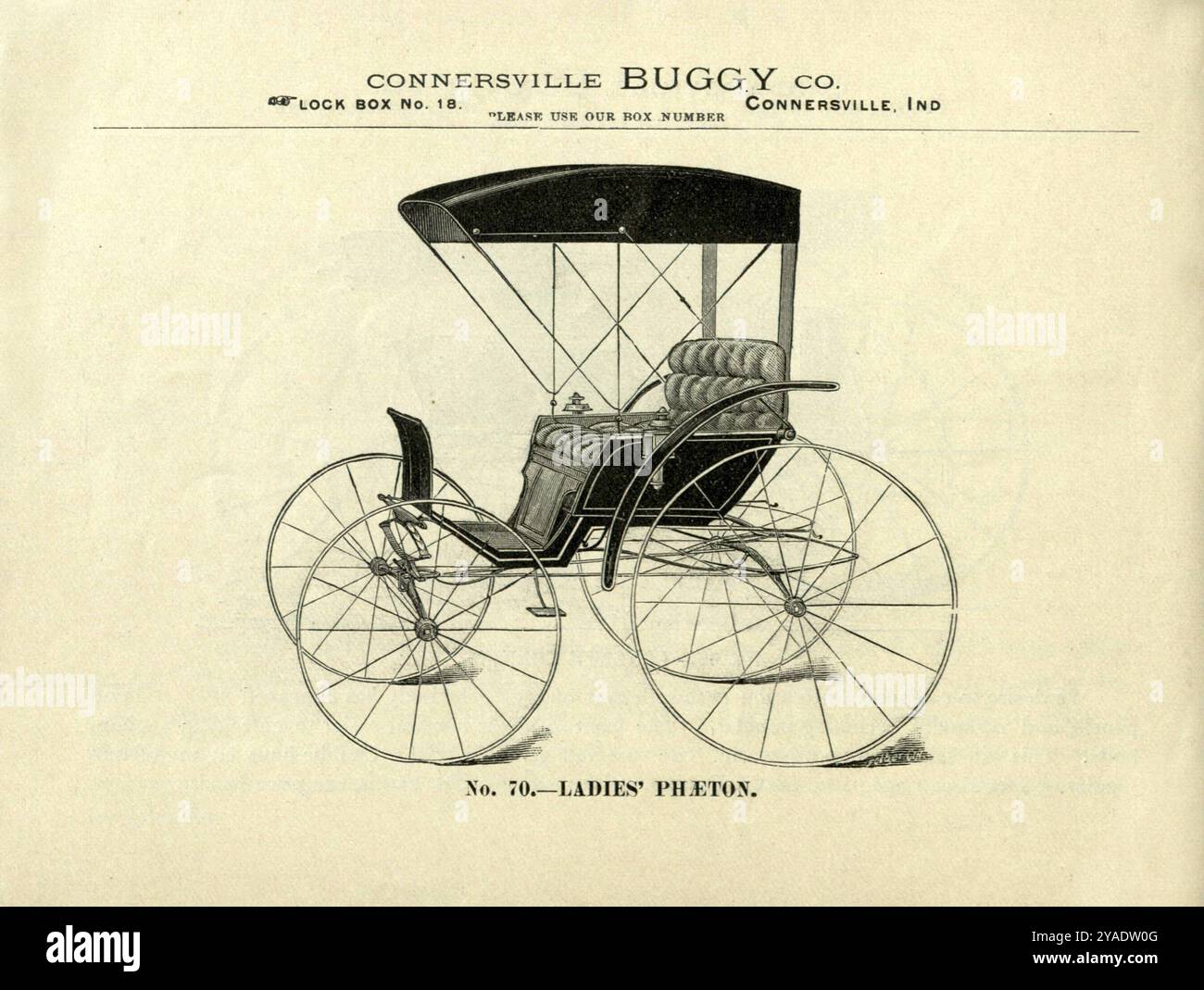
Connersville buggy company hires stock photography and images Alamy
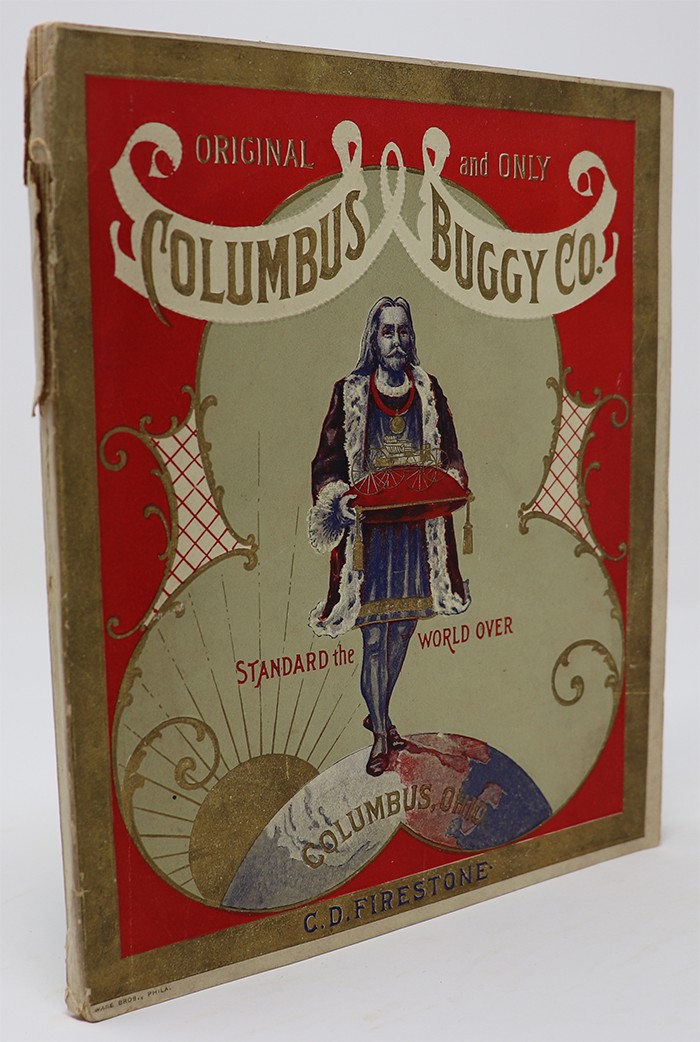
The Columbus Buggy Co. 24th Annual Catalog
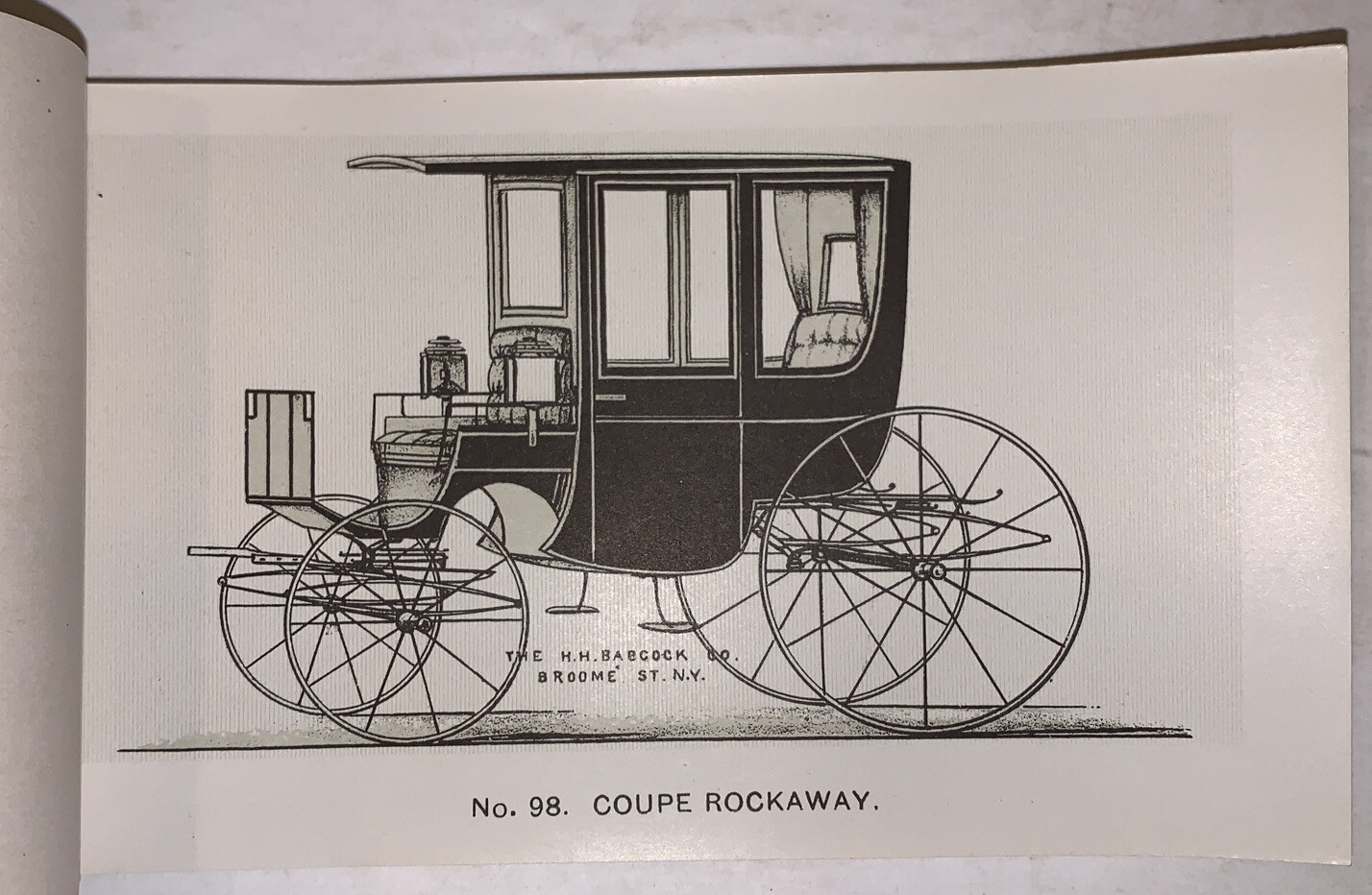
1880s, H H BABCOCK BUGGY CO, ILLUSTRATED CATALOGUE, HORSE DRAWN
CatalogueNew Buggy2023M11 PDF

International Auto Buggy Sales Catalog Aumann Auctions, Inc.

VINTAGE BOOKLET TITLED "19091912 SEARS, ROEBUCK & Co. MOTOR BUGGY

Harper Buggy Company Catalog no. 26

1920 Benj. Allen & Co Catalog, Jewelry, Watches, Flatware,… Flickr
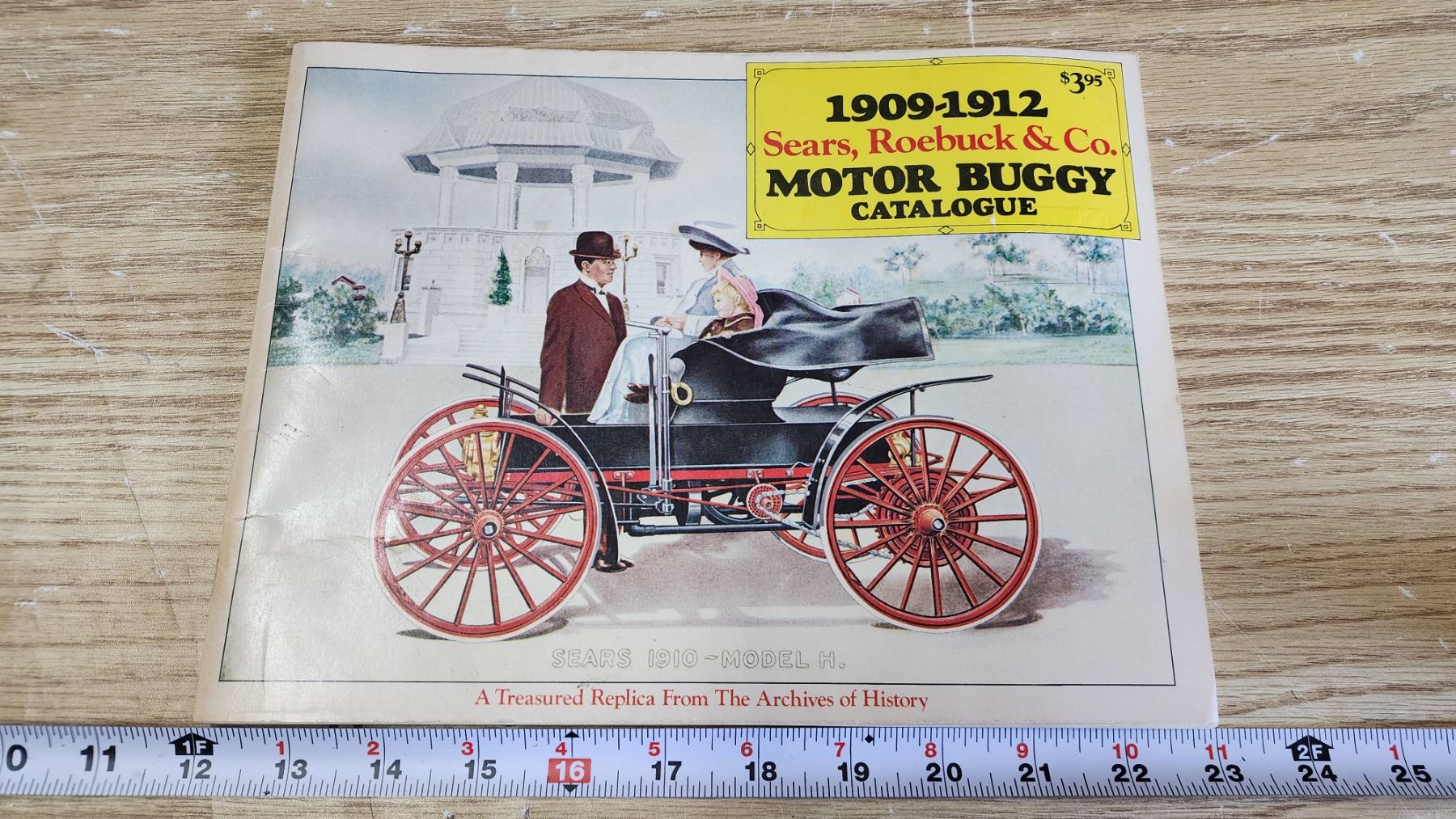
19091912 Sears, Roebuck & Co. Motor buggy catalogue Schmalz Auctions
![Buggy Part Catalogue] Niagara Top Co., Buffalo, NY Books](https://m.media-amazon.com/images/I/81QMzJKtuYL._SL1422_.jpg)
Buggy Part Catalogue] Niagara Top Co., Buffalo, NY Books
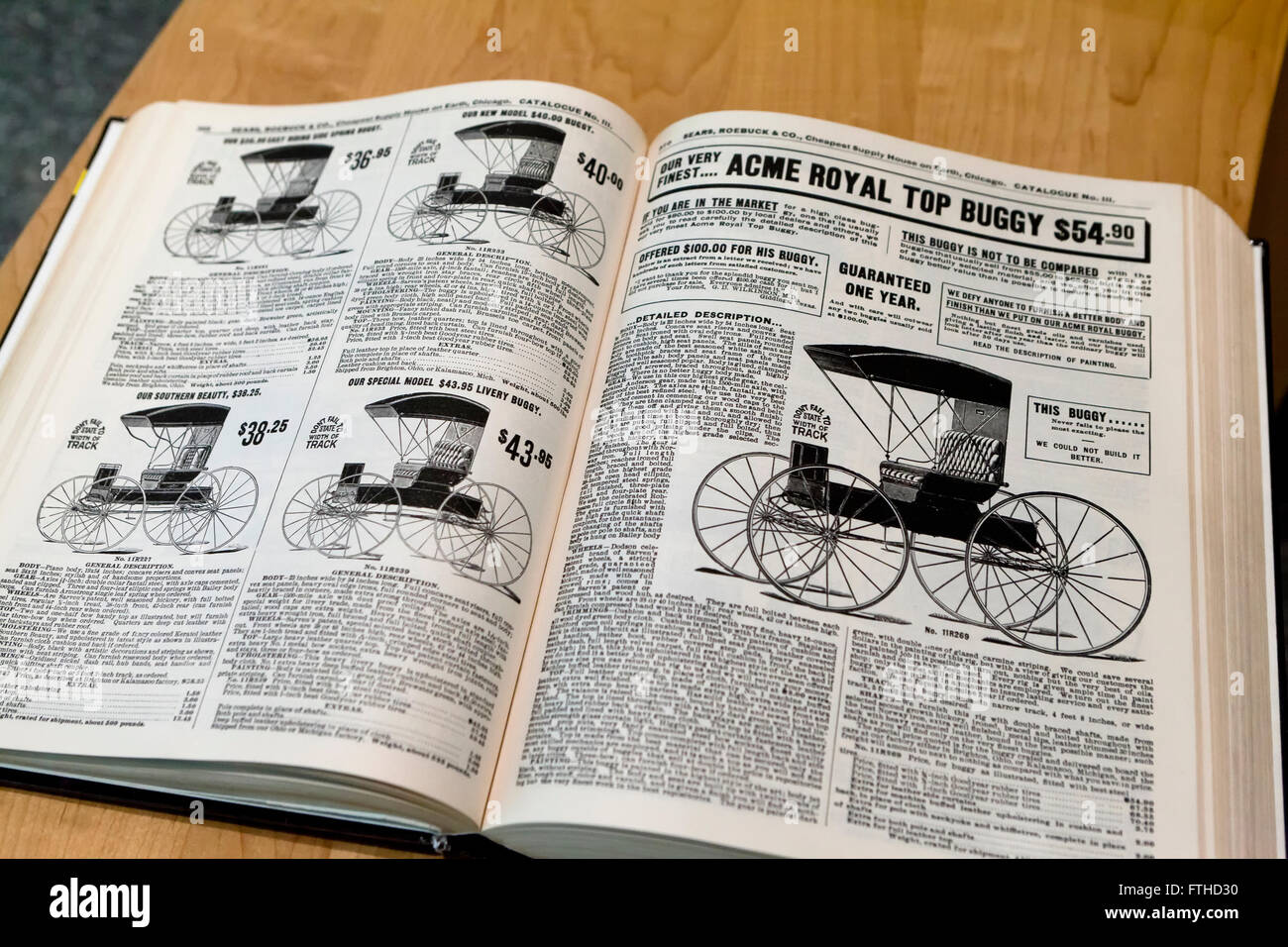
Acme Royal Top Buggy page from 1902 Sears Roebuck Catalogue book USA

19091912 SEARS, ROEBUCK & CO., MOTOR BUGGY CATALOGUE

VINTAGE BOOKLET TITLED "19091912 SEARS, ROEBUCK & Co. MOTOR BUGGY
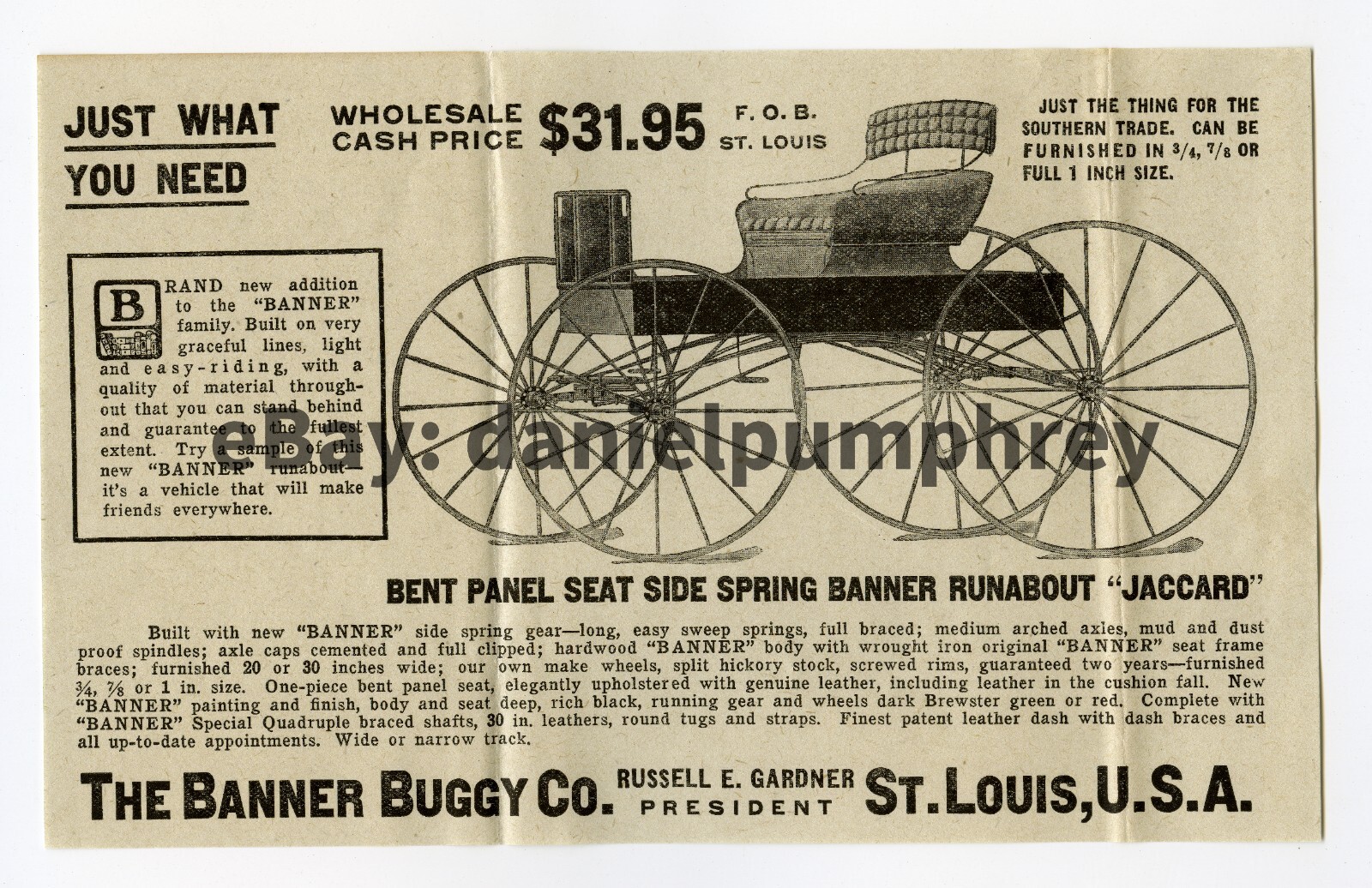
Qty 2 Info Sheets 1910 Banner Buggy Co Vintage St. Louis, Missouri
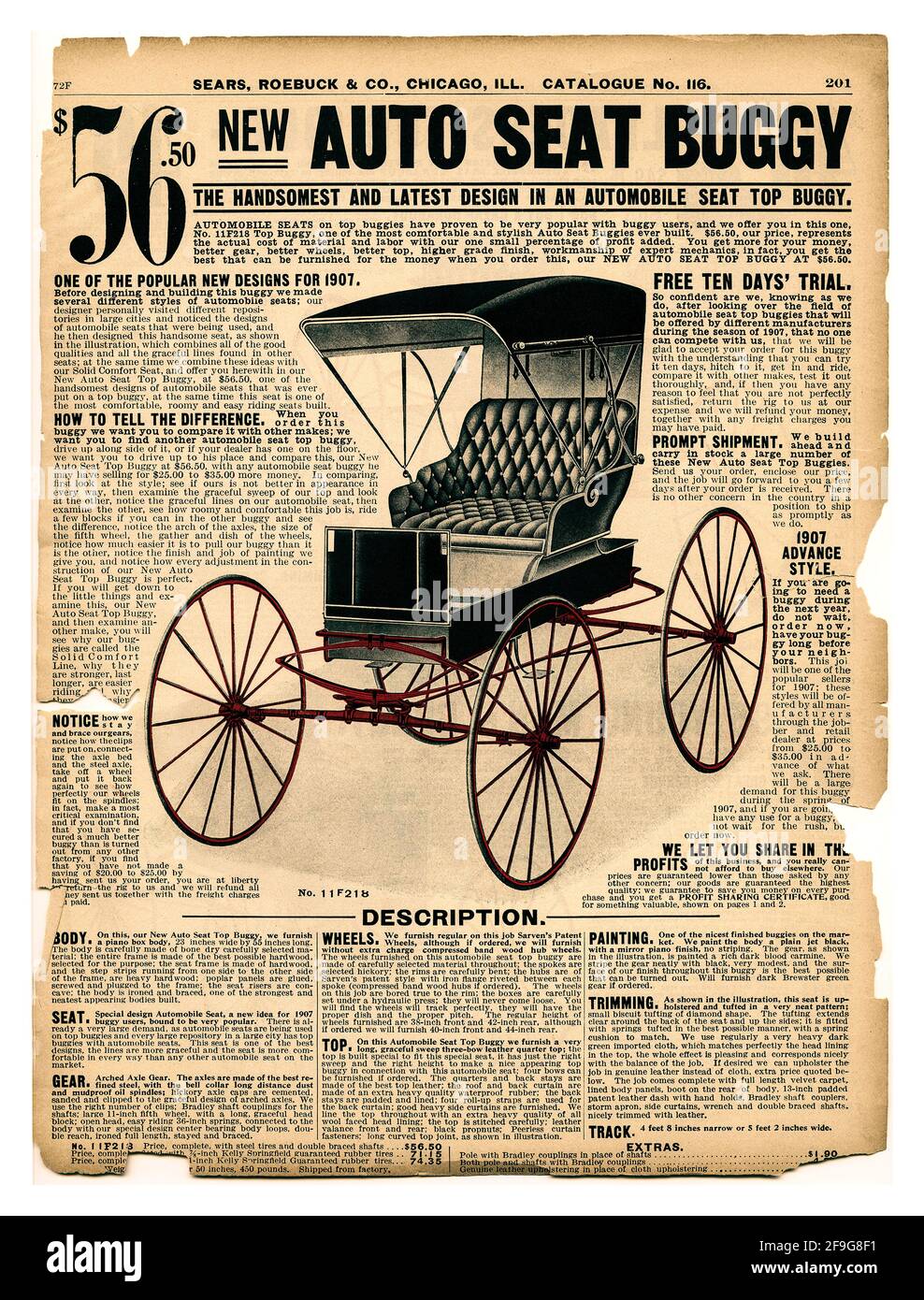
Vintage transport automobile seat top buggy 1907 Sears, Roebuck & Co
![Michigan Buggy Co. Catalog, c. 1890's [171736]](https://dygtyjqp7pi0m.cloudfront.net/i/63280/50584554_1.jpg?v=8DBD271D7156C60)
Michigan Buggy Co. Catalog, c. 1890's [171736]

1892 catalog of buggies, carts, phaetons, carriages, harnesses, bridles

1893 ILLUSTRATED CATALOGUE FOR THE TROY BUGGY WORKS CO Troy Buggy Works

1908 GOSHEN BUGGY TOP Co. Catalog With Mail Order Blank & Envelope
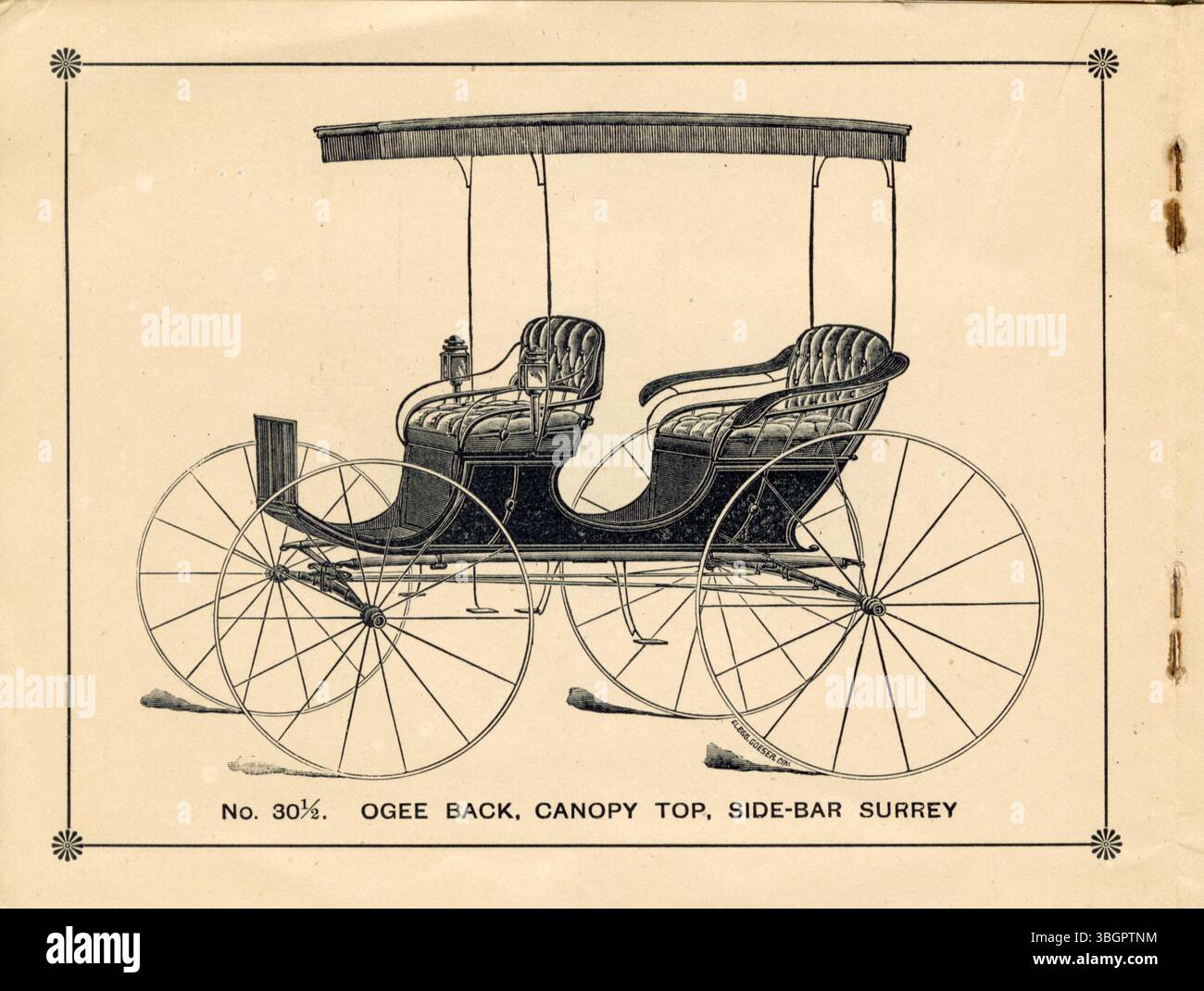
The 1887 abridged catalog details the product line of the Columbus
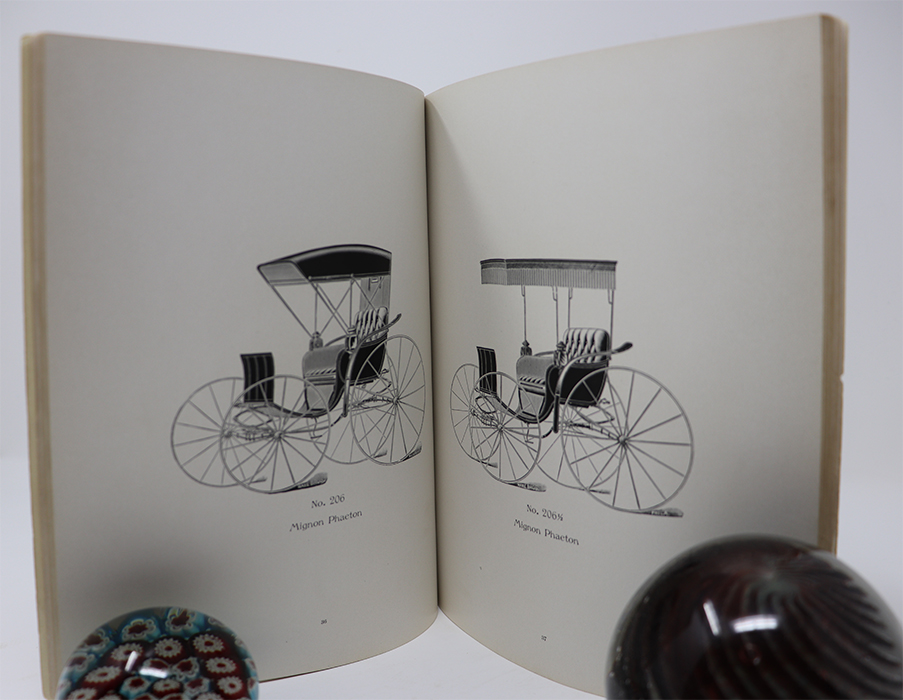
The Columbus Buggy Co. 24th Annual Catalog
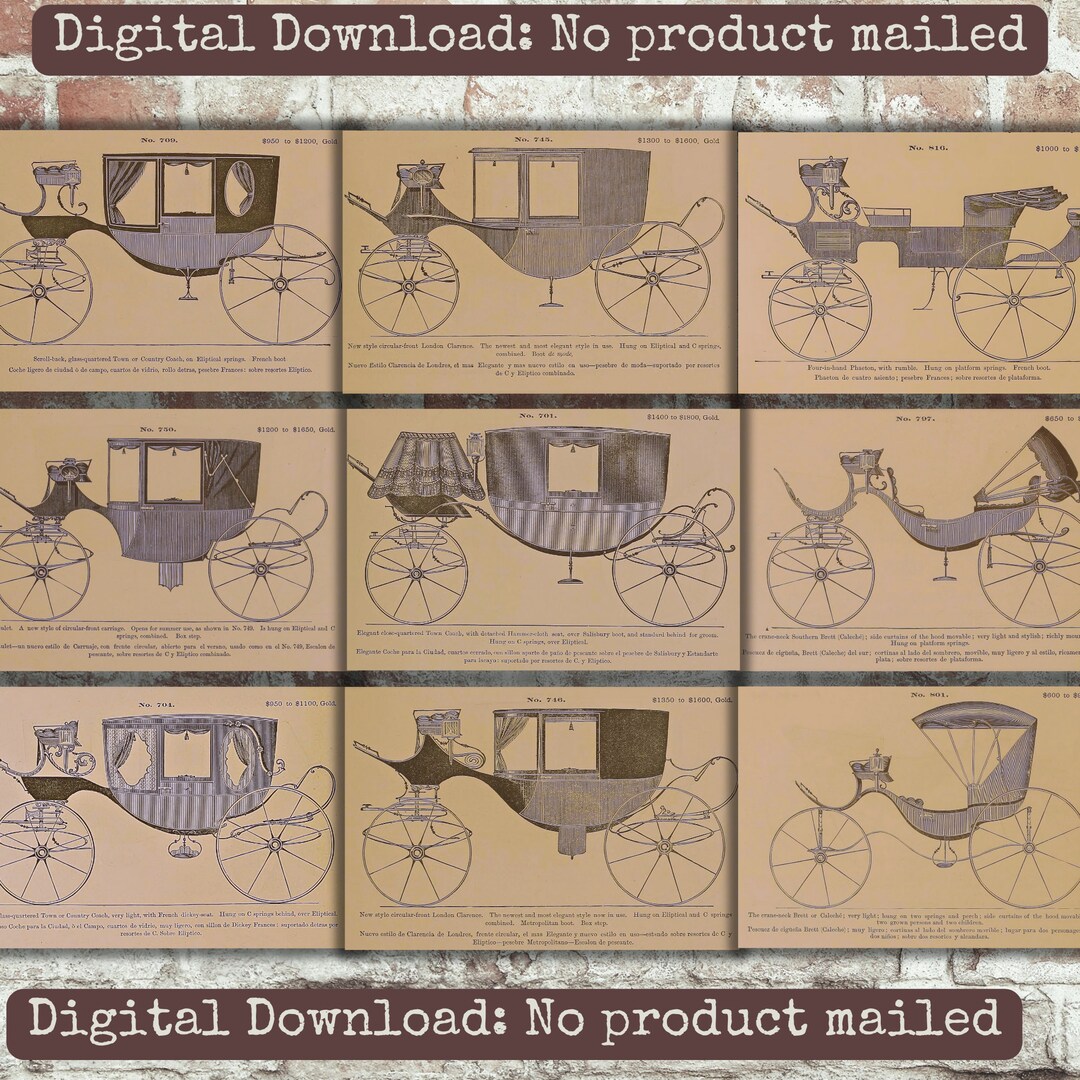
Vintage 1869 Carriage Catalogue Images 10 Piece Printable Set Vintage

International Auto Buggy catalog Aumann Auctions, Inc.

Lot SEARS, ROEBUCK & CO. MOTOR BUGGY CATALOGUE 19091912
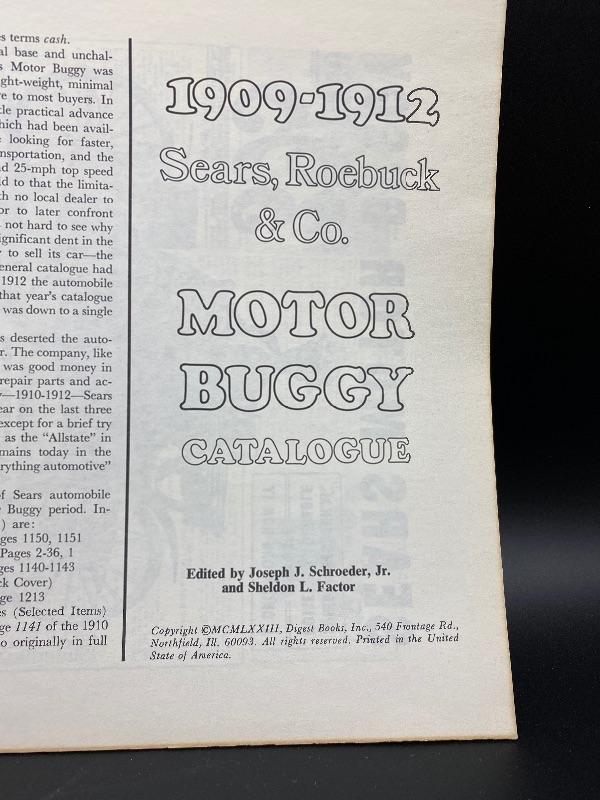
Sears, Roebuck & Co Motor Buggy Catalogue Replica

Available Now Buggy Top
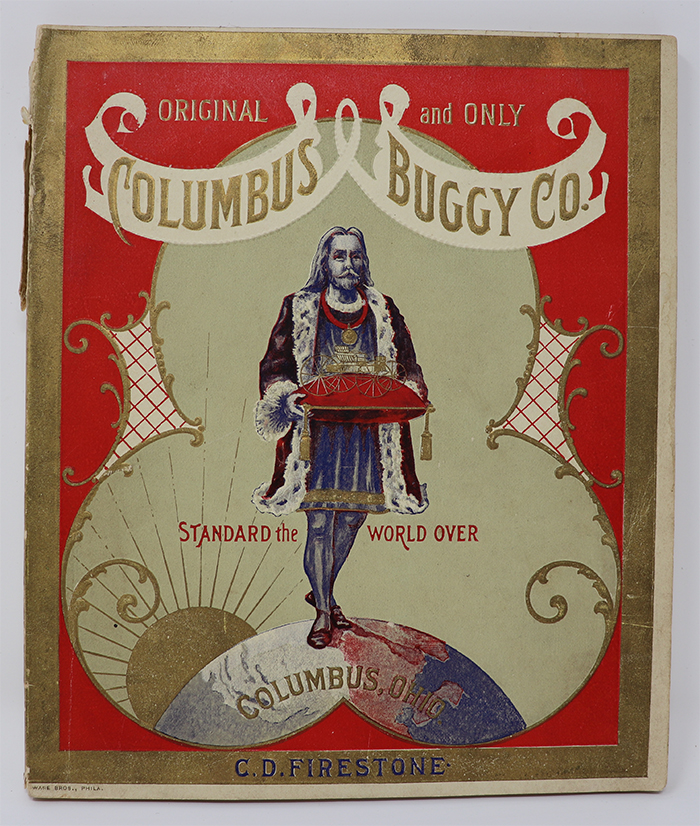
The Columbus Buggy Co. 24th Annual Catalog
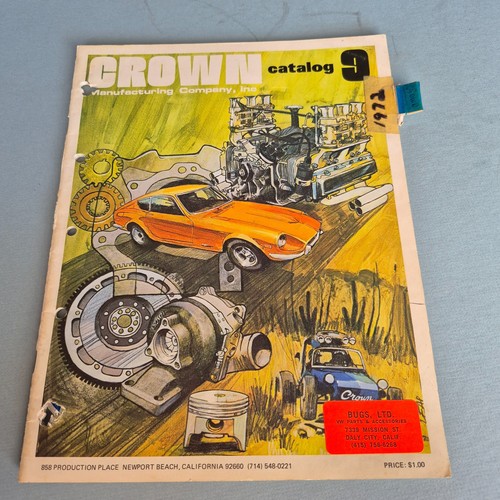
1972 Crown Manufacturing co catalog 9 CORVAIR, VW, Dune Buggy, Manx W

1911 Antique Runabout Horse Buggy Carriage Sears Catalog Page Vintage
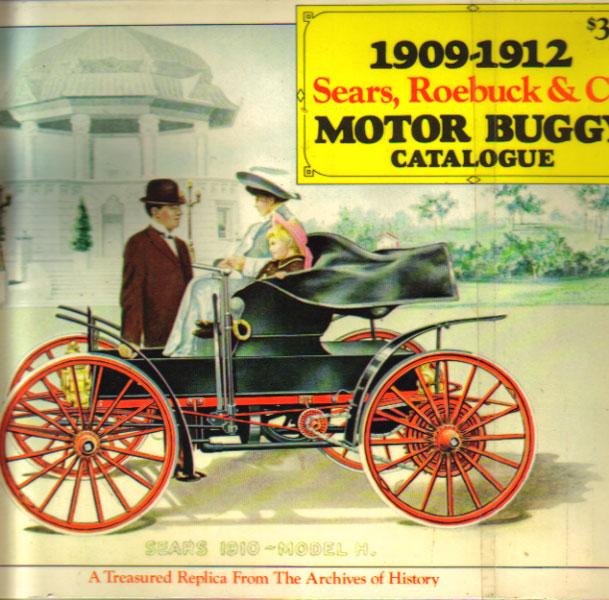
SEARS, ROEBUCK & CO. MOTOR BUGGY CATALOGUE 19091912. A Treasured

1913 Parry Manufacturing Co. Carriage Buggy Mail Advertising Catalogue

The Dune Buggy Handbook The AZ of VwBased Buggies Since 1964 New
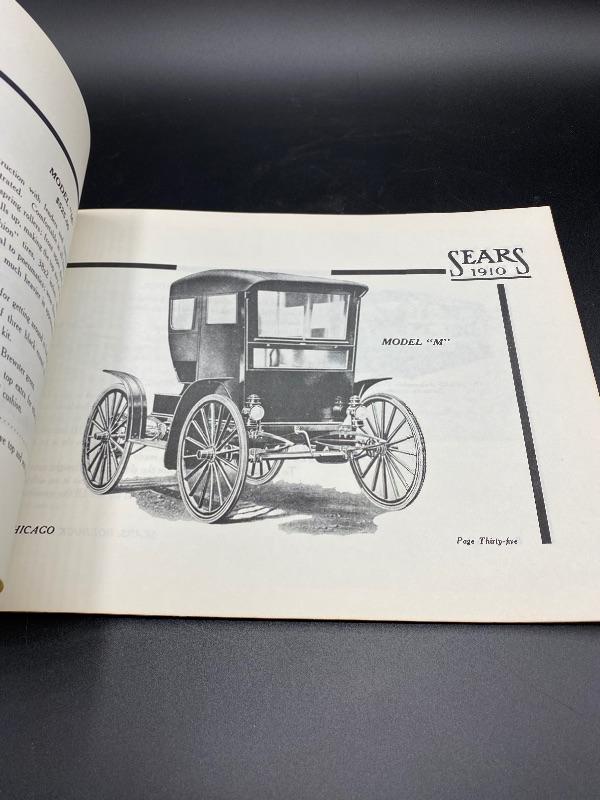
Sears, Roebuck & Co Motor Buggy Catalogue Replica
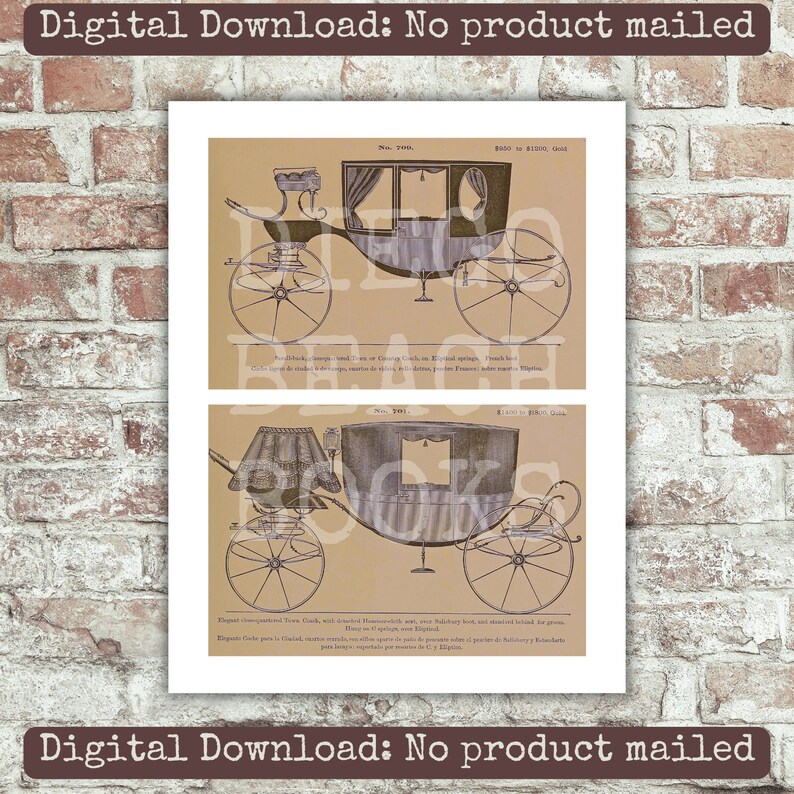
Vintage 1869 Carriage Catalogue Images 10 Piece Printable Set Vintage

Vintage Car Parts Catalog J.C. Whitney Co. 295 Ford Model T Dune Buggy
Related Post:
