
Blum Hinge Catalog
Blum Hinge Catalog - For personal growth and habit formation, the personal development chart serves as a powerful tool for self-mastery. In the academic sphere, the printable chart is an essential instrument for students seeking to manage their time effectively and achieve academic success. Doing so frees up the brain's limited cognitive resources for germane load, which is the productive mental effort used for actual learning, schema construction, and gaining insight from the data. This cognitive restructuring can lead to a reduction in symptoms of anxiety and depression, promoting greater psychological resilience. This includes information on paper types and printer settings. This is where the modern field of "storytelling with data" comes into play. Begin by powering down the device completely. 62 This chart visually represents every step in a workflow, allowing businesses to analyze, standardize, and improve their operations by identifying bottlenecks, redundancies, and inefficiencies. Building a Drawing Routine In essence, drawing is more than just a skill; it is a profound form of self-expression and communication that transcends boundaries and enriches lives. To select a gear, press the button on the side of the lever and move it to the desired position: Park (P), Reverse (R), Neutral (N), or Drive (D). While the consumer catalog is often focused on creating this kind of emotional and aspirational connection, there exists a parallel universe of catalogs where the goals are entirely different. The world is saturated with data, an ever-expanding ocean of numbers. This era also gave rise to the universal container for the printable artifact: the Portable Document Format, or PDF. A personal development chart makes these goals concrete and measurable. As we continue on our journey of self-discovery and exploration, may we never lose sight of the transformative power of drawing to inspire, uplift, and unite us all. When applied to personal health and fitness, a printable chart becomes a tangible guide for achieving wellness goals. A sewing pattern is a classic and essential type of physical template. This system fundamentally shifted the balance of power. If not, complete typing the full number and then press the "Enter" key on your keyboard or click the "Search" button next to the search bar. Each item would come with a second, shadow price tag. " These are attempts to build a new kind of relationship with the consumer, one based on honesty and shared values rather than on the relentless stoking of desire. While the consumer catalog is often focused on creating this kind of emotional and aspirational connection, there exists a parallel universe of catalogs where the goals are entirely different. This process was slow, expensive, and fraught with the potential for human error, making each manuscript a unique and precious object. Carefully hinge the screen open from the left side, like a book, to expose the internal components. Lupi argues that data is not objective; it is always collected by someone, with a certain purpose, and it always has a context. To hold this sample is to feel the cool, confident optimism of the post-war era, a time when it seemed possible to redesign the entire world along more rational and beautiful lines. The world of 3D printable models is a vast and growing digital library of tools, toys, replacement parts, medical models, and artistic creations. An explanatory graphic cannot be a messy data dump. A powerful explanatory chart often starts with a clear, declarative title that states the main takeaway, rather than a generic, descriptive title like "Sales Over Time. I'm still trying to get my head around it, as is everyone else. As long as the key is with you, you can press the button on the driver's door handle to unlock it. The layout is clean and grid-based, a clear descendant of the modernist catalogs that preceded it, but the tone is warm, friendly, and accessible, not cool and intellectual. The customer downloads this product almost instantly after purchase. While the convenience is undeniable—the algorithm can often lead to wonderful discoveries of things we wouldn't have found otherwise—it comes at a cost. Does the proliferation of templates devalue the skill and expertise of a professional designer? If anyone can create a decent-looking layout with a template, what is our value? This is a complex question, but I am coming to believe that these tools do not make designers obsolete. Another is the use of a dual y-axis, plotting two different data series with two different scales on the same chart, which can be manipulated to make it look like two unrelated trends are moving together or diverging dramatically. It contains all the foundational elements of a traditional manual: logos, colors, typography, and voice. I realized that the work of having good ideas begins long before the project brief is even delivered. By studying the works of master artists and practicing fundamental drawing exercises, aspiring artists can build a solid foundation upon which to develop their skills. A template, in this context, is not a limitation but a scaffold upon which originality can be built. Software that once required immense capital investment and specialized training is now accessible to almost anyone with a computer. To understand any catalog sample, one must first look past its immediate contents and appreciate the fundamental human impulse that it represents: the drive to create order from chaos through the act of classification. It is a sample that reveals the profound shift from a one-to-many model of communication to a one-to-one model. The professional designer's role is shifting away from being a maker of simple layouts and towards being a strategic thinker, a problem-solver, and a creator of the very systems and templates that others will use. We have structured this text as a continuous narrative, providing context and explanation for each stage of the process, from initial preparation to troubleshooting common issues. A professional understands that their responsibility doesn’t end when the creative part is done. With this newfound appreciation, I started looking at the world differently. Learning to ask clarifying questions, to not take things personally, and to see every critique as a collaborative effort to improve the work is an essential, if painful, skill to acquire. Things like the length of a bar, the position of a point, the angle of a slice, the intensity of a color, or the size of a circle are not arbitrary aesthetic choices. The box plot, for instance, is a marvel of informational efficiency, a simple graphic that summarizes a dataset's distribution, showing its median, quartiles, and outliers, allowing for quick comparison across many different groups. It’s also why a professional portfolio is often more compelling when it shows the messy process—the sketches, the failed prototypes, the user feedback—and not just the final, polished result. The myth of the lone genius who disappears for a month and emerges with a perfect, fully-formed masterpiece is just that—a myth. I began to see the template not as a static file, but as a codified package of expertise, a carefully constructed system of best practices and brand rules, designed by one designer to empower another. For issues not accompanied by a specific fault code, a logical process of elimination must be employed. When the story is about composition—how a whole is divided into its constituent parts—the pie chart often comes to mind. It feels like an attack on your talent and your identity. It’s a discipline, a practice, and a skill that can be learned and cultivated. If the LED light is not working, check the connection between the light hood and the support arm. Once the philosophical and grammatical foundations were in place, the world of "chart ideas" opened up from three basic types to a vast, incredible toolbox of possibilities. An interactive visualization is a fundamentally different kind of idea. Ideas rarely survive first contact with other people unscathed. Let us now turn our attention to a different kind of sample, a much older and more austere artifact. We are all in this together, a network of owners dedicated to keeping these fantastic machines running. The creator designs the product once. This has led to the now-common and deeply uncanny experience of seeing an advertisement on a social media site for a product you were just looking at on a different website, or even, in some unnerving cases, something you were just talking about. It can create a false sense of urgency with messages like "Only 2 left in stock!" or "15 other people are looking at this item right now!" The personalized catalog is not a neutral servant; it is an active and sophisticated agent of persuasion, armed with an intimate knowledge of your personal psychology. We had to design a series of three posters for a film festival, but we were only allowed to use one typeface in one weight, two colors (black and one spot color), and only geometric shapes. This profile is then used to reconfigure the catalog itself. Her most famous project, "Dear Data," which she created with Stefanie Posavec, is a perfect embodiment of this idea. We started with the logo, which I had always assumed was the pinnacle of a branding project. Offering images under Creative Commons licenses can allow creators to share their work while retaining some control over how it is used. Digital notifications, endless emails, and the persistent hum of connectivity create a state of information overload that can leave us feeling drained and unfocused. The customer downloads this product almost instantly after purchase. The idea of being handed a guide that dictated the exact hexadecimal code for blue I had to use, or the precise amount of white space to leave around a logo, felt like a creative straitjacket. A common mistake is transposing a letter or number. Tangible, non-cash rewards, like a sticker on a chart or a small prize, are often more effective than monetary ones because they are not mentally lumped in with salary or allowances and feel more personal and meaningful, making the printable chart a masterfully simple application of complex behavioral psychology. We are sincerely pleased you have selected the Toyota Ascentia, a vehicle that represents our unwavering commitment to quality, durability, and reliability. These templates include design elements, color schemes, and slide layouts tailored for various presentation types.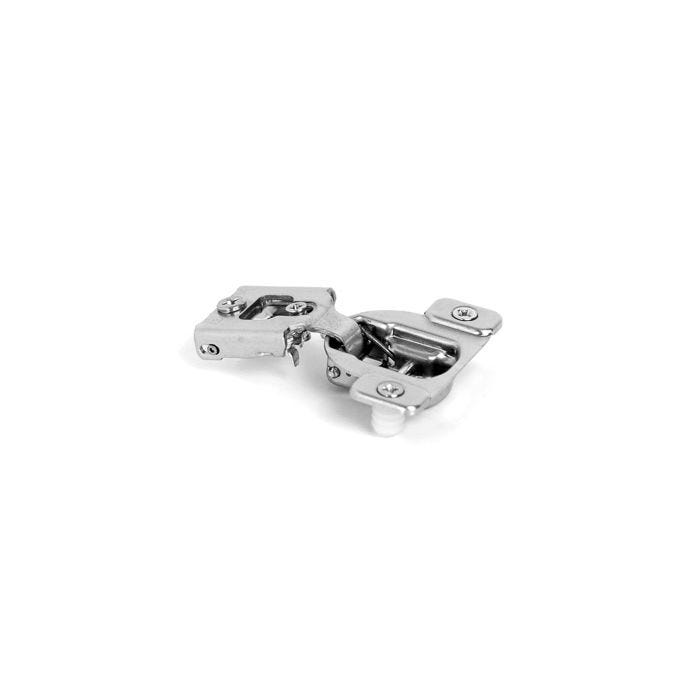
Blum COMPACT BLUMOTION 38N 105° Face Frame Hinge 1/2" Overlay Edge
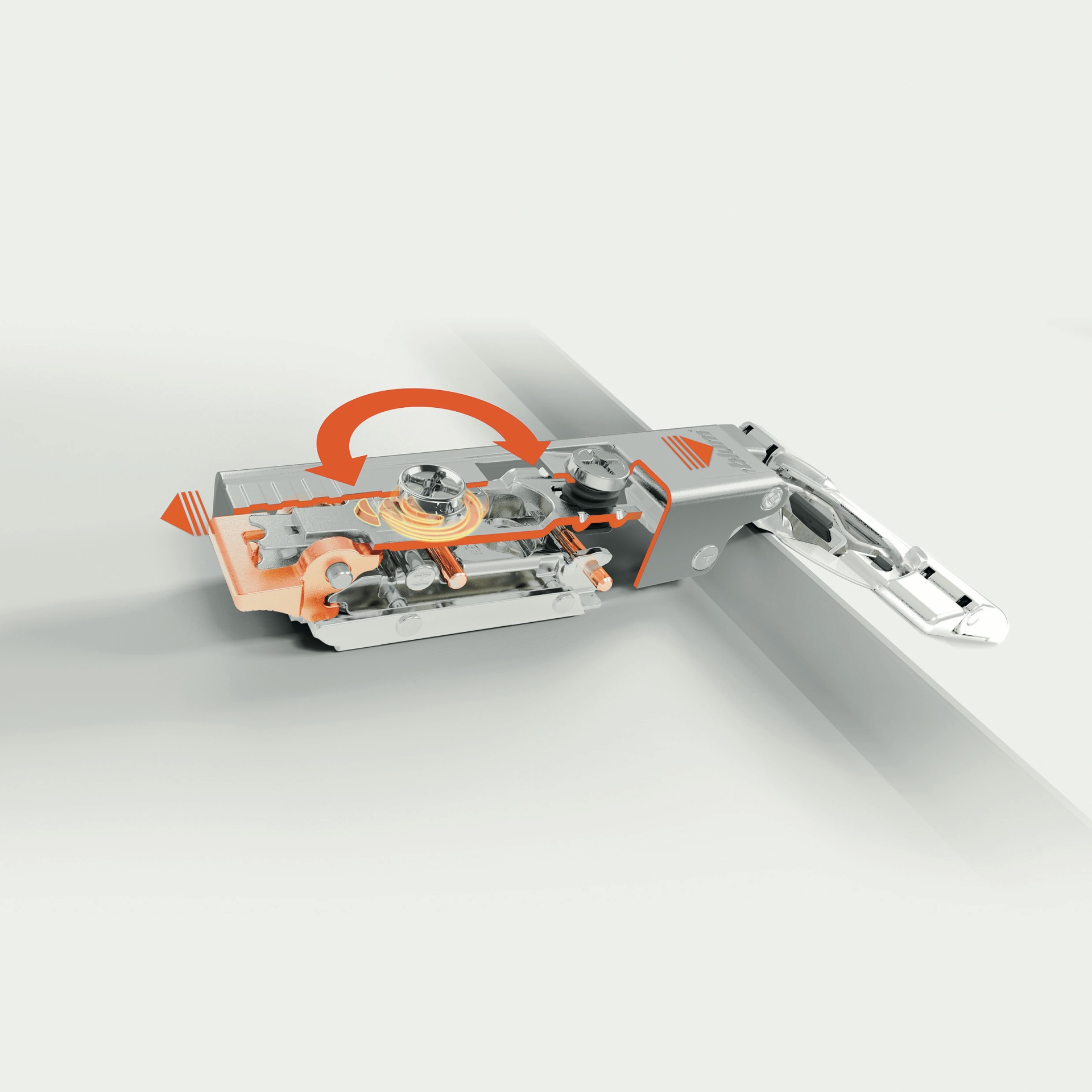
Hinges by Blum Blum

Blum_H_71T1 Blum Hinges 155° Opening Eurofit Hardware

How to identify hinge systems Blum

Hinge systems Blum

Full Overlay Blum 110 deg SoftClose BLUMotion Clip Top Frameless
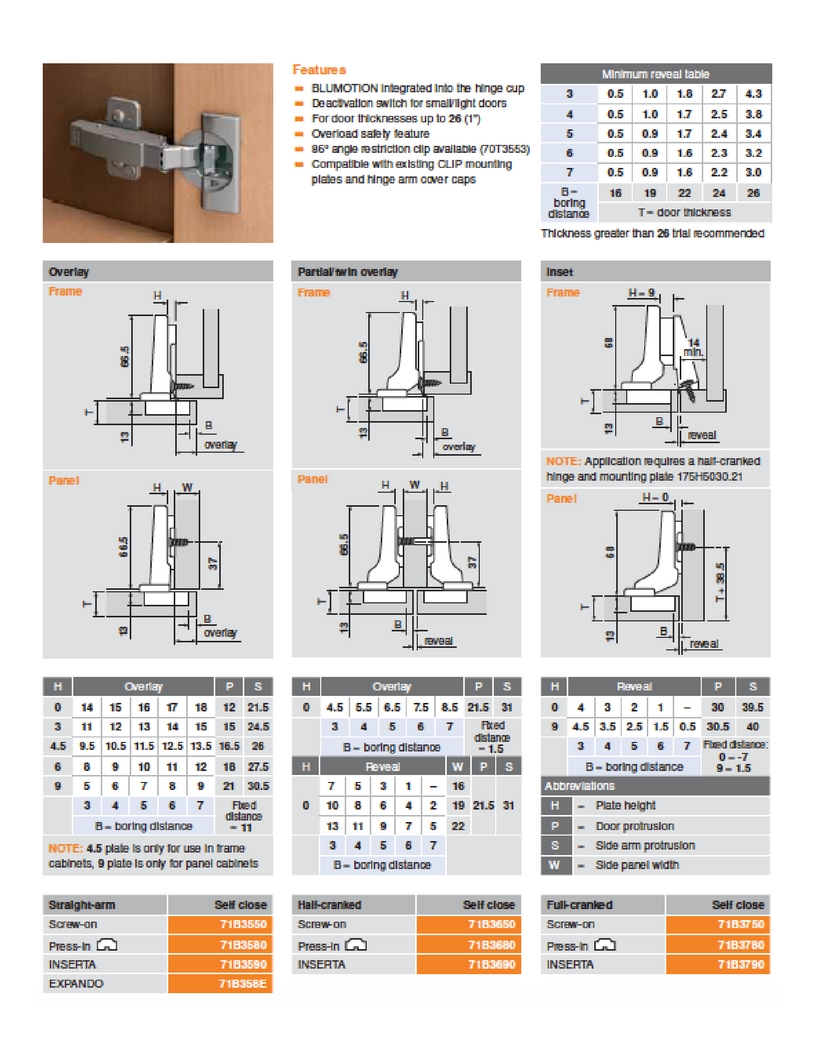
Blum 71B3550 CLIP top BLUMOTION 110° Hinge Siggia Hardware

Hinges from Blum the complete range Blum

Blum Hinges Kitchen Components Direct

Blum Clip top 60° BiFold Inside Corner Hinge WalzCraft
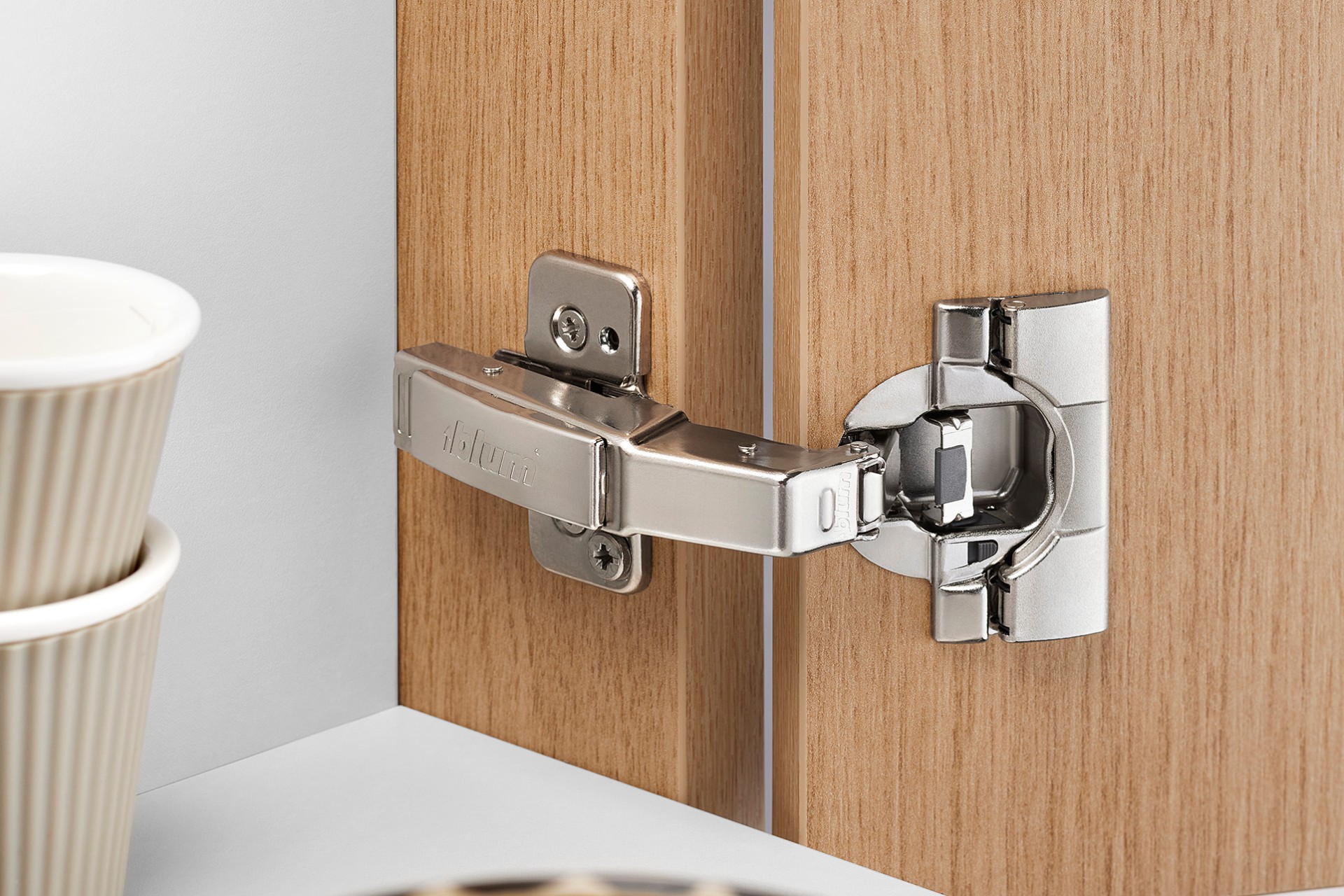
Our hinge range at a glance Blum
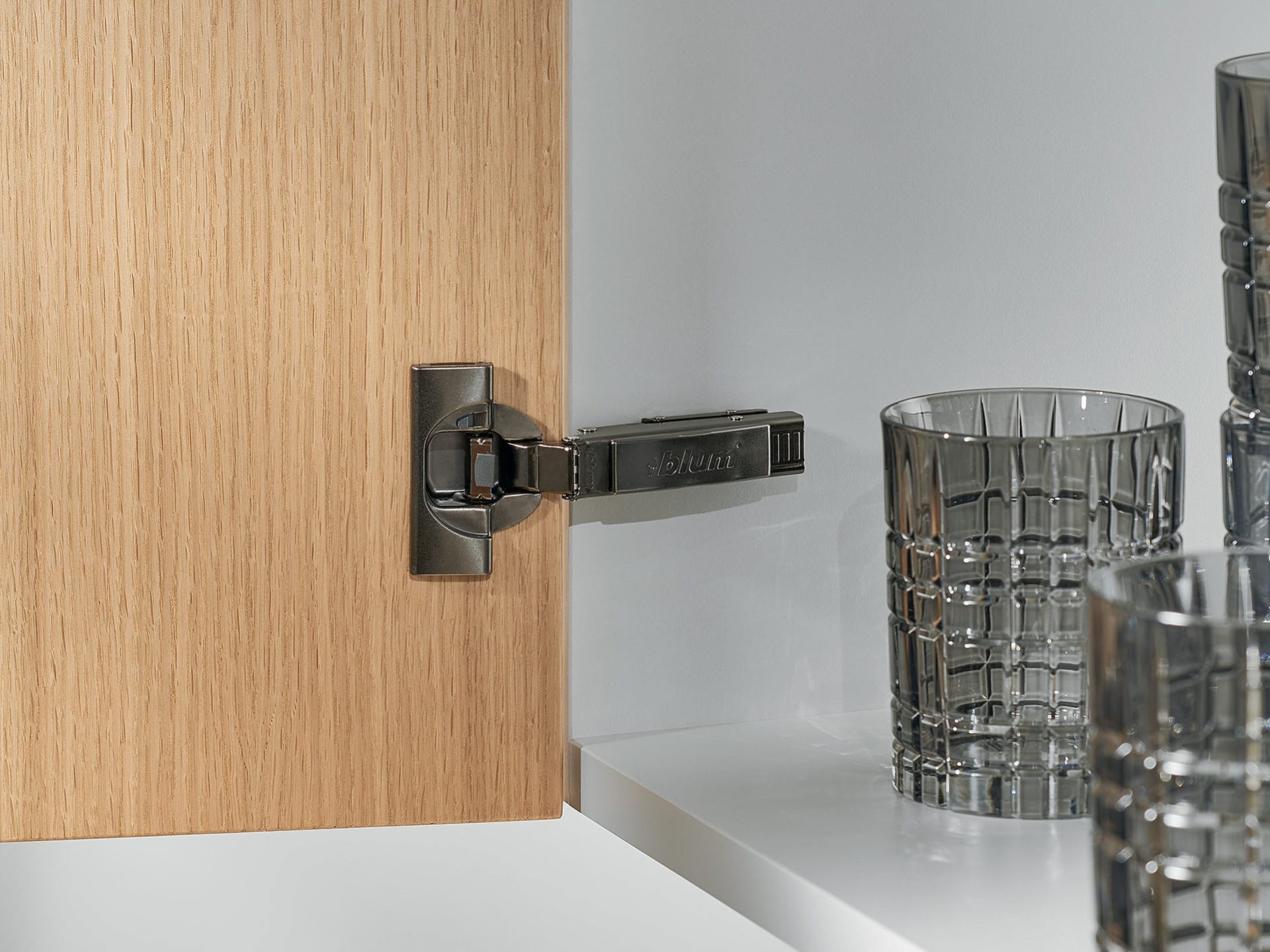
Hinges in onyx black Blum

Hinge systems Blum

Motion in furniture hinge systems by Blum Blum

Hinges in onyx black Blum
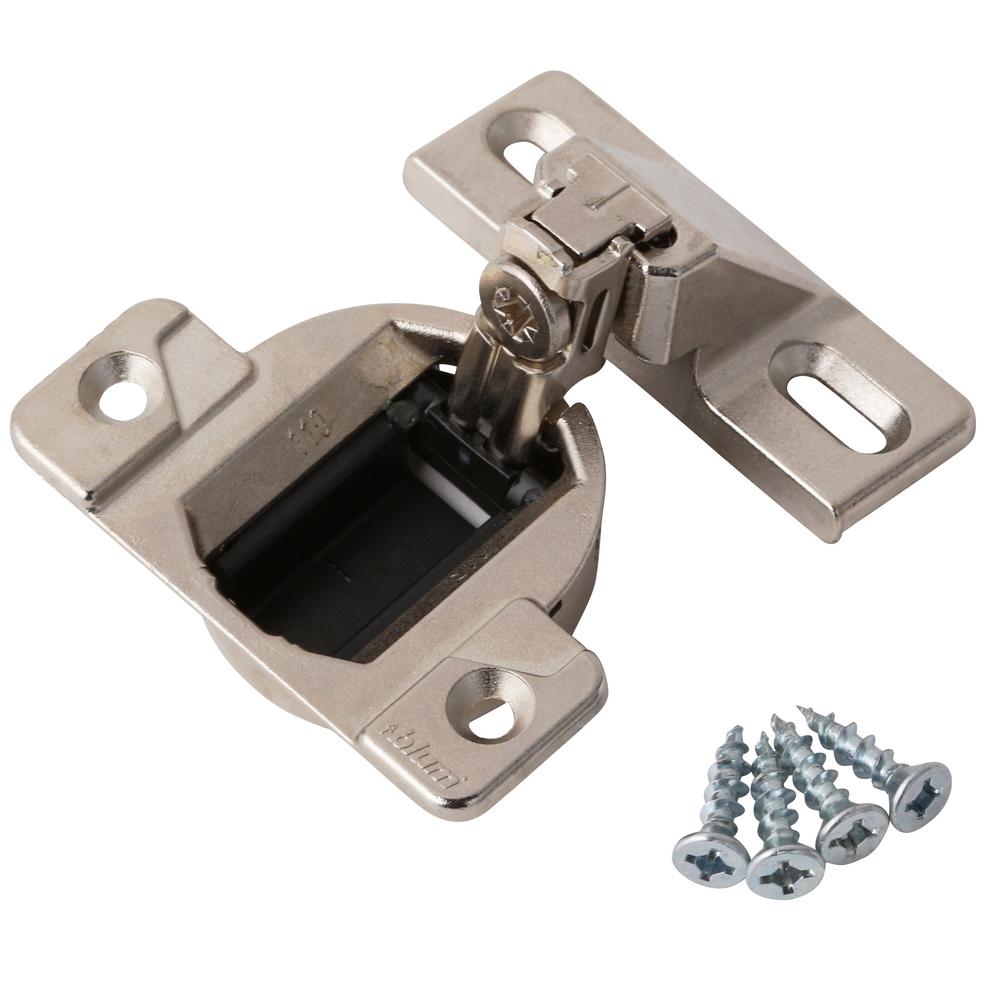
Blum Soft Close Hinges For Kitchen Things In The Kitchen
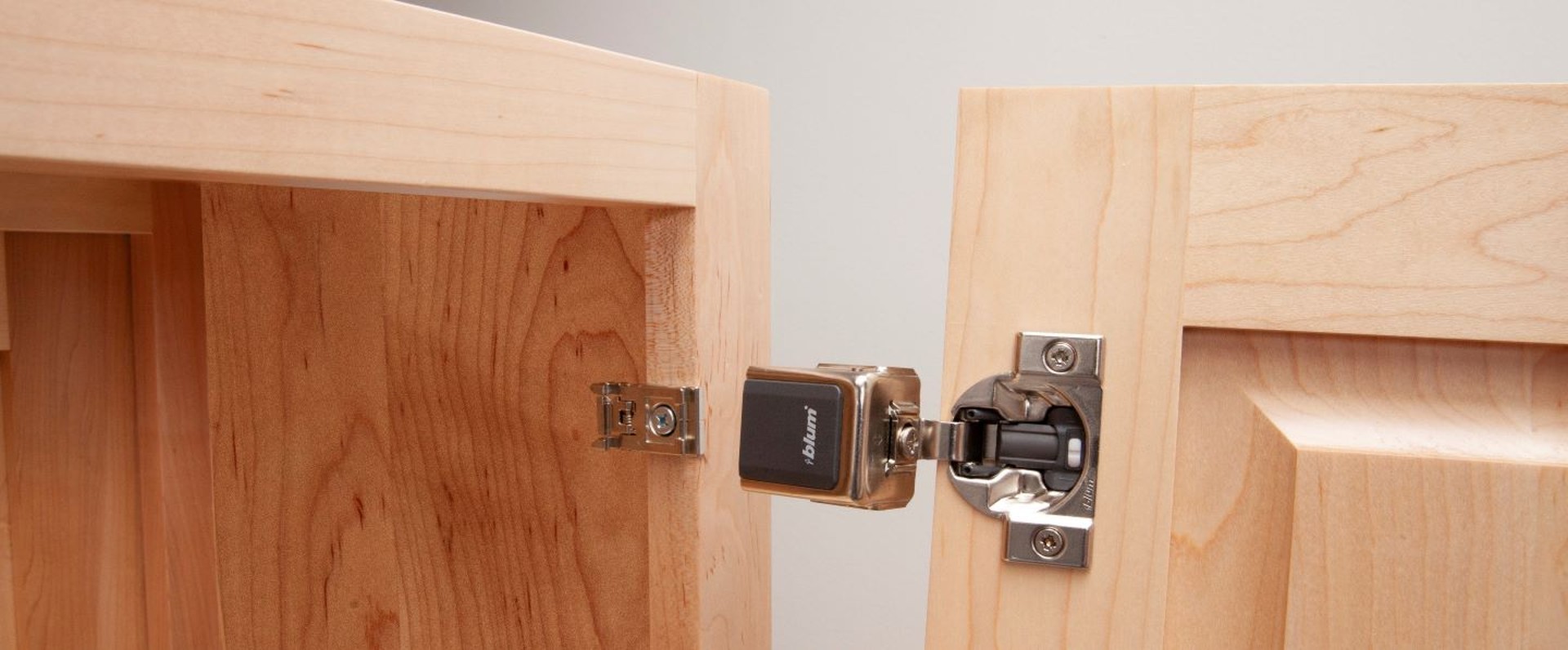
Hinge systems Blum
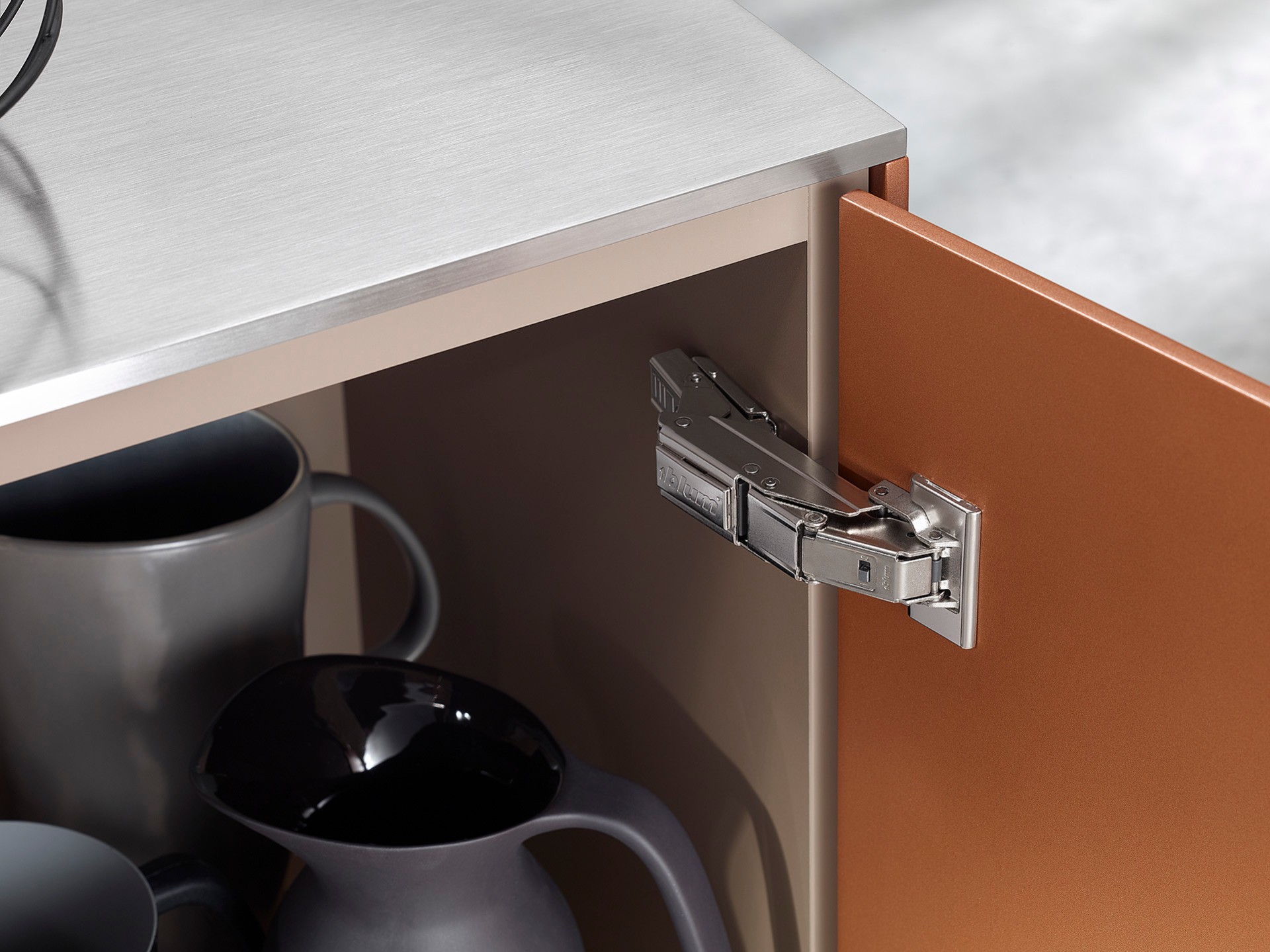
Hinges by Blum Blum
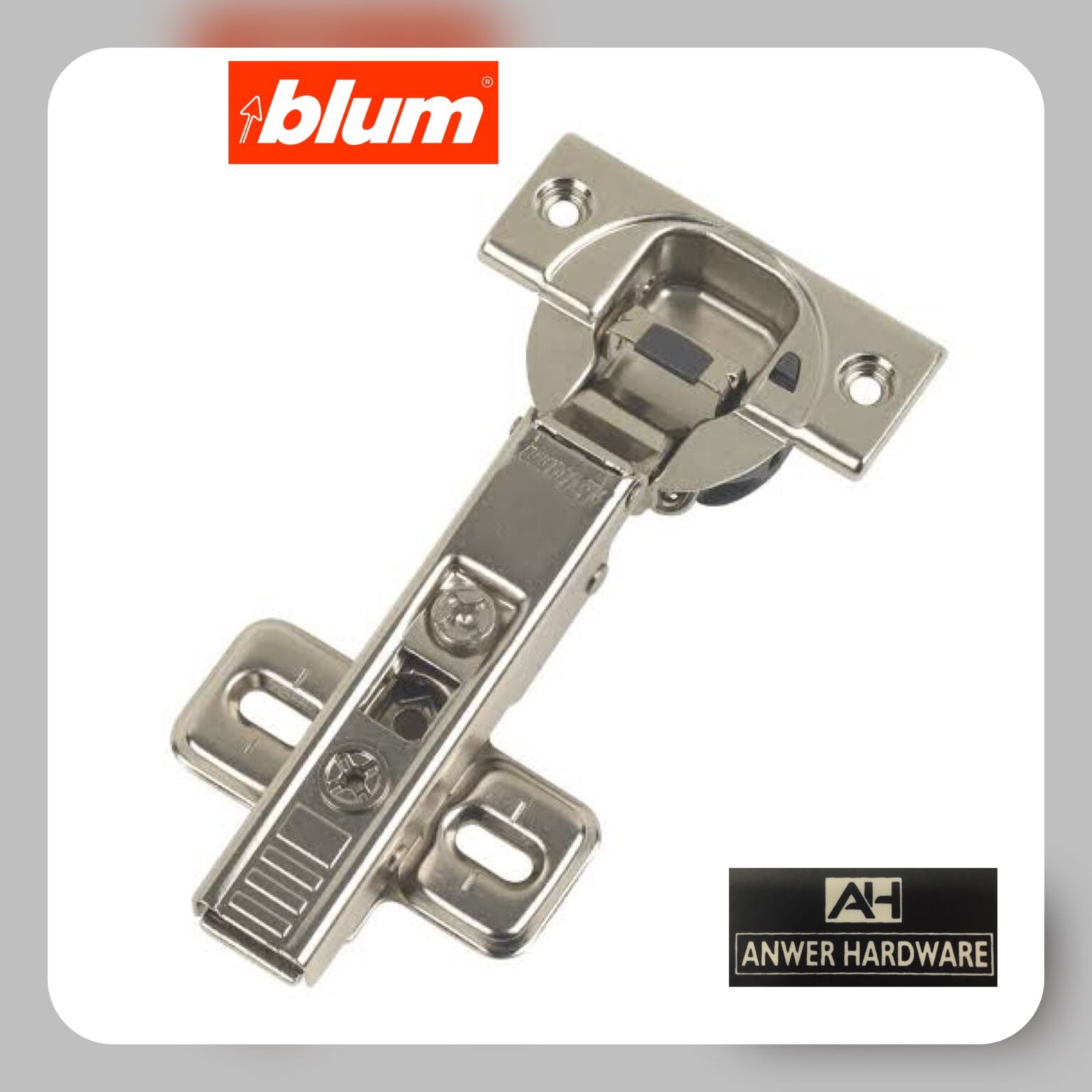
Blum Kitchen Hinge Integrated ⋆ Anwer Hardware
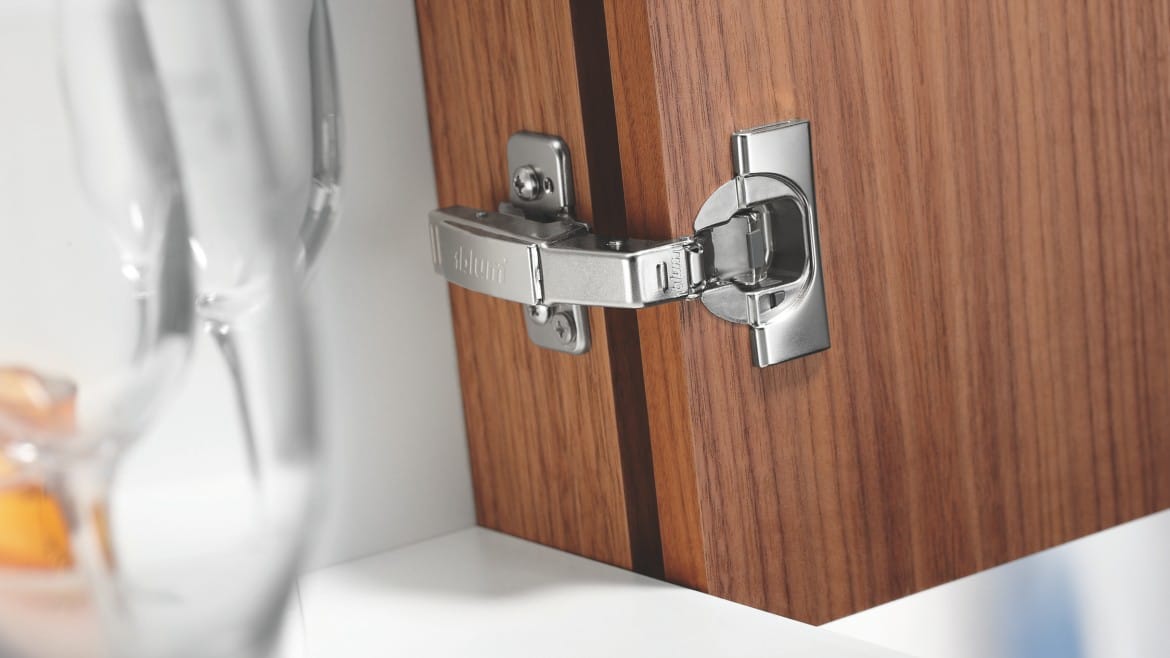
Blum Clip Top Hinge 95 Hinge Set with BLUMOTION (Blind Corner Hinge
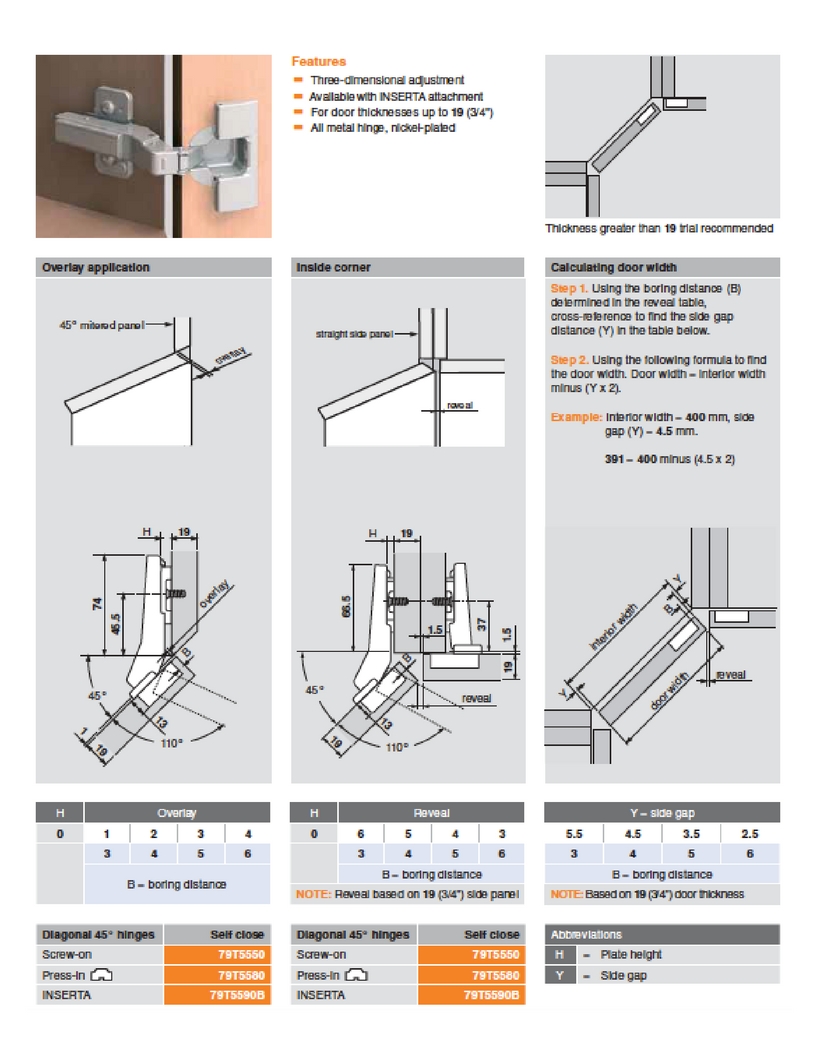
Blum 79T5580 CLIP top Angled Hinge +45° II w/ Dowels Siggia Hardware
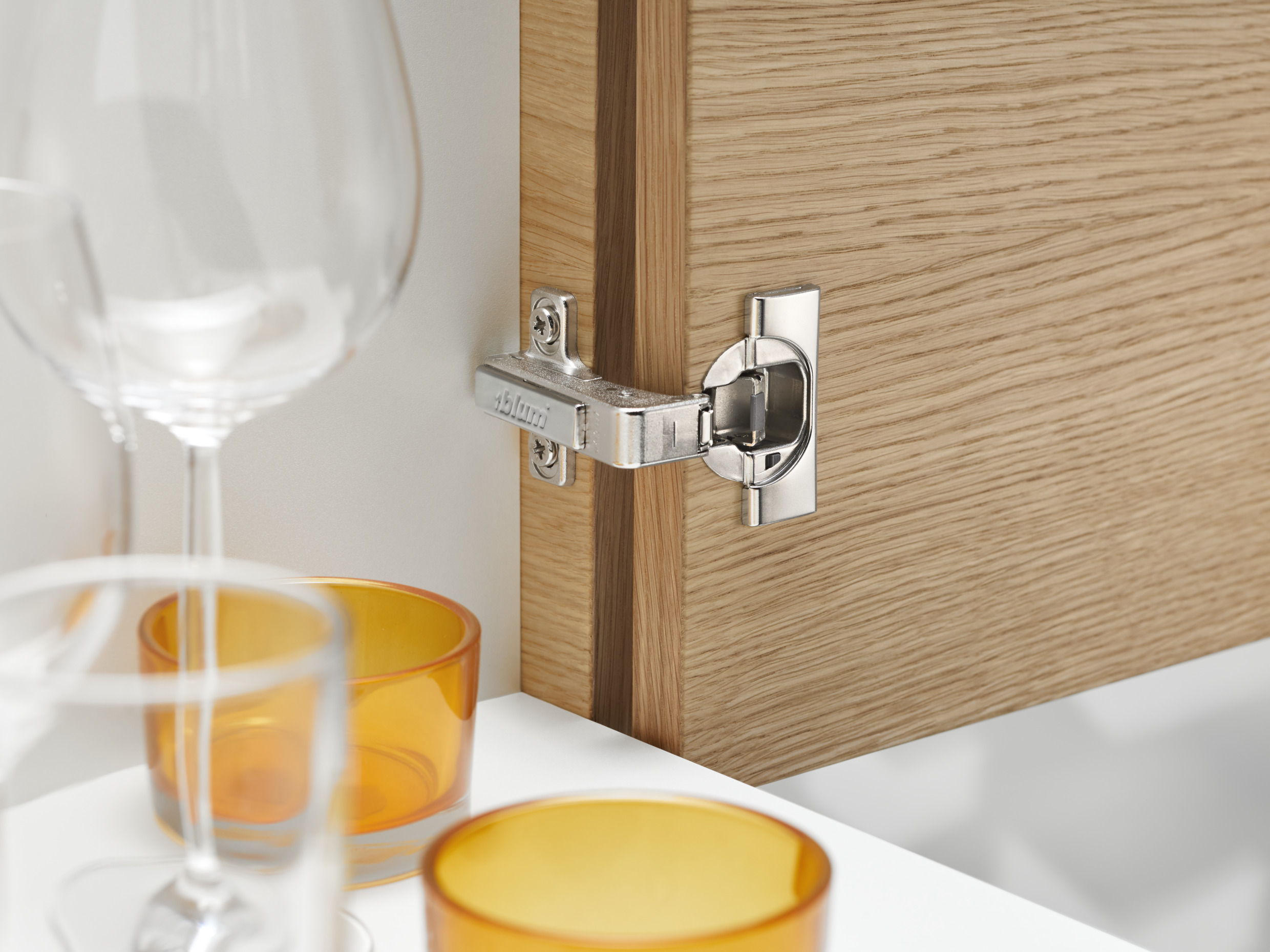
Hinges from Blum the complete range Blum
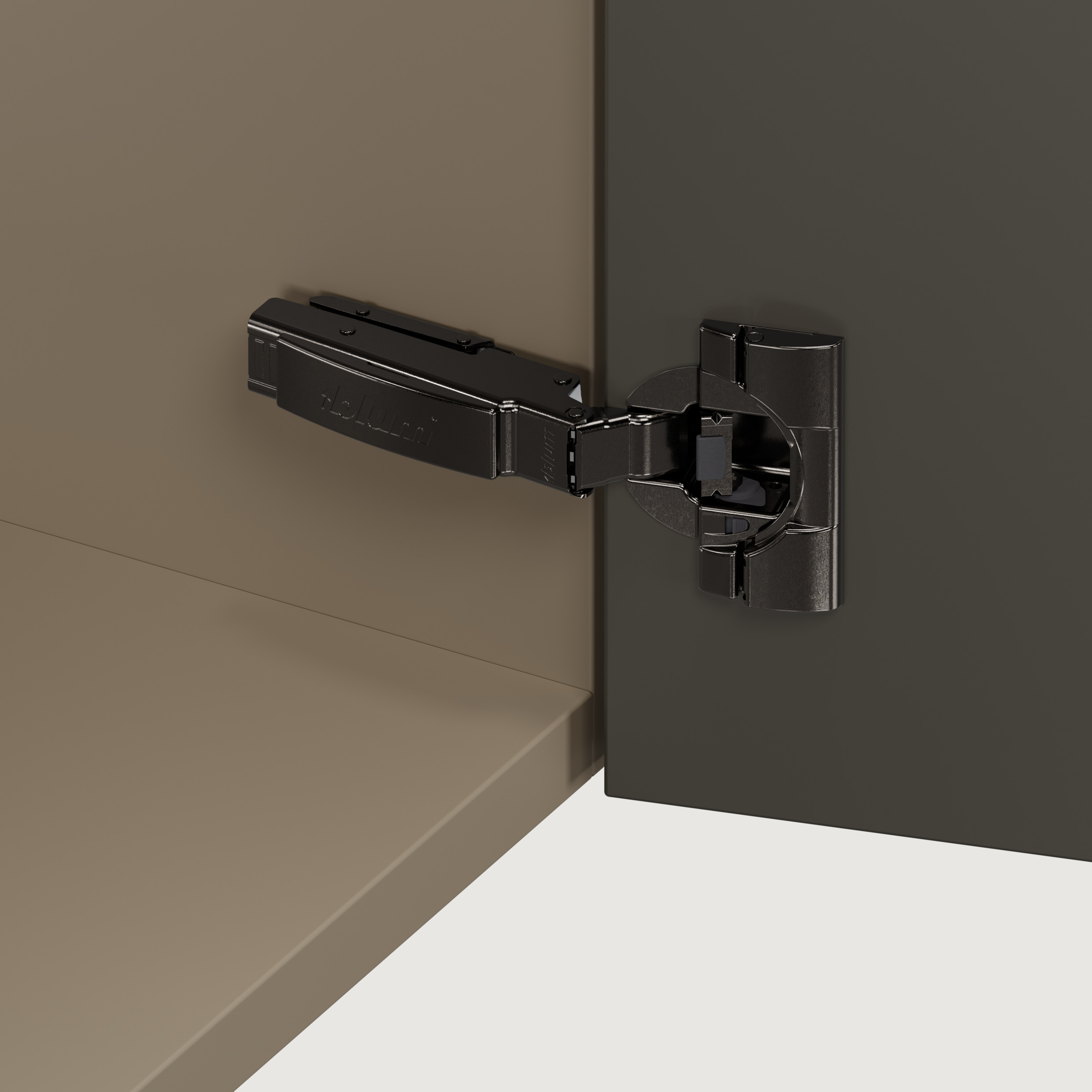
Motion in hinge systems by Blum Blum

Blum Clip Top Hinge 110 Hinge Set with BLUMOTION (Standard
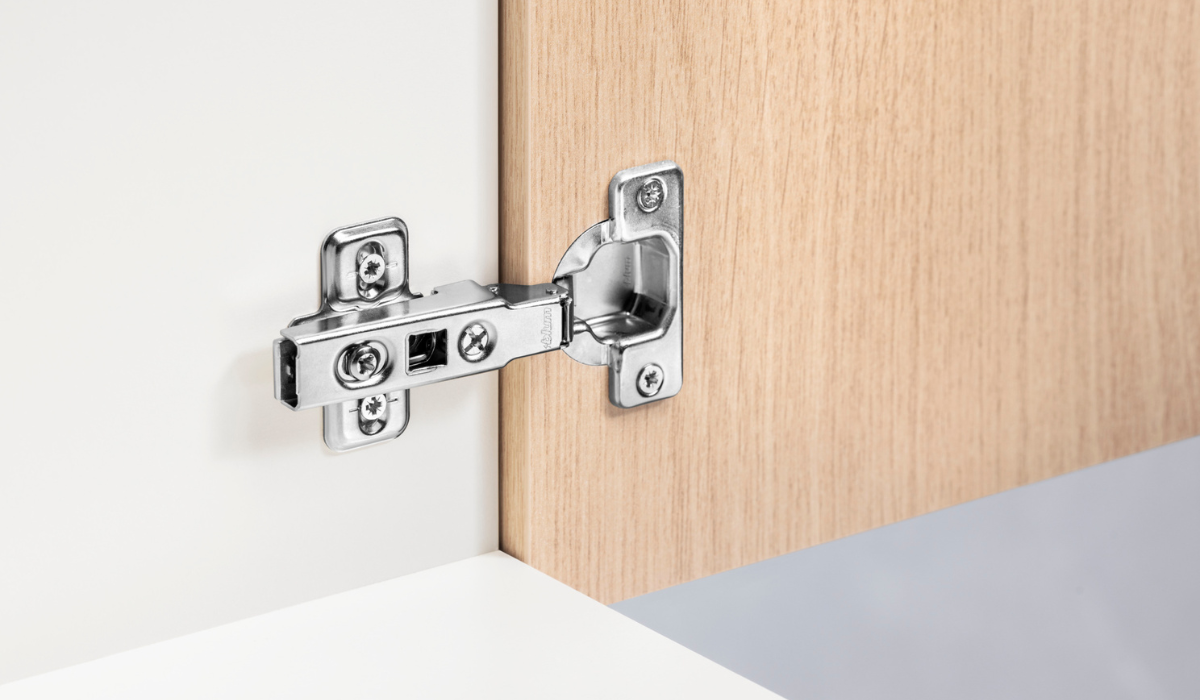
Blum Hinges Exploring Blum Hinges Hiatt Hardware Article
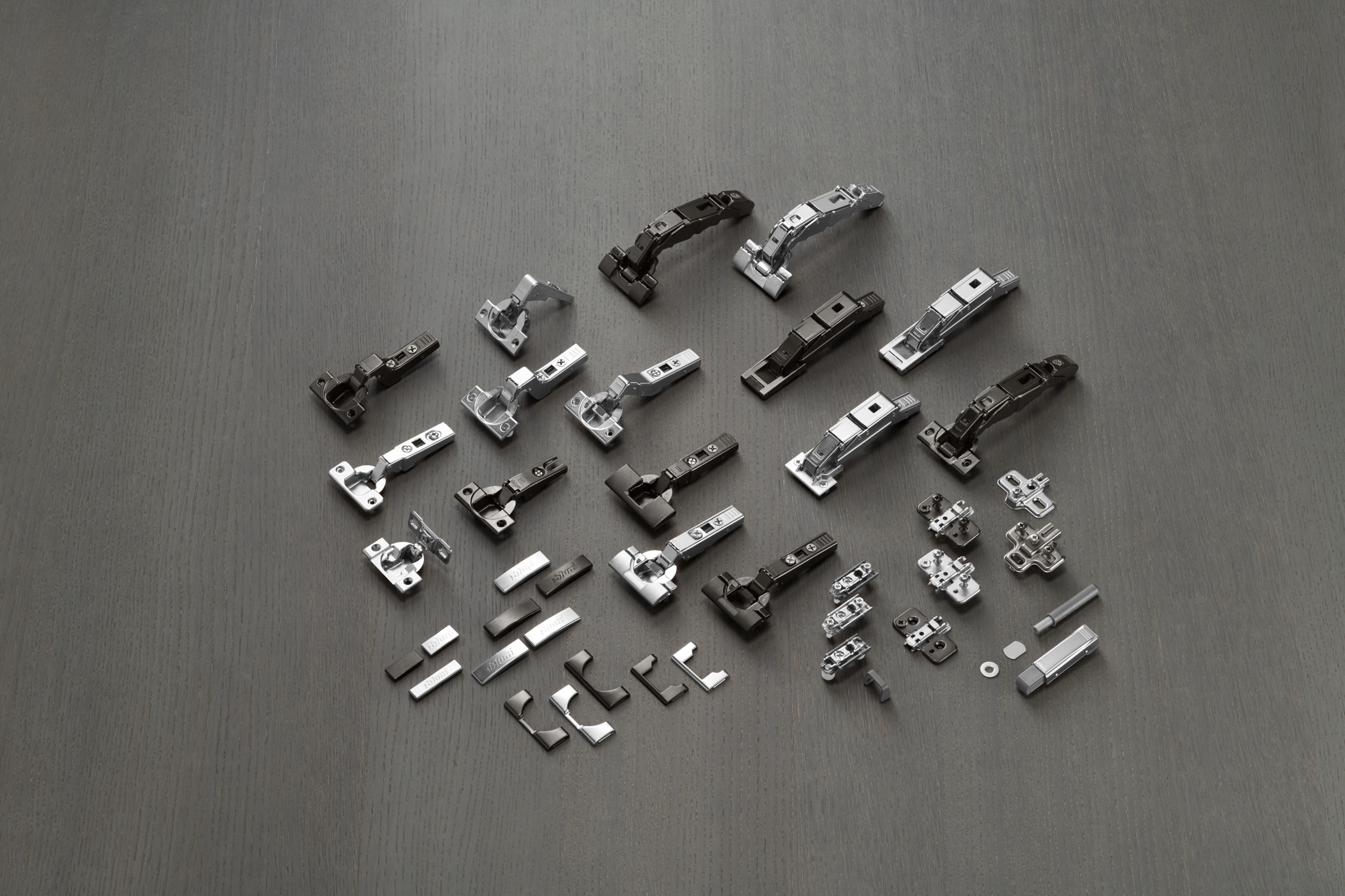
Motion in furniture hinge systems by Blum Blum
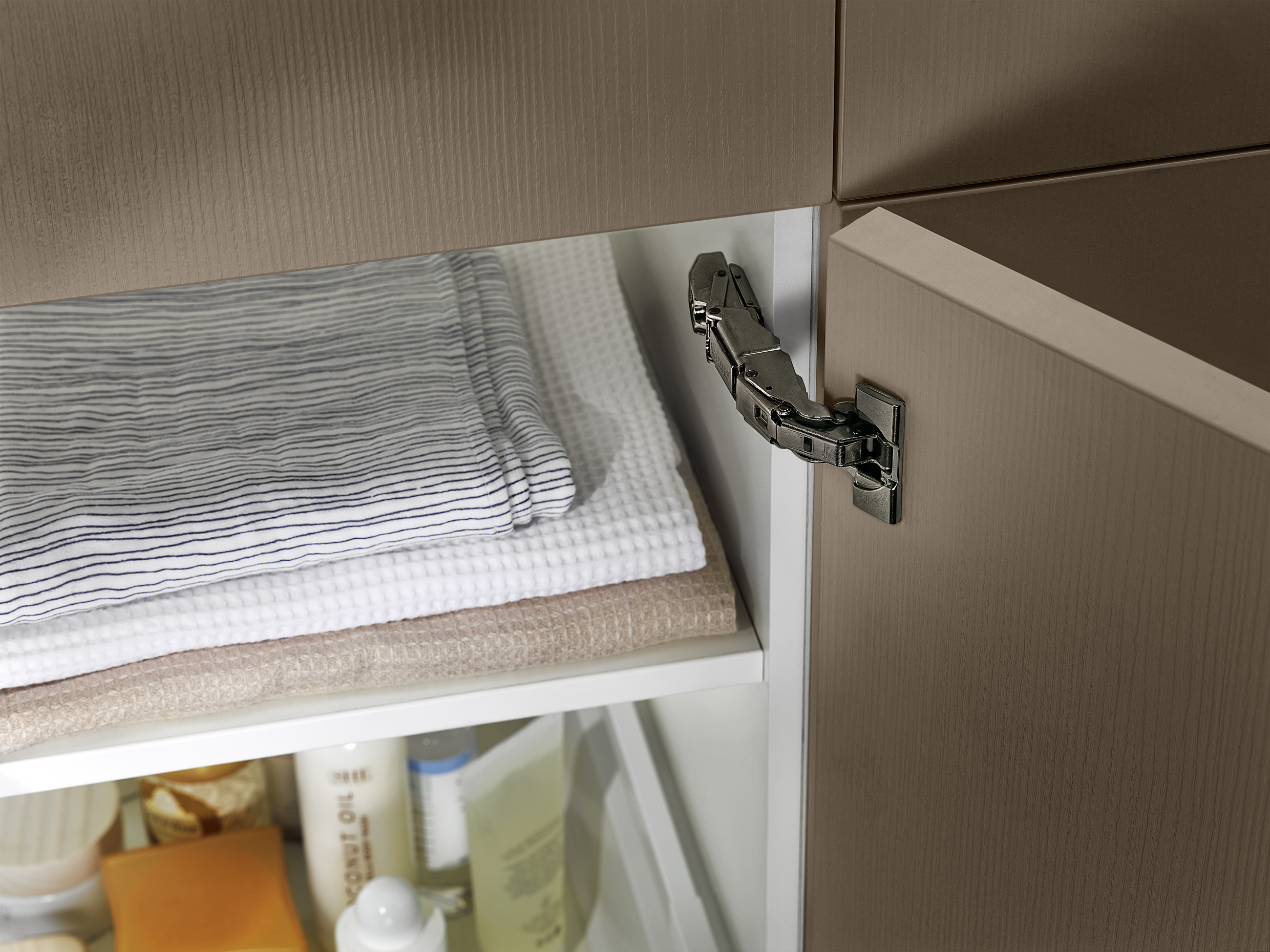
Hinges from Blum the complete range Blum

Hinges from Blum the complete range Blum
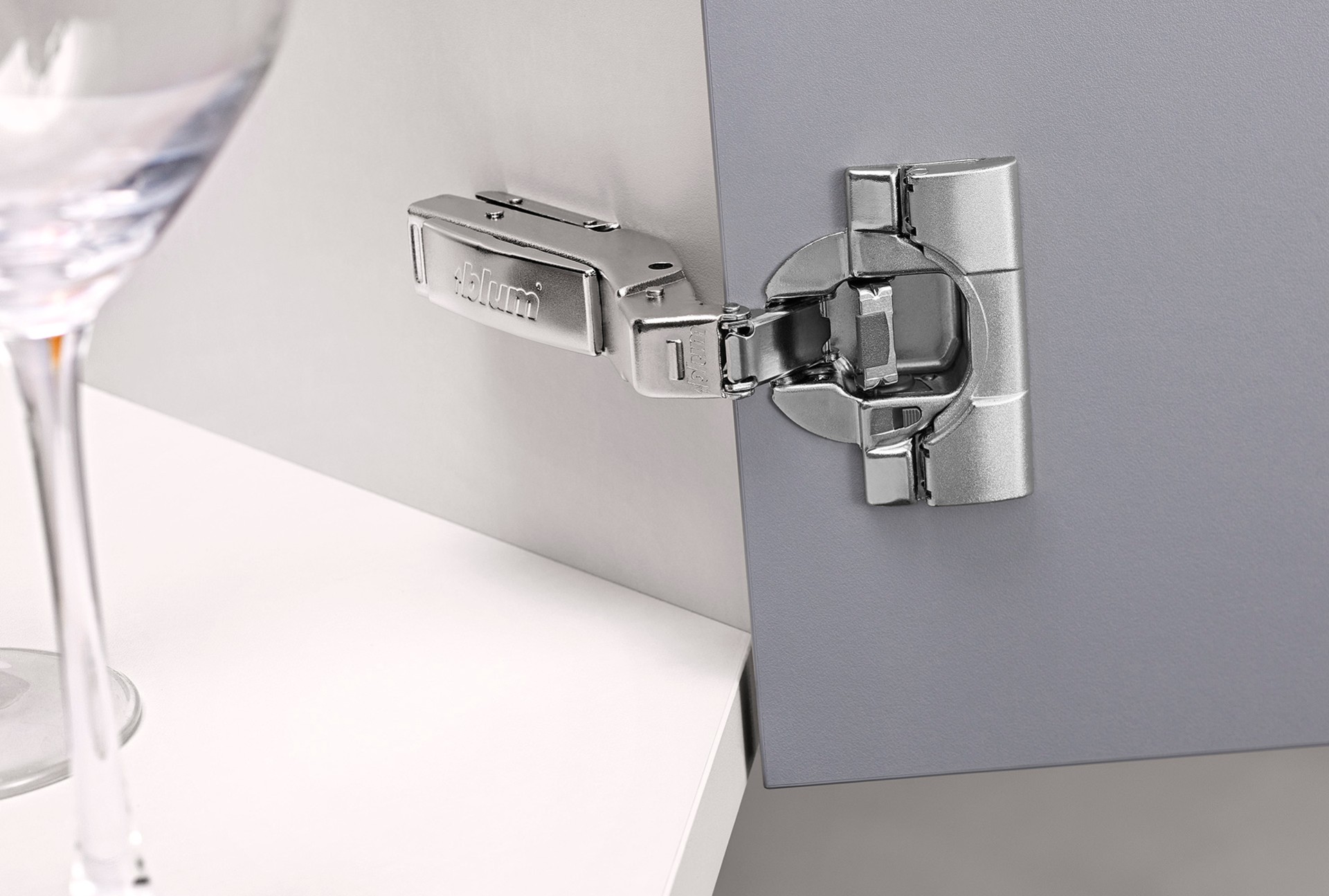
Our hinge range at a glance Blum

Hinges from Blum the complete range Blum

Blum CLIP top BLUMOTION 110°+ Hinge Straight Arm SoftClose

Blum 60 Degree BiFold Hinge
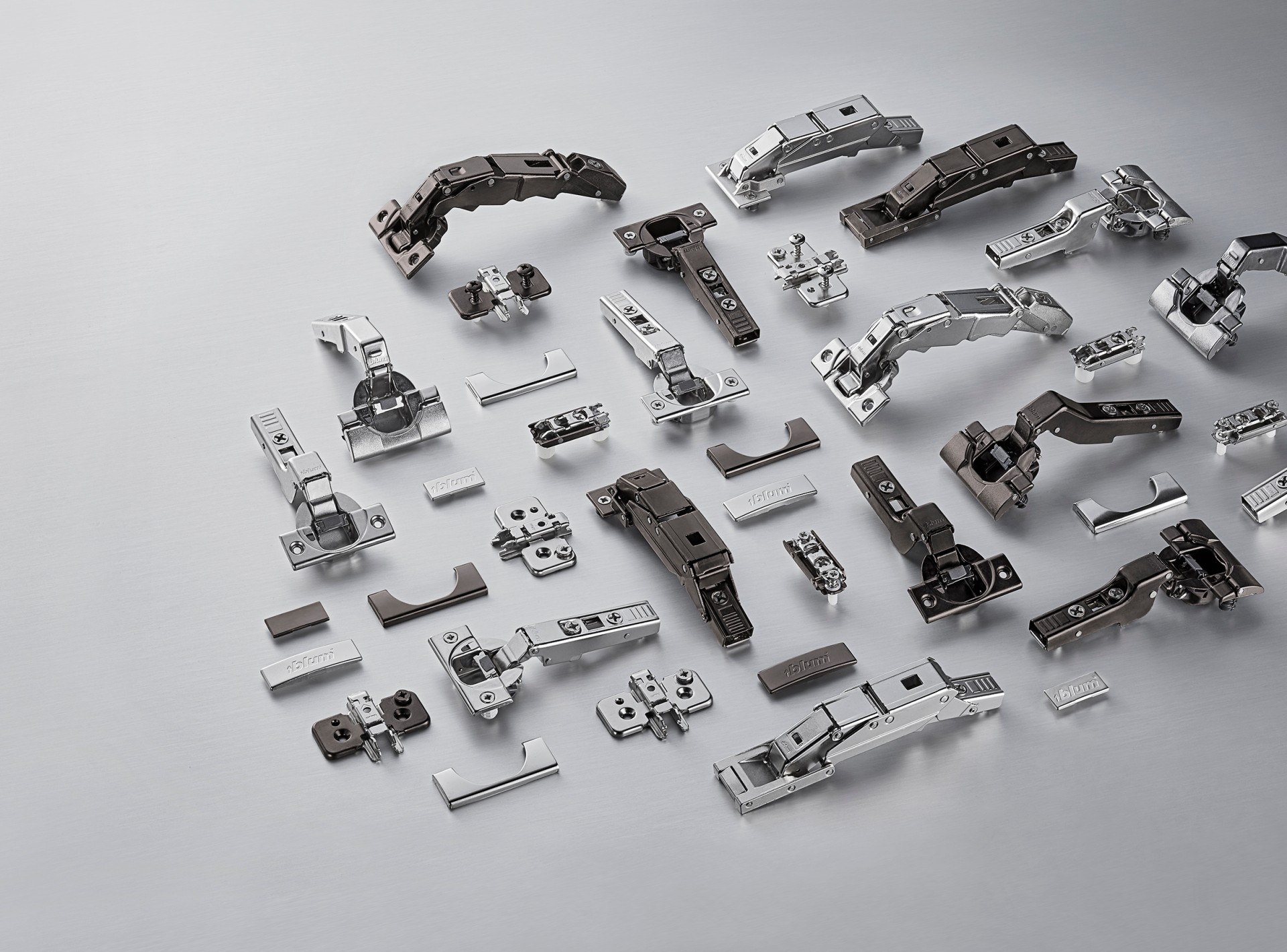
Hinges by Blum Blum
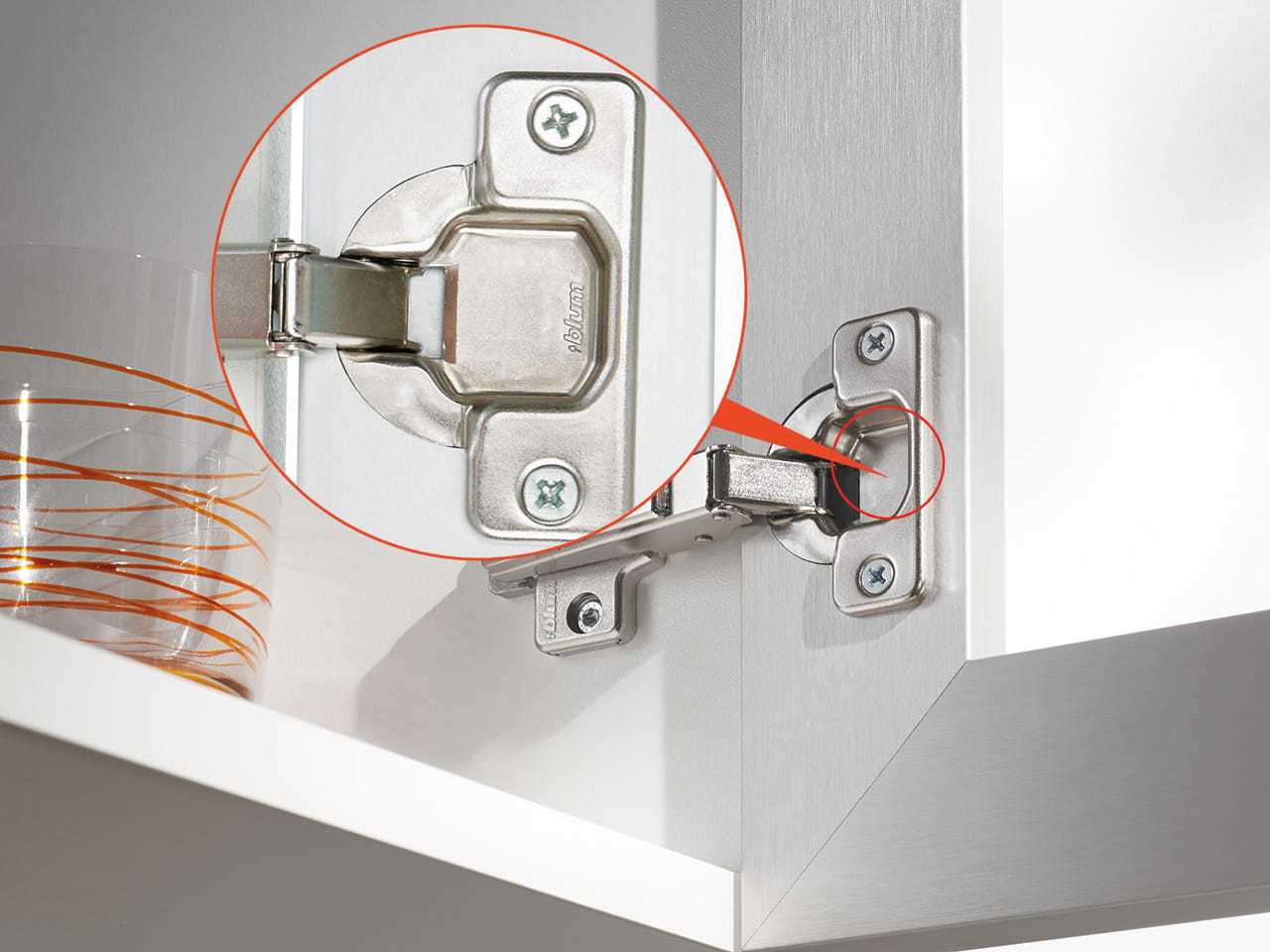
How to identify hinge systems Blum
Related Post: