
Bill Stroud Cue Catalog 1970'S
Bill Stroud Cue Catalog 1970'S - But as the sheer volume of products exploded, a new and far more powerful tool came to dominate the experience: the search bar. They are intricate, hand-drawn, and deeply personal. The resulting visualizations are not clean, minimalist, computer-generated graphics. I see it as a craft, a discipline, and a profession that can be learned and honed. This chart moves beyond simple product features and forces a company to think in terms of the tangible worth it delivers. It is a pre-existing structure that we use to organize and make sense of the world. Challenge yourself to step out of your comfort zone and try something different. It was an idea for how to visualize flow and magnitude simultaneously. The aesthetic that emerged—clean lines, geometric forms, unadorned surfaces, and an honest use of modern materials like steel and glass—was a radical departure from the past, and its influence on everything from architecture to graphic design and furniture is still profoundly felt today. The more diverse the collection, the more unexpected and original the potential connections will be. A printable chart, therefore, becomes more than just a reference document; it becomes a personalized artifact, a tangible record of your own thoughts and commitments, strengthening your connection to your goals in a way that the ephemeral, uniform characters on a screen cannot. The cognitive cost of sifting through thousands of products, of comparing dozens of slightly different variations, of reading hundreds of reviews, is a significant mental burden. Ultimately, design is an act of profound optimism. I journeyed through its history, its anatomy, and its evolution, and I have arrived at a place of deep respect and fascination. The modern, professional approach is to start with the user's problem. You should also regularly check the engine coolant level in the translucent reservoir located in the engine compartment. This same principle is evident in the world of crafts and manufacturing. This is the logic of the manual taken to its ultimate conclusion. It's an active, conscious effort to consume not just more, but more widely. The tools of the trade are equally varied. Faced with this overwhelming and often depressing landscape of hidden costs, there is a growing movement towards transparency and conscious consumerism, an attempt to create fragments of a real-world cost catalog. And at the end of each week, they would draw their data on the back of a postcard and mail it to the other. That humble file, with its neat boxes and its Latin gibberish, felt like a cage for my ideas, a pre-written ending to a story I hadn't even had the chance to begin. The first principle of effective chart design is to have a clear and specific purpose. Proper care and maintenance are essential for maintaining the appearance and value of your NISSAN. To be printable is to possess the potential for transformation—from a fleeting arrangement of pixels on a screen to a stable, tactile object in our hands; from an ephemeral stream of data to a permanent artifact we can hold, mark, and share. 10 Ultimately, a chart is a tool of persuasion, and this brings with it an ethical responsibility to be truthful and accurate. In the intricate lexicon of creation, whether artistic, technological, or personal, there exists a concept as pervasive as it is elusive, a guiding force that operates just beneath the surface of our conscious efforts. In its essence, a chart is a translation, converting the abstract language of numbers into the intuitive, visceral language of vision. It is a mindset that we must build for ourselves. The science of perception provides the theoretical underpinning for the best practices that have evolved over centuries of chart design. The journey of the catalog, from a handwritten list on a clay tablet to a personalized, AI-driven, augmented reality experience, is a story about a fundamental human impulse. 12 This physical engagement is directly linked to a neuropsychological principle known as the "generation effect," which states that we remember information far more effectively when we have actively generated it ourselves rather than passively consumed it. The faint, sweet smell of the aging paper and ink is a form of time travel. The beauty of Minard’s Napoleon map is not decorative; it is the breathtaking elegance with which it presents a complex, multivariate story with absolute clarity. 39 An effective study chart involves strategically dividing days into manageable time blocks, allocating specific periods for each subject, and crucially, scheduling breaks to prevent burnout. This has created entirely new fields of practice, such as user interface (UI) and user experience (UX) design, which are now among the most dominant forces in the industry. The social media graphics were a riot of neon colors and bubbly illustrations. The utility of a printable chart extends across a vast spectrum of applications, from structuring complex corporate initiatives to managing personal development goals. It was a system of sublime logic and simplicity, where the meter was derived from the Earth's circumference, the gram was linked to the mass of water, and the liter to its volume. Data visualization was not just a neutral act of presenting facts; it could be a powerful tool for social change, for advocacy, and for telling stories that could literally change the world. You ask a question, you make a chart, the chart reveals a pattern, which leads to a new question, and so on. You will need to remove these using a socket wrench. To truly understand the chart, one must first dismantle it, to see it not as a single image but as a constructed system of language. Suddenly, the simple act of comparison becomes infinitely more complex and morally fraught. It acts as an external memory aid, offloading the burden of recollection and allowing our brains to focus on the higher-order task of analysis. The value chart is the artist's reference for creating depth, mood, and realism. This leap is as conceptually significant as the move from handwritten manuscripts to the printing press. These are the costs that economists call "externalities," and they are the ghosts in our economic machine. The journey from that naive acceptance to a deeper understanding of the chart as a complex, powerful, and profoundly human invention has been a long and intricate one, a process of deconstruction and discovery that has revealed this simple object to be a piece of cognitive technology, a historical artifact, a rhetorical weapon, a canvas for art, and a battleground for truth. In addition to technical proficiency, learning to draw also requires cultivating a keen sense of observation and visual perception. The professional learns to not see this as a failure, but as a successful discovery of what doesn't work. That small, unassuming rectangle of white space became the primary gateway to the infinite shelf. This has opened the door to the world of data art, where the primary goal is not necessarily to communicate a specific statistical insight, but to use data as a raw material to create an aesthetic or emotional experience. It’s a mantra we have repeated in class so many times it’s almost become a cliché, but it’s a profound truth that you have to keep relearning. The job of the designer, as I now understand it, is to build the bridges between the two. In its most fundamental form, the conversion chart is a simple lookup table, a two-column grid that acts as a direct dictionary between units. Or perhaps the future sample is an empty space. In an effort to enhance user convenience and environmental sustainability, we have transitioned from traditional printed booklets to a robust digital format. Sometimes that might be a simple, elegant sparkline. To make the chart even more powerful, it is wise to include a "notes" section. This has opened the door to the world of data art, where the primary goal is not necessarily to communicate a specific statistical insight, but to use data as a raw material to create an aesthetic or emotional experience. Building a quick, rough model of an app interface out of paper cutouts, or a physical product out of cardboard and tape, is not about presenting a finished concept. As I look towards the future, the world of chart ideas is only getting more complex and exciting. The online catalog, powered by data and algorithms, has become a one-to-one medium. The introduction of the "master page" was a revolutionary feature. The catalog was no longer just speaking to its audience; the audience was now speaking back, adding their own images and stories to the collective understanding of the product. Now, when I get a brief, I don't lament the constraints. I had to define the leading (the space between lines of text) and the tracking (the space between letters) to ensure optimal readability. Furthermore, black and white drawing has a rich history and tradition that spans centuries. For a year, the two women, living on opposite sides of the Atlantic, collected personal data about their own lives each week—data about the number of times they laughed, the doors they walked through, the compliments they gave or received. A well-designed chart communicates its message with clarity and precision, while a poorly designed one can create confusion and obscure insights. To analyze this catalog sample is to understand the context from which it emerged. I wanted to be a creator, an artist even, and this thing, this "manual," felt like a rulebook designed to turn me into a machine, a pixel-pusher executing a pre-approved formula. The printable market has democratized design and small business. It is essential to always replace brake components in pairs to ensure even braking performance. A true cost catalog would have to list these environmental impacts alongside the price. From the humble table that forces intellectual honesty to the dynamic bar and line graphs that tell stories of relative performance, these charts provide a language for evaluation. Suddenly, the simple act of comparison becomes infinitely more complex and morally fraught. Comparing two slices of a pie chart is difficult, and comparing slices across two different pie charts is nearly impossible.
Exquisite pair of Josswest cues Proficient Billiards Cue Repair

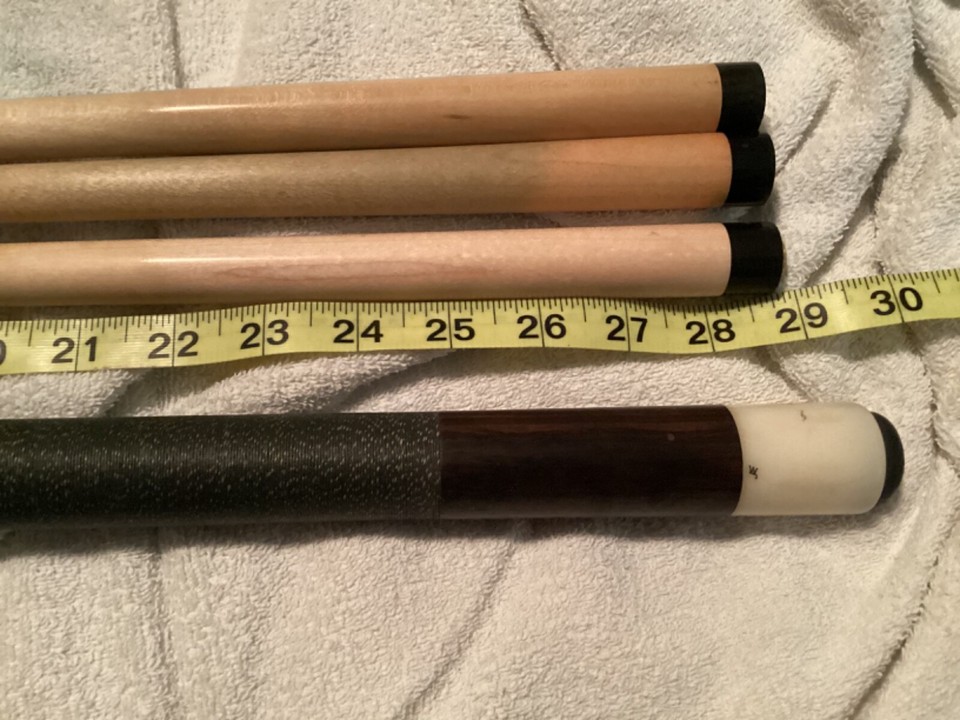
Joss West Bill Stroud 1979 Custom Pool Cue 3 Shaft’s 4 Point

Joss West Custom Pool Cue By Bill Stroud eBay
Joss West Bill Stroud 1975 Custom Pool Cue Very Rare One of One 3
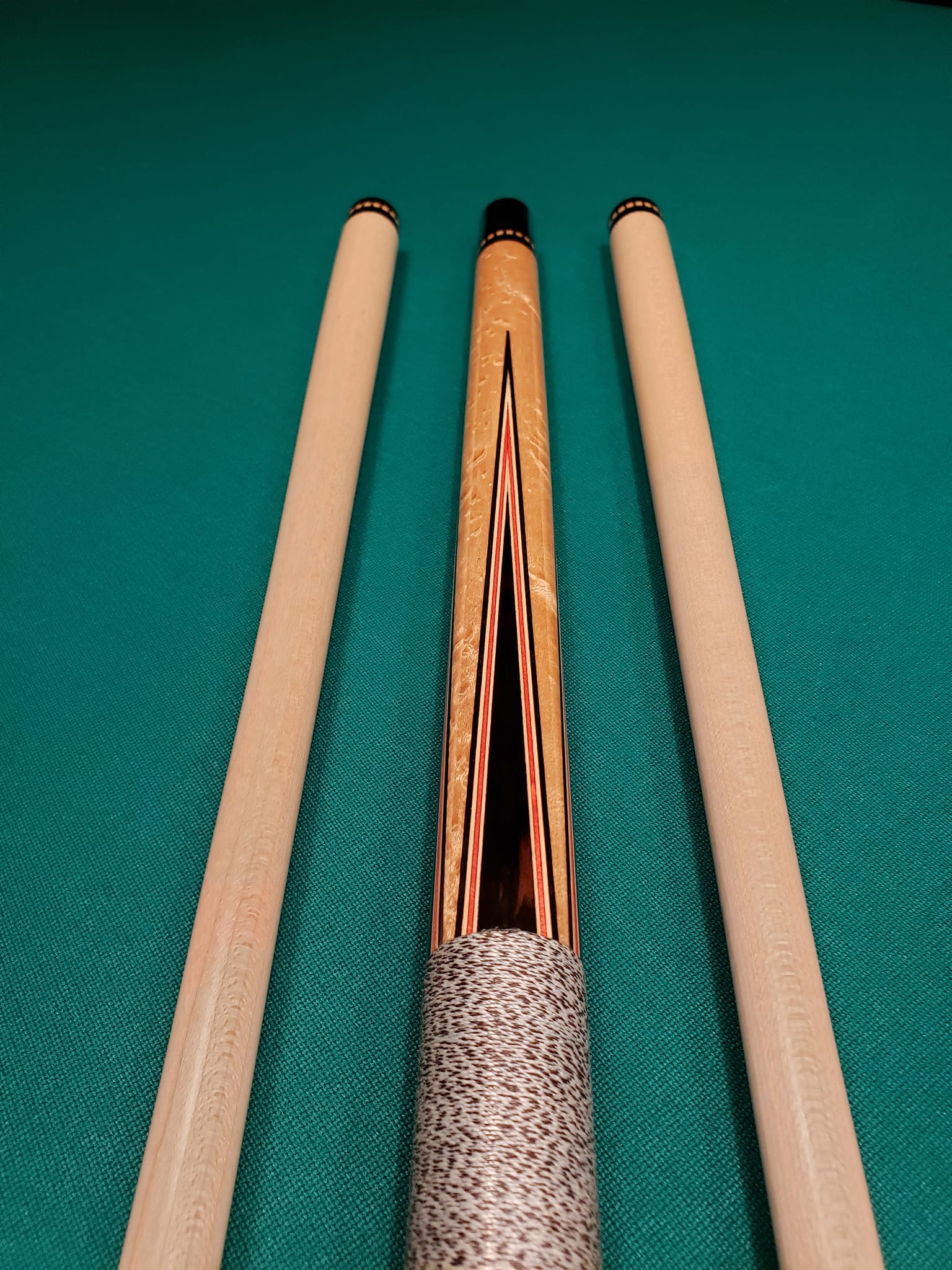
Joss West SOLD! Crossroad Cues
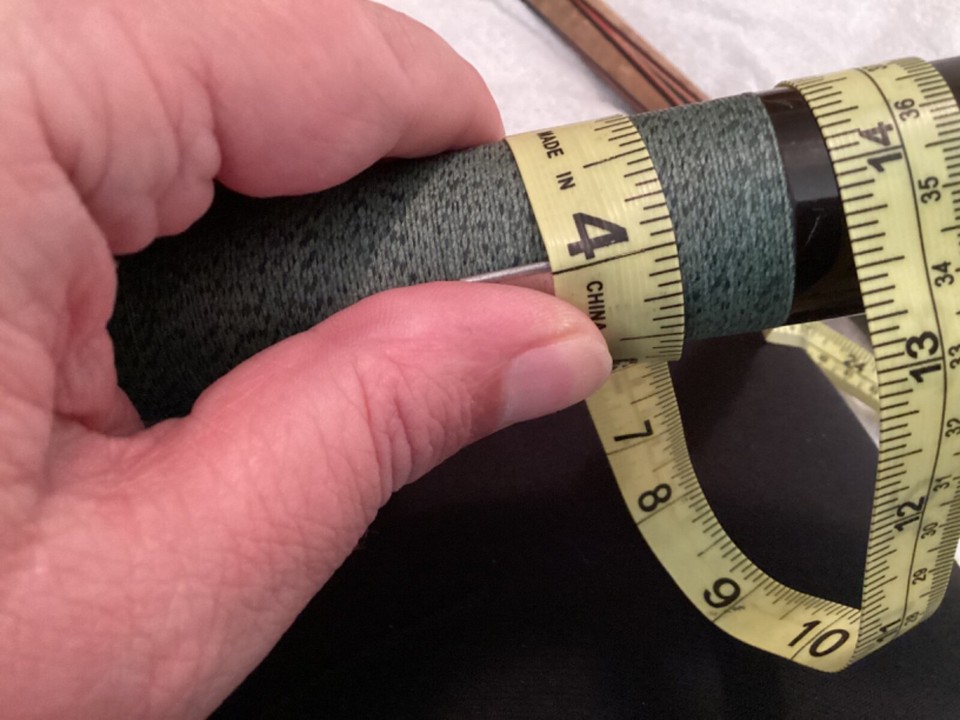
Joss West Bill Stroud 1975 Custom Pool Cue Very Rare One of One 3
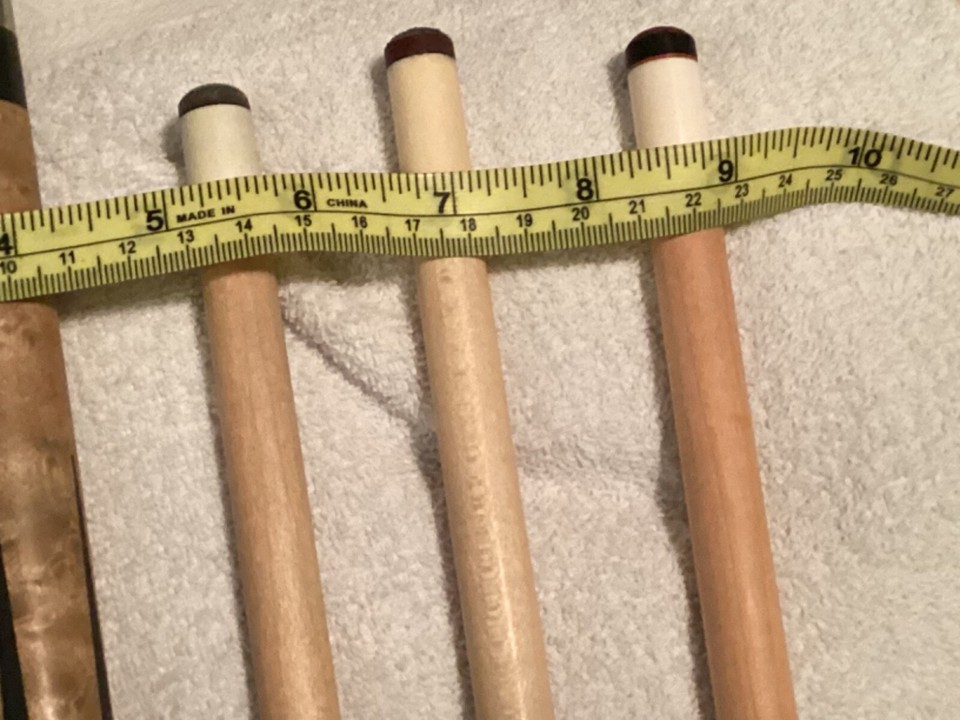
Joss West Bill Stroud 1975 Custom Pool Cue Very Rare One of One 3
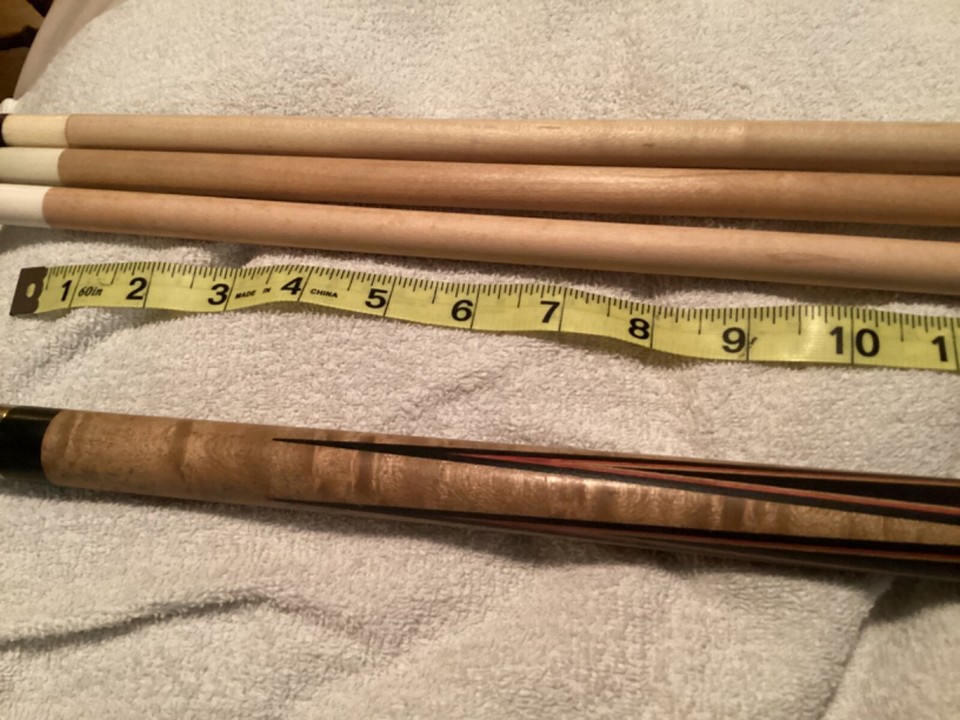
Joss West Bill Stroud 1975 Custom Pool Cue Very Rare One of One 3

Yahoo!オークション 1970年代 Josswest オリジナル|Sideways JW刻印...
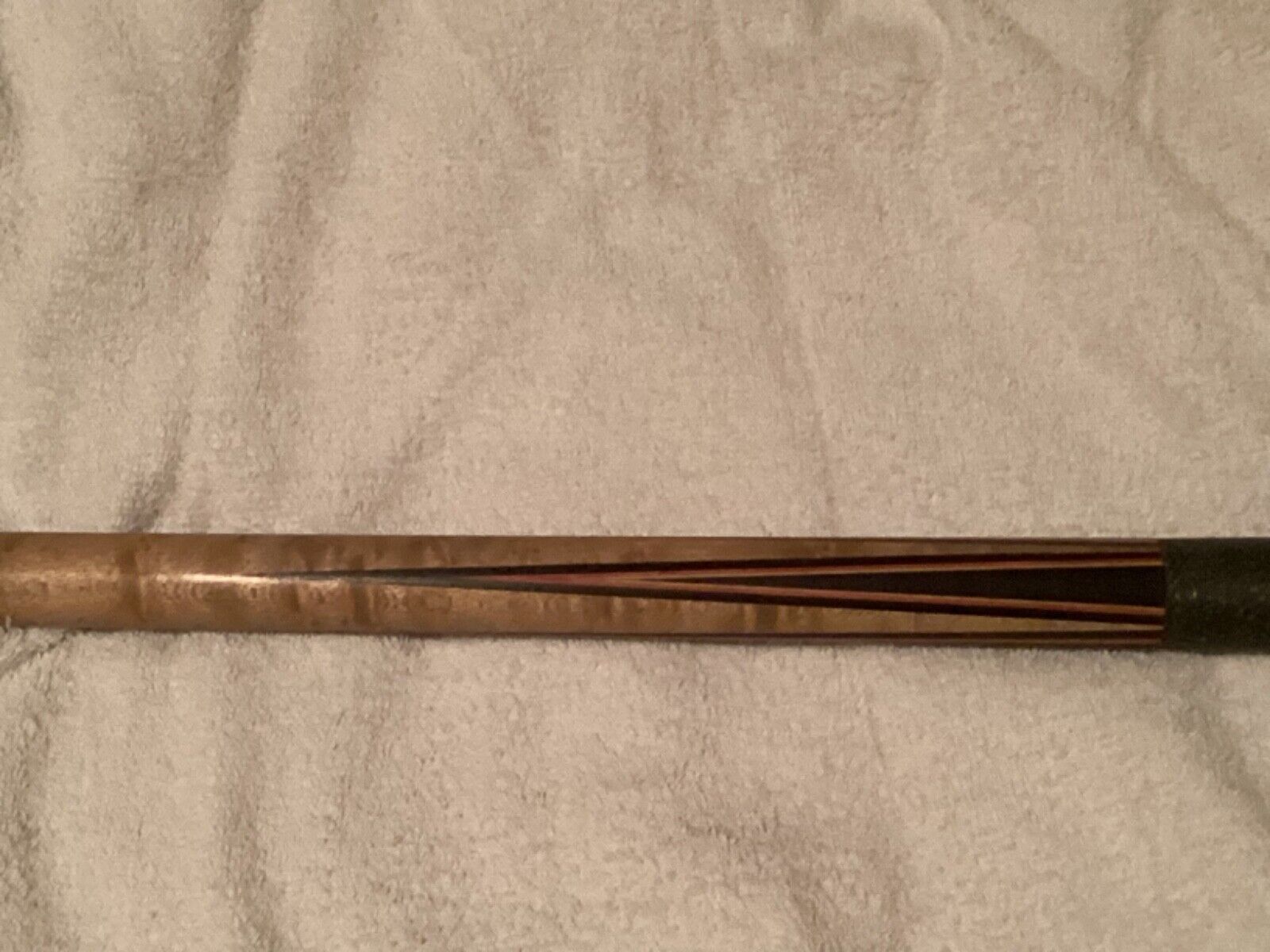
Joss West Bill Stroud 1975 Custom Pool Cue Very Rare One of One 3
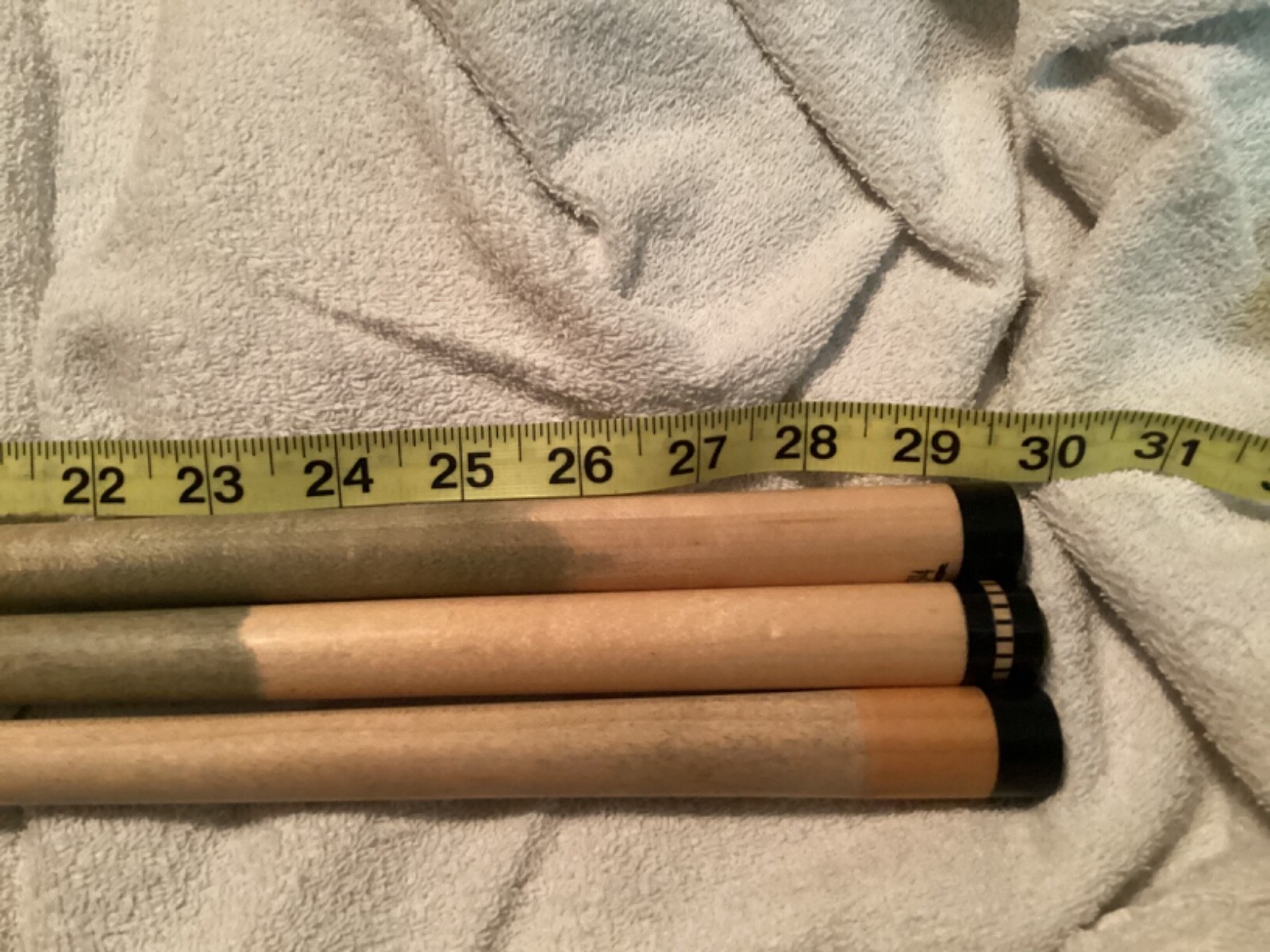
Joss West Bill Stroud 1979 Custom Pool Cue 3 Shaft’s 4 Point

Joss West Bill Stroud 1979 Custom Pool Cue 3 Shaft’s 4 Point
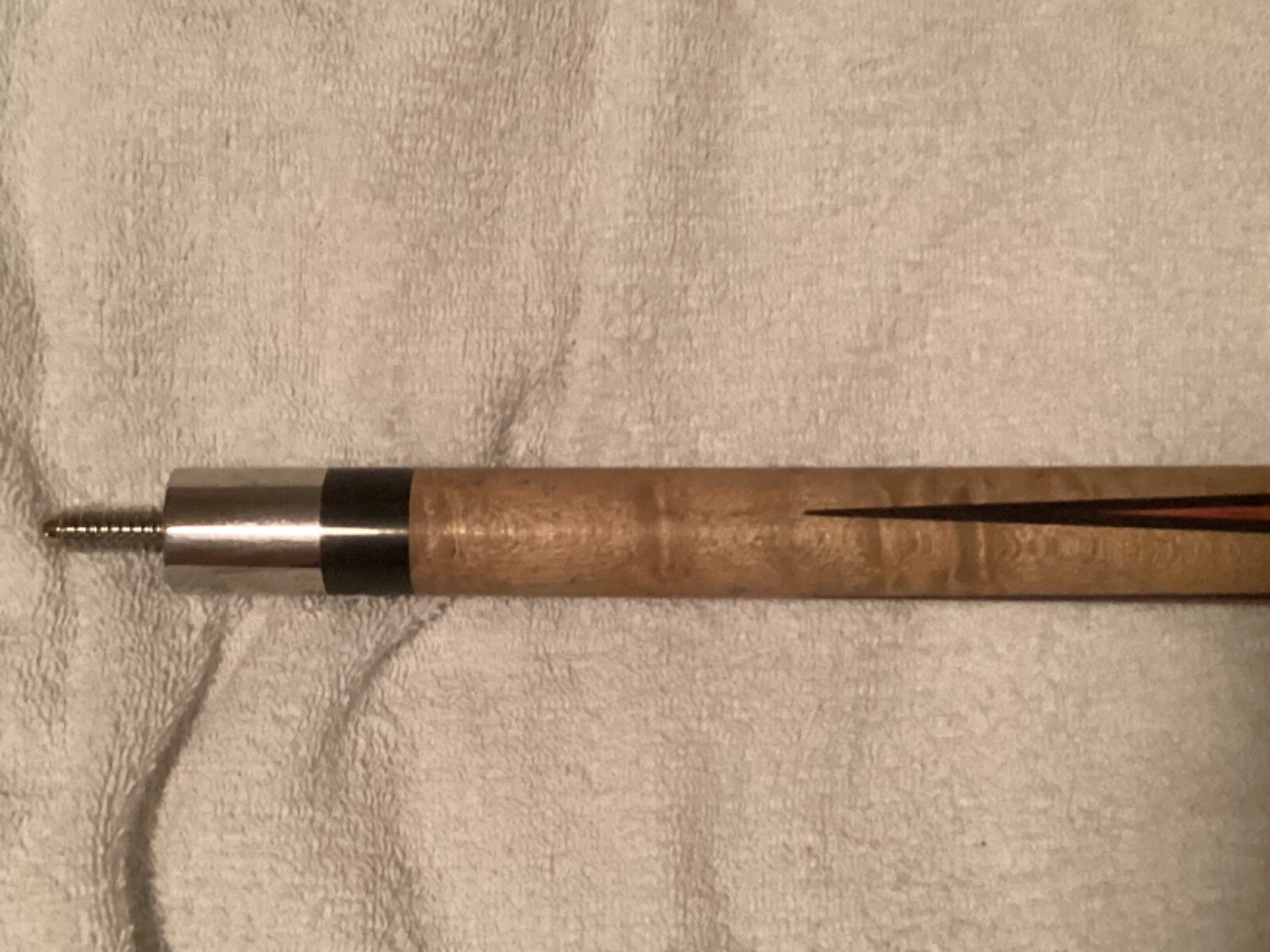
Joss West Bill Stroud 1975 Custom Pool Cue Very Rare One of One 3
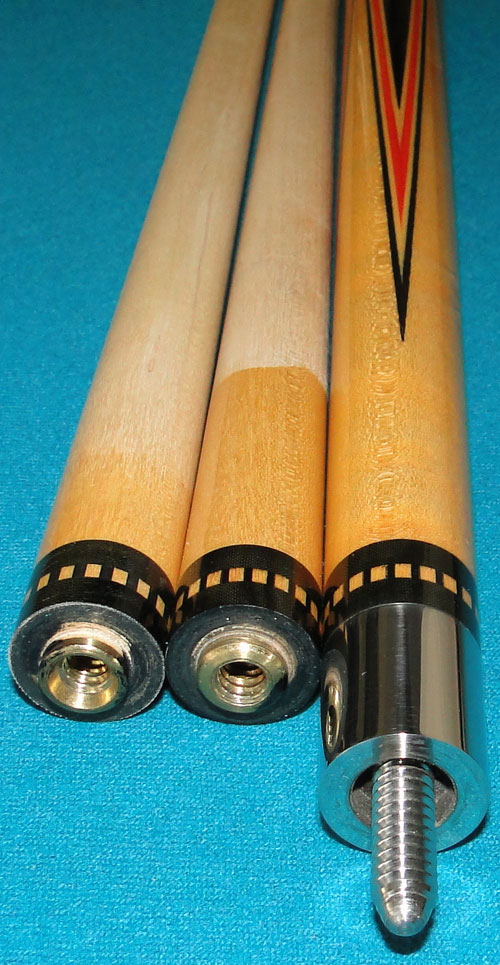
Josswest Cues

💎♠️💎 BIG JOSS WEST CUSTOM POOL CUE! 💎♠️💎 Made by Bill Stroud

Joss West Bill Stroud 1979 Custom Pool Cue 3 Shaft’s 4 Point
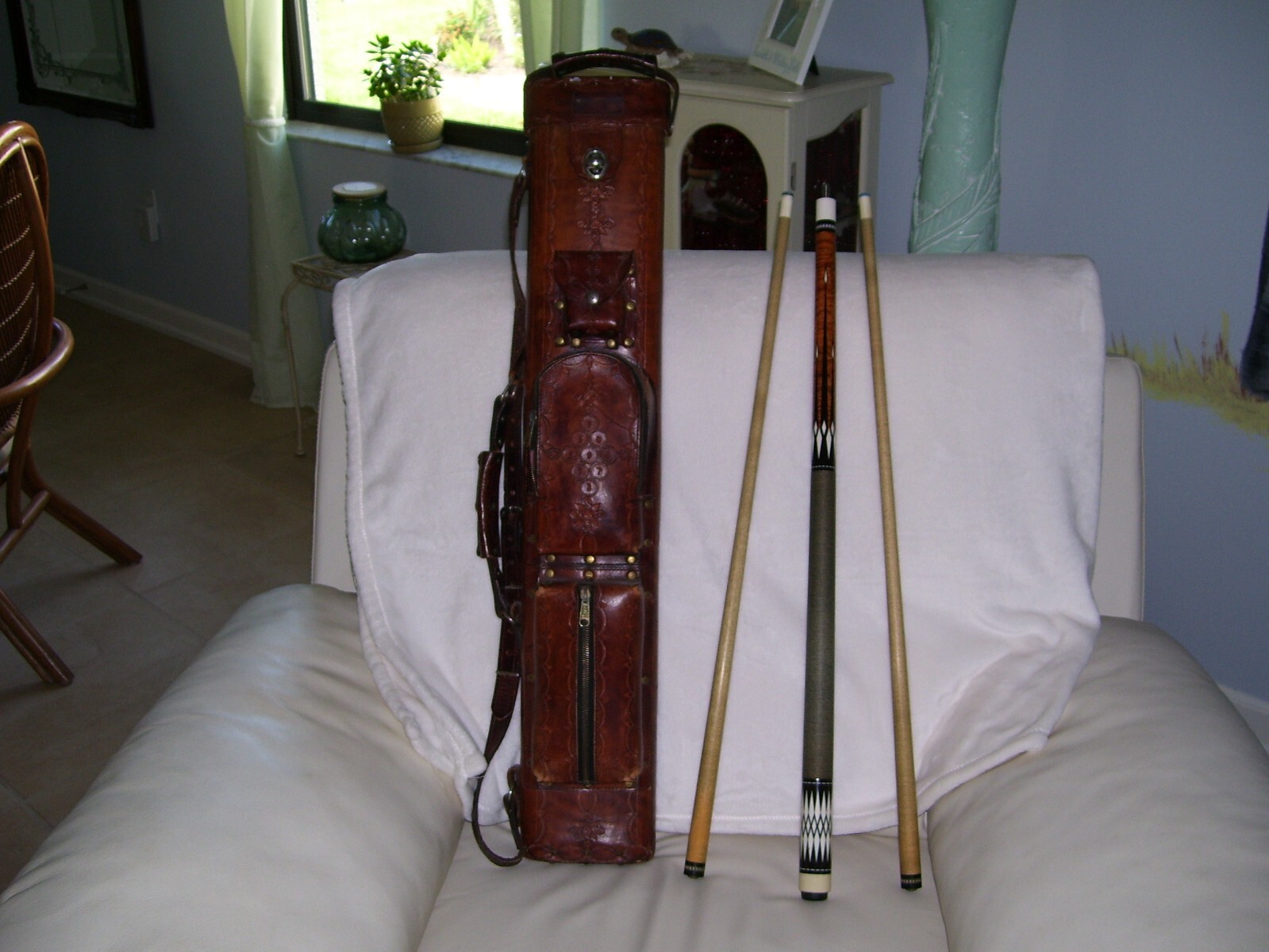
Joss West Custom Pool Cue By Bill Stroud eBay
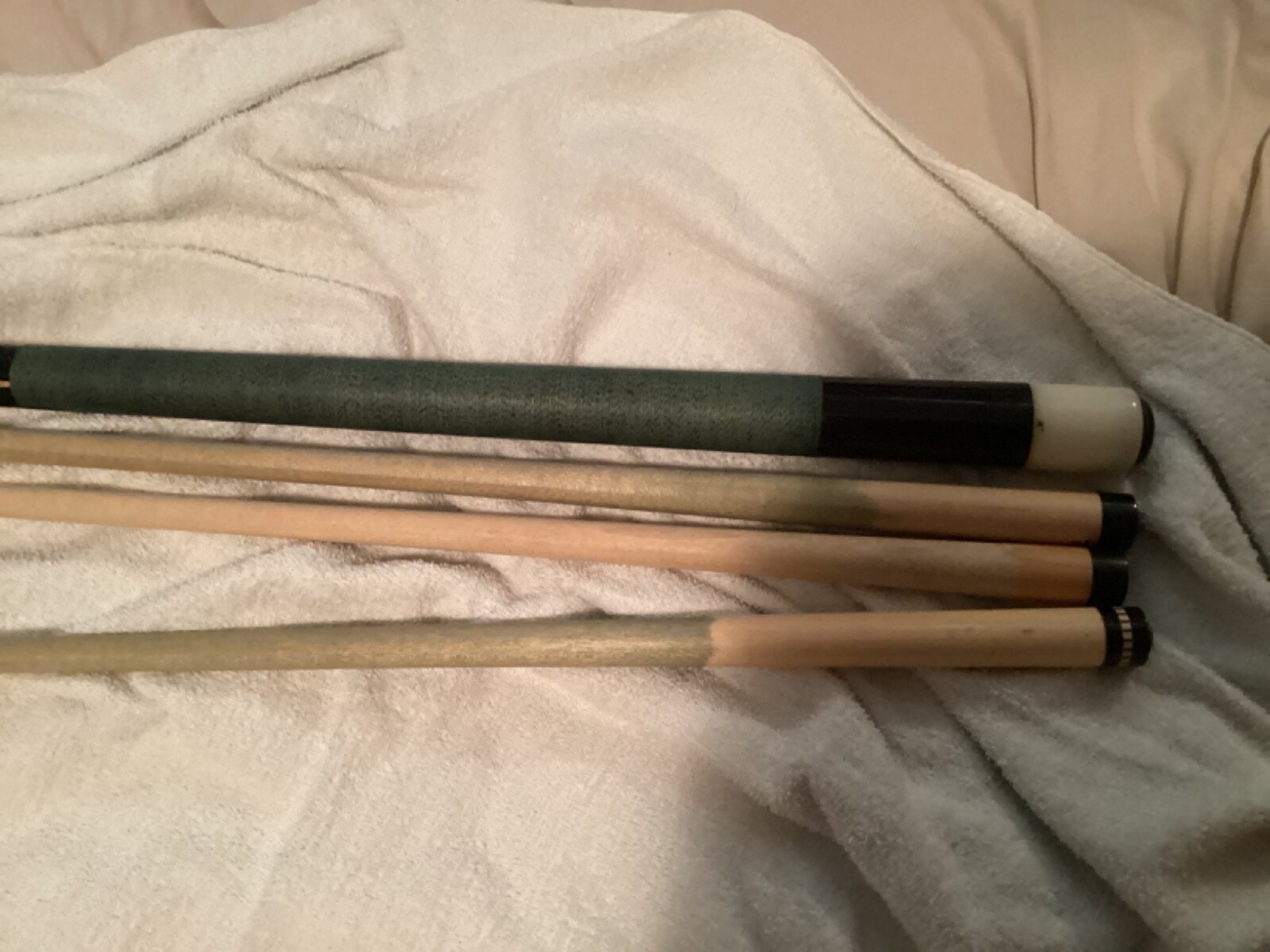
Joss West Bill Stroud 1979 Custom Pool Cue 3 Shaft’s 4 Point

Josswest Box Cues by Bill Stroud Collection
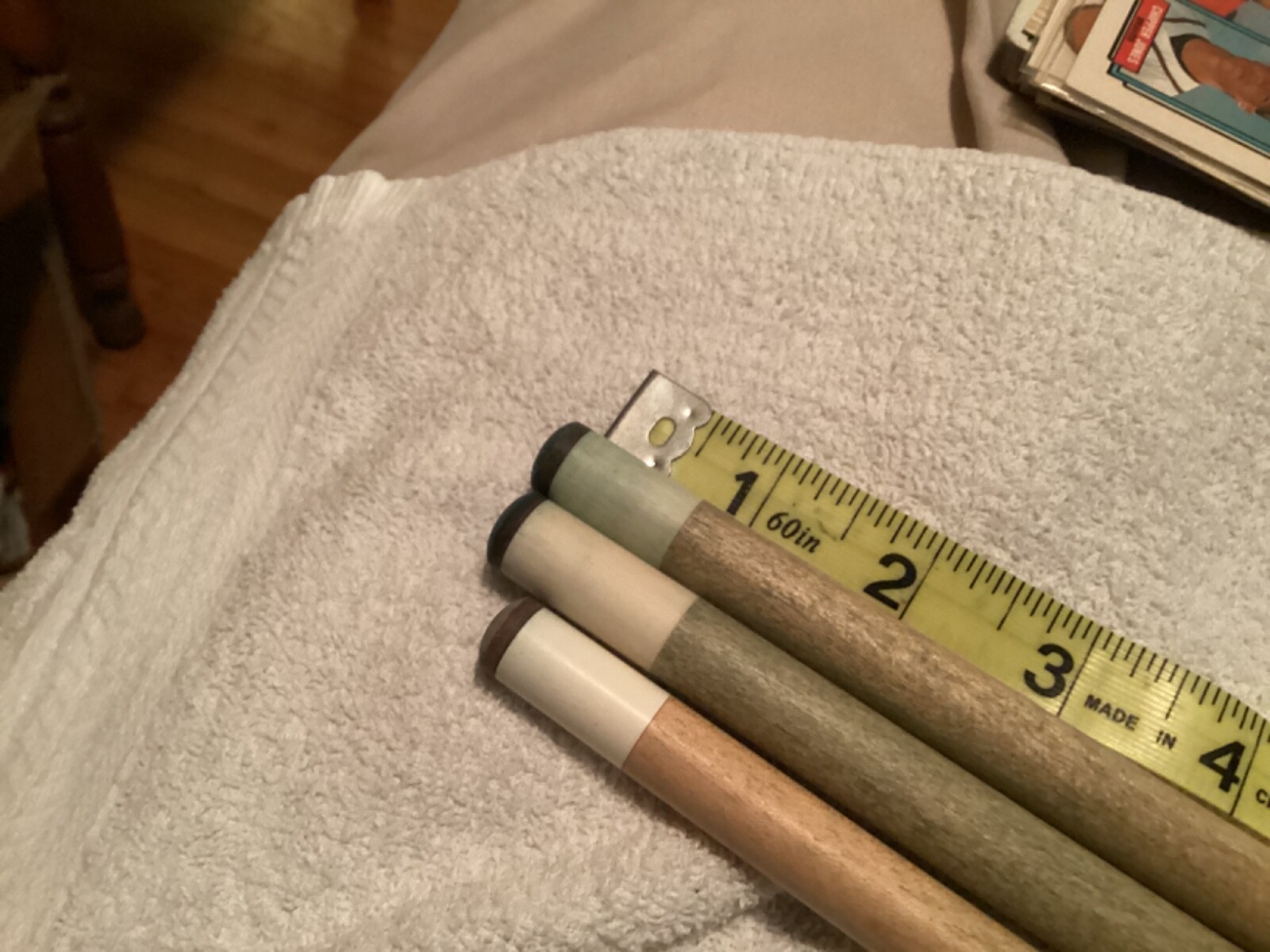
Joss West Bill Stroud 1979 Custom Pool Cue 3 Shaft’s 4 Point

Joss West Bill Stroud 1979 Custom Pool Cue 3 Shaft’s 4 Point
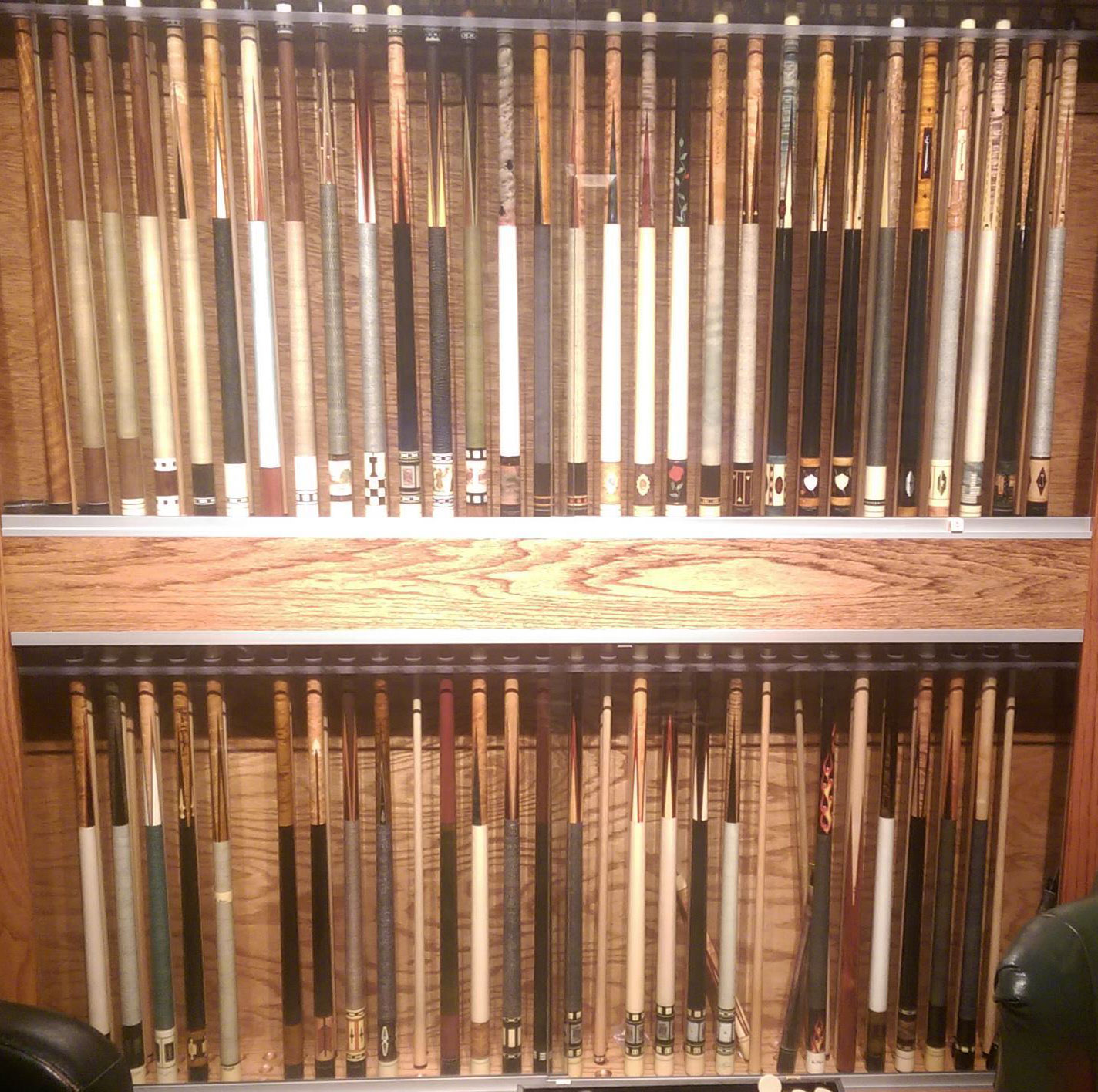
Make, Model, and Value of 1970s Meucci Originals Cue
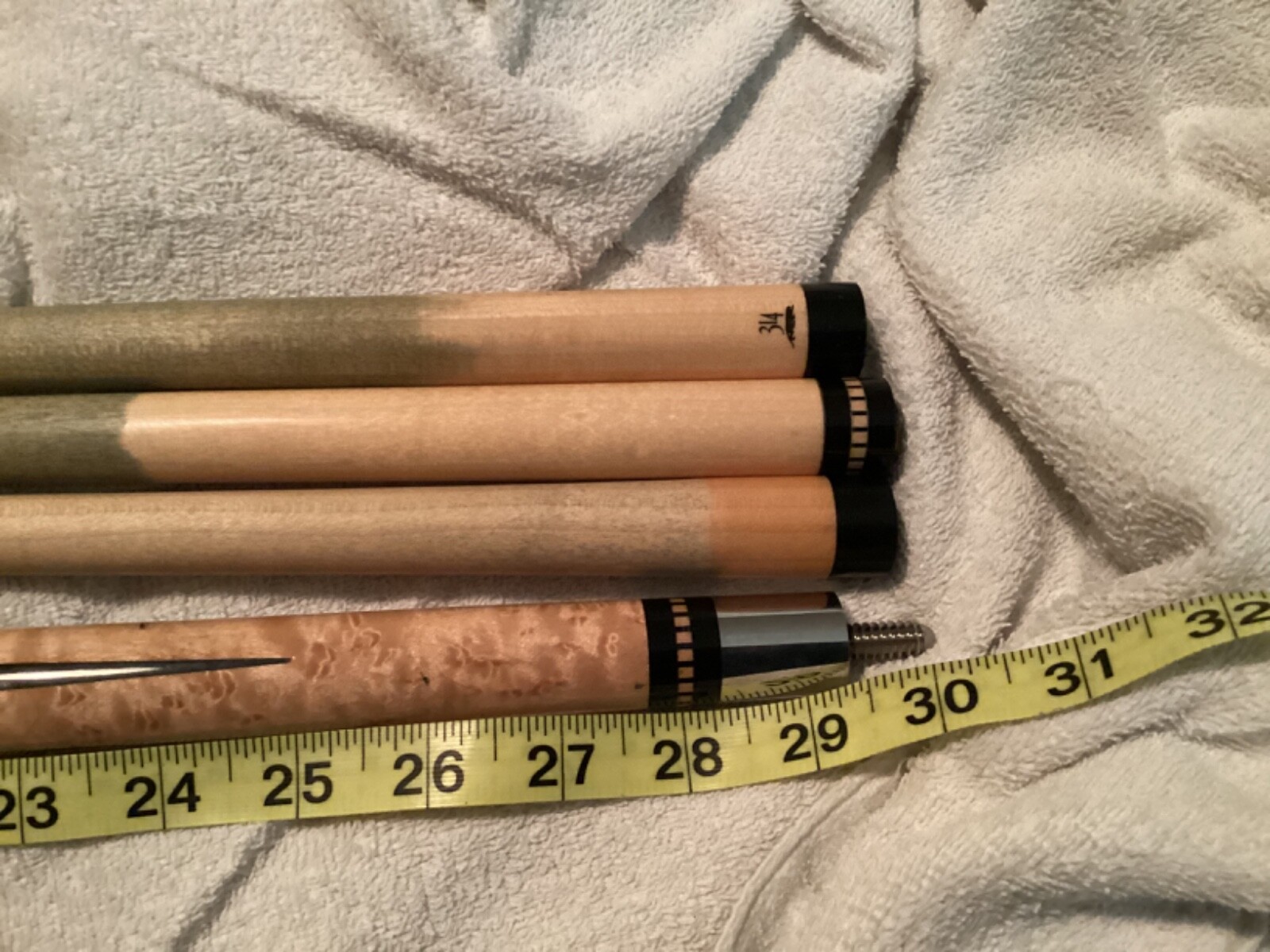
Joss West Bill Stroud 1979 Custom Pool Cue 3 Shaft’s 4 Point
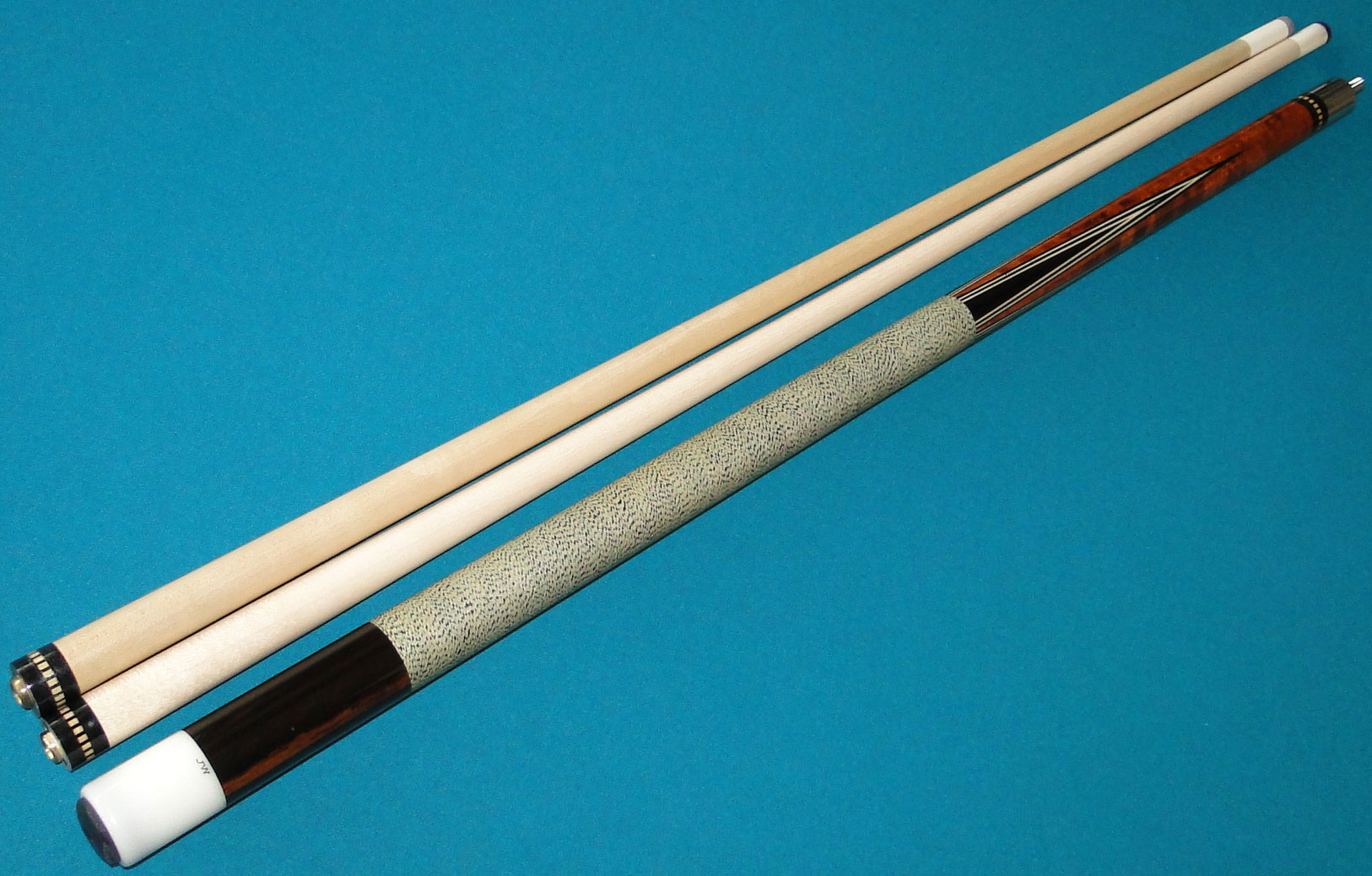
Josswest Cues
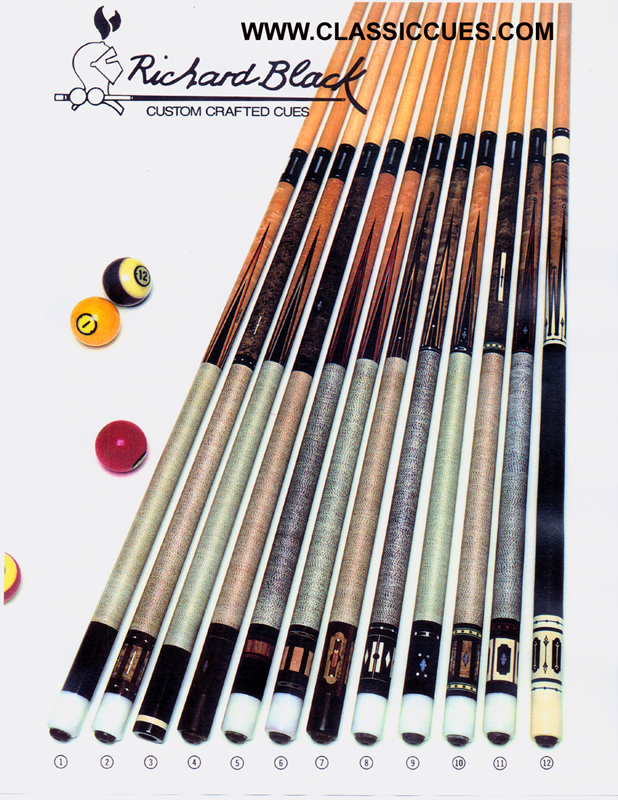
Cue Brochures
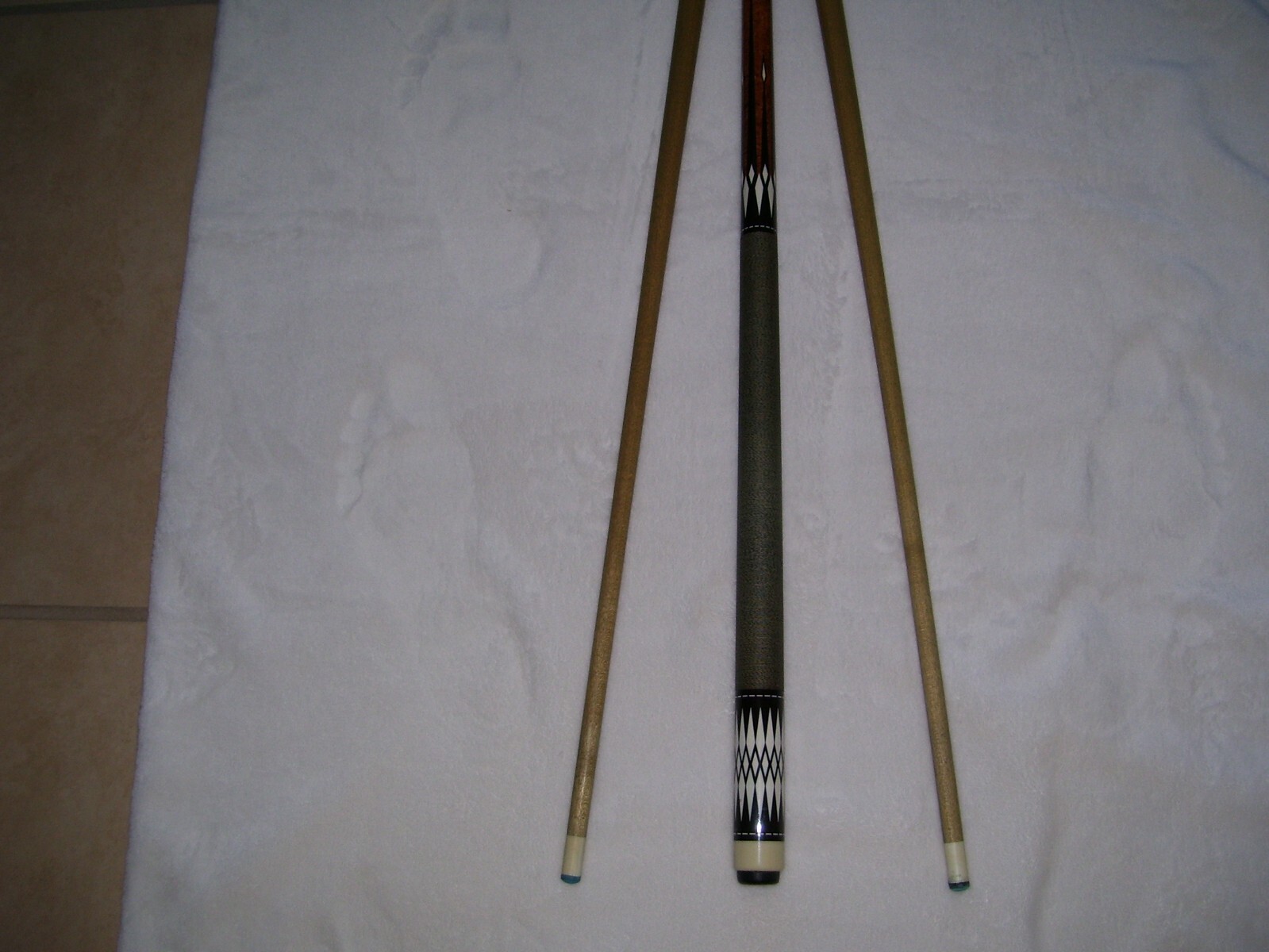
Joss West Custom Pool Cue By Bill Stroud eBay
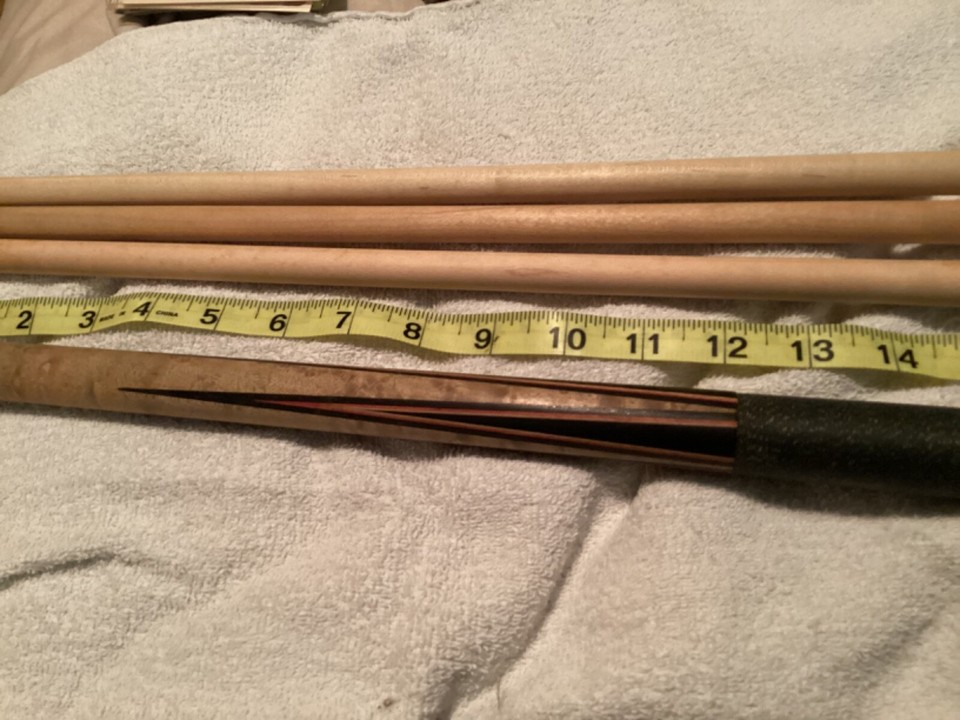
Joss West Bill Stroud 1975 Custom Pool Cue Very Rare One of One 3
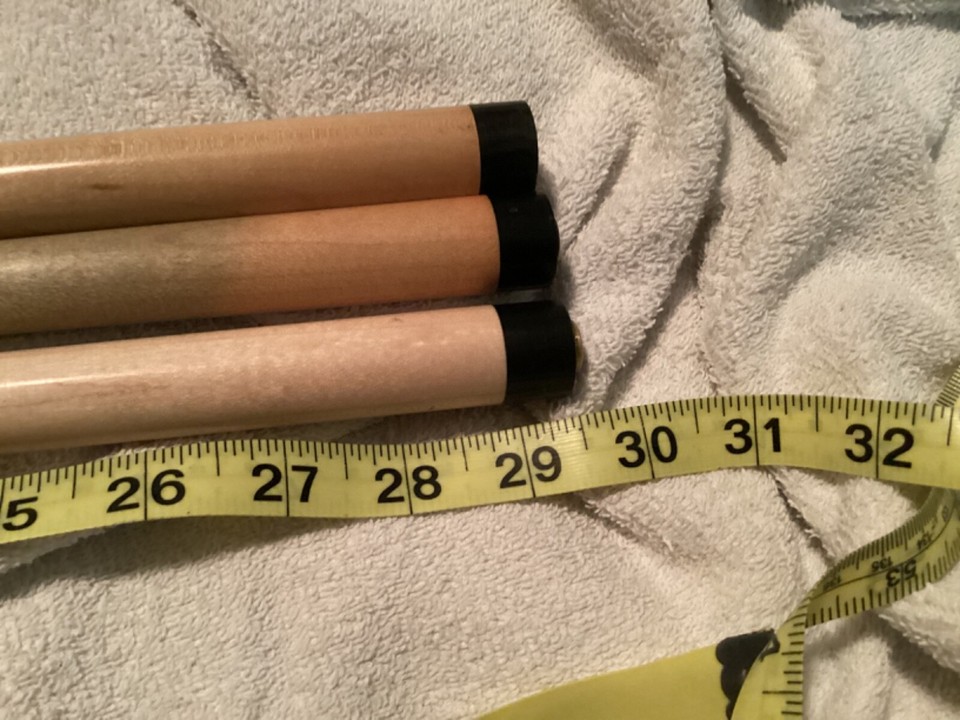
Joss West Bill Stroud 1975 Custom Pool Cue Very Rare One of One 3

Yahoo!オークション vintage cue 1970' ビリヤード ビンテージキュー

Joss West Bill Stroud 1979 Custom Pool Cue 3 Shaft’s 4 Point
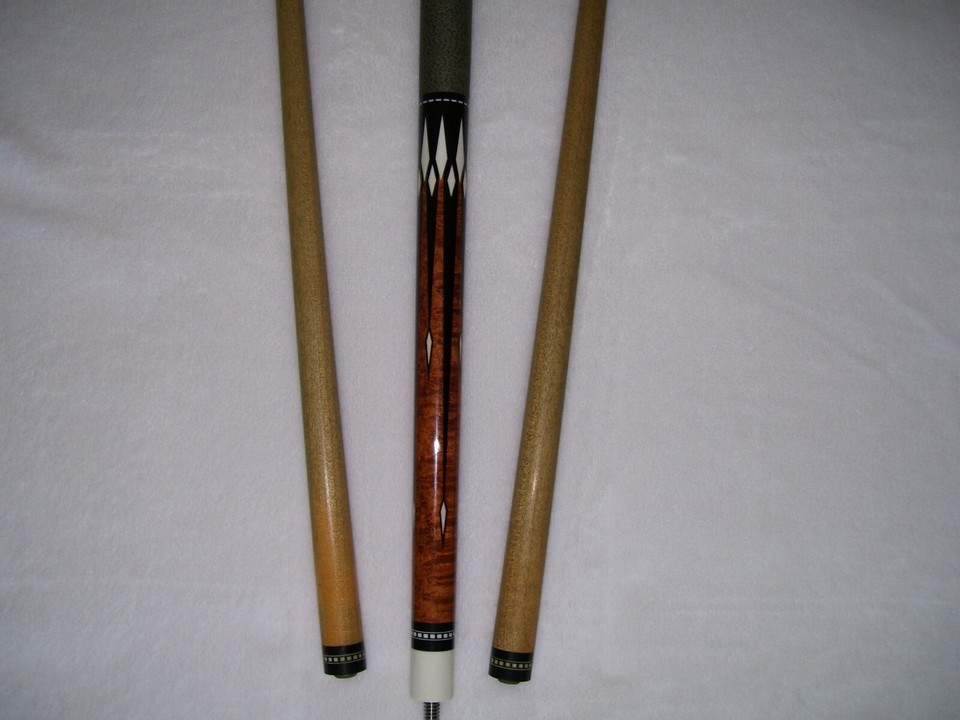
Joss West Custom Pool Cue By Bill Stroud eBay
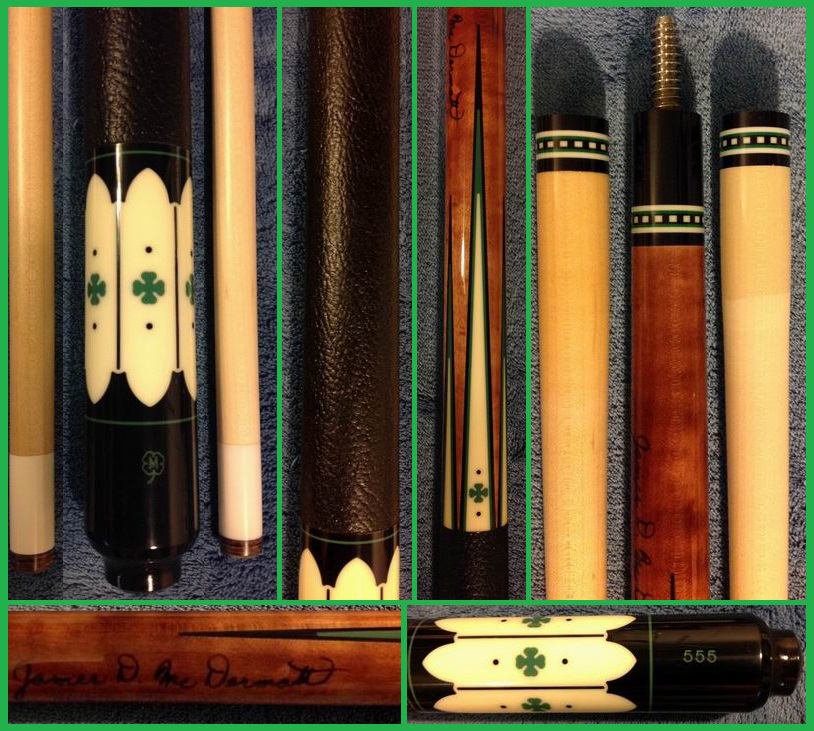
Rabbit's Keepers
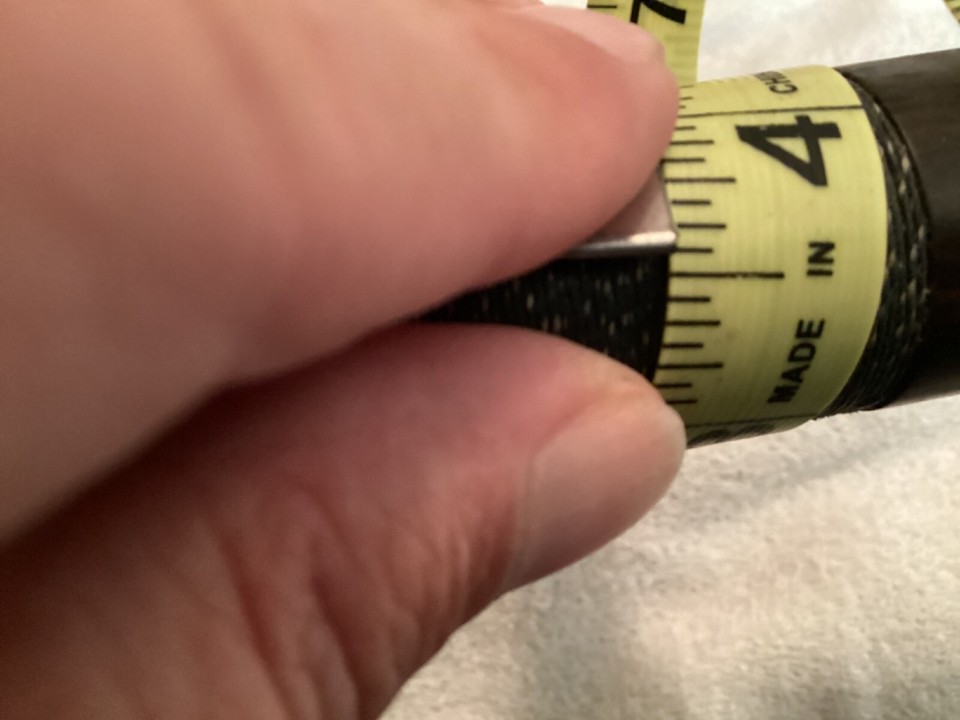
Joss West Bill Stroud 1975 Custom Pool Cue Very Rare One of One 3

Cue cases

Joss West Bill Stroud 1975 Custom Pool Cue Very Rare One of One 3
Related Post: